Discover serene trails and breathtaking views in North Carolina's hidden natural gem.
Discover serene trails and breathtaking views in North Carolina's hidden natural gem.
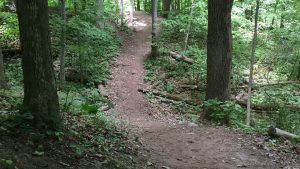
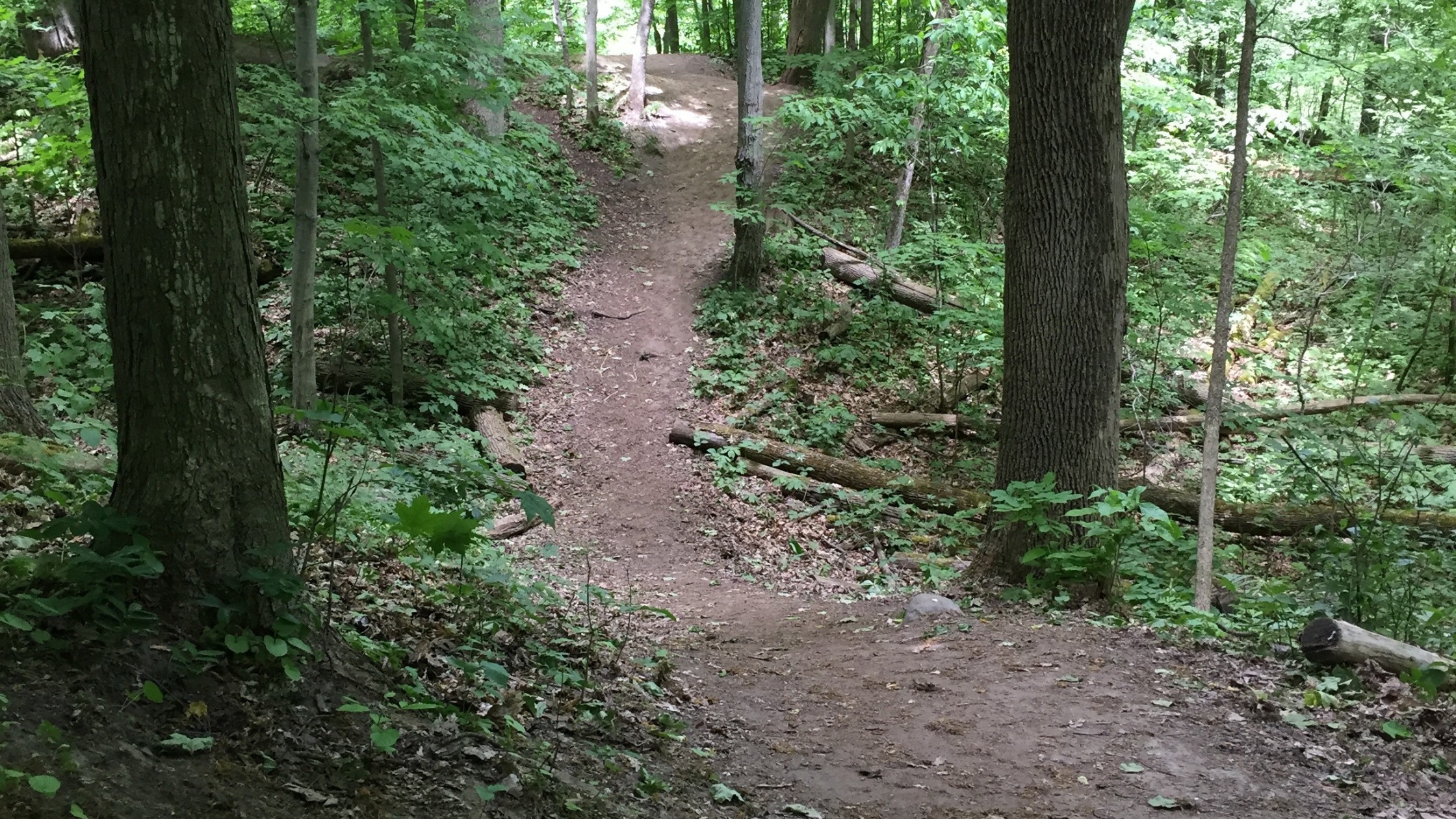
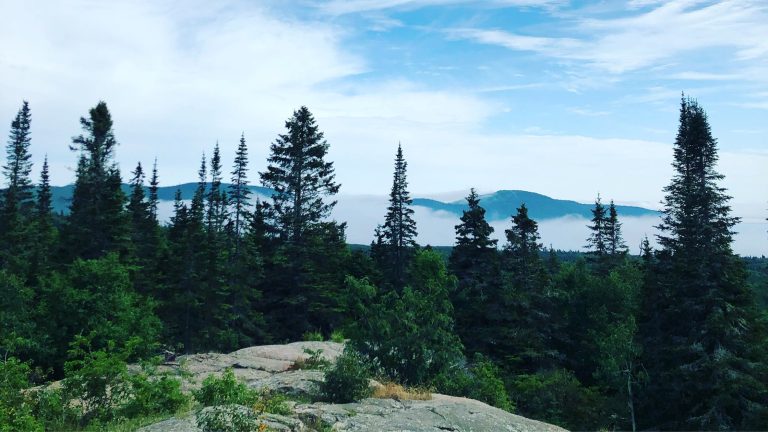
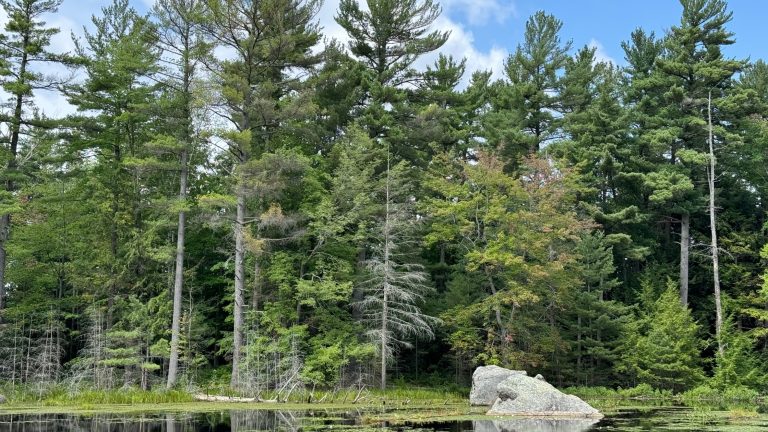
Lower Haw River State Natural Area in North Carolina offers an exquisite blend of tranquility and adventure, making it an ideal escape for nature enthusiasts and luxury travelers alike. Spanning over 1,400 acres, this pristine landscape showcases the Haw River’s gentle curves, lush forests, and vibrant wildlife, providing a stunning backdrop for exploration.
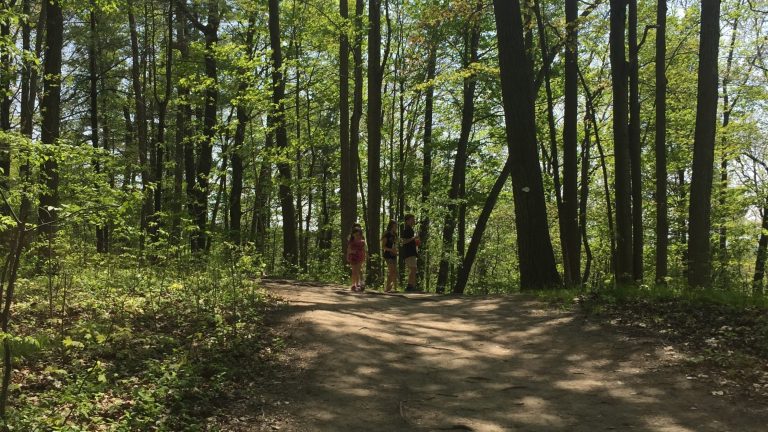
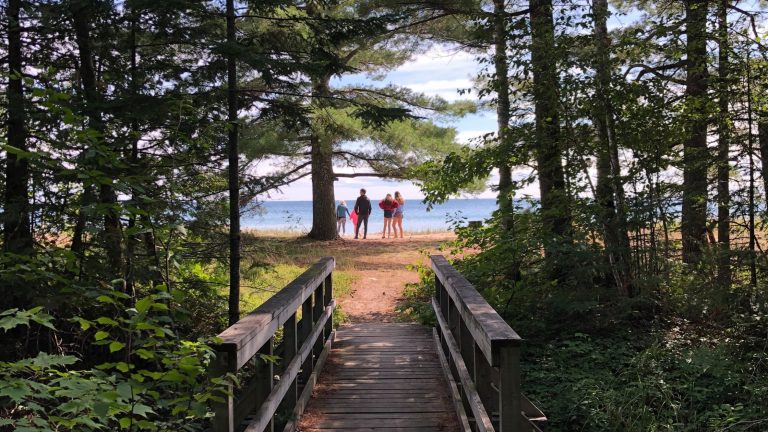
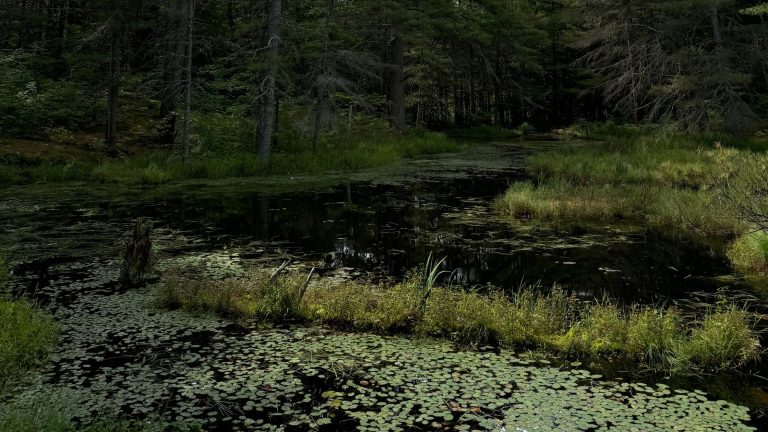
Visitors can embark on a variety of outdoor activities, from hiking along scenic trails to kayaking on the serene waters. The park’s diverse ecosystems teem with life, inviting birdwatchers and photographers to capture the beauty of native species in their natural habitat. Each turn along the trails reveals a new facet of the area’s charm, from the delicate wildflowers to the towering hardwood trees.
As the sun sets, the park transforms into a serene haven, where the sounds of nature create a symphony of peace. Whether you seek a leisurely stroll or an invigorating paddle, Lower Haw River State Natural Area promises an unforgettable experience, perfectly suited for those who appreciate the finer things in life.
Seasons
In spring, the Lower Haw River State Natural Area transforms into a vibrant tapestry of blooming wildflowers and lush greenery, offering an idyllic escape for nature enthusiasts seeking tranquility and adventure.
Summer’s warm days and long evenings invite exploration of the park’s diverse trails, while the lush greenery and abundant wildlife offer a refreshing escape from the heat.
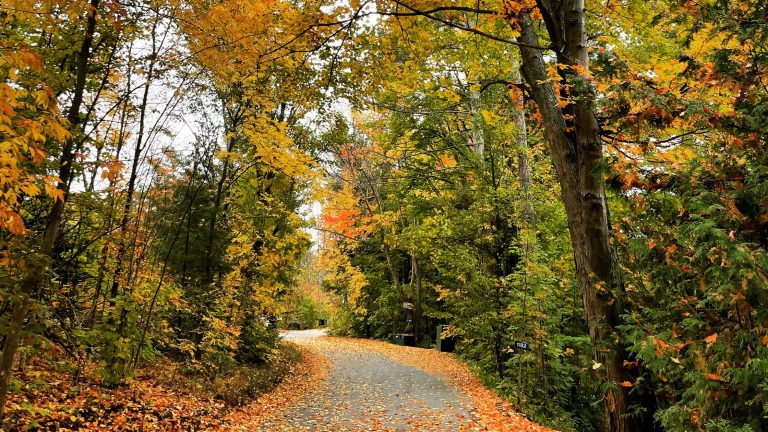
In fall, the Lower Haw River State Natural Area offers vibrant foliage, mild weather, and abundant wildlife, making September through November ideal for hiking, birding, and photography.
Winter’s crisp air and serene landscapes invite hikers to explore the park’s tranquil trails, offering solitude and breathtaking views of the river’s winter beauty.
Top 3 Facts about Lower Haw River State Natural Area
In this region, birdwatchers often report unusual sightings of the rare Prothonotary Warbler, while the annual migration of the Eastern Bluebird showcases the area’s rich biodiversity, attracting nature enthusiasts eager to witness these endemic species in their natural habitat during seasonal changes.
In this region, unique microclimates can create extreme temperature variations, where a mere shift in elevation can lead to significant differences in rainfall and humidity, resulting in diverse ecosystems and unusual weather patterns that support distinct plant and animal species not found in surrounding areas.
Known for its scenic beauty, this area features the famously named “Screaming Eagle Trail” and prohibits the use of motorized vehicles, ensuring a peaceful outdoor experience, while also being the site of North Carolina’s first recorded kayak race on the Haw River.
Travel Tips
Plan Ahead
When visiting this natural oasis, planning ahead is essential for a seamless experience. Check trail conditions and weather forecasts to ensure a safe and enjoyable adventure. Bring plenty of water, snacks, and a detailed map, as cell service can be spotty. Arriving early not only helps you beat the crowds but also allows for a peaceful morning immersed in nature.
Pack Appropriately
When packing for your visit, consider bringing a pair of water shoes to navigate the rocky riverbanks and enjoy the refreshing waters. The area’s diverse ecosystems thrive along the river, so a lightweight, packable hammock can enhance your experience, allowing you to relax and soak in the serene environment while keeping an eye out for local wildlife.
Respect Wildlife
When exploring this serene natural area, prioritize wildlife respect by observing animals from a distance. Avoid feeding or approaching them, as this disrupts their natural behaviors and habitat. Stay on marked trails to minimize your impact and carry out any trash to protect the ecosystem. Embrace the beauty around you while ensuring these creatures thrive in their environment.
Stay Informed
Before your visit, stay informed by checking the weather, temperatures, and any fire bans or notices in the area. Make sure to know emergency contact information and inform someone of your plans, including your destination and expected return time. Being prepared ensures a safe and enjoyable outdoor experience.
Accessibility & permits
Emergency

Planning a trip?
Tell us about your upcoming trip and how we can help!
Frequently Asked Questions
Ready to dive into what Lower Haw River State Natural Area has to offer? Let’s tackle some of the burning questions you might have as you plan your visit!
-
Lower Haw River State Natural Area offers a variety of activities for visitors, including hiking, birdwatching, and canoeing. The park features several trails that meander through diverse ecosystems, providing opportunities to observe local wildlife and enjoy scenic views of the Haw River. Additionally, visitors can engage in photography and nature study, making it a great destination for outdoor enthusiasts.
-
Dogs are allowed on the trails at Lower Haw River State Natural Area, but they must be kept on a leash at all times. This policy helps ensure the safety of both pets and wildlife, allowing for a pleasant experience for all visitors. Be sure to clean up after your dog to maintain the park’s natural beauty.
-
Camping is not permitted in Lower Haw River State Natural Area. However, there are nearby campgrounds and parks where visitors can set up camp and enjoy the natural surroundings. It’s advisable to check those locations in advance for availability and amenities.
-
Fishing is allowed in the park, but anglers must adhere to North Carolina’s fishing regulations. This includes having a valid fishing license and following specific rules regarding catch limits and size restrictions. The Haw River is home to various fish species, making it a popular spot for both novice and experienced fishermen.
-
Accessing Lower Haw River State Natural Area is straightforward. The park is located off Highway 64, with designated parking areas available for visitors. From the parking lot, trails lead directly into the park, providing easy access to the scenic beauty of the area.