Discover a hidden gem of natural beauty and adventure in Florida's pristine wilderness.

















Discover a hidden gem of natural beauty and adventure in Florida's pristine wilderness.
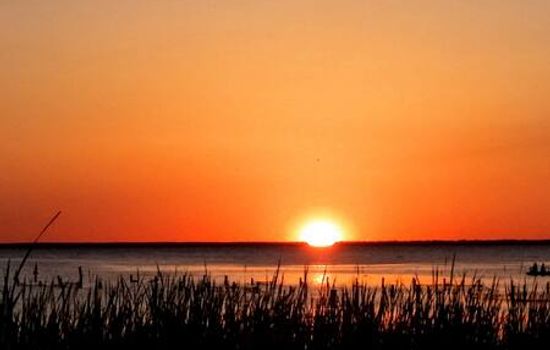
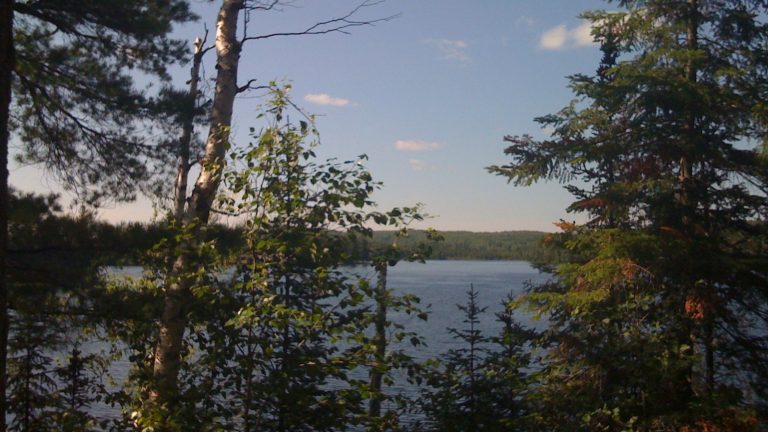
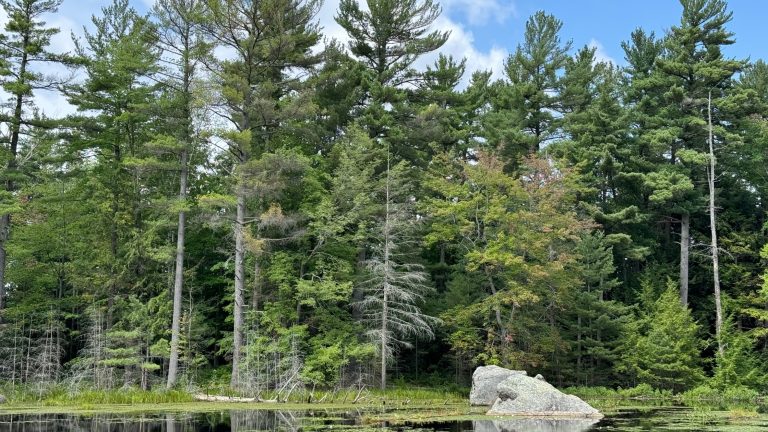
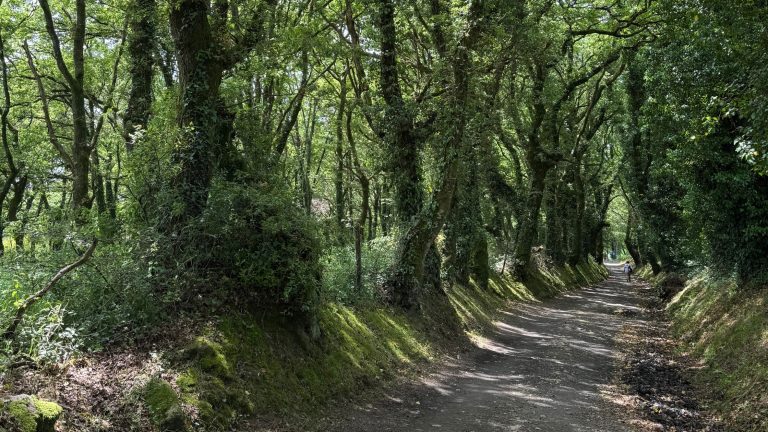
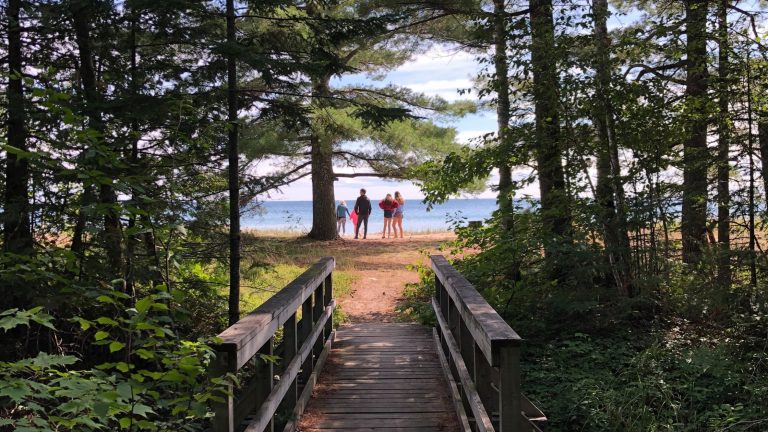
Lower Wekiva River Preserve State Park offers an exquisite escape into Florida’s unspoiled natural beauty. Just a short drive from Orlando, this hidden gem invites travelers to immerse themselves in a landscape where lush wetlands and vibrant wildlife thrive. The park’s serene waterways meander through cypress swamps and hardwood forests, creating a picturesque backdrop for outdoor enthusiasts and nature lovers alike.
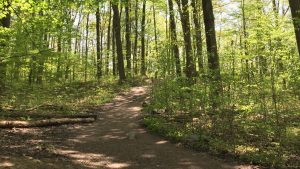
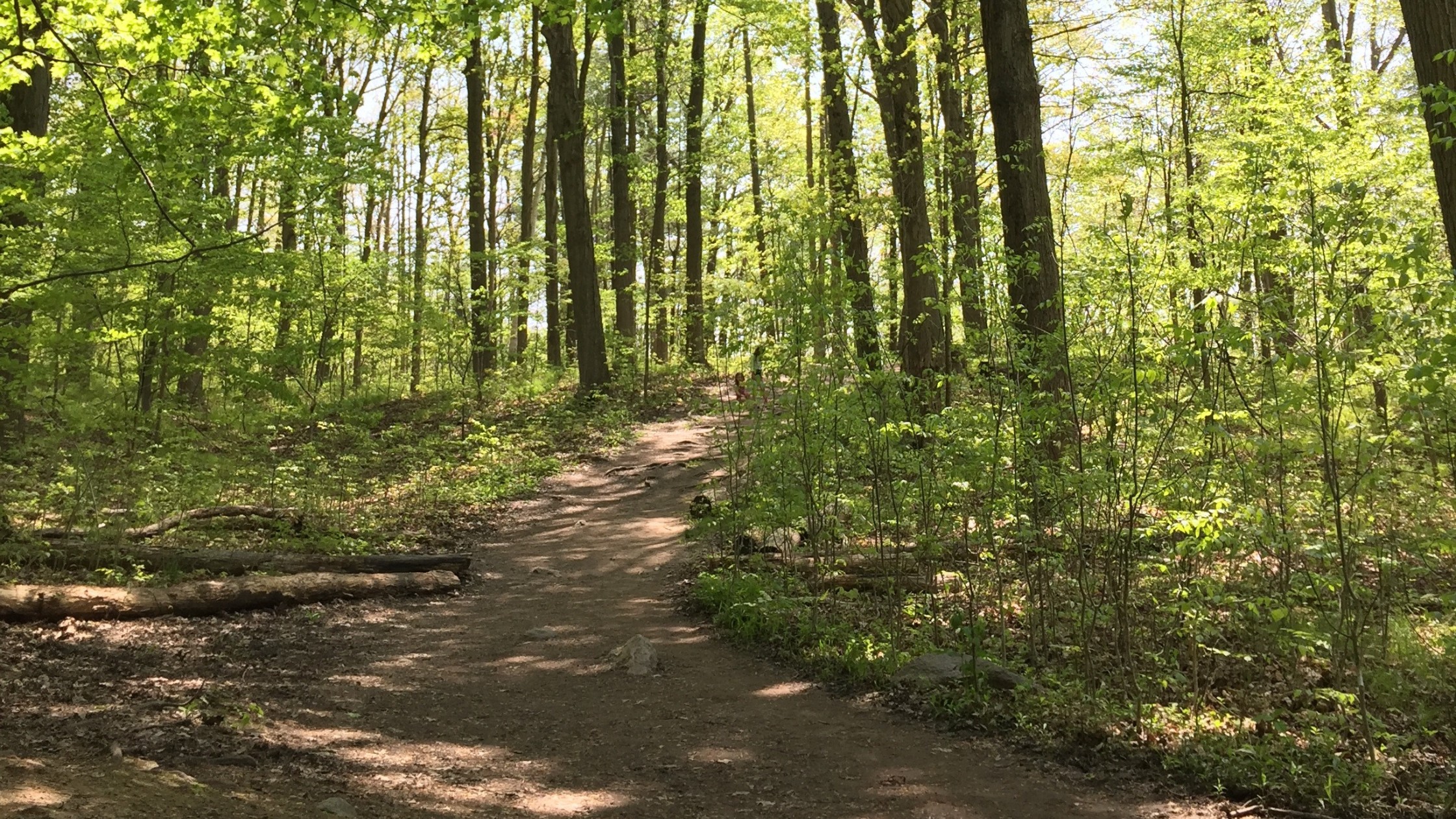
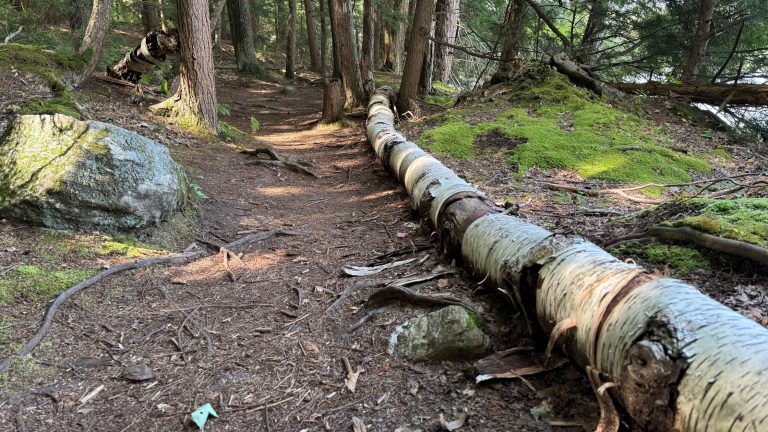
Visitors can explore the park’s extensive trails, ideal for hiking, biking, and horseback riding. The gentle sounds of the river harmonize with the calls of native birds, making each step a sensory delight. Kayaking along the tranquil waters reveals a world of biodiversity, where you might spot manatees gliding gracefully and turtles basking in the sun.
For those seeking solitude, the park provides ample opportunities for birdwatching and photography, capturing the essence of Florida’s natural allure. Lower Wekiva River Preserve State Park is not just a destination; it’s an invitation to experience Florida’s wild heart in its most authentic form.
Seasons
Spring’s gentle warmth and vibrant blooms invite exploration of this Central Florida haven, where winding trails and serene waterways offer a refreshing escape into nature’s embrace.
Summer’s warm embrace transforms the Wekiva River into a haven for paddlers and hikers, with longer days and abundant wildlife sightings making June through August ideal for exploration.
In fall, the park’s cooler temperatures and vibrant foliage create an ideal setting for hiking, paddling, and wildlife viewing, with September through November offering pleasant conditions and reduced crowds.
Experience the serene beauty of Florida’s wilderness during the winter months, when mild temperatures and abundant wildlife make December through February the ideal time to explore its natural wonders.
Top 3 Facts about Lower Wekiva River Preserve State Park
In this unique ecosystem, visitors might witness the rare sight of the Florida black bear foraging alongside endangered species like the gopher tortoise, while seasonal migrations of various bird species create a vibrant tapestry of wildlife, showcasing the area’s rich biodiversity and ecological significance.
The area experiences unique microclimates due to its diverse topography and vegetation, resulting in temperature variations that can differ by several degrees within just a few miles, creating distinct habitats that support a wide range of flora and fauna, often surprising visitors with its ecological diversity.
Known for its unique trails like the “Wildlife Viewing Area” and “Cypress Swamp Trail,” this preserve prohibits motorized vehicles and hunting, while also being a prime spot for first-time kayakers seeking adventure in Florida’s natural beauty, making it a memorable destination for outdoor enthusiasts.
Travel Tips
Plan Ahead
To fully enjoy your visit to this stunning natural haven, plan ahead by checking weather conditions and trail maps. Arrive early to secure parking and bring essentials like water, sunscreen, and insect repellent. Consider packing a picnic to savor amidst the lush scenery, and don’t forget your camera to capture the diverse wildlife and breathtaking landscapes that await.
Pack Appropriately
When packing for your adventure, include a pair of waterproof shoes; the trails can get muddy after rain. Don’t forget insect repellent and a lightweight long-sleeve shirt to protect against both sun and pesky mosquitoes, especially during the humid summer months. A reusable water bottle is essential to stay hydrated as you explore the lush surroundings.
Respect Wildlife
When exploring this natural haven, prioritize wildlife respect by observing animals from a distance and refraining from feeding them. Keep noise levels low to avoid disturbing their habitats, and stay on designated trails to protect local flora and fauna. This mindful approach not only enhances your experience but also ensures the preservation of the area’s rich biodiversity for future visitors.
Stay Informed
Before your visit, stay informed by checking the weather, temperatures, and any fire bans or notices. Know emergency contact information and ensure someone is aware of your destination and expected return time. Being prepared enhances your safety and enjoyment.
Accessibility & permits
Emergency

Planning a trip?
Tell us about your upcoming trip and how we can help!
Frequently Asked Questions
Ready to dive into what Lower Wekiva River Preserve State Park has to offer? Let’s tackle some of the burning questions you might have as you plan your visit!
-
Lower Wekiva River Preserve State Park offers a variety of activities including hiking, birdwatching, canoeing, and kayaking. The park features several trails that meander through diverse ecosystems, providing opportunities to explore the natural beauty of Florida’s wetlands and forests. Visitors can also enjoy picnicking in designated areas and taking guided tours during special events.
-
To access the park’s hiking trails, enter through the main entrance located off Wekiva River Road. Once inside, you can find well-marked trails that range from easy to moderate difficulty. Be sure to check the park map for specific trail locations and lengths, and consider visiting during daylight hours for the best experience.
-
Yes, there are camping facilities available in the park. The campgrounds offer primitive sites for tent camping, providing a rustic experience surrounded by nature. Reservations are recommended, especially during peak seasons, to ensure availability. Facilities may include picnic tables, fire rings, and restroom access nearby.
-
The park is home to a variety of wildlife, including deer, alligators, and numerous bird species such as herons, egrets, and woodpeckers. Visitors may also spot turtles and various reptiles along the trails and waterways. The diverse habitats make it an excellent location for wildlife observation and photography.
-
Yes, fishing is permitted in the Wekiva River. Anglers can enjoy fishing for species such as bass and panfish. A Florida fishing license is required, and it’s advisable to check local regulations regarding catch limits and specific fishing areas within the park.