


Earth's Longest Cave System: Ranger Tours, Wild Cave Adventures, and Kentucky Karst




































Earth's Longest Cave System: Ranger Tours, Wild Cave Adventures, and Kentucky Karst
Under the rolling karst hills of south-central Kentucky, a cave system of incomprehensible scale extends in directions that explorers and surveyors have spent centuries attempting to map. Mammoth Cave is the longest known cave system on Earth, with more than 426 miles of surveyed passages as of 2025, a figure that grows each year as new connections are discovered. For context, the second-longest cave system in the world is less than two-thirds as long. Mammoth Cave National Park, established on July 1, 1941, encompasses 52,830 acres of karst woodland and river valley in Edmonson County, Kentucky, and is simultaneously a UNESCO World Heritage Site, an International Biosphere Reserve, and one of the most visited national parks in the eastern United States, drawing approximately 600,000 visitors annually.
The cave is experienced exclusively through ranger-led tours, and the tour program at Mammoth Cave is among the most sophisticated and varied in the national park system. The Historic Tour follows Mammoth Avenue through the cave’s Cathedral Domes, Mammoth Dome, and Bottomless Pit sections on a two-hour journey past the cave signatures of 19th-century explorers still visible on the walls. The Domes and Dripstones Tour reaches the cave’s most geologically decorated section, the Frozen Niagara area, where flowstone formations, stalactites, and stalagmites create the visual drama most visitors associate with caves. The Wild Cave Tour takes small groups in helmets and kneepads through undeveloped passages on a challenging crawl-and-squeeze adventure. An accessible tour using an elevator entrance allows visitors with limited mobility to experience the cave’s interior. All tours require advance reservation through recreation.gov and sell out on summer weekends.
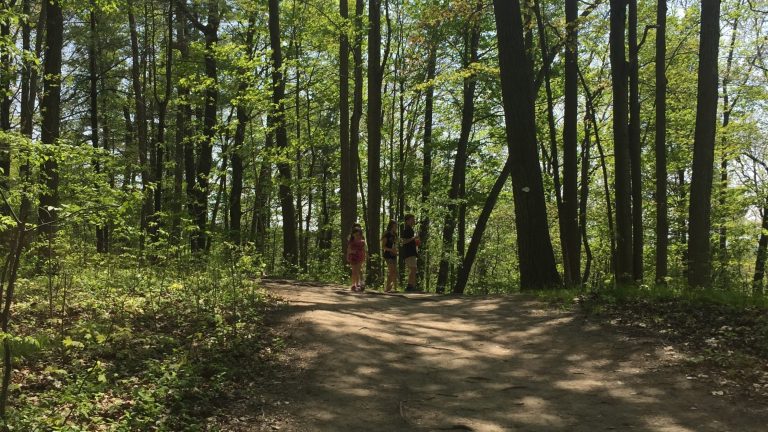
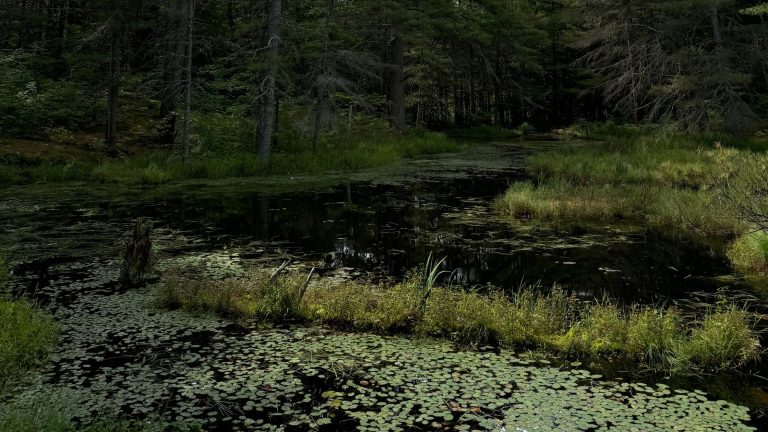
Above ground, the park offers 80 miles of hiking and backcountry trails through the second-growth oak-hickory forest that has reclaimed the land over the cave system. The Green River, which runs through the park and feeds the cave’s underground hydrology, provides canoeing, kayaking, and bank fishing opportunities. A handful of shorter loop trails accessible from the visitor center area provide family-friendly walks through sinkhole terrain. The park operates three campgrounds and offers backcountry camping by permit.
Families with children old enough for a cave tour, typically 4 years and above depending on the tour, find Mammoth Cave an exceptionally distinctive park experience. The cave’s stable 54-degree temperature makes a cave tour refreshingly cool on hot summer days. Multi-generational groups benefit from the range of tour options, including the accessible elevator tour for those with mobility limitations alongside the adventurous Wild Cave experience for those who want a challenge. Pet-first travelers should note that leashed pets are not permitted inside the cave; they may be left in a designated climate-controlled pet kennel near the visitor center.
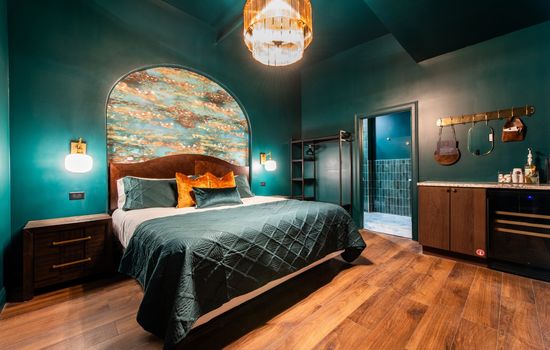
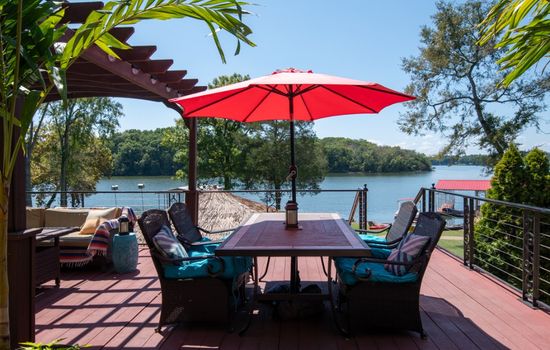
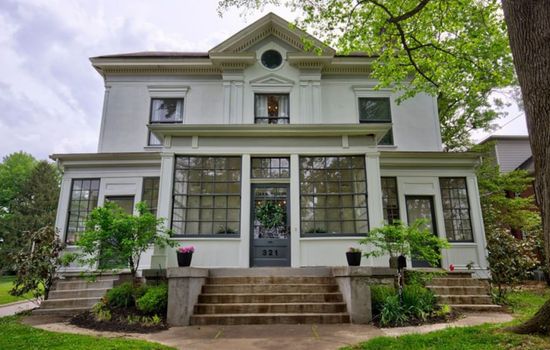
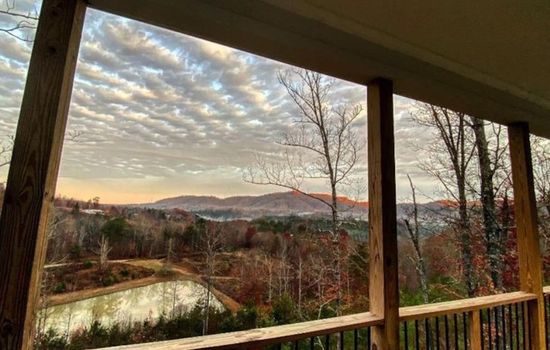
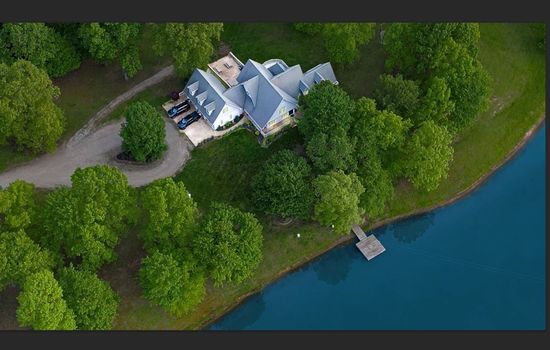
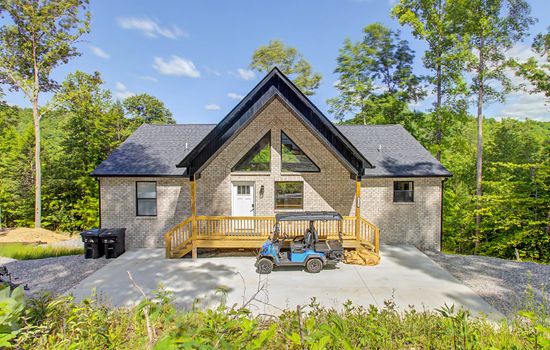
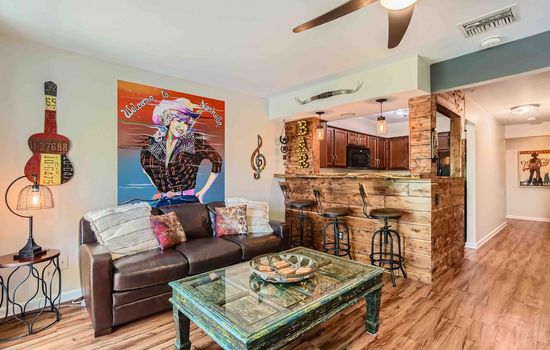
The gateway communities of Cave City, Park City, and Horse Cave, all within 10 miles of the park entrance, provide vacation rental inventory including cozy multi-bedroom homes with full kitchens, BBQ grills, and fire pits. Glasgow, 20 miles east, and Bowling Green, 35 miles west, offer broader accommodation options for larger groups. Properties with beautiful rolling Kentucky countryside views and outdoor spaces for evening relaxation are well matched to the underground adventure of a Mammoth Cave day. Book your accommodations near Mammoth Cave National Park through Lake.com.
Seasons
Spring brings mild temperatures (60s-70s°F) and vibrant wildflowers. Join the Wildflower Day celebration in April, with guided hikes and children’s activities. Clear skies make it ideal for the Star Party, highlighting the park’s dark sky status. Perfect for outdoor enthusiasts.
Explore the depths in summer’s warm temperatures (80s-90s°F) and humid weather. Join Wildflower Day in May for guided hikes and children’s crafts, or celebrate International Dark Sky Week in April under star-studded skies. Ideal for adventure seekers, but beware of heavy school groups in spring.
Experience autumn’s mild coolness, with temperatures ranging from 49°F to 71°F, and enjoy the Cave Sing in November, a historic holiday tradition. Breezy days and vibrant wildflowers make fall an ideal time to visit.
Winter, from December to February, brings solitude and magic with temperatures ranging from 32°F to 50°F. Snow and ice transform the landscape, while constant 54°F cave temperatures offer a cozy escape. Fewer crowds and unique tours make it an ideal time for an exclusive experience.
Top 3 Facts about Mammoth Cave National Park
Mammoth Cave National Park encompasses 52,830 acres in Edmonson County, Kentucky, and contains the longest known cave system on Earth, with more than 426 miles of surveyed passages as of 2025, a figure that grows each year. The cave system developed approximately 330 million years ago in Mississippian-age limestone capped by a sandstone layer that has protected the cave’s remarkable stability. The park was established on July 1, 1941, and was designated a UNESCO World Heritage Site in 1981 and an International Biosphere Reserve in 1990.
Mammoth Cave is experienced exclusively through ranger-led tours, which range from the two-hour Historic Tour through Cathedral Domes and Bottomless Pit sections, to the geological spectacle of the Domes and Dripstones Tour at the Frozen Niagara formations, to the demanding Wild Cave Tour through undeveloped passages for small groups in helmets and kneepads. An accessible tour using an elevator entrance provides access to the cave’s interior for visitors with limited mobility. All tours require advance reservations through recreation.gov and sell out on summer weekends.
Above the cave, the park offers 80 miles of hiking trails through karst woodland that has recovered from 19th-century logging and farming. The Green River, which flows through the park and feeds the cave’s underground river system, provides canoeing, kayaking, and fishing. The cave maintains a constant temperature of 54 degrees Fahrenheit and humidity of approximately 87 percent throughout the year, making it a refreshing refuge in summer heat and requiring a warm layer in any season. Human use of Mammoth Cave dates back approximately 5,000 years, with pre-Columbian mummies, artifacts, and ancient mining evidence recovered from the cave.
Travel Tips
Plan Ahead
All cave tours require advance reservations through recreation.gov; book several weeks to months in advance for summer visits, as the most popular tours, including Historic, Domes and Dripstones, and Wild Cave, sell out quickly on peak weekends. The park entrance fee is $35 per vehicle. The pet kennel near the visitor center accepts leashed dogs for a fee while owners tour the cave; reserve this in advance as well. Check nps.gov/maca for current tour availability, trail conditions, and any park alerts. The cave maintains 54 degrees Fahrenheit year-round; a light jacket or fleece is recommended for anyone touring the cave regardless of surface temperature.
Pack Appropriately
Bring a warm layer for cave tours regardless of the season; the cave’s constant 54-degree temperature feels cold after summer heat and welcomingly cool in winter. Wear comfortable closed-toe shoes with grip for cave tours, which involve uneven stone floors, steep staircases, and low ceiling sections on some routes. The Wild Cave Tour requires athletic shoes or boots, helmet, and old clothing that can be kneeled on in rock and mud. Carry water and snacks for above-ground hiking on the 80-mile trail network. Insect repellent is useful on surface trails from May through September.
Respect Wildlife
The cave system supports endangered Kentucky cave shrimp, Indiana bats, gray bats, cave fish, and over 200 invertebrate species. Never touch cave formations; oils from human hands can permanently damage stalactites and other formations over geological time. Follow all ranger instructions during tours and never leave the designated tour path. Above ground, the park supports white-tailed deer, wild turkeys, foxes, and numerous bird species. Do not feed any wildlife. Green River fishing requires a Kentucky fishing license. Leashed pets are not allowed in the cave but may use the park’s surface trails.
Stay Informed
Check nps.gov/maca for current tour availability, cave conditions, trail status, and any park alerts before visiting. The Wild Cave Tour has physical requirements including minimum height and weight limits; verify current requirements before booking. Green River levels can affect river access on some trails; check conditions before hiking to the river. For park emergencies, call 9-1-1. For non-emergency park information, contact Mammoth Cave National Park at (270) 758-2180.
- Area (mi²)
- 83
- Annual visitors
- 600 000
- Established year
- 1941
Accessibility & permits
Emergency

Planning a trip?
Tell us about your upcoming trip and how we can help!
Frequently Asked Questions
Ready to dive into what Mammoth Cave National Park has to offer? Let’s tackle some of the burning questions you might have as you plan your visit!
-
To be close to the park, you should stay in Cave City, Kentucky, which is just a few miles from the park’s entrance. Alternatively, you can also consider staying in Bowling Green, Kentucky, though it is about 22 miles away. The Lodge at Mammoth Cave, located next to the visitor center, is another option within the park itself.
-
The Heritage Trail is the most family-friendly hike, as it is a short, 0.5-mile paved loop starting at the Visitor Center, making it easy for toddlers and young children to navigate.
-
Pets are allowed on the hiking trails as long as they are leashed. This includes trails such as the Sinhole trail. However, pets are not allowed in the caves themselves, except for service animals.
-
Parking is free at the park, including for campers, motorhomes, and trailers. However, there are fees for cave tours, camping, and shelter rentals.
-
The top attraction is the vast cave system, discovered in 1797 by a hunter chasing a bear, which began offering guided tours in 1816. These tours, initially led by enslaved guides like Stephen Bishop, showcase the cave’s extensive passages and notable features such as the Bottomless Pit and Mammoth Dome.