Discover the breathtaking beauty and diverse ecosystems of Hawaii's hidden gem.
Discover the breathtaking beauty and diverse ecosystems of Hawaii's hidden gem.
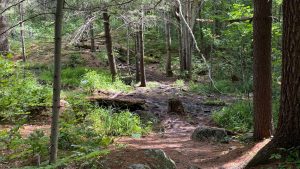
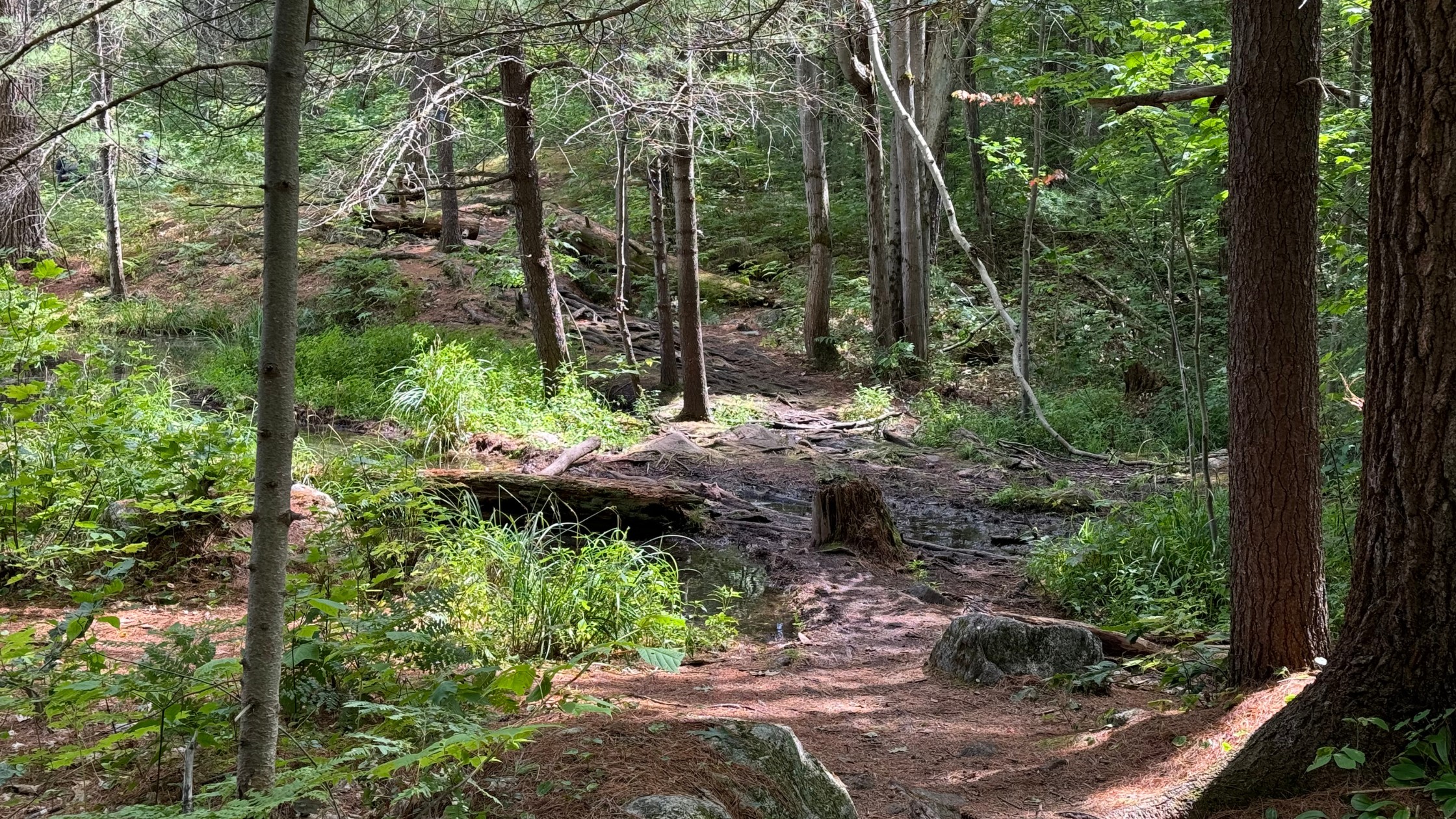
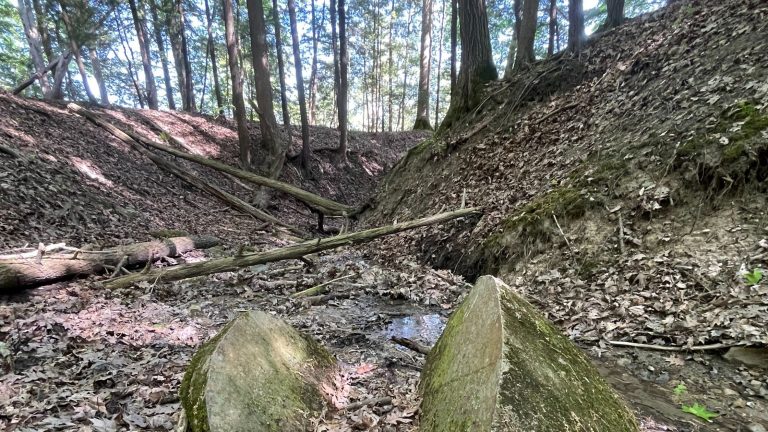
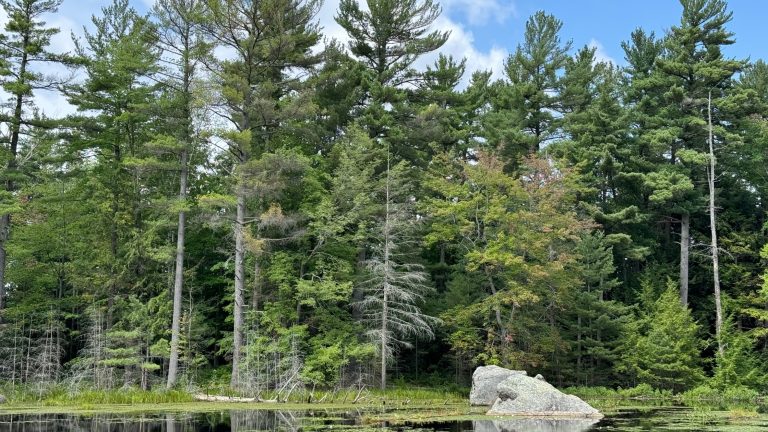
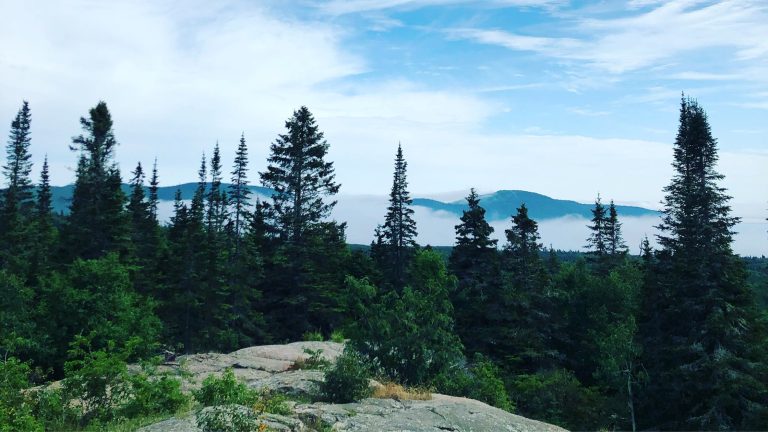
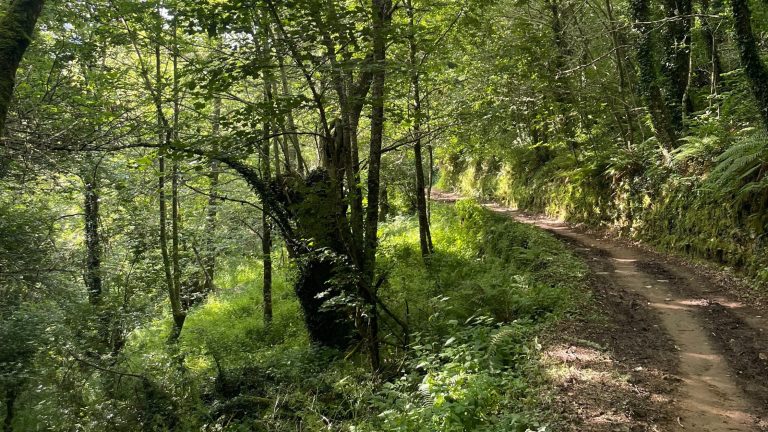
Mauna Kea Forest Reserve in Hawaii offers an unparalleled escape into nature’s grandeur. Towering above the landscape, the reserve showcases a diverse ecosystem that captivates the senses. Visitors are greeted by lush greenery, vibrant flora, and the majestic silhouette of Mauna Kea, the island’s highest peak. The reserve invites exploration, with trails winding through ancient forests, revealing breathtaking vistas that stretch across the island.
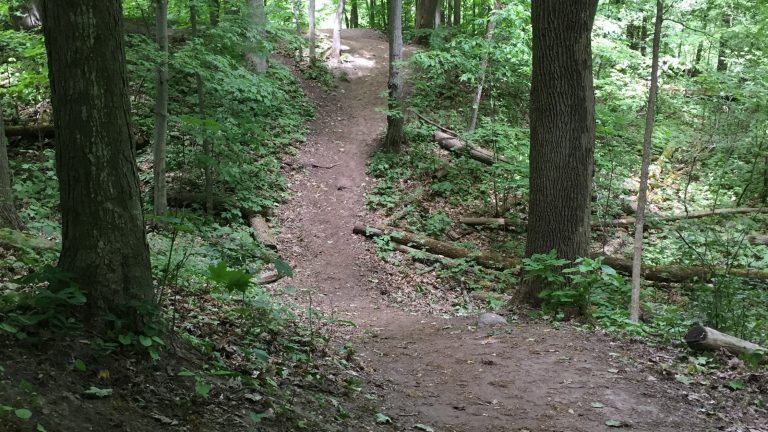
Adventure seekers will find an abundance of activities within the reserve. Hiking trails range from leisurely strolls to challenging treks, each offering a unique perspective of the surrounding beauty. Birdwatchers will delight in the chance to observe native species, while stargazers can revel in the clear night skies that Mauna Kea is renowned for. The reserve also serves as an important cultural site, with deep-rooted connections to Hawaiian traditions and history.
For those seeking tranquility, the serene environment provides the perfect backdrop for reflection and rejuvenation. Whether you’re exploring the rich biodiversity or simply soaking in the panoramic views, Mauna Kea Forest Reserve is a sanctuary that promises unforgettable experiences.
Seasons
Spring’s mild temperatures and clear skies make it the perfect season to explore Mauna Kea’s diverse ecosystems, from lush rainforests to alpine tundras, offering unparalleled hiking and stargazing opportunities.
Summer’s warm, dry days and clear skies make June, July, and August ideal for exploring Mauna Kea’s unique subalpine flora and enjoying its unparalleled stargazing opportunities.
Experience the serene beauty of Mauna Kea’s high-elevation dry forest in fall when stable weather patterns and comfortable temperatures create ideal conditions for hiking and stargazing.
Experience the thrill of snow-capped peaks and unparalleled stargazing as winter’s crisp air unveils Hawaii’s hidden alpine wonders, offering a unique blend of adventure and serenity.
Top 3 Facts about Mauna Kea Forest Reserve
In this unique ecosystem, the endangered Hawaiian goose, or nene, showcases remarkable adaptability by nesting in volcanic craters, while rare migratory birds like the Hawaiian stilt can be spotted during seasonal changes, drawing nature enthusiasts eager to witness these extraordinary avian events and endemic species.
At higher elevations, unique microclimates can create dramatic temperature variations, where temperatures can drop below freezing while just a few miles away, lush tropical conditions prevail, showcasing the diverse climatic influences that shape ecosystems and weather patterns in this extraordinary region.
Known for its unique outdoor experiences, this reserve boasts the highest elevation for hiking in Hawaii, features trails with names like “The Road to Nowhere,” and prohibits activities such as camping and off-trail exploration to preserve its delicate ecosystem.
Travel Tips
Plan Ahead
Planning ahead is essential for a visit to this stunning Hawaiian destination. Ensure you check weather conditions, as they can change rapidly, and arrive early to secure parking. Bring layers to adapt to the varying temperatures, and don’t forget to pack plenty of water and snacks to keep energized while exploring the breathtaking landscapes and unique ecosystems.
Pack Appropriately
When visiting this stunning high-altitude region, pack layers to adapt to the dramatic temperature shifts. While the day may be warm, temperatures can plummet at night, so include a warm jacket and sturdy hiking shoes to navigate the diverse terrain. Don’t forget sunscreen and sunglasses; the intense sun at elevation can catch you off guard.
Respect Wildlife
When exploring the lush landscapes of Hawaii’s high-altitude forests, always maintain a respectful distance from wildlife. Avoid feeding animals, as it disrupts their natural foraging habits and can lead to dependency on human food. Keep noise levels low to minimize stress on native species, and remember to leave no trace, preserving the habitat for future visitors and the incredible creatures that call it home.
Stay Informed
Before your visit, stay informed by checking the weather, temperatures, and any fire bans or notices. Always know the emergency contact information and share your plans with someone, including your destination and expected return time, to ensure your safety while enjoying the great outdoors.
Accessibility & permits
Emergency

Planning a trip?
Tell us about your upcoming trip and how we can help!
Frequently Asked Questions
Ready to dive into what Mauna Kea Forest Reserve has to offer? Let’s tackle some of the burning questions you might have as you plan your visit!
-
What are Mauna Kea Forest Reserve visiting hours: The Mauna Kea Forest Reserve is open year-round, with visiting hours typically from sunrise to sunset, allowing visitors to enjoy the stunning landscapes and diverse ecosystems throughout the day.
-
Is camping allowed in Mauna Kea Forest Reserve: Camping is not permitted within the Mauna Kea Forest Reserve itself; however, there are nearby campgrounds where visitors can set up tents and enjoy the natural surroundings.
-
What wildlife can be seen in Mauna Kea Forest Reserve: The reserve is home to a variety of wildlife, including native Hawaiian birds such as the ‘I’iwi and ‘Apapane, as well as unique plant species and the occasional sighting of Hawaiian monk seals in the surrounding areas.
-
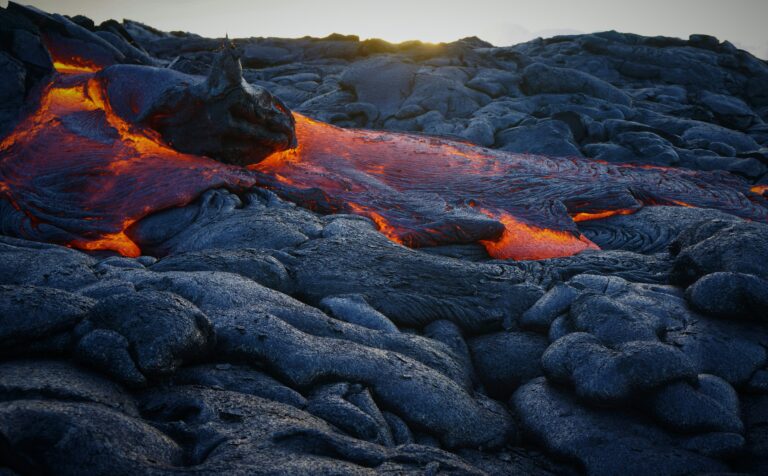
Are there hiking trails in Mauna Kea Forest Reserve: Yes, the reserve features several hiking trails that cater to different skill levels, offering opportunities to explore lush forests, volcanic landscapes, and breathtaking views of the island.
-
Is there an entrance fee for Mauna Kea Forest Reserve: There is no entrance fee to access the Mauna Kea Forest Reserve, making it an affordable destination for nature lovers and outdoor enthusiasts.