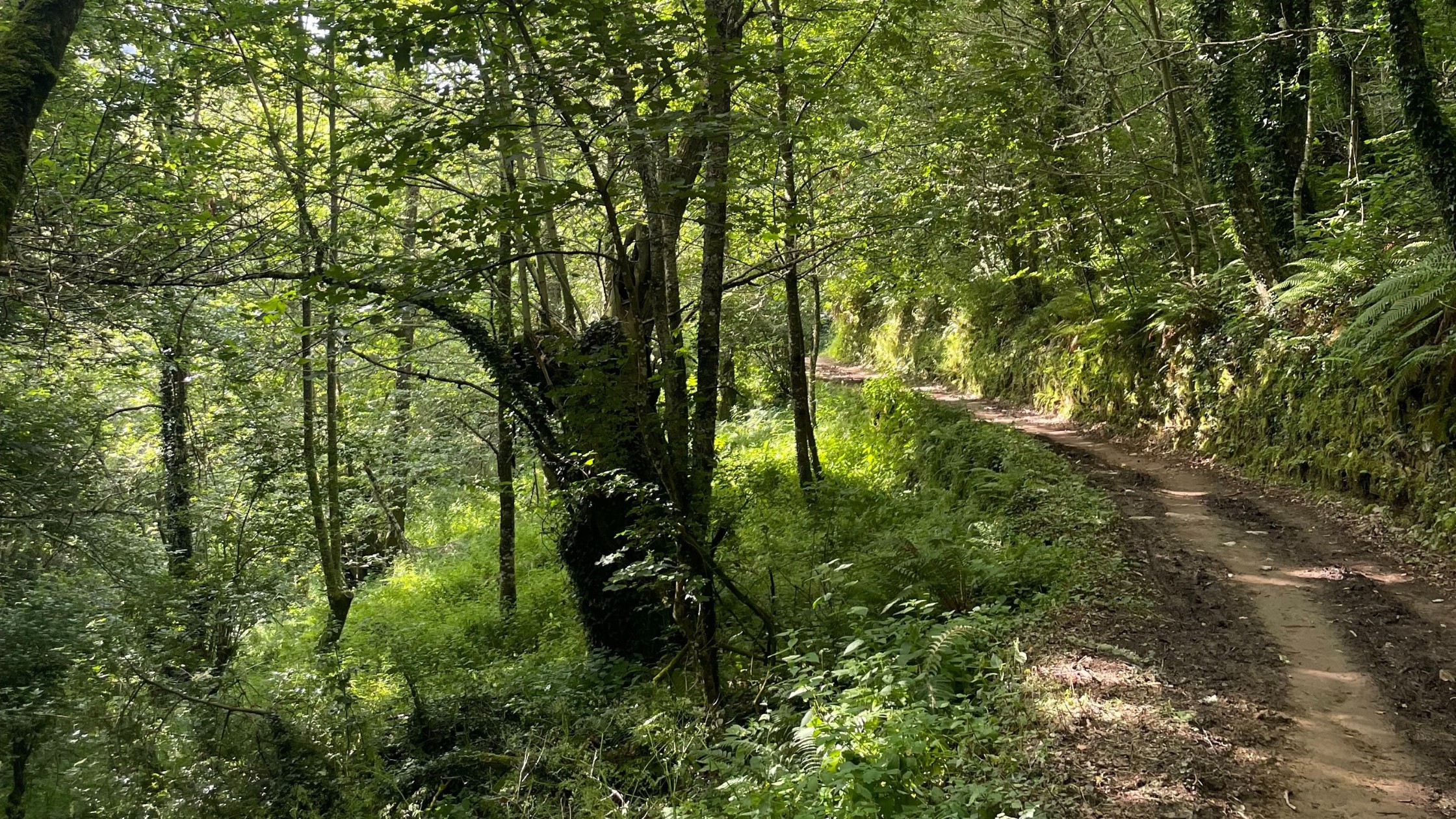
Discover breathtaking landscapes and outdoor adventures in Pennsylvania's hidden gem.





Discover breathtaking landscapes and outdoor adventures in Pennsylvania's hidden gem.
Maurice K. Goddard State Park, a hidden gem in Pennsylvania, invites discerning travelers to immerse themselves in nature’s splendor. Spanning over 2,000 acres, this pristine park offers a captivating blend of lush forests, serene lakes, and rolling hills that create an idyllic backdrop for outdoor enthusiasts. Visitors can explore miles of hiking trails that weave through diverse ecosystems, showcasing the region’s rich flora and fauna.
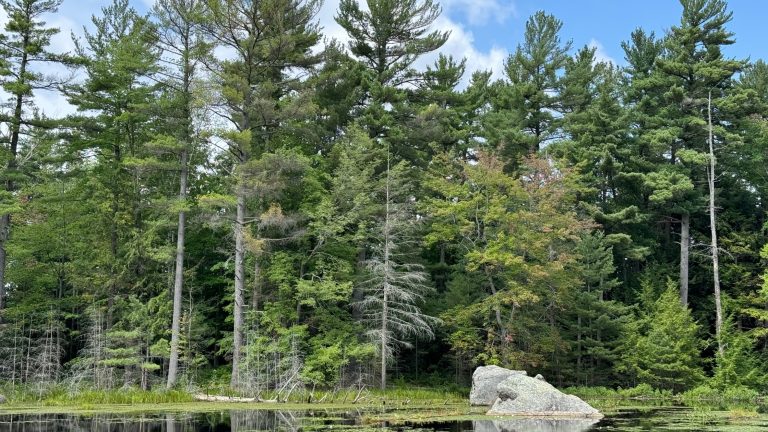
The park’s centerpiece, the tranquil Lake Arthur, beckons water lovers with opportunities for boating, fishing, and swimming. Its shimmering surface reflects the vibrant hues of the changing seasons, making it a picturesque spot for picnics and leisurely afternoons. Birdwatchers will delight in the variety of species that call the park home, adding an element of serenity to the experience.
Maurice K. Goddard State Park is not just a destination; it’s an escape into the heart of Pennsylvania’s natural beauty. Whether you seek adventure or peaceful solitude, the park promises an unforgettable retreat, inviting you to reconnect with the great outdoors.
Seasons
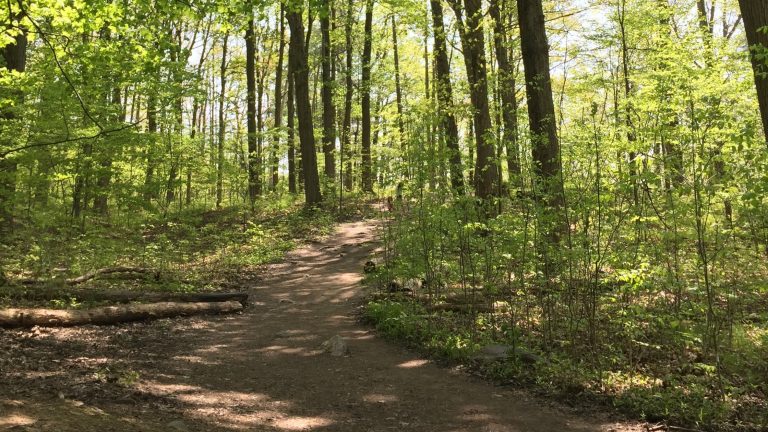
In spring, the park’s 12-mile John C. Oliver Multi-Purpose Trail offers a scenic loop around Lake Wilhelm, where visitors can enjoy biking, hiking, and cross-country skiing amidst blooming wildflowers.
In summer, the park’s 1,680-acre lake offers boating, fishing, and swimming, while its 12.2-mile trail invites hikers and cyclists to explore diverse ecosystems.
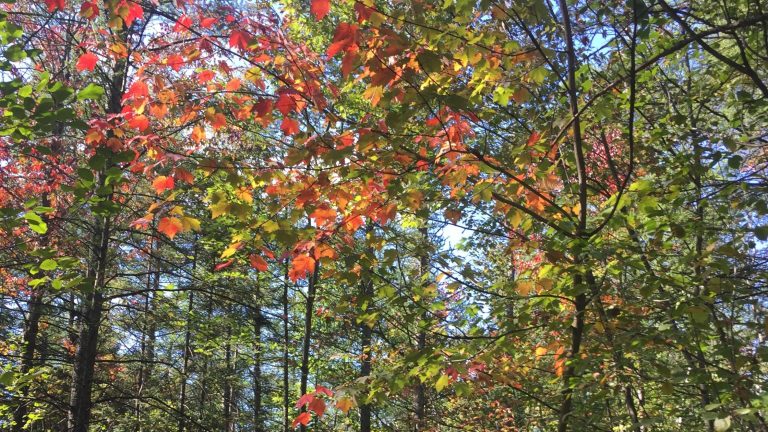
As autumn paints the landscape with vibrant hues, the park’s 12-mile trail encircles Lake Wilhelm, offering unparalleled views and a serene escape from the everyday.
Embrace winter’s charm with cross-country skiing, ice fishing, and snowmobiling on six miles of trails, offering a serene retreat from December through February.
Top 3 Facts about Maurice K. Goddard State Park
This park is home to unique animal migration events, including the rare sighting of the endangered Eastern Massasauga rattlesnake, which relies on specific wetland habitats, showcasing the delicate balance of ecosystems and the importance of conservation efforts for endemic species in the region.
In Pennsylvania’s unique microclimate, the park experiences extreme temperature variations, with recorded lows plunging below -20°F and highs soaring above 100°F, creating diverse habitats that support rare species and unusual storm phenomena, including localized heavy rainfall that can dramatically alter the landscape.
Known for its unique trail names like “The Blue Jay Trail,” this park also boasts records in outdoor sports, including the largest gathering for a trail running event, while enforcing unusual rules such as banning metal detecting and campfires outside designated areas.
Travel Tips
Plan Ahead
Planning ahead is essential for a seamless visit to this scenic destination. Check trail conditions, pack sufficient water and snacks, and consider the weather forecast to ensure a comfortable experience. Arriving early not only allows you to secure parking but also grants you the chance to enjoy the tranquil beauty of the landscape before the crowds arrive.
Pack Appropriately
When planning your visit, pack layers to adapt to the region’s unpredictable weather, especially in the shoulder seasons. The area’s elevation can lead to sudden temperature drops, so include a lightweight rain jacket and sturdy hiking shoes to navigate the diverse terrain comfortably, ensuring you’re prepared for both sunny trails and unexpected showers.
Respect Wildlife
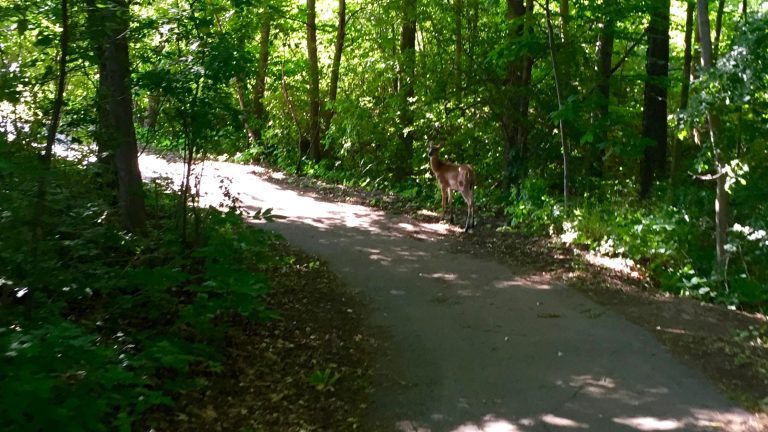
When exploring the park, keep a respectful distance from wildlife to ensure their safety and yours. Avoid feeding animals, as it disrupts their natural foraging habits and can lead to aggressive behavior. Bring binoculars for a closer look at birds and deer, and always stick to marked trails to protect their habitats.
Stay Informed
Before your visit, stay informed by checking the weather, temperatures, and any fire bans or notices. Know emergency contact information, and make sure to tell someone your destination and expected return time to ensure a safe outing.
Accessibility & permits
Emergency

Planning a trip?
Tell us about your upcoming trip and how we can help!
Frequently Asked Questions
Ready to dive into what Maurice K. Goddard State Park has to offer? Let’s tackle some of the burning questions you might have as you plan your visit!
-
Maurice K. Goddard State Park offers a variety of activities including hiking, fishing, boating, and picnicking, with over 18 miles of trails and several scenic lakes for outdoor enjoyment.
-
Yes, camping is permitted within the park, with designated campgrounds available for both tent and RV camping, providing a great way to immerse yourself in nature.
-
To get to Maurice K. Goddard State Park, take Route 8 to the park entrance located near the town of Sandy Lake, easily accessible from major highways in the area.
-
Pets are allowed in the park but must be kept on a leash and cleaned up after; they are not permitted in designated swimming areas or buildings.
-
The park’s operating hours are typically from sunrise to sunset, but it’s advisable to check for any seasonal changes or special events that may affect these hours.