Discover serene landscapes and endless outdoor adventures in this hidden gem of Minnesota.
Discover serene landscapes and endless outdoor adventures in this hidden gem of Minnesota.
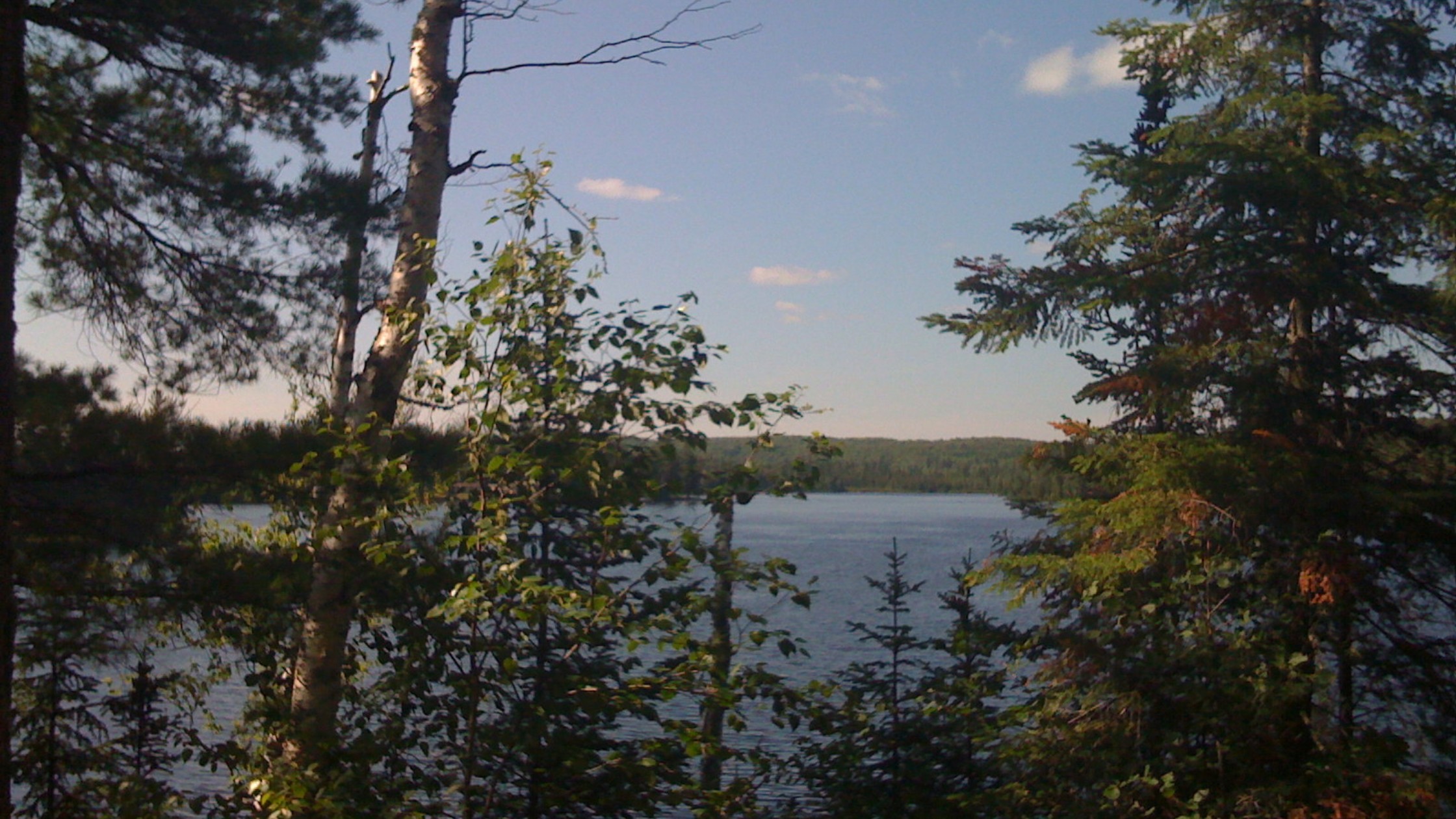
Monson Lake State Park in Minnesota offers an idyllic escape for those seeking tranquility and natural beauty. This hidden gem invites visitors to immerse themselves in its serene landscapes, characterized by rolling hills and sparkling waters. The park’s centerpiece, Monson Lake, is ideal for fishing, kayaking, and leisurely paddle boating, providing a perfect backdrop for a day of relaxation.
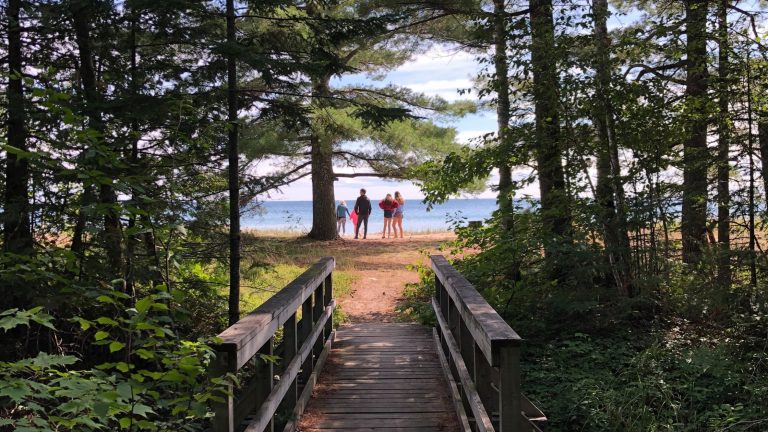
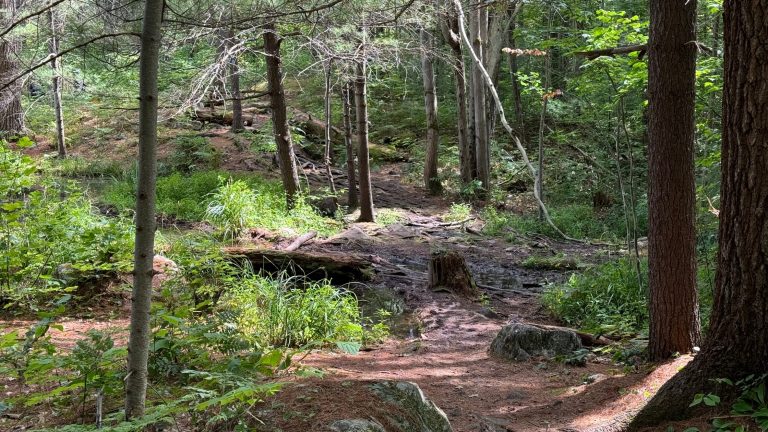
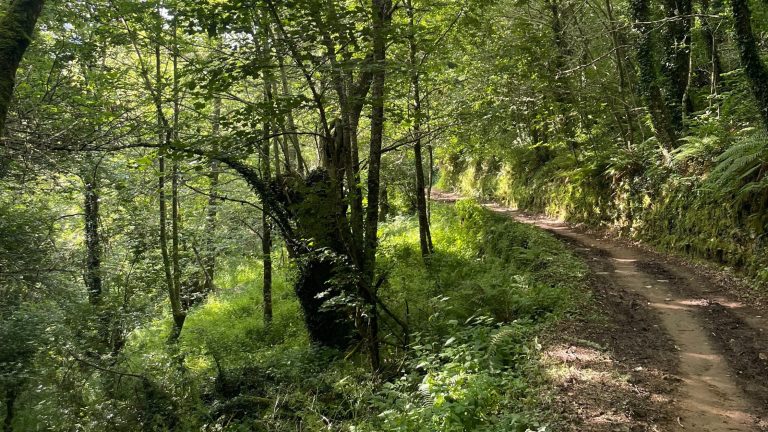
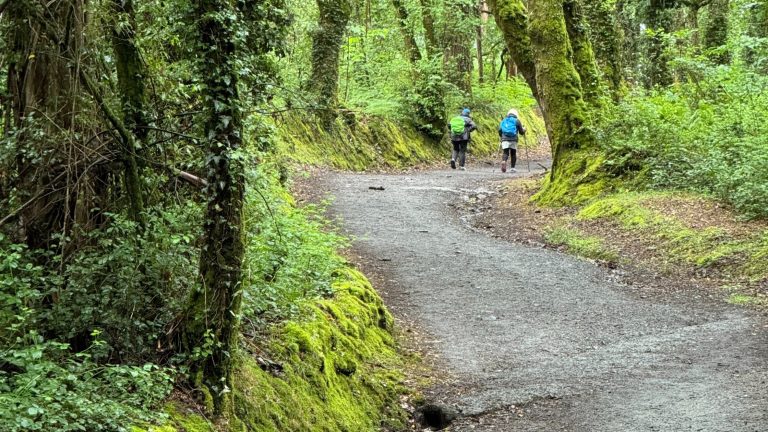
Hiking enthusiasts will delight in the park’s well-maintained trails, which meander through lush woodlands and open fields. Each path reveals stunning vistas and the opportunity to encounter diverse wildlife, making every step a new adventure. The park is also a haven for birdwatchers, with various species gracing the skies throughout the seasons.
As evening falls, the park transforms into a peaceful retreat. Campers can enjoy the starry night sky, with the gentle sounds of nature as their soundtrack. Monson Lake State Park is not just a destination; it is a sanctuary for those seeking a harmonious blend of adventure and relaxation.
Seasons
In spring, Monson Lake State Park’s tranquil waters and vibrant woodlands offer a serene retreat, inviting visitors to hike, fish, and immerse themselves in nature’s awakening.
Embrace the serene beauty of Minnesota’s lakes and forests during the summer months, offering ideal conditions for fishing, hiking, and camping amidst tranquil surroundings.
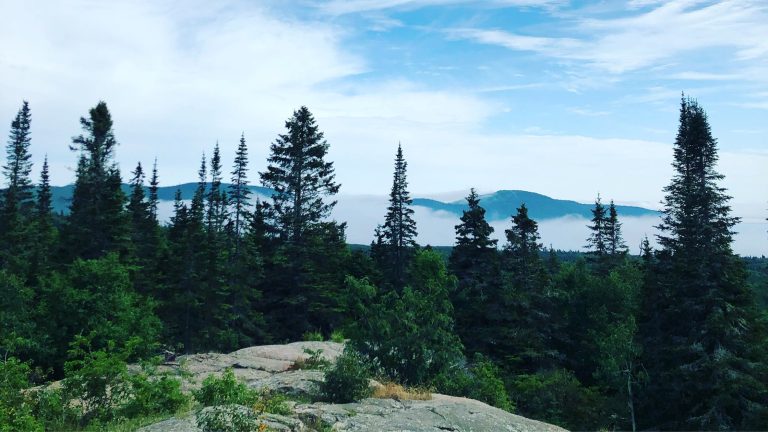
In September, October, and November, the park’s trio of lakes and surrounding forests transform into a vibrant tapestry of autumn hues, offering serene canoeing, fishing, and hiking amidst breathtaking fall foliage.
Embrace the serene beauty of Monson Lake State Park’s winter landscape with snowshoeing across its tranquil trails and fishing through the ice on its frozen lakes during December, January, and February.
Top 3 Facts about Monson Lake State Park
During migration seasons, birdwatchers can witness rare species like the American bittern and the elusive black-crowned night heron, while the park’s unique ecosystem supports endemic plants, making it a hotspot for unusual animal sightings and a vital refuge for diverse wildlife.
In a unique microclimate, some areas experience extreme temperature variations, with recorded differences of up to 30 degrees Fahrenheit within just a few miles, influenced by topography and vegetation, creating distinct habitats that support diverse ecosystems and unusual weather phenomena like sudden storms and localized precipitation.
Known for its unique trail names like “The Beaver Dam Bypass,” this area also boasts records in fishing with the largest walleye caught in 2021, while unusual rules prohibit metal detecting and alcohol consumption, ensuring a family-friendly outdoor experience.
Travel Tips
Plan Ahead
To make the most of your visit, plan ahead by checking the weather and trail conditions before you go. Arrive early to secure parking and enjoy the serene beauty without the crowds, and consider packing a picnic to savor by the water. Don’t forget to bring essentials like sunscreen, bug spray, and plenty of water for a comfortable day outdoors.
Pack Appropriately
When packing for your adventure, include a lightweight fishing net and a pair of water shoes; the park’s pristine lakes offer excellent opportunities for catching fish and exploring rocky shorelines. Don’t forget a portable hammock to relax under the towering pines, as the gentle breeze and serene surroundings create the perfect backdrop for unwinding after a day of hiking or paddling.
Respect Wildlife
When exploring this scenic destination, always respect local wildlife by keeping a safe distance and avoiding feeding animals. Observe their natural behaviors without intrusion, and remember to stick to designated trails to minimize habitat disruption. Carry out all trash to maintain the pristine environment and ensure that future visitors can enjoy the same breathtaking encounters with nature.
Stay Informed
Before your visit, stay informed by checking the weather forecast, current temperatures, and any fire bans or notices. Know the emergency contact information and always inform someone of your destination and expected return time to ensure safety during your outdoor adventure.
Accessibility & permits
Emergency

Planning a trip?
Tell us about your upcoming trip and how we can help!
Frequently Asked Questions
Ready to dive into what Monson Lake State Park has to offer? Let’s tackle some of the burning questions you might have as you plan your visit!
-
Monson Lake State Park offers a range of camping options, including drive-in campsites, walk-in sites, and a group camp area, accommodating both tents and RVs. Facilities include picnic tables, fire rings, and nearby restrooms, making it a great choice for families and outdoor enthusiasts.
-
To reserve campsites at Monson Lake State Park, visit the Minnesota Department of Natural Resources website or call their reservation hotline. Reservations can be made up to a year in advance, and it’s advisable to book early during peak season for the best selection.
-
Fishing opportunities at Monson Lake State Park are abundant, with the park providing access to Monson Lake, known for its populations of northern pike, bass, and panfish. Anglers can enjoy both shore and boat fishing, with a fishing pier available for easy access.
-
Yes, Monson Lake State Park features several hiking trails that wind through diverse landscapes, including wooded areas and lakeshores. Trails vary in difficulty, catering to both casual walkers and more experienced hikers, with scenic views and opportunities for wildlife observation.
-
The history of Monson Lake State Park dates back to its establishment in the 1930s, originally created as a recreational area for local residents. The park’s name honors the nearby Monson Lake, which has been a popular spot for fishing and outdoor activities for generations, reflecting the rich natural heritage of the region.