
Discover breathtaking coastal views and vibrant marine life in this stunning natural paradise.

Discover breathtaking coastal views and vibrant marine life in this stunning natural paradise.
Monterey Bay Park in California stands as a testament to nature’s grandeur, offering visitors an unparalleled blend of coastal beauty and rich biodiversity. This sprawling natural sanctuary invites exploration, with its dramatic cliffs, lush coastal forests, and vibrant marine life. As you stroll along the scenic trails, the sound of waves crashing against the rocks creates a symphony that enhances the park’s serene atmosphere.
Wildlife enthusiasts will find a paradise here, where sea otters playfully frolic in the kelp forests and seals bask lazily on the shore. The park’s diverse ecosystems are home to an array of species, making it a prime location for birdwatching and marine observation. Each turn reveals a new wonder, from tide pools teeming with colorful anemones to breathtaking vistas of the Pacific Ocean.
For those seeking a moment of tranquility, the park offers secluded spots perfect for reflection or a leisurely picnic. As the sun sets, the sky transforms into a canvas of vibrant hues, providing a perfect backdrop to end a day of exploration. Monterey Bay Park is not just a destination; it’s an experience that lingers in the heart.
Seasons
Spring’s arrival transforms the coastal landscape into a vibrant tapestry of blooming wildflowers and lush greenery, inviting visitors to explore its natural beauty.
Experience the allure of Monterey Bay’s summer, where June, July, and August offer mild temperatures, abundant sunshine, and a plethora of cultural events, making it an ideal destination for outdoor enthusiasts and festival-goers alike.
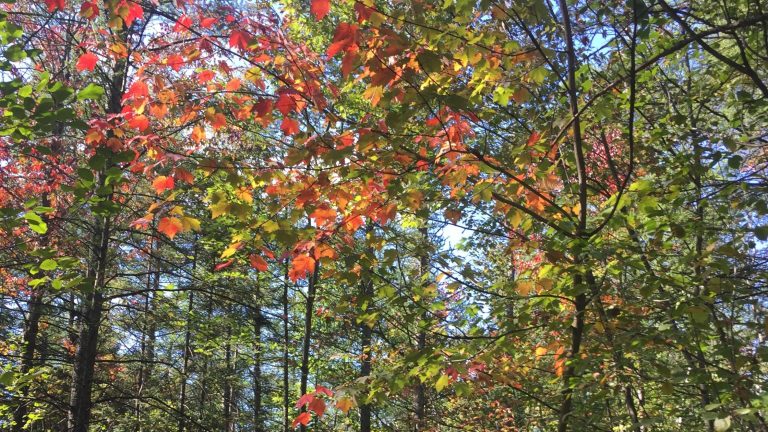
Experience the allure of Monterey Bay in fall, where warm, sun-kissed days and vibrant cultural events await, offering a serene escape from the summer crowds.
Winter in Monterey offers a serene coastal escape with mild temperatures fewer crowds and festive events like Ice Skating by the Bay and Christmas on the Wharf making December through February ideal for a tranquil getaway
Top 3 Facts about Monterey Bay Park
During the spring, rare sightings of the endangered blue whale occur along the coast, where these massive creatures migrate to feed on abundant krill, showcasing the region’s unique biodiversity and providing an extraordinary opportunity for wildlife enthusiasts to witness one of nature’s most magnificent spectacles.
Monterey Bay experiences a unique microclimate where cool ocean breezes meet warm inland air, creating dense fog that can dramatically reduce visibility and influence local ecosystems, while simultaneously allowing for the flourishing of diverse marine life just offshore, showcasing the intricate balance of coastal weather patterns.
Known for its unique outdoor sports records, this park boasts the longest running trail named “The Rattlesnake Run,” while unusual rules prohibit kite flying and fishing in certain areas, ensuring a serene experience amidst the stunning landscapes that attract adventure enthusiasts.
Travel Tips
Plan Ahead
To fully enjoy your visit to this stunning coastal destination, plan ahead by checking tide schedules and weather forecasts. Arrive early to secure parking and explore popular trails before the crowds. Consider packing a picnic to savor amidst the breathtaking views, and don’t forget your binoculars for wildlife watching—this area is a haven for marine life and bird enthusiasts.
Pack Appropriately
When visiting this stunning coastal region, pack layers to adapt to the unpredictable microclimates. Mornings often start chilly with fog, giving way to warmer afternoons. Don’t forget binoculars for whale watching or spotting sea otters, and a reusable water bottle to stay hydrated while exploring the scenic trails. The diverse terrain offers both beach and forest experiences, so sturdy footwear is essential.
Respect Wildlife
When exploring this coastal gem, always maintain a respectful distance from wildlife. Observing animals like sea otters and elephant seals from afar ensures their natural behaviors remain undisturbed. Remember, feeding wildlife is prohibited and harmful; instead, enjoy their beauty through your binoculars or camera lens. Embrace the opportunity to learn about these creatures while preserving their habitat for future generations.
Stay Informed
Before your visit, stay informed by checking the weather forecast, current temperatures, and any fire bans or notices. Ensure you know emergency contact information and tell someone your destination and expected return time to enhance your safety and enjoyment.
Accessibility & permits
Emergency

Planning a trip?
Tell us about your upcoming trip and how we can help!




Frequently Asked Questions
Ready to dive into what Monterey Bay Park has to offer? Let’s tackle some of the burning questions you might have as you plan your visit!
-
What are the best hiking trails in Monterey Bay Park? The best hiking trails in Monterey Bay Park include the scenic Monterey Bay Coastal Trail, which offers stunning ocean views and is perfect for all skill levels. The Pinnacles National Park trails, such as the Condor Gulch Trail and High Peaks Trail, provide breathtaking vistas and unique rock formations. Additionally, the Moss Landing State Beach trail offers a more relaxed walk along the shoreline, ideal for families.
-
How to get to Monterey Bay Park from San Francisco? To get to Monterey Bay Park from San Francisco, take US-101 S to CA-156 W, then merge onto CA-1 S. The drive takes approximately 2 hours, depending on traffic. Alternatively, consider taking public transportation via Amtrak or Greyhound, which offer routes to nearby cities, followed by local transit options to the park.
-
Are there guided tours available in Monterey Bay Park? Yes, there are guided tours available in Monterey Bay Park. Various organizations offer ranger-led tours, including nature walks and educational programs. Additionally, private companies provide guided kayaking and whale-watching tours, allowing visitors to explore the diverse marine life and coastal ecosystems.
-
What wildlife can I see in Monterey Bay Park? In Monterey Bay Park, visitors can see a variety of wildlife, including sea otters, harbor seals, and numerous species of birds such as pelicans and eagles. During certain seasons, whale watching is popular, with gray and humpback whales frequently spotted. The park’s diverse habitats support a rich array of flora and fauna.
-
What are the park’s operating hours and entrance fees? Monterey Bay Park is open year-round, with operating hours typically from sunrise to sunset. Entrance fees vary by location within the park; some areas are free, while others may charge a nominal fee for parking or access. Always check the official park website for the most current information on fees and hours.