Uncover the ancient mysteries of Florida's captivating Calusa Indian civilization in this serene paradise.
Uncover the ancient mysteries of Florida's captivating Calusa Indian civilization in this serene paradise.
Mound Key Archaeological State Park, a hidden gem in Florida’s Estero Bay, invites visitors to explore the rich tapestry of Native American history. This ancient site, once a bustling ceremonial center of the Calusa tribe, boasts a network of earthen mounds that rise dramatically from the surrounding waters. Each mound tells a story, offering a glimpse into the lives of those who inhabited this land long before modern civilization.
As you wander through the park, the lush landscape and serene waterways create a tranquil backdrop for reflection and discovery. Guided tours unveil the fascinating history of the Calusa, emphasizing their sophisticated society and impressive engineering feats. The park’s remote location adds to its allure, allowing for an immersive experience away from the hustle and bustle of everyday life.
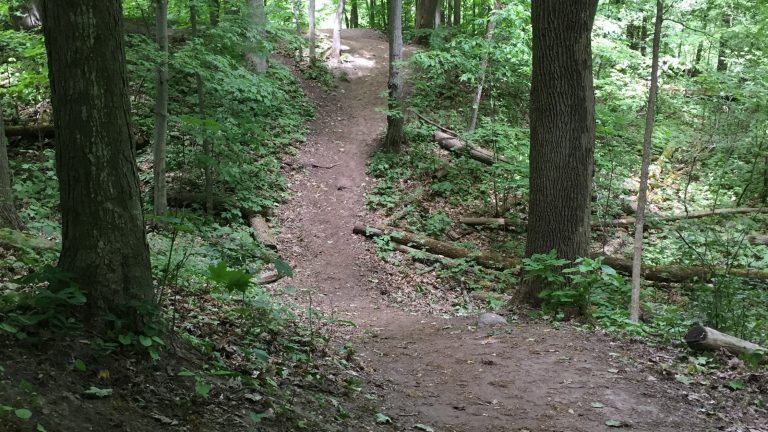
For nature enthusiasts, Mound Key is a paradise. Kayaking through the mangroves reveals a vibrant ecosystem teeming with wildlife, while hiking trails provide opportunities to appreciate the natural beauty of the area. Mound Key Archaeological State Park is not just a destination; it’s a journey into the past, offering a unique blend of history and nature that captivates the spirit.
Seasons
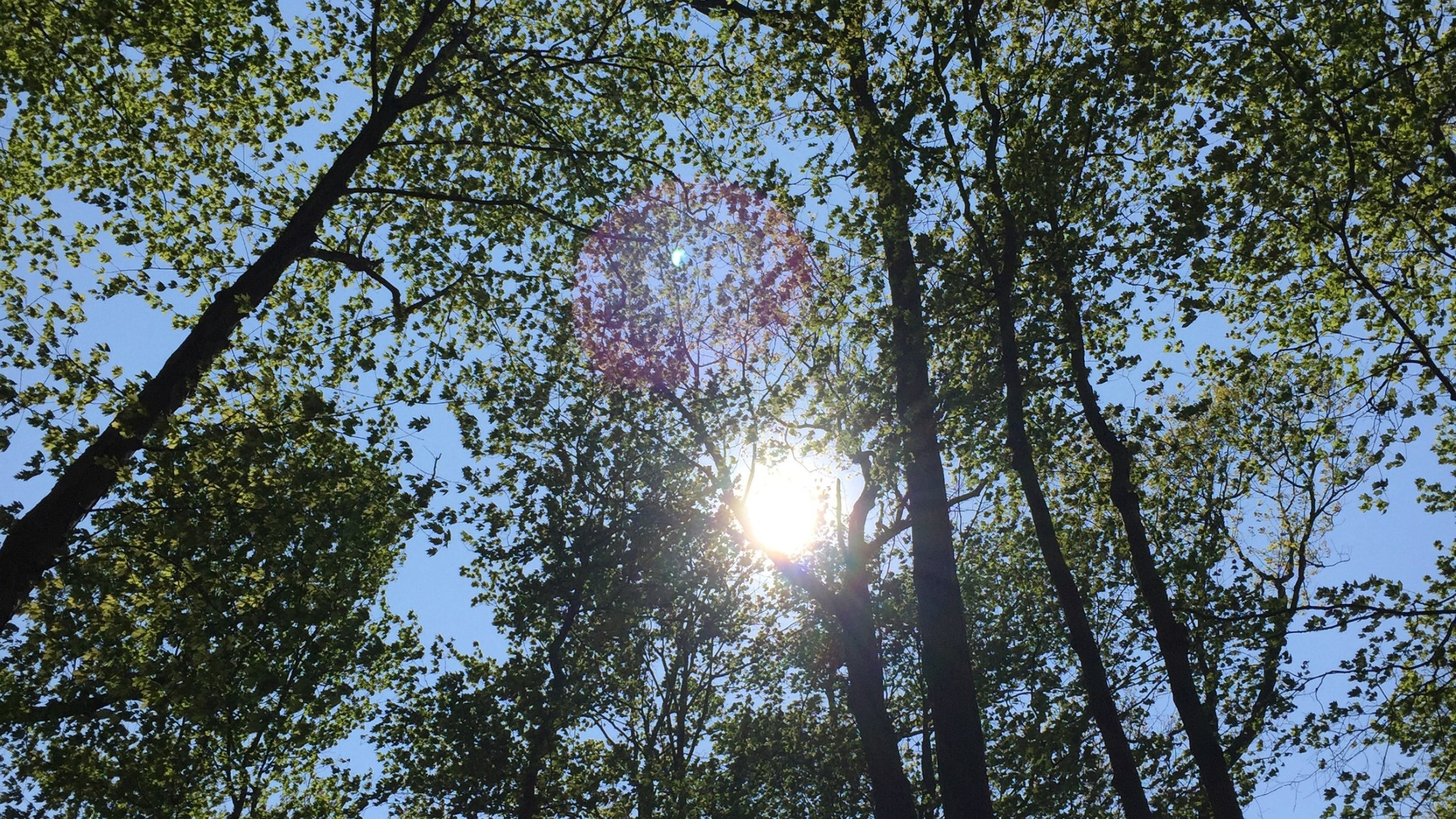
Spring’s gentle breezes and blooming flora invite exploration of this historic island, where ancient shell mounds and lush mangroves offer a serene retreat into Florida’s rich past.
Summer’s warm waters and abundant wildlife make June, July, and August ideal for exploring ancient Calusa mounds and paddling through serene Estero Bay.
In fall, the park offers cooler temperatures and reduced rainfall, ideal for exploring its rich history and diverse wildlife.
In winter, the mild temperatures and low humidity of December, January, and February make exploring the island’s rich history and natural beauty a comfortable and enjoyable experience.
Top 3 Facts about Mound Key Archaeological State Park
This unique site is a crucial stop for migratory birds, showcasing rare species like the Florida panther and the elusive manatee, while also hosting unusual animal sightings such as the vibrant painted bunting, which is known for its striking colors and limited range.
Mound Key Archaeological State Park experiences unique microclimates, where the interplay of coastal winds and inland topography can create sudden temperature shifts and localized storms, leading to unusual weather phenomena that can influence both the ecosystem and archaeological preservation.
Known for its historical significance, this site boasts the first recorded canoe trail in Florida, features the bizarrely named “Shell Mound Loop,” and prohibits metal detecting, ensuring that the archaeological integrity remains intact while visitors explore its unique natural beauty.
Travel Tips
Plan Ahead
For a seamless visit, plan your trip during the cooler months, ideally from November to March, when temperatures are more pleasant. Arrive early to explore the trails and enjoy the serene landscape before the crowds, and don’t forget to pack water, snacks, and sunscreen to enhance your experience in this beautiful natural setting.
Pack Appropriately
Pack a lightweight, waterproof bag to protect your belongings from sudden rain showers common in Florida’s subtropical climate. Don’t forget to include insect repellent, as the park’s lush surroundings attract mosquitoes, especially during the warmer months. Comfortable walking shoes are essential for exploring the trails, while a reusable water bottle will keep you hydrated as you soak in the area’s rich history.
Respect Wildlife
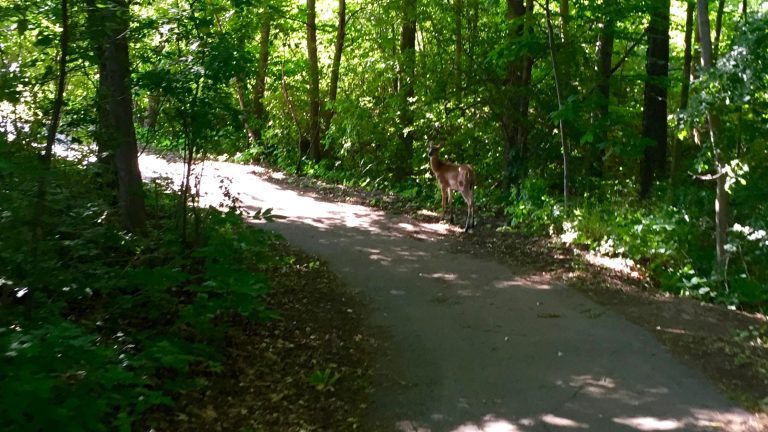
When exploring this historic site, prioritize wildlife respect by observing animals from a distance and refraining from feeding them. Keep noise levels low to avoid startling the diverse species that inhabit the area, and stick to marked trails to protect their natural habitats. Remember, your actions contribute to the preservation of this unique ecosystem and ensure future visitors can enjoy its beauty.
Stay Informed
Before visiting, stay informed by checking the weather, temperatures, and any fire bans or notices. Know emergency contact information and share your plans with someone, including your destination and expected return time, to ensure your safety and preparedness during your outdoor adventure.
Accessibility & permits
Emergency

Planning a trip?
Tell us about your upcoming trip and how we can help!
Frequently Asked Questions
Ready to dive into what Mound Key Archaeological State Park has to offer? Let’s tackle some of the burning questions you might have as you plan your visit!
-
To reach Mound Key Archaeological State Park by boat, you can launch from nearby locations such as the Estero River or the Caloosahatchee River. The park is accessible via the waters of Estero Bay, and it is advisable to consult local boating maps for the best routes and navigation tips. Keep an eye out for the marked channels to ensure a safe passage.
-
Yes, guided tours are available at Mound Key Archaeological State Park. These tours often focus on the rich history and archaeological significance of the site, providing insights into the Calusa Indians who once inhabited the area. Check with local tour operators for scheduling and availability.
-
Mound Key Archaeological State Park is home to a variety of wildlife, including birds like ospreys and herons, as well as marine life such as dolphins and manatees. The diverse ecosystems offer opportunities for birdwatching and observing natural flora and fauna.
-
Camping is not permitted at Mound Key Archaeological State Park. The park is primarily focused on preservation and education, so visitors are encouraged to explore during the day and return to nearby campgrounds or accommodations for overnight stays.
-
Mound Key Archaeological State Park has a rich history as it was once the ceremonial and political center of the Calusa Indians, who thrived in Southwest Florida for over a thousand years. The park features ancient mounds built from shell and earth, reflecting the culture and lifestyle of the Calusa, and offers a glimpse into the region’s pre-Columbian history.