
Discover the enchanting blend of history and nature in Florida's hidden gem.






























Discover the enchanting blend of history and nature in Florida's hidden gem.
Paynes Creek Historic State Park offers a captivating glimpse into Florida’s rich history and natural beauty. Located in the heart of the state, this park invites visitors to explore its lush landscapes and serene waterways. The park’s centerpiece, the historic fort, stands as a testament to the region’s past, allowing guests to step back in time and envision the lives of early settlers and soldiers.
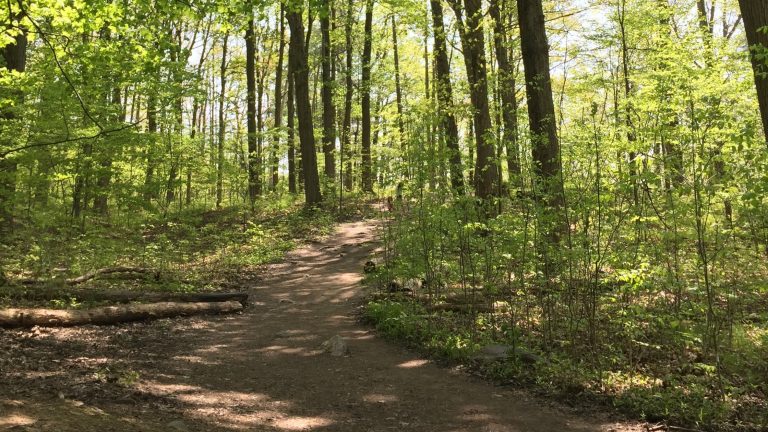
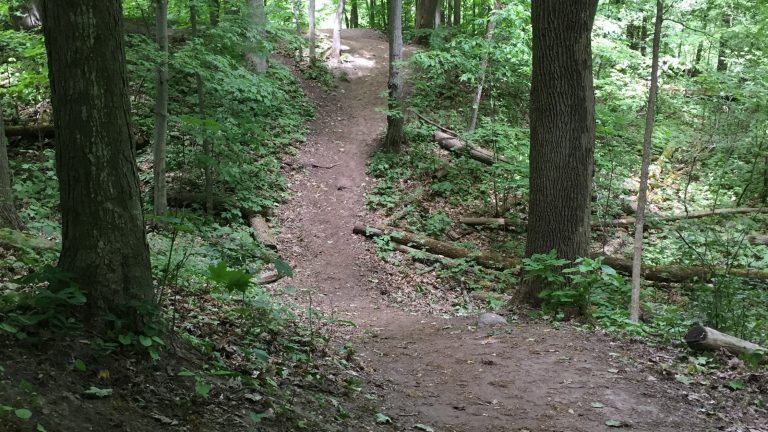
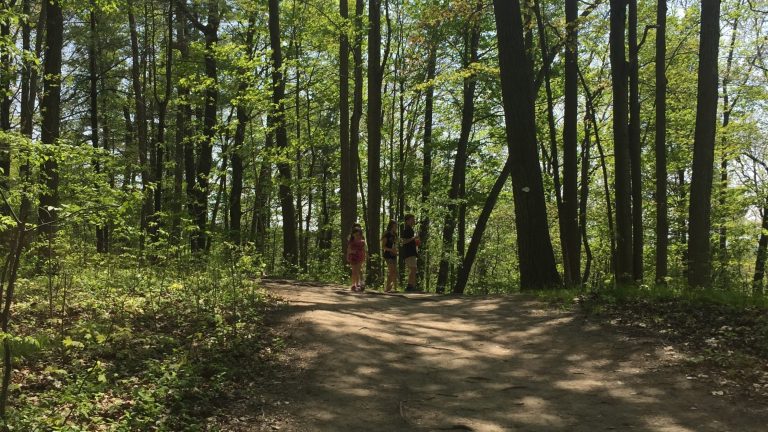
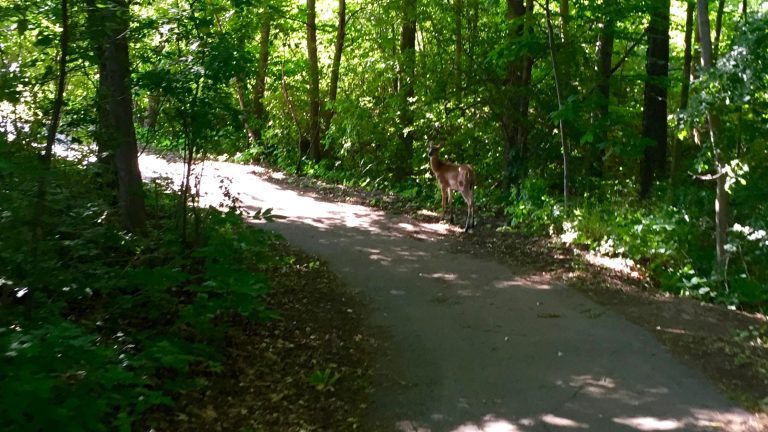
Nature enthusiasts will find themselves enchanted by the diverse ecosystems within the park. With winding trails that meander through vibrant wetlands and towering pines, hikers can immerse themselves in the tranquil surroundings. Birdwatchers will delight in spotting rare species, while kayakers can glide along the peaceful waters of Paynes Creek, taking in the stunning scenery from a unique perspective.
Whether you seek adventure or a peaceful retreat, Paynes Creek Historic State Park provides an idyllic escape. Its combination of history, wildlife, and breathtaking landscapes makes it a must-visit destination for discerning travelers eager to experience the unspoiled charm of Florida.
Seasons
Spring’s mild temperatures and vibrant flora make it an ideal season to explore the park’s rich history and diverse ecosystems, offering a refreshing escape into nature’s embrace.
Summer’s warm temperatures and abundant sunshine make June, July, and August ideal for exploring the park’s rich history, diverse wildlife, and engaging outdoor activities.
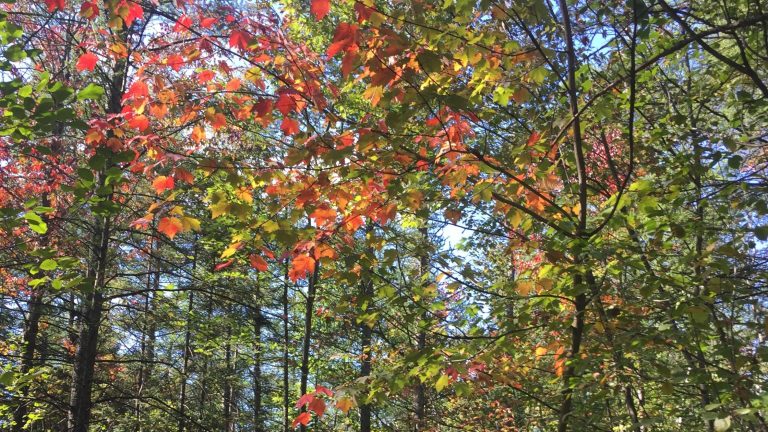
In fall, cooler temperatures and vibrant foliage enhance hiking, birding, and paddling along the Peace River, offering a serene escape from the summer heat.
Winter’s mild and dry climate offers ideal conditions for hiking, paddling, and birding, allowing visitors to explore the park’s rich history and natural beauty without the summer heat and humidity.
Top 3 Facts about Paynes Creek Historic State Park
This unique area is home to rare species like the endangered Florida panther and offers remarkable animal migration events, where thousands of birds traverse the region, providing an extraordinary opportunity for wildlife enthusiasts to witness the intricate patterns of nature’s seasonal rhythms.
In Florida’s unique microclimate, temperatures can vary dramatically within small areas, leading to sudden thunderstorms that can produce intense rainfall and lightning, contributing to the region’s rich biodiversity and creating a fascinating interplay between weather phenomena and the local ecosystem.
Known for its unique trail names like “Whispering Pines” and “Gator Alley,” this park also prohibits activities such as hunting and motorized vehicles, ensuring a serene environment for outdoor enthusiasts while celebrating records in canoeing and kayaking on its scenic waterways.
Travel Tips
Plan Ahead
Planning ahead is essential for a seamless visit to this historic gem in Florida. Check the weather and pack accordingly, as trails can get muddy and bugs can be plentiful. Arrive early to secure parking and enjoy the serene surroundings before crowds arrive. Don’t forget to bring plenty of water and snacks to keep your energy up while exploring the beautiful landscapes.
Pack Appropriately
When packing for your visit, include a lightweight, waterproof bag to protect your belongings from sudden rain showers common in Florida’s subtropical climate. Also, bring insect repellent to fend off mosquitoes, especially during dawn and dusk, as the lush surroundings can attract these pesky critters.
Respect Wildlife
When exploring this pristine natural area, always maintain a respectful distance from wildlife. Avoid feeding animals, as it disrupts their natural behaviors and can lead to dangerous encounters. Bring binoculars for a closer look at the diverse bird species and other inhabitants, ensuring you leave no trace while enjoying the beauty of their habitat.
Stay Informed
Before your visit, stay informed by checking the weather forecast, current temperatures, and any fire bans or notices. Ensure you know emergency contact information and tell someone your destination and expected return time. This preparation helps ensure a safe and enjoyable experience in the great outdoors.
Accessibility & permits
Emergency

Planning a trip?
Tell us about your upcoming trip and how we can help!
Frequently Asked Questions
Ready to dive into what Paynes Creek Historic State Park has to offer? Let’s tackle some of the burning questions you might have as you plan your visit!
-
Park operating hours at Paynes Creek Historic State Park are typically from 8 AM to sunset, allowing visitors to enjoy the natural beauty throughout the day. Admission fees are $3 per vehicle, which covers up to eight people, making it an affordable option for families and groups.
-
Camping is not available at Paynes Creek Historic State Park. However, visitors can explore nearby campgrounds for overnight stays, ensuring a full experience of the area’s natural surroundings.
-
At Paynes Creek Historic State Park, you can enjoy a variety of activities including hiking along scenic trails, birdwatching, fishing in the creek, and exploring historical sites related to the area’s rich heritage. Kayaking and canoeing are also popular activities on the water.
-
Pets are allowed in the park but must be kept on a leash and cleaned up after. This makes it a great destination for pet owners looking to enjoy the outdoors with their furry friends.
-
The history of Fort Chokonikla at Paynes Creek Historic State Park dates back to the Second Seminole War in the 1830s. The fort served as a military outpost and played a crucial role in the conflicts between the U.S. government and the Seminole people. Today, remnants of the fort can be explored, offering a glimpse into the past and the significance of the area.