Discover serene fishing spots and breathtaking landscapes in this hidden natural gem.



Discover serene fishing spots and breathtaking landscapes in this hidden natural gem.
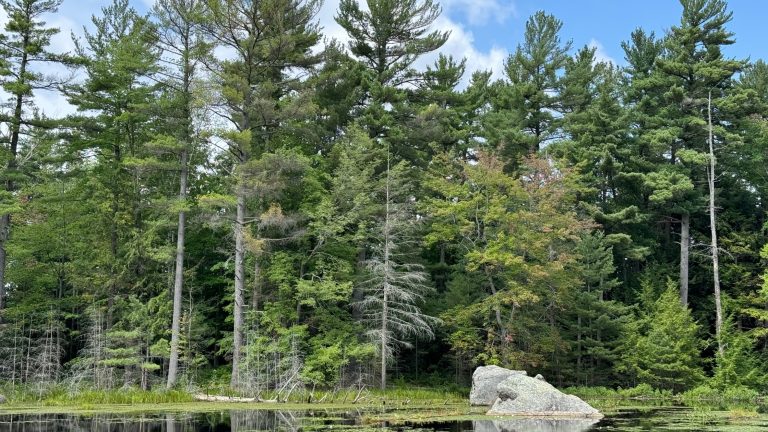
Powerton Lake State Fish and Wildlife Area in Illinois is a hidden gem for nature enthusiasts and anglers alike. Spanning over 1,500 acres, this expansive area offers a serene escape from the hustle and bustle of daily life. The shimmering waters of Powerton Lake attract a diverse array of wildlife, making it a prime location for birdwatching and photography. Visitors can expect to encounter migratory birds, including herons and egrets, against a backdrop of lush greenery and vibrant wildflowers.
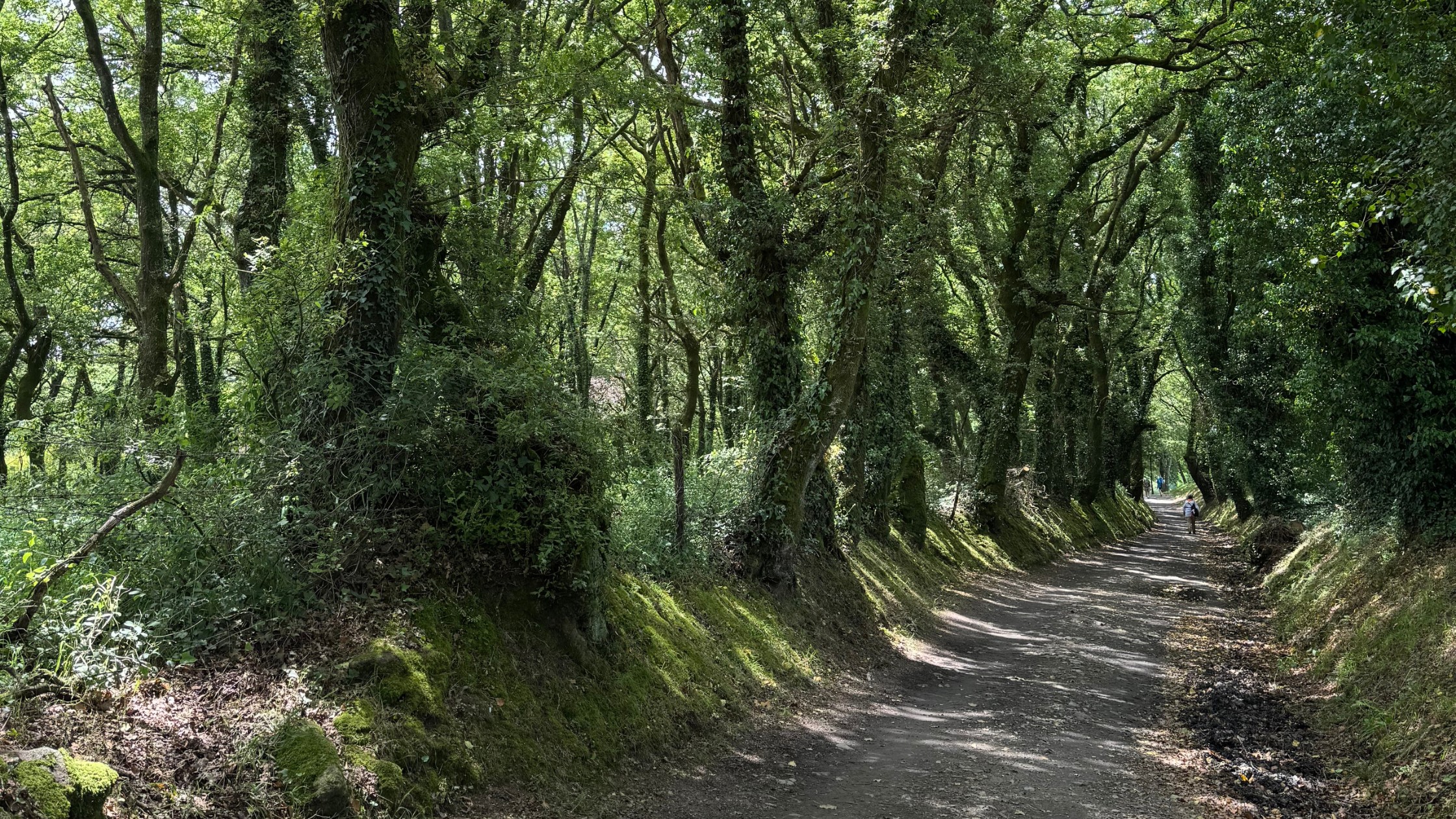
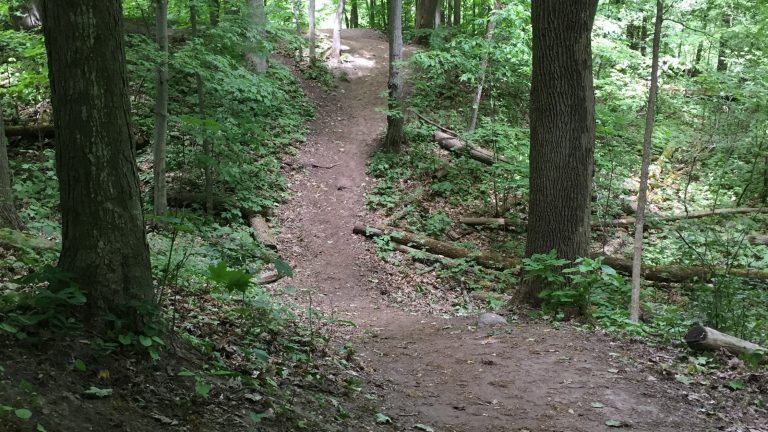
Fishing enthusiasts will find Powerton Lake particularly inviting, as it is stocked with a variety of species including bass, catfish, and bluegill. The well-maintained fishing areas provide ample opportunity for both seasoned anglers and newcomers to enjoy a peaceful day on the water. For those seeking adventure, the park offers hiking trails that wind through picturesque landscapes, allowing guests to fully immerse themselves in nature.
As the sun sets over the lake, the tranquil ambiance transforms into a breathtaking spectacle. Powerton Lake State Fish and Wildlife Area is not just a destination; it is an experience that captures the essence of the great outdoors, making it a must-visit for anyone seeking a luxurious retreat into nature.
Seasons
In spring, the 1,426-acre lake offers excellent fishing opportunities, including abundant bluegill and smallmouth bass, and is a prime spot for birdwatching, with sightings of over 170 species.
In the summer months, the warm waters of this 1,426-acre cooling reservoir create ideal conditions for fishing enthusiasts, offering abundant opportunities to catch species like blue catfish and hybrid stripers.
In fall, the park’s vibrant foliage and abundant wildlife offer a serene retreat, with September’s mild temperatures, October’s colorful landscapes, and November’s tranquil ambiance enhancing outdoor activities.
In winter, the lake’s warm waters attract anglers seeking hybrid stripers, while birdwatchers delight in observing bald eagles and other waterfowl amidst serene landscapes.
Top 3 Facts about Powerton Lake State Fish and Wildlife Area
During migration seasons, rare sightings of the endangered American bittern and the elusive black-crowned night heron occur, showcasing the area’s unique biodiversity, while the annual gathering of thousands of waterfowl creates a spectacular natural event, attracting birdwatchers and nature enthusiasts alike.
The area is known for its unique microclimates, where temperature variations can be extreme due to nearby water bodies, resulting in unusual weather patterns; for instance, localized thunderstorms can develop rapidly, creating a stark contrast in conditions just a few miles apart.
Known for its unique trail named “The Crooked Walk,” this area also boasts a record for the largest bass caught in the region, while unusual rules prohibit the use of certain bait types and ban swimming, ensuring a focus on fishing and wildlife observation.
Travel Tips
Plan Ahead
To make the most of your visit, plan ahead by checking weather conditions and park regulations. Arrive early to secure a prime spot for fishing or hiking, and pack essentials like water, snacks, and sunscreen. Familiarize yourself with the trails and fishing areas to enhance your experience, ensuring a day filled with adventure and relaxation in the great outdoors.
Pack Appropriately
When packing for your visit, include waterproof gear and insect repellent; the area’s diverse wetlands can lead to unexpected rain and pesky mosquitoes. A lightweight, portable chair enhances your fishing experience, allowing you to relax comfortably while enjoying the serene surroundings and abundant wildlife.
Respect Wildlife
When exploring this beautiful area, always keep a respectful distance from wildlife. Observe animals quietly without disturbing their natural behaviors, and never feed them, as human food can harm their health. Carry binoculars for a closer look, and remember to leave no trace behind to preserve the habitat for future generations.
Stay Informed
Before your visit, stay informed by checking the weather forecast, temperatures, and any fire bans or notices. Make sure to know emergency contact information and inform someone about your destination and expected return time to ensure safety.
Accessibility & permits
Emergency

Planning a trip?
Tell us about your upcoming trip and how we can help!

Frequently Asked Questions
Ready to dive into what Powerton Lake State Fish and Wildlife Area has to offer? Let’s tackle some of the burning questions you might have as you plan your visit!
-
Powerton Lake’s fishing regulations include a daily limit of 6 fish for most species, with specific size limits for certain fish like largemouth bass and crappie. Anglers must possess a valid Illinois fishing license and adhere to seasonal restrictions for certain species.
-
Yes, camping is available at Powerton Lake, with designated campsites that offer basic amenities. Reservations may be required during peak seasons, and facilities include picnic tables and fire pits.
-
Wildlife at Powerton Lake includes a variety of birds such as herons, egrets, and waterfowl, along with mammals like deer and raccoons. The area is also known for its rich aquatic life, making it a great spot for wildlife observation.
-
Pets are allowed at Powerton Lake but must be kept on a leash at all times. Owners are responsible for cleaning up after their pets to maintain the park’s cleanliness and safety.
-
Powerton Lake operates from sunrise to sunset year-round, with specific seasonal hours for fishing and camping that may vary. It’s advisable to check local regulations or the park’s website for any updates.