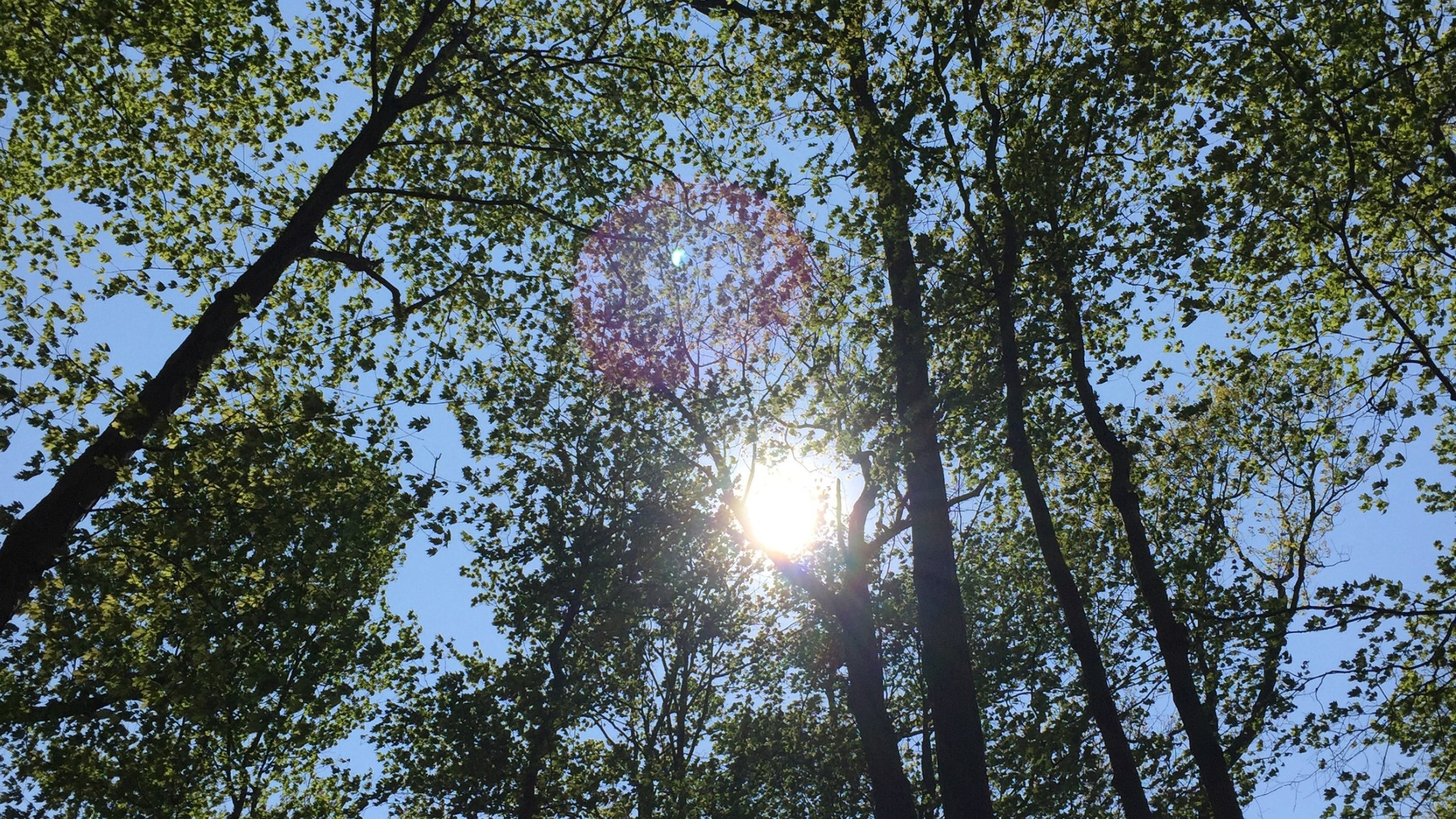
Discover breathtaking landscapes and serene wildlife in this hidden gem of nature.
Discover breathtaking landscapes and serene wildlife in this hidden gem of nature.
Reed Island State Park in Washington offers an exquisite escape into nature’s embrace, where the serenity of the Columbia River meets lush forested landscapes. This hidden gem, accessible only by boat, invites adventurers and tranquility seekers alike to explore its pristine shores and vibrant ecosystems. As you step onto the island, the gentle sounds of water lapping against the rocks create a soothing backdrop, perfect for unwinding from the hustle of daily life.
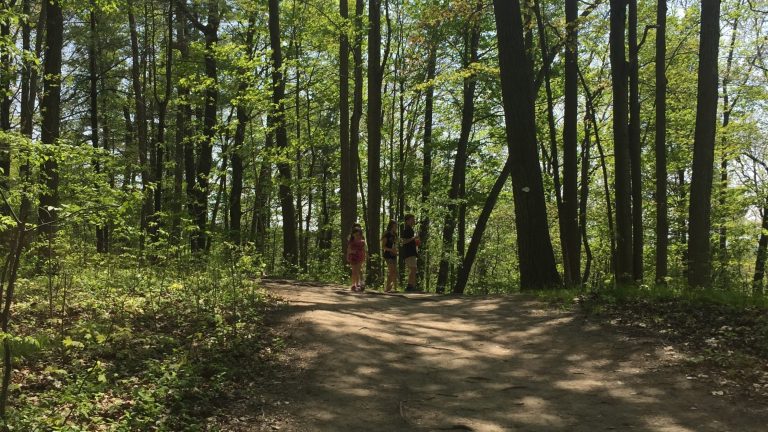
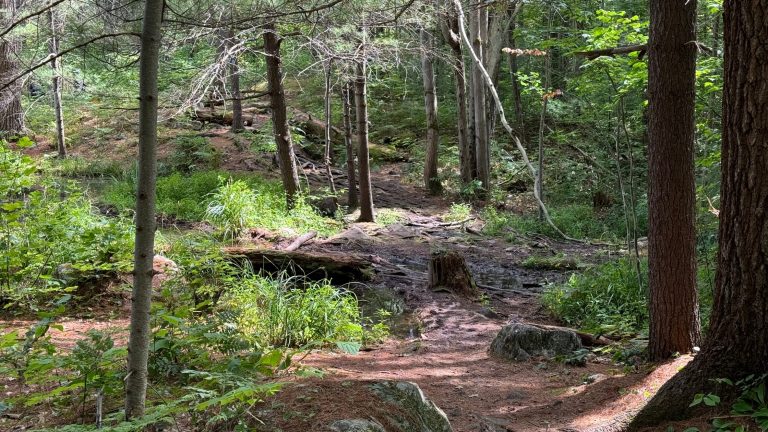
The park’s diverse terrain provides ample opportunities for hiking, picnicking, and wildlife observation. Wander through trails that reveal stunning vistas, where the interplay of light and shadow dances across the forest floor. Birdwatchers will delight in spotting various species, while kayakers can glide along the river, taking in the breathtaking scenery from a unique vantage point.
As the sun sets, the park transforms into a canvas of colors, inviting visitors to linger a little longer. Reed Island State Park is not just a destination; it is an experience that rejuvenates the spirit and connects you with the natural world.
Seasons
In spring, Reed Island State Park offers a serene escape with its sandy beaches, grassy meadows, and abundant birdlife, making it an ideal destination for nature enthusiasts seeking tranquility.
In the summer months, the warm weather and extended daylight hours create an ideal setting for boating, beach exploration, and bird watching, making June, July, and August the perfect time to visit.
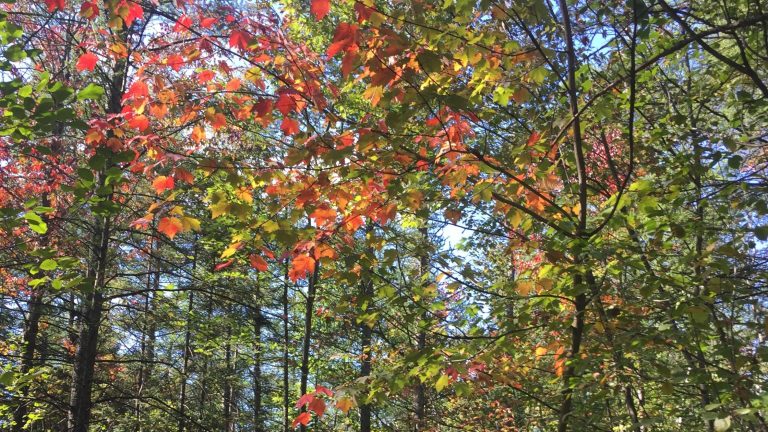
As autumn paints the Columbia River with vibrant hues, September through November offer serene boat-in access, tranquil beaches, and abundant birdwatching opportunities on this secluded island.
Embrace the serene beauty of winter’s embrace as you boat to this secluded island, where crisp air and tranquil waters offer a peaceful retreat from the everyday hustle.
Top 3 Facts about Reed Island State Park
One fascinating aspect of wildlife in this region is the annual migration of rare bird species, which attract avid birdwatchers, while the presence of endemic plants supports unique ecosystems, showcasing the delicate balance of biodiversity and the importance of conservation efforts to protect these extraordinary habitats.
An intriguing phenomenon occurs when intense storms create microclimates, leading to sudden temperature drops and localized flooding, while the unique geography of the area can amplify these effects, resulting in dramatic weather changes that can be both fascinating and challenging for local ecosystems.
Known for its unique trail names like “Screaming Eagle” and “Whispering Pines,” this area also prohibits the use of motorized vehicles, ensuring a peaceful experience for hikers and nature enthusiasts, while setting records for the highest number of bird species spotted in one visit.
Travel Tips
Plan Ahead
To make the most of your visit, plan ahead by checking trail conditions and weather forecasts. Arrive early to secure parking, and consider packing a picnic to enjoy at one of the scenic spots. Don’t forget to bring plenty of water and sunscreen, as well as a camera to capture the breathtaking views and wildlife encounters that await you.
Pack Appropriately
When preparing for your trip, include a pair of waterproof shoes in your gear. The park’s coastal terrain can be muddy and slippery, especially after rain, and these shoes will keep you comfortable as you explore the lush trails and stunning waterfront views. Don’t forget to pack a lightweight rain jacket, as the Pacific Northwest weather can change unexpectedly.
Respect Wildlife
When visiting, keep a safe distance from wildlife to avoid disturbing their natural behavior. Use binoculars for a closer look at birds and other animals, and never feed them, as this can alter their natural foraging habits. Stay on marked trails to protect habitats and ensure a respectful experience for both visitors and the diverse species that call this area home.
Stay Informed
Before your visit, stay informed by checking the weather, temperatures, and any fire bans or notices. Ensure you know the emergency contact information and always inform someone about your destination and expected return time to keep everyone safe.
Accessibility & permits
Emergency

Planning a trip?
Tell us about your upcoming trip and how we can help!
Frequently Asked Questions
Ready to dive into what Reed Island State Park has to offer? Let’s tackle some of the burning questions you might have as you plan your visit!
-
To reach Reed Island State Park, take Highway 14 along the Columbia River, then follow the signs to the park entrance. Access is primarily by boat, as the island is not connected to the mainland by road. Check local ferry schedules or arrange for a private boat for your visit.
-
Camping is allowed at Reed Island State Park, but it is limited to designated areas. Reservations may be required during peak seasons, so it’s advisable to check availability ahead of time. Facilities are basic, so come prepared with your own gear.
-
Activities available at Reed Island include hiking, birdwatching, and fishing. The park’s natural beauty makes it ideal for nature walks, and the waters around the island offer opportunities for kayaking and canoeing.
-
Pets are permitted at Reed Island State Park, but they must be kept on a leash and cleaned up after. Ensure your pet is comfortable with outdoor activities and the presence of other visitors.
-
Facilities at Reed Island State Park are minimal, featuring picnic tables and restrooms. There are no developed campgrounds, so visitors should bring their own supplies and be prepared for a rustic experience.