

Bison, Black Bears, Clear Lake, and Prairie Wilderness Year-Round
Bison, Black Bears, Clear Lake, and Prairie Wilderness Year-Round
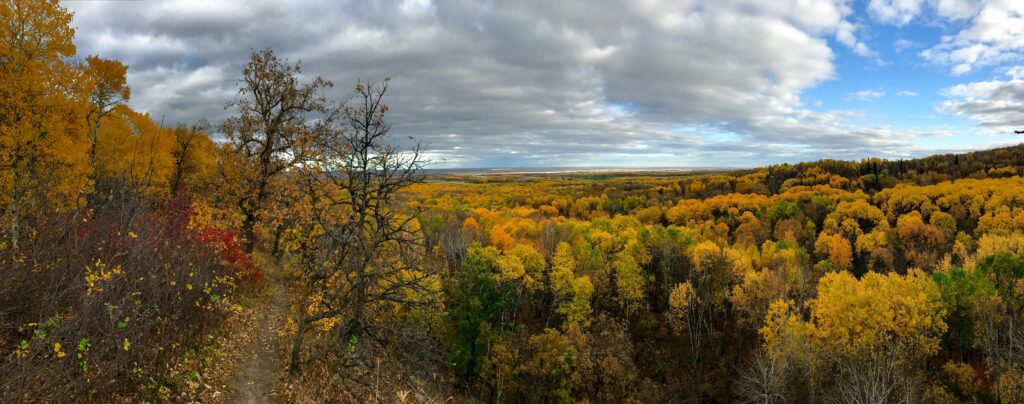
Driving through the flat agricultural plains of southwestern Manitoba, the sudden rise of the Manitoba Escarpment announces Riding Mountain National Park with the dramatic effect of a landscape shift most visitors don’t expect. The park rises more than 457 metres above the surrounding farmland, and once inside its boundaries, the prairie outside essentially disappears, replaced by 2,969 square kilometres of boreal forest, aspen parkland, eastern deciduous woodland, and wetland ecosystems that support a wildlife roster almost impossibly rich for its latitude and accessibility.
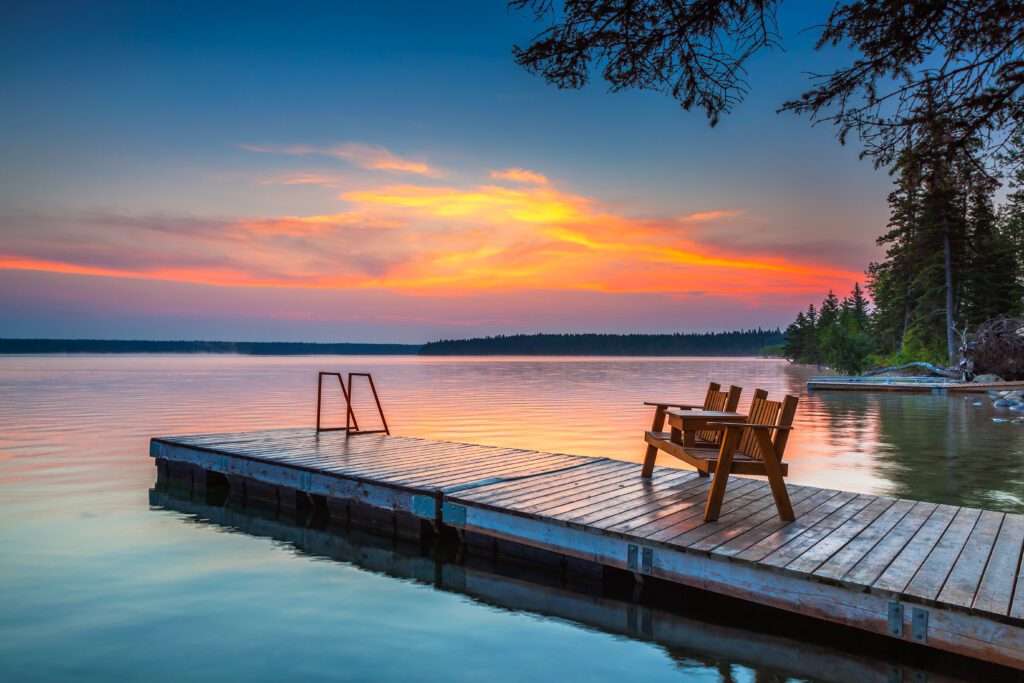
Wasagaming, the park’s charming resort townsite on the southern shore of Clear Lake, is the organizing centre for most visits. One of only five national parks in Canada with an active townsite, Wasagaming delivers a distinctive mix of boutique shops, restaurants, a golf course, boat rentals, and a boardwalk along the lake that makes a summer evening here feel genuinely festive. Clear Lake itself is ideal for family swimming, sailing, and paddling; its clear, calm waters offer excellent conditions for kayaks, canoes, and paddleboards. The lake is open to unlimited-horsepower boating in designated areas, with boat and canoe rentals available at the marina.
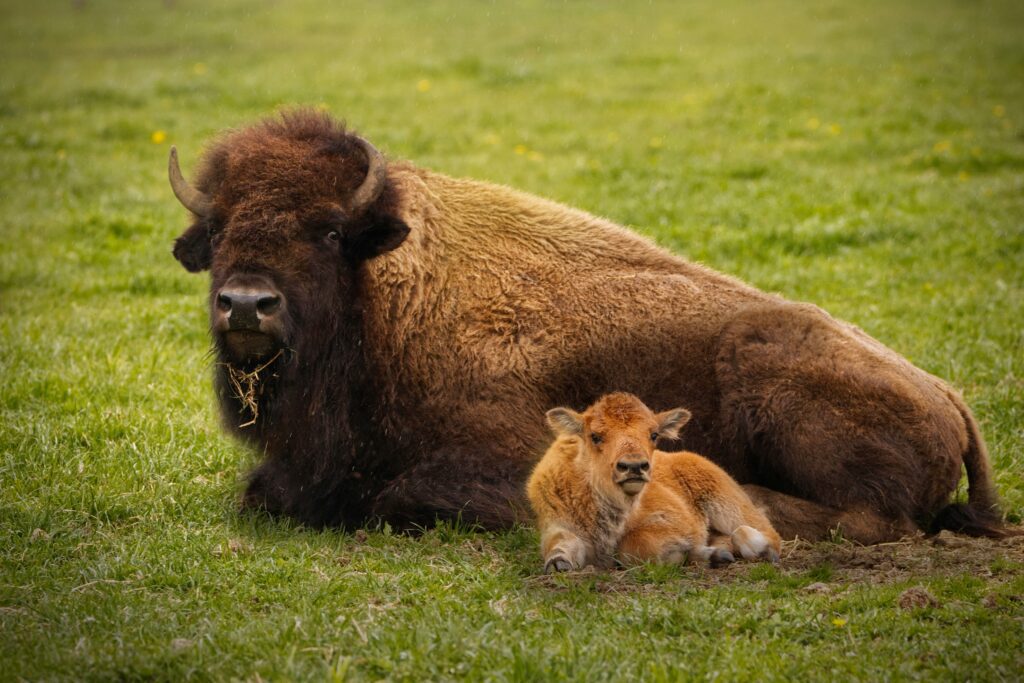
Beyond Wasagaming, over 400 kilometres of trails connect backcountry wilderness to scenic day hikes accessible within minutes of the townsite. Grey Owl’s Cabin, one of the most storied backcountry destinations in Canadian national parks, can be reached by a 20-kilometre return hike through old-growth boreal forest; the cabin was home to the celebrated but complicated conservationist who influenced an entire generation of Canadians’ relationship with the natural world. The Lake Audy plains in the park’s interior maintain a managed herd of plains bison, making Riding Mountain one of the few places in Canada where visitors can observe bison on the open grasslands from an accessible viewpoint and drive.
The park holds one of the largest black bear populations in Canada, and bear sightings are realistic on most multi-day visits. Elk, moose, timber wolves, beavers, and over 260 bird species round out a wildlife roster that sustains wildlife photography throughout the year. The park is a UNESCO Biosphere Reserve. Winter brings snowshoeing, cross-country skiing on hundreds of kilometres of groomed and tracked trails, ice fishing on Clear Lake, and fat biking through the forest on rentable bikes available from the park’s Friends Learning Centre.
Families find Riding Mountain exceptional for multi-day visits built around the accessible Wasagaming beach, short nature trails, and ranger-led wildlife programs. Multi-generational groups appreciate the townsite’s restaurants and amenities alongside the wilderness available just minutes from the boardwalk. Pet-first travelers should note that leashed dogs are permitted in developed areas, campgrounds, and some trails, but are not allowed on beaches, in public buildings, or in the backcountry; confirm current rules at parks.canada.ca/riding before visiting.
The communities of Wasagaming and Dauphin, along with a number of private operations near the park’s boundaries, offer vacation rentals and cabin stays that complement the park experience. Cozy lakeside properties near Clear Lake, larger vacation homes with full kitchens and fire pits, and comfortable cottages in the surrounding area sleep groups comfortably and deliver beautiful views of the escarpment forest. Book your accommodations near Riding Mountain National Park through Lake.com.
Seasons
Spring brings mild weather, blooming wildflowers, and excellent wildlife viewing as animals emerge from hibernation.
Summer offers warm temperatures, long daylight hours, and activities like hiking, biking, horseback riding, swimming, kayaking, and wildlife spotting.
Fall features crisp air, vibrant autumn foliage, and wildlife viewing opportunities, ideal for hiking and scenic drives.
Winter is ideal for cross-country skiing, snowshoeing, winter hiking, ice fishing, skating, and enjoying snowy landscapes in tranquility.
Top 3 Facts about Riding Mountain National Park
Riding Mountain National Park covers 2,969 square kilometres in southwestern Manitoba and is the province’s only national park. The park rises more than 457 metres above the surrounding agricultural plains along the Manitoba Escarpment, creating a forested upland plateau where three distinct ecosystems, including boreal forest, aspen parkland, and eastern deciduous forest, converge. The park has been designated a UNESCO Biosphere Reserve and is one of the most biodiverse protected areas in the prairie region.
The park maintains a managed herd of plains bison at the Lake Audy plains, one of the few places in Manitoba where visitors can observe bison in open grassland habitat. Riding Mountain also holds one of the largest black bear populations of any national park in Canada, with bear sightings common for visitors who spend multiple days in the park. The wildlife roster includes elk, moose, timber wolves, cougars, lynx, beaver, and more than 260 recorded bird species.
Grey Owl’s Cabin, a designated federal heritage building accessible by a 20-kilometre return hike from the Beaver Lodge trailhead, was the home of Archibald Belaney, who wrote and lectured internationally as ‘Grey Owl’ and became one of the most influential early conservationists in Canadian history. The Wasagaming townsite on the southern shore of Clear Lake is one of only five resort townsites within Canada’s national park system and was officially opened with the park in 1933.
Travel Tips
Plan Ahead
A valid Parks Canada entry permit is required for all visitors and is available at park gates, the Visitor Centre, or automated payment stations. Campground reservations open in January for summer through Parks Canada’s reservation system; Wasagaming Campground and other popular sites fill quickly for July and August weekends. Backcountry permits are required for overnight wilderness travel and can be reserved in advance. Check parks.canada.ca/riding for current trail conditions, wildlife advisories, and facility hours. The Canada Strong Pass offers free admission and 25 percent off camping from June 19 to September 7, 2026.
Pack Appropriately
Bring insect repellent for spring and summer; mosquitoes and blackflies are active from May through mid-July in the forested areas. Layer clothing for Manitoba’s variable weather; cool mornings and evenings are standard even in summer at the park’s elevated altitude. Waterproof footwear is recommended for trails that pass through boggy sections and creek crossings. Cyclists and mountain bikers should carry a repair kit for the more technical backcountry trail segments. In winter, dress in full insulating layers for temperatures that regularly reach -20 degrees Celsius.
Respect Wildlife
Black bears are present throughout the park; store food in bear-resistant containers at all campsites and follow Parks Canada bear encounter guidelines without exception. Maintain a safe distance from bison at Lake Audy; do not exit your vehicle in the bison viewing area and do not approach or feed bison. Timber wolves and elk are also present; give all large wildlife adequate space and do not attempt to attract or follow any animal. Leashed dogs are permitted in developed areas and some trails; confirm exact restrictions at parks.canada.ca/riding before bringing pets.
Stay Informed
Check parks.canada.ca/riding for current trail conditions, wildlife alerts, campfire restrictions, and any seasonal closures before your visit. The park’s Visitor Centre in Wasagaming is open seasonally and provides current conditions updates. Monitor Environment Canada forecasts for Riding Mountain; afternoon thunderstorms are common in summer and can create flash flooding hazards on low-lying trails. For park emergencies, call 9-1-1. For wildlife incidents or non-emergency park violations, call 1-877-852-3100.
- Area (km²)
- 1911.9
- Annual visitors
- 400 000
- Established year
- 1933
Accessibility & permits
Emergency

Planning a trip?
Tell us about your upcoming trip and how we can help!
Nearby parks
Frequently Asked Questions
Ready to dive into what Riding Mountain National Park has to offer? Let’s tackle some of the burning questions you might have as you plan your visit!
-
The closest city to the park is Brandon, located approximately 100 km to the south. Other nearby cities include Dauphin, which is just beyond the northern border of the park, and Winnipeg, which is about 3.5 hours east.
-
The Boreal Trail is the most family-friendly, being an easy 1.1-1.4 km loop with a boardwalk, multiple streams, and colourful interpretive signs, making it ideal for families with young children. It is located on the main parkway and features tall trees and marshland, with opportunities to spot wildlife and birds. This trail is also suitable for strollers and young kids.
-
Yes, you can take your pet on the trails, but they must be on a leash and you need to clean up after them. This rule helps keep both your pet and other park visitors safe.
-
There are no specific mentions of parking fees for Riding Mountain National Park. However, a Park Pass is required to visit the park, which helps cover costs for various park services and amenities. Parking fees are not explicitly mentioned in the available information.
-
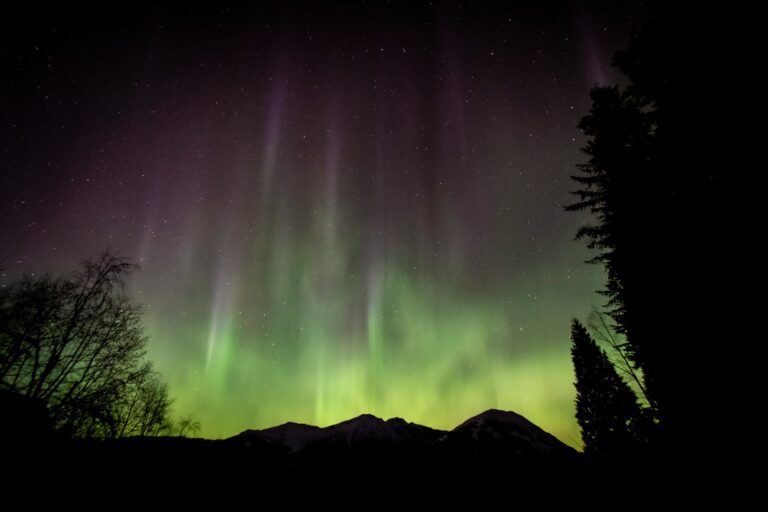
Hike the Burls and Bittersweet Trail or the Bald Hill Trail for scenic views. Watch the sunset at Clear Lake Pier, a popular spot for its picturesque views. Rent a fat bike or go canoeing on Clear Lake for some adventure. Visit the Lake Audy Bison Enclosure to see wildlife up close. If you’re there at night, try to spot the northern lights. Relax in a Parks Canada oTENTik or find one of the red Adirondack chairs for a peaceful moment.