Discover the breathtaking landscapes and vibrant wildlife of Texas' hidden natural gem.
Discover the breathtaking landscapes and vibrant wildlife of Texas' hidden natural gem.
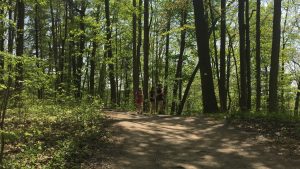
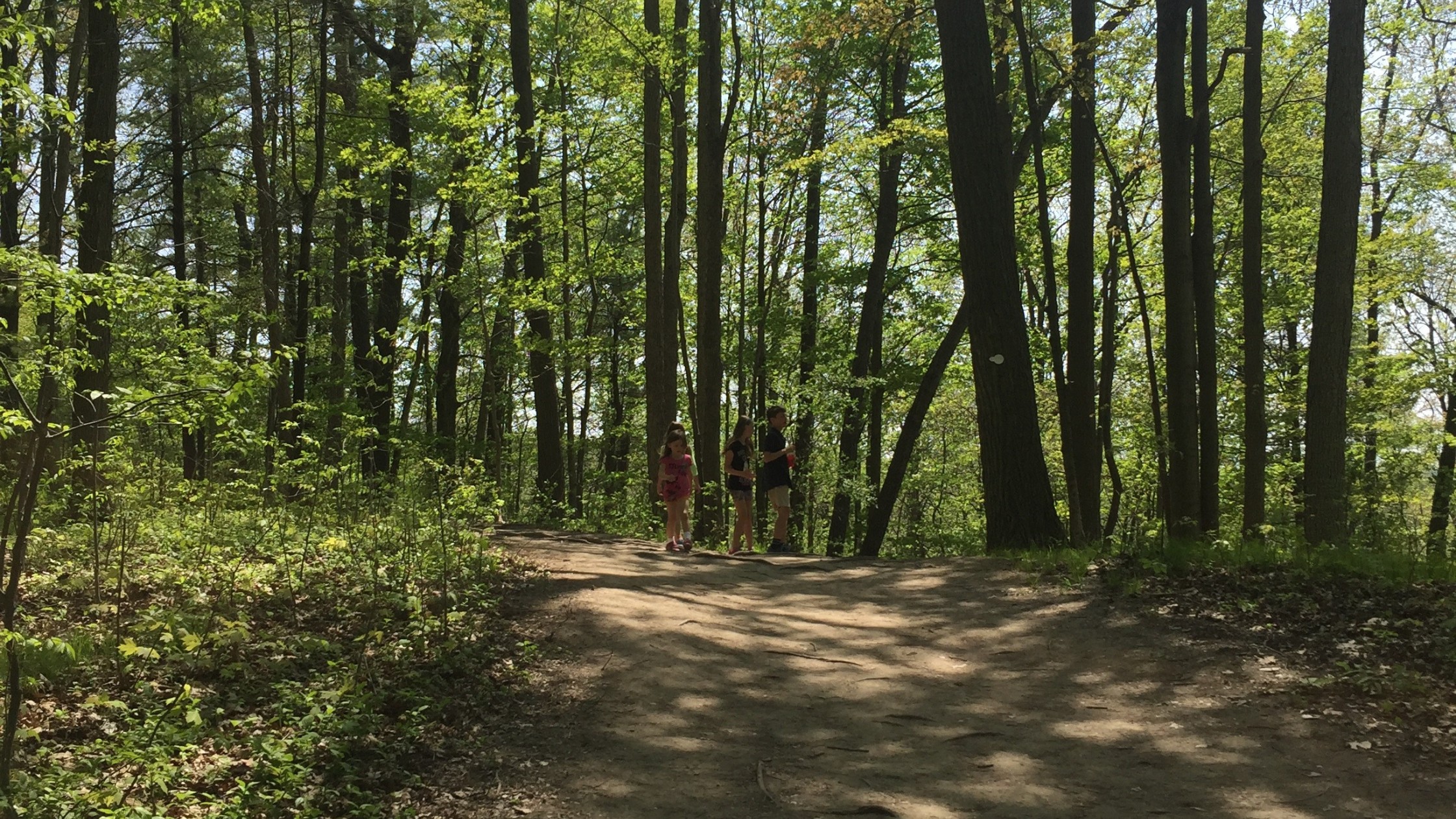
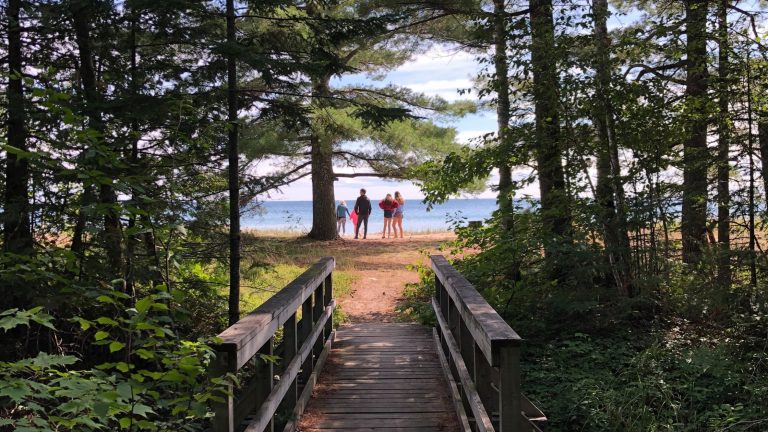
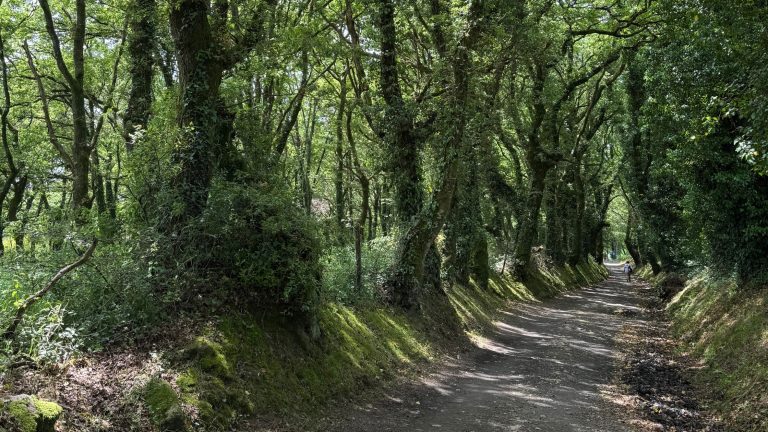
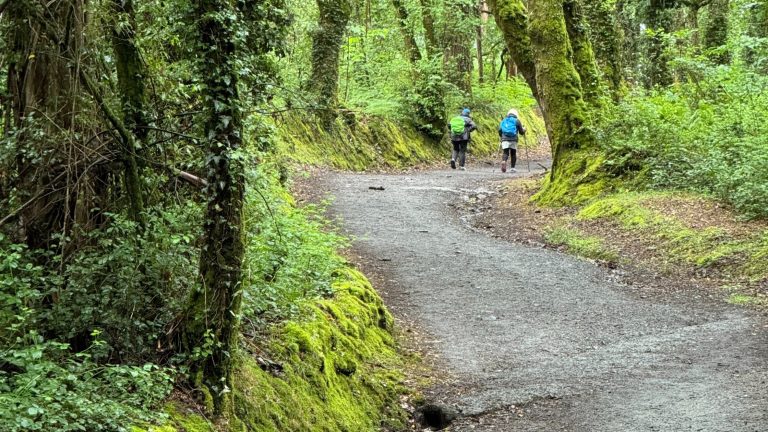
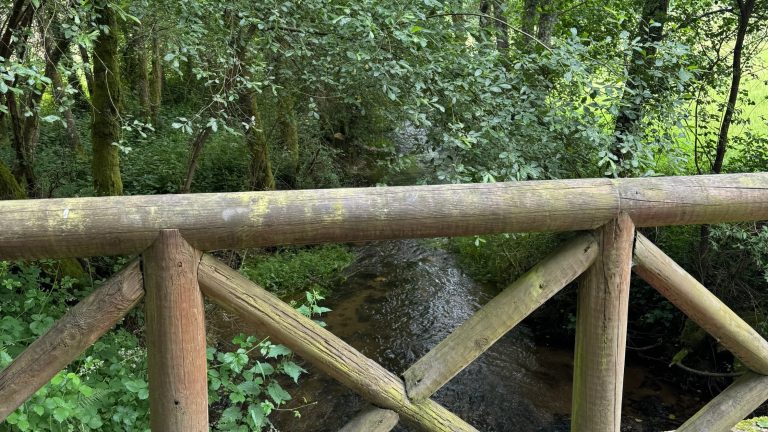
Rio Grande Valley State Park stands as a testament to Texas’s natural beauty, inviting travelers to explore its diverse landscapes and rich ecosystems. Spanning over 1,000 acres, this hidden gem offers a sanctuary for birdwatchers and nature enthusiasts alike. The park’s trails wind through lush vegetation, providing stunning views of the Rio Grande and its surrounding habitats, making it a perfect escape from the urban hustle.
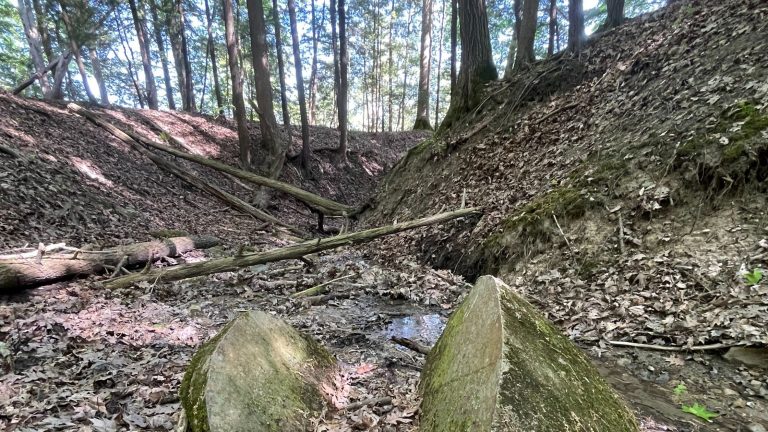
Visitors can immerse themselves in the vibrant flora and fauna, with opportunities to spot rare bird species such as the elusive green jay and the striking altamira oriole. The park’s varied terrain, from wetlands to thorny scrublands, showcases the unique biodiversity that thrives in this region. Each step along the trails reveals a new discovery, inviting exploration and appreciation of the natural world.
As the sun sets over the horizon, the park transforms into a breathtaking canvas of colors, offering a tranquil setting for reflection. Whether you seek adventure or serenity, Rio Grande Valley State Park promises an unforgettable experience, embodying the essence of Texas’s wild heart.
Seasons
Spring’s mild temperatures and vibrant wildflowers make it the perfect season to explore the park’s diverse trails and observe its abundant birdlife.
Summer in the Rio Grande Valley offers vibrant birding, butterfly watching, and outdoor activities, with June, July, and August providing optimal conditions for these experiences.
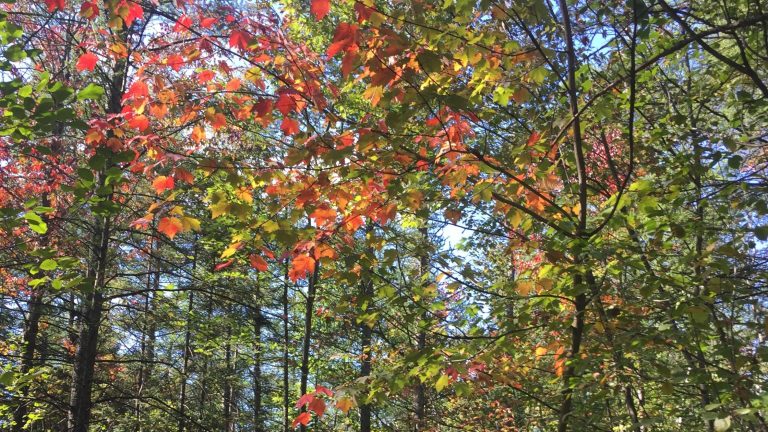
In fall, the park’s cooler temperatures and vibrant foliage create an ideal setting for hiking, birdwatching, and camping, offering a serene retreat from the summer heat.
Experience the Rio Grande Valley’s mild winter temperatures and vibrant bird migrations from December to February, offering unparalleled wildlife viewing and comfortable outdoor adventures.
Top 3 Facts about Rio Grande Valley State Park
The region is renowned for unusual animal sightings, including the rare Black-capped Vireo and the striking Green Jay, while migratory events attract thousands of birds each spring, creating a vibrant spectacle as species converge from distant habitats to breed and feed in this unique ecosystem.
In this region, the unique combination of warm, humid air from the Gulf of Mexico and cooler, drier air from the mountains creates microclimates that support diverse ecosystems, enabling rare plant species to thrive alongside storm-related phenomena like sudden flash floods and dramatic temperature shifts.
Known for its unique trails like “The Lonesome Dove Trail,” the park prohibits activities such as horseback riding and camping, ensuring preservation of the natural habitat while offering first-class birdwatching opportunities, making it a prime location for outdoor enthusiasts seeking rare species and scenic vistas.
Travel Tips
Plan Ahead
To fully enjoy your visit to this stunning natural area, plan your trip around the cooler months, typically from late fall to early spring. Arrive early to beat the heat and secure prime hiking spots, and don’t forget to pack plenty of water, snacks, and sunscreen. A detailed map and a well-thought-out itinerary will help you explore the diverse landscapes and wildlife without missing a beat.
Pack Appropriately
When preparing for your visit, pack lightweight, moisture-wicking clothing to combat the region’s humid climate. Don’t forget a pair of binoculars; the area is a birdwatcher’s paradise, especially during migration seasons, allowing you to spot unique species that thrive in the diverse ecosystems.
Respect Wildlife
Respect the diverse wildlife by observing from a distance and avoiding feeding animals. Stay on designated trails to protect habitats and minimize your impact. Early mornings or late afternoons offer the best chances to spot unique species, so plan your visit accordingly. Remember, your actions contribute to the preservation of this vibrant ecosystem for future generations.
Stay Informed
Before visiting, stay informed by checking current weather conditions, temperatures, and any fire bans or notices. Ensure you know emergency contact information and share your plans with someone, including your expected return time, to enhance your safety while enjoying the outdoors.
Accessibility & permits
Emergency

Planning a trip?
Tell us about your upcoming trip and how we can help!
Frequently Asked Questions
Ready to dive into what Rio Grande Valley State Park has to offer? Let’s tackle some of the burning questions you might have as you plan your visit!
-
The park’s operating hours are from 8 AM to 10 PM daily, providing ample time for visitors to explore its natural beauty.
-
The entrance fee for Rio Grande Valley State Park is $5 per person for ages 13 and older, while children under 12 can enter for free.
-
Pets are allowed in the park but must be kept on a leash at all times. It’s important to clean up after your pets to maintain the park’s cleanliness.
-
Visitors can observe a variety of wildlife, including numerous bird species like the Great Kiskadee and the Green Jay, as well as other animals such as deer, javelinas, and various reptiles.
-
Yes, camping is available on-site with designated camping areas that offer basic amenities. Reservations are recommended, especially during peak seasons.