The Ruby Lake National Wildlife Refuge Visitor Center in Nevada is open Monday through Friday, 8:00 am to 4:30 pm, excluding federal holidays. The refuge itself is accessible daily, year-round, from one hour before sunrise to one hour after sunset.
No entrance or parking fees are required to access the Ruby Mountains and Lamoille Canyon.
From Elko, take I-80 east for approximately 30 miles, then follow NV-225 north for about 20 miles. Continue on the scenic route, where breathtaking landscapes unfold, leading you directly to your destination.
Accessibility & permits
Emergency
- Cell service availability:Full

Information not accurate?
Help us improve by making a suggestion.
Discover breathtaking landscapes and endless adventure in this hidden gem of natural beauty.
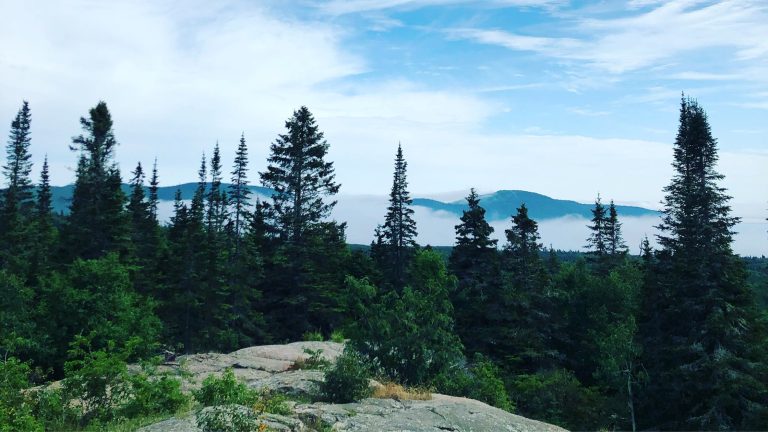
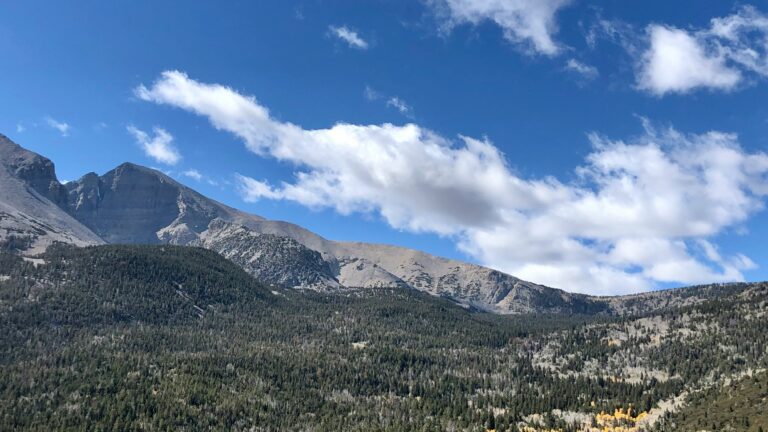
Ruby Mountain State Recreation Area in Nevada captivates outdoor enthusiasts with its breathtaking landscapes and diverse recreational opportunities. The stunning Ruby Mountains, often referred to as the “Swiss Alps of Nevada,” offer an idyllic backdrop for hiking, fishing, and camping. Visitors can explore miles of trails that weave through alpine meadows and rugged terrain, leading to panoramic vistas that showcase the area’s natural beauty.
Fishing aficionados will find solace in the pristine waters of Ruby Lake, where the shimmering surface reflects the surrounding peaks. Anglers can expect a bounty of rainbow trout, making it a perfect spot for both seasoned fishermen and families looking to spend quality time together. The area’s tranquility invites relaxation, whether by the water’s edge or around a crackling campfire under a starlit sky.
For those seeking adventure, Ruby Mountain State Recreation Area is a gateway to exploration. The changing seasons bring new experiences, from vibrant wildflower blooms in the spring to the golden hues of autumn. This hidden gem in Nevada promises a luxurious escape into nature, where every moment becomes a cherished memory.
Top 3 Facts about Ruby Mountain State Recreation Area
This area is home to unique wildlife, including the rare Lahontan cutthroat trout, which can only be found in specific alpine lakes, and during certain seasons, visitors may witness the spectacular migration of mule deer, creating a breathtaking natural spectacle.
In this region, extreme temperature variations can occur, with summer highs reaching over 100°F and winter lows plunging below 0°F, creating unique microclimates that support diverse ecosystems and unusual storm-related phenomena, including sudden snow squalls that can transform the landscape in minutes.
Known for its challenging trails like the “Lone Pine Loop” and the unusual rule against motorized vehicles, this area also boasts records in outdoor sports, including the fastest ascent of Ruby Peak, making it a unique destination for adventurous hikers and outdoor enthusiasts.
Family programs
- Junior Ranger
- Ranger-led Tours
- Self-guided Tours
- Workshops & Hands-on Activities
- Living History & Cultural Demos
- Scavenger Hunts
- Night Sky & Astronomy
- Family Camping & Overnight
- Volunteer & Stewardship
- Youth Conservation
- Scouting Partnerships
- Virtual Junior Activities
- Arts & Crafts
- Water-based Adventures
Travel Tips
Plan Ahead
When visiting this stunning Nevada destination, planning ahead is essential for a seamless experience. Check weather conditions, pack essential gear, and consider making reservations for camping or activities. Arriving early allows you to explore the breathtaking landscapes and enjoy outdoor adventures without the crowds, ensuring a memorable getaway in nature’s embrace.
Pack Appropriately
When packing for your adventure in this stunning Nevada landscape, consider including a lightweight pair of binoculars. The area’s unique geography offers incredible opportunities for wildlife watching, especially during dawn and dusk when animals are most active. Observing the diverse fauna adds a rich layer to your experience, allowing you to connect more deeply with the rugged beauty surrounding you.
Respect Wildlife
Respect the diverse wildlife by observing from a distance and refraining from feeding animals. Keep noise levels low to avoid disturbing their natural behaviors, and stay on marked trails to protect their habitats. Carry out all trash to maintain a clean environment, ensuring that both visitors and wildlife can thrive in this beautiful setting.
Stay Informed
Before your visit, check the weather forecast, current temperatures, and any fire bans or notices. Make sure to inform someone about your destination and expected return time, and keep emergency contact information handy. Staying informed ensures a safe and enjoyable outdoor experience.
Seasons
In spring, the Ruby Mountains’ alpine meadows burst into a vibrant tapestry of wildflowers, offering hikers and nature enthusiasts a picturesque escape into Nevada’s serene wilderness.
In summer, the Ruby Mountains offer hikers and anglers a paradise of alpine lakes, cascading waterfalls, and abundant wildlife, with June, July, and August providing ideal conditions for exploration.
In September, October, and November, the Ruby Mountains’ crisp air and vibrant foliage invite hikers to explore alpine trails, anglers to cast lines into serene lakes, and photographers to capture breathtaking landscapes.
In winter, the Ruby Mountains transform into a snow-covered playground, offering pristine powder for skiing and snowshoeing, with December through February providing the driest, fluffiest snow for these adventures.
Information not accurate?
Help us improve by making a suggestion.
Where to stay
Frequently Asked Questions
Ready to dive into what Ruby Mountain State Recreation Area has to offer? Let’s tackle some of the burning questions you might have as you plan your visit!
-
The best hiking trails in Ruby Mountains include the Ruby Crest Trail, a 40-mile route offering stunning views and diverse terrain, and the Lamoille Canyon Trail, which is perfect for beginners with its scenic vistas and wildflower displays. The Thomas Canyon Trail is also popular, leading to picturesque waterfalls and alpine lakes.
-
You can fish in Ruby Mountains at Lamoille Lake and the streams surrounding it, where you can catch species like brook trout and rainbow trout. The area is known for its clear waters and beautiful fishing spots.
-
Yes, there are campgrounds in Ruby Mountains. The Thomas Canyon Campground is a popular choice, featuring picnic tables, fire rings, and access to hiking trails. Additionally, the Lamoille Canyon Campground offers a more rustic experience with scenic views.
-
In Ruby Mountains, you can see a variety of wildlife, including mule deer, mountain goats, and a range of bird species such as eagles and hawks. The area is also home to smaller mammals like marmots and squirrels.
-
The best time to visit Ruby Mountains is during the summer months, from late June to early September, when the weather is warm and trails are accessible. Fall offers beautiful foliage, while spring brings wildflowers, making it a great time for nature enthusiasts.