Theodore Roosevelt's Summer White House on Long Island's North Shore

Theodore Roosevelt's Summer White House on Long Island's North Shore
Theodore Roosevelt was many things: soldier, naturalist, author, diplomat, and the 27th Vice President who became the 26th President of the United States at 42 after William McKinley’s assassination. But the place he called home, the place he returned to when Washington exhausted him, and the place he died was a large, rambling 23-room Victorian house on a cove neck peninsula along Long Island’s North Shore. Sagamore Hill National Historic Site preserves that house as it was during Roosevelt’s life, almost entirely with original furnishings, and offers one of the most intimate and well-preserved presidential home experiences anywhere in the national park system.
Roosevelt purchased 155 acres on Cove Neck in 1880 and had the Queen Anne shingle-style house completed in 1885. He moved in with his second wife, Edith, in 1887, and the couple raised six children at Sagamore Hill over the following decades. During his presidency from 1901 to 1909, the property served as the ‘Summer White House,’ where Roosevelt conducted official business, met with foreign dignitaries, and hosted presidential correspondence from the library, which reportedly held 8,000 books. The Russo-Japanese War peace talks that earned Roosevelt the 1906 Nobel Peace Prize were in part coordinated from Sagamore Hill.
The North Room, added in 1905 to accommodate the demands of presidential hospitality, is the most atmospheric space in the house. Roosevelt filled it with hunting trophies, gifts from world leaders, portraits of heroes, and objects that speak to his contradictions as both conservationist and hunter. The room is a physical inventory of his extraordinary life. Almost all furnishings throughout the house are original, a rarity among presidential historic sites.
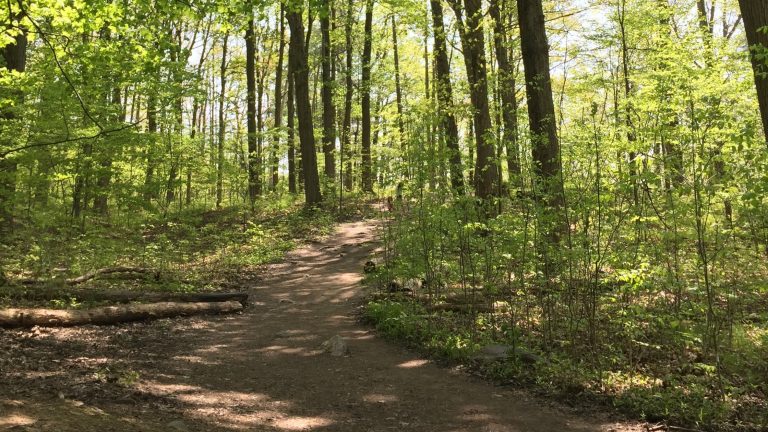
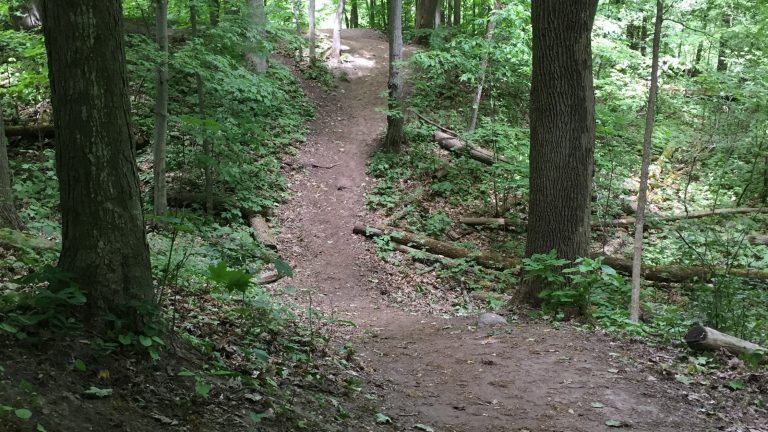
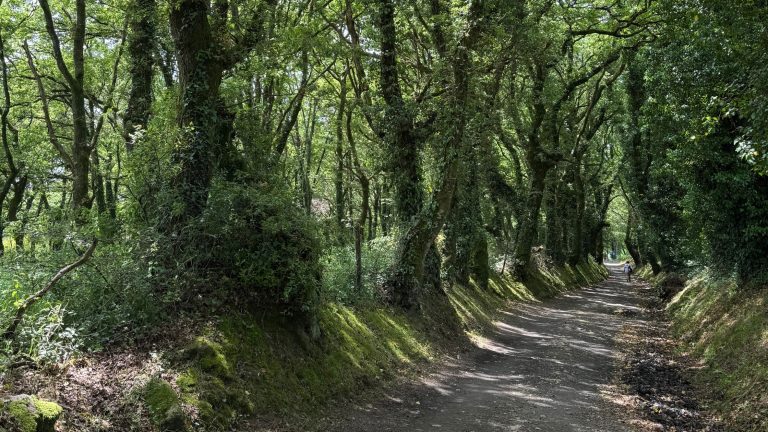
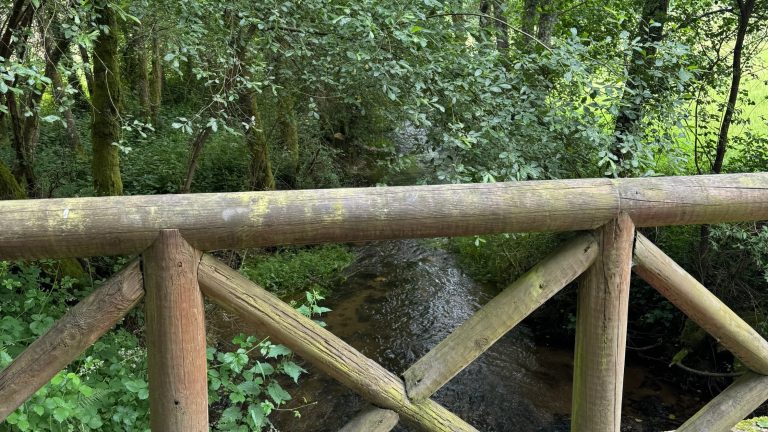
The historic site covers 83 acres including the main house, the Theodore Roosevelt Museum at Old Orchard, a 0.7-mile nature trail through coastal forest and salt marsh to the Oyster Bay National Wildlife Refuge, and views of Cold Spring Harbor from the grounds. House tours are ticketed and capacity-limited; reservations at recreation.gov are recommended. Grounds access and the Theodore Roosevelt Museum are free.
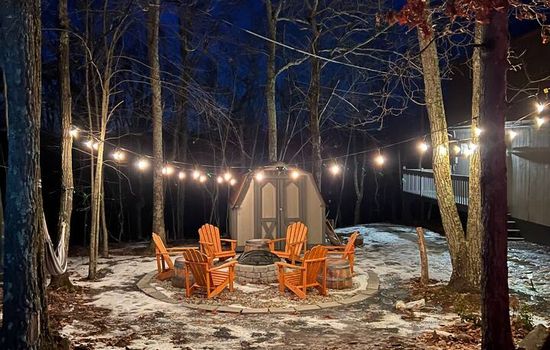
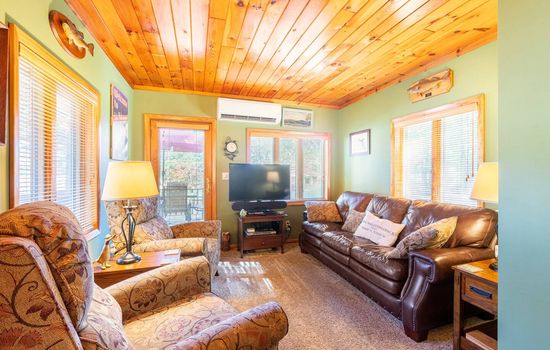
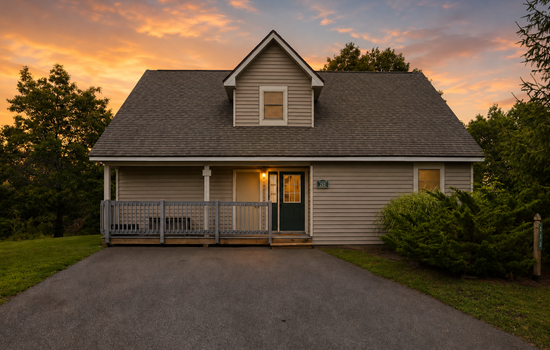
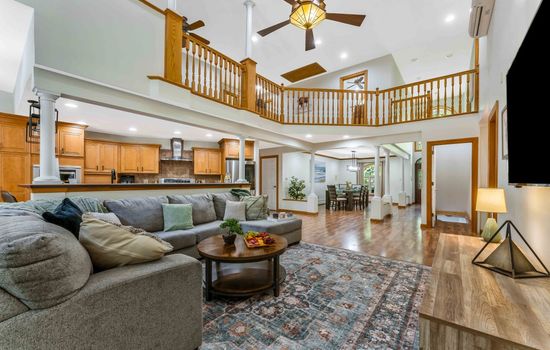
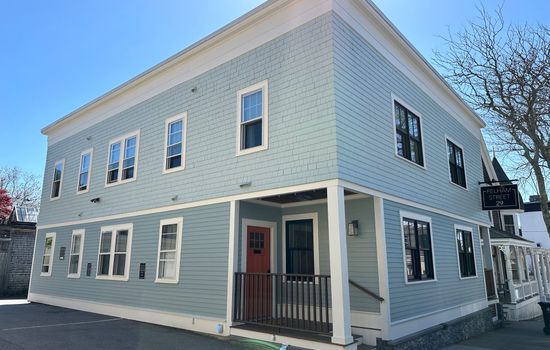
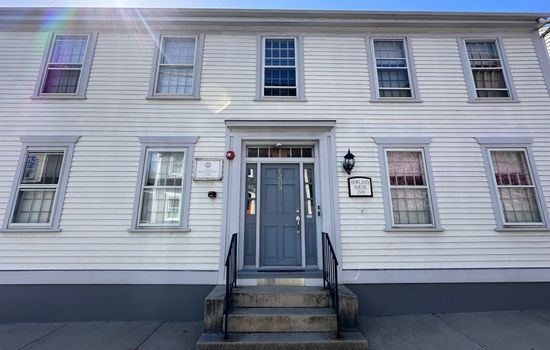
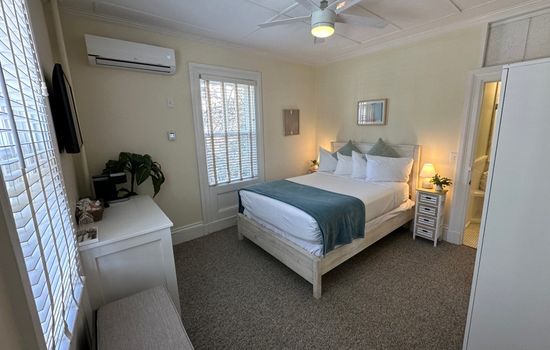
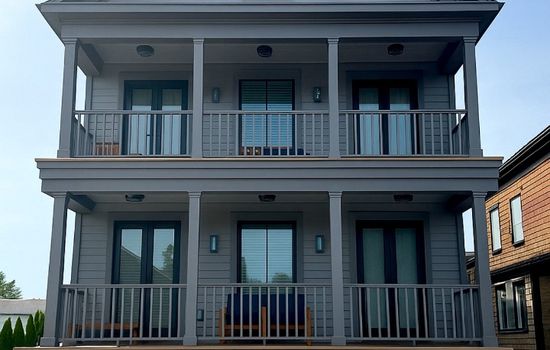
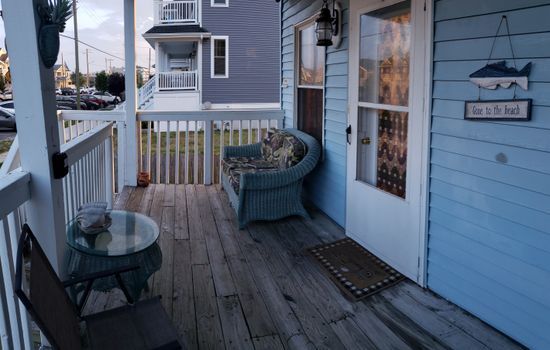
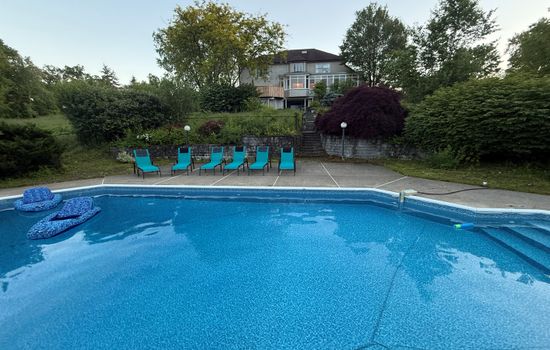
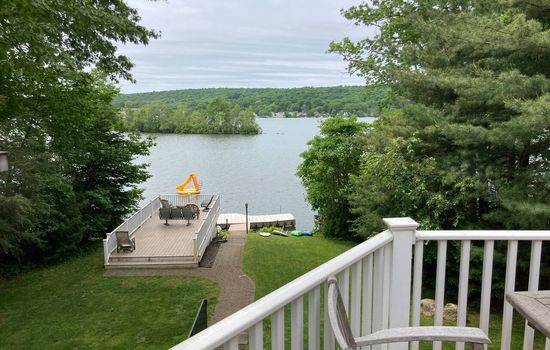
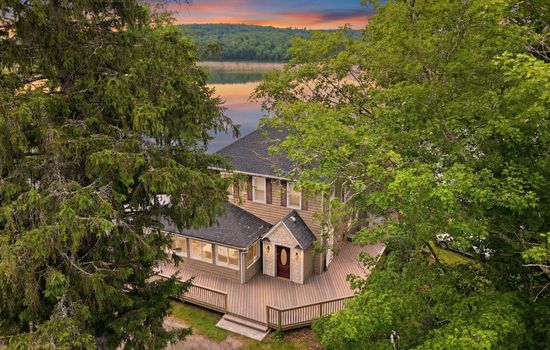
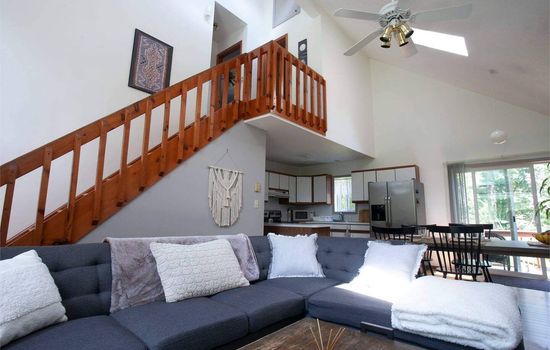
Oyster Bay itself is a beautiful Long Island village with a strong connection to Roosevelt’s legacy, 25 miles east of Manhattan on the North Shore. The surrounding Nassau and Suffolk County area offers a wide range of vacation homes, waterfront condos with beautiful views of Long Island Sound, and cozy rental properties within easy distance of the site. A Long Island North Shore trip combining Sagamore Hill with Cold Spring Harbor, the Planting Fields Arboretum, and the North Shore waterfront makes for an excellent multi-day itinerary.
Check nps.gov/sahi for current tour schedules, reservation requirements, and grounds hours. Book your accommodations for Sagamore Hill National Historic Site.
Seasons
Explore the historic grounds and trails in spring, with mild temperatures (50s-60s°F) and blooming flora. Join guided outdoor programs and tours of the Roosevelt Home, available Fridays through Sundays. Ideal time to visit before the summer crowds.
Visit in summer for warm temperatures (70s-80s°F) and sunny days. Enjoy the 4th of July celebration with free home tours, brass bands, and lawn games. Ideal for outdoor enthusiasts and history buffs.
Visit in fall for vibrant foliage, mild temperatures (50s-60s°F), and the Oysterfest waterfront festival in October. Guided tours of the historic home, nature trails, and scenic views of Cold Spring Harbor make for a memorable autumn experience.
Experience winter’s serene beauty from January to March, with temperatures ranging from 34.5°F to 42.8°F. Crisp air, potential snow, and fewer crowds make for a tranquil visit, ideal for those seeking a peaceful retreat amidst historic landscapes.
Top 3 Facts about Sagamore Hill National Historic Site
Sagamore Hill was designated as a National Historic Site on July 25, 1962, and purchased by the National Park Service in that same year. Almost all of the original furnishings remain in the house as they were during the Roosevelt family’s occupancy, including the 23 rooms, the North Room’s collection of hunting trophies and presidential gifts, and the library with approximately 8,000 books.
During Roosevelt’s presidency from 1901 to 1909, Sagamore Hill served as the ‘Summer White House,’ the first American presidential residence to take on that role outside Washington, D.C. From the house’s library, Roosevelt performed presidential duties, met cabinet members and foreign dignitaries, and coordinated the peace negotiations that ended the Russo-Japanese War and earned him the Nobel Peace Prize in 1906.
The North Room at Sagamore Hill, added in 1905, was designed to be a large reception and entertaining space for the growing demands of Roosevelt’s presidency and public life. The room is filled with mounted hunting trophies, gifts from world leaders including an elephant tusk from Emperor Menelik II of Ethiopia, artwork, and books, reflecting Roosevelt’s remarkably diverse life as soldier, naturalist, author, and statesman.
Travel Tips
Plan Ahead
House tours are ticketed and capacity-limited; reserve in advance at recreation.gov. Tours operate Wednesday through Sunday from 10 a.m. to 2 p.m.; park staff are available by phone Wednesday through Sunday from 9 a.m. to 5 p.m. Grounds and Theodore Roosevelt Museum access are free. The site is 25 miles east of Manhattan via the Long Island Expressway to State Route 106. Contact the park at 516-922-4788 for current scheduling information.
Pack Appropriately
Comfortable walking shoes are recommended for the grounds trails and 0.7-mile nature path through the salt marsh and coastal forest. The nature trail can be muddy and uneven after rain. Bring layers for the grounds visit, which involves exposure on the lawn and headland areas. Photography is permitted on the grounds and in the museum; camera restrictions may apply inside the house.
Respect Wildlife
The 0.7-mile nature trail at Sagamore Hill passes through salt marsh habitat that connects to the Oyster Bay National Wildlife Refuge. Shorebirds, wading birds, and migratory songbirds use these habitats throughout the year. Osprey nest in the area. Stay on marked trails to protect salt marsh vegetation, which is easily damaged by foot traffic. Do not disturb wildlife or remove any natural materials from the grounds.
Stay Informed
Check nps.gov/sahi for current tour availability, hours, and any temporary closures. House tours have limited capacity and fill weeks ahead for summer and holiday weekends. The park observes federal holidays with adjusted hours. Seasonal weather conditions on Long Island can affect the nature trail, which may be wet or icy in winter. Contact the park at 516-922-4788 for current conditions.
- Area (mi²)
- 1
- Established year
- 1962
Accessibility & permits
Emergency

Planning a trip?
Tell us about your upcoming trip and how we can help!
Frequently Asked Questions
Ready to dive into what Sagamore Hill National Historic Site has to offer? Let’s tackle some of the burning questions you might have as you plan your visit!
-
The closest city to Sagamore Hill is Oyster Bay, which is located on the North Shore of Long Island, about 25 miles east of Manhattan. Sagamore Hill is situated in Cove Neck, near Oyster Bay.
-
Dogs must be kept on a leash no longer than 6 feet. This rule is in place to ensure the safety and comfort of all visitors and to protect the wildlife. Owners must also pick up after their pets.
-
There is parking available, including a paved parking lot with five handicapped spaces that are van-accessible. However, there are no specific accommodations for large vehicles like motorhomes or camper vans. The parking lot is accessible from sunrise to sunset.
-
During Theodore Roosevelt’s presidency, his home in Oyster Bay served as a meeting point for world leaders, politicians, and notable figures. The house, often called the Summer White House, hosted numerous events, both large and small, and was a focal point of international attention. Roosevelt frequently visited this home, using it as a retreat from Washington and a place to conduct presidential business.