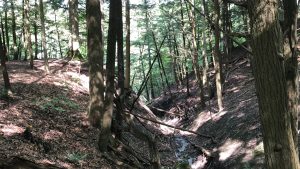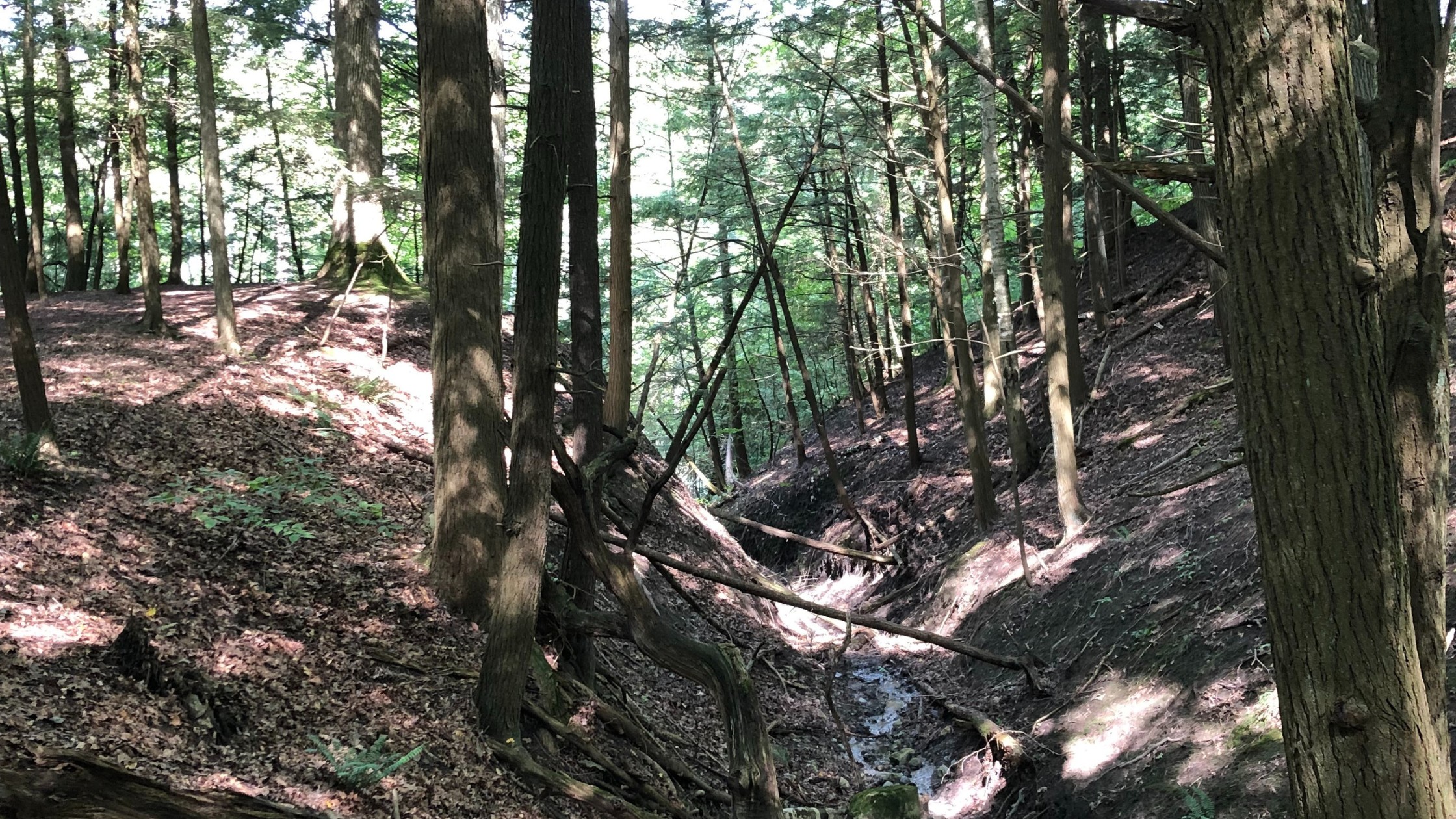
Discover breathtaking coastal views and serene hiking trails in this hidden gem of nature.
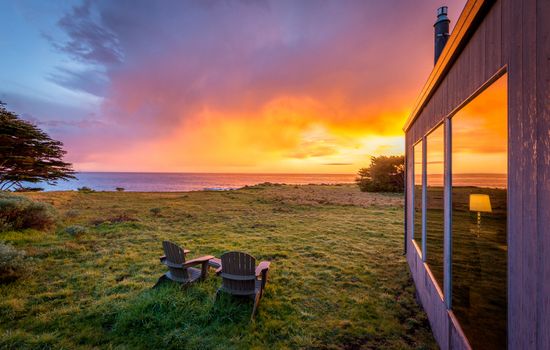
Discover breathtaking coastal views and serene hiking trails in this hidden gem of nature.
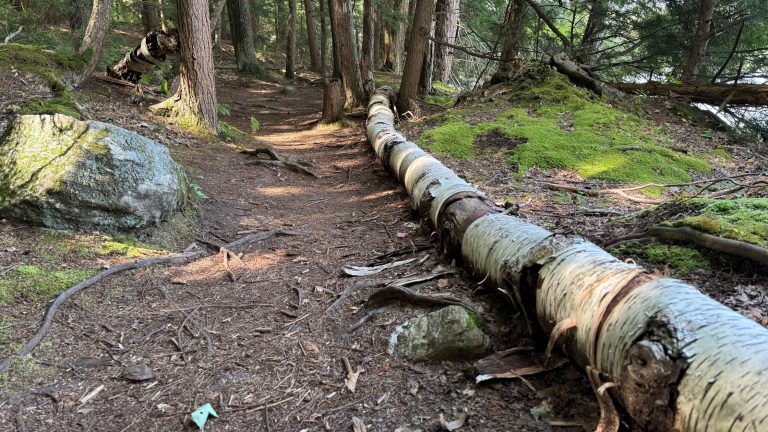
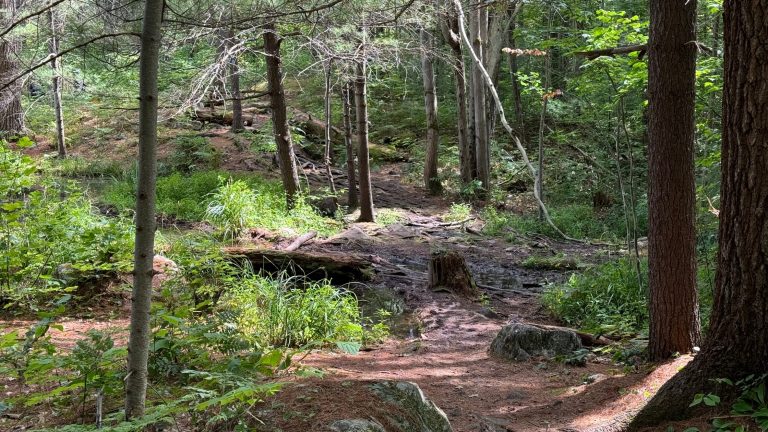
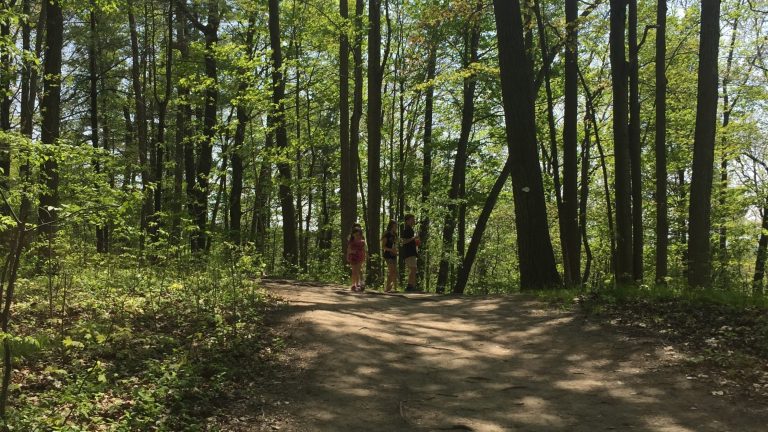
Salt Point State Park, located along California’s rugged coastline, offers a breathtaking escape for those seeking both adventure and tranquility. This hidden gem stretches across 6,000 acres of pristine wilderness, where dramatic cliffs meet the crashing waves of the Pacific Ocean. Visitors can explore a variety of trails that wind through lush forests and coastal bluffs, each path revealing stunning vistas and the rich biodiversity of the region.
The park is a haven for outdoor enthusiasts, featuring opportunities for hiking, birdwatching, and even tide pooling. The unique marine environment supports a vibrant array of wildlife, making it a photographer’s paradise. As you wander along the shoreline, the sound of the surf and the salty breeze invigorate the senses, creating an immersive experience that feels far removed from the bustle of everyday life.
For those looking to unwind, Salt Point State Park offers serene picnic spots and secluded beaches, perfect for a leisurely afternoon. Whether you seek the thrill of exploration or the peace of nature, this park stands as a testament to California’s natural beauty, inviting visitors to discover its many wonders.
Seasons
In spring, the park’s 6,000 acres of rugged coastline and diverse ecosystems offer a serene escape, with trails winding through wildflower-draped meadows and ancient pygmy forests.
Summer’s cool fog and ocean breezes offer a refreshing escape, with June, July, and August providing ideal conditions for hiking, diving, and exploring the park’s diverse ecosystems.
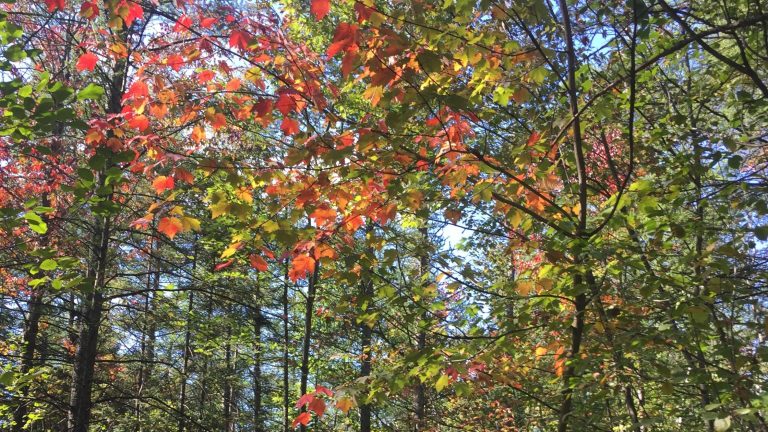
In autumn, the rugged coastline and unique pygmy forest offer clear vistas and intricate tafoni rock formations, making September through November ideal for exploration.
During winter months, the park offers serene hiking trails, abundant gray whale sightings, and tranquil camping experiences, making December through February an ideal time to visit.
Top 3 Facts about Salt Point State Park
In this coastal area, unique animal sightings include the rare white abalone, which clings to rocky shores, and the remarkable migration of monarch butterflies, traveling thousands of miles; these events highlight the region’s rich biodiversity and the importance of preserving such habitats for future generations.
In this unique coastal region, the interplay of ocean currents and topography creates microclimates where temperatures can vary dramatically within just a few miles, leading to unexpected weather patterns that support diverse ecosystems and unusual plant species, making it a fascinating study of climate dynamics.
Known for its unique trails like the “Stump Beach Trail,” this coastal haven prohibits fires and the collection of natural resources, ensuring preservation while offering outdoor enthusiasts a chance to explore diverse ecosystems and witness firsts in kayaking and rock climbing along its rugged shoreline.
Travel Tips
Plan Ahead
When venturing to this stunning coastal destination, planning ahead is essential for a seamless experience. Check trail conditions, pack layers for fluctuating weather, and arrive early to secure parking. Don’t forget to bring plenty of water and snacks, as amenities are limited. Whether you’re hiking or simply enjoying the views, a little preparation goes a long way in making the most of your visit.
Pack Appropriately
When packing for your adventure, include layers to adapt to the coastal climate, which can shift from sunny to foggy in moments. Don’t forget a sturdy pair of hiking shoes for the rocky trails and binoculars for spotting the diverse marine life along the shoreline—this area is a hidden gem for wildlife enthusiasts.
Respect Wildlife
When exploring this coastal gem, keep a respectful distance from wildlife to ensure their safety and yours. Observe sea lions basking on the rocks and migratory birds in the skies without disturbing their natural behaviors. Always stay on marked trails and avoid feeding animals, as human food can harm them and disrupt their natural foraging habits.
Stay Informed
Before your visit, stay informed by checking the weather, temperatures, and any fire bans or notices. Know the emergency contact information and always inform someone about your destination and expected return time to ensure your safety.
Accessibility & permits
Emergency

Planning a trip?
Tell us about your upcoming trip and how we can help!
Frequently Asked Questions
Ready to dive into what Salt Point State Park has to offer? Let’s tackle some of the burning questions you might have as you plan your visit!
-
The camping fees at Salt Point State Park vary depending on the type of campsite. Standard campsites typically range from $35 to $45 per night, while group campsites can cost up to $200 per night. Make sure to check for any additional fees for extra vehicles or amenities.
-
Fishing is allowed in Gerstle Cove, which is a popular spot for both shore and boat fishing. Anglers can expect to catch species such as rockfish, lingcod, and salmon, but remember to adhere to California fishing regulations and obtain a valid fishing license.
-
To get to Salt Point State Park, take Highway 1 along the California coast. The park entrance is located approximately 15 miles south of Jenner and 30 miles north of Bodega Bay. Look for the park signs as you approach the area.
-
Dogs are permitted on hiking trails in Salt Point State Park, but they must be kept on a leash at all times. However, dogs are not allowed on the beach or in the picnic areas, so plan your visit accordingly.
-
The best time to visit Salt Point State Park is during the spring and fall months when the weather is mild and the wildflowers are in bloom. This is also when you can enjoy fewer crowds and optimal hiking conditions.