Desert Peaks, Alpine Lakes, and Year-Round Adventures Near Los Angeles




















Desert Peaks, Alpine Lakes, and Year-Round Adventures Near Los Angeles
Southern California holds a remarkable contrast: within two hours of tens of millions of people, the San Bernardino National Forest rises from desert floors to alpine peaks above 11,000 feet. The U.S. Forest Service calls it America’s most urban forest, a phrase that captures both its extraordinary accessibility and its wild scale. Spreading across approximately 680,000 acres of federal land in San Bernardino and Riverside Counties, the forest spans four mountain ranges, eight designated wilderness areas, and some of the most geologically diverse terrain in the American West.
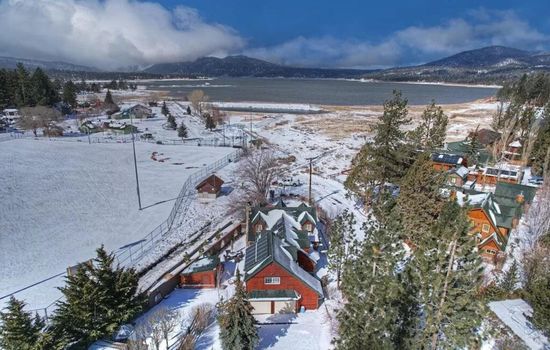
Two destinations define most visits. Big Bear Lake, perched at 6,752 feet in the San Bernardino Mountains, is the forest’s most versatile hub, drawing boaters, anglers, hikers, and skiers to a year-round mountain community built around a glacier-fed reservoir. Snow Summit and Bear Mountain ski resorts share the mountain in winter, while the 3.5-mile Alpine Pedal Path along the lake’s north shore offers a paved, accessible route for hiking and cycling throughout warmer months. Idyllwild, a quiet arts village beneath the San Jacinto Mountains, draws rock climbers to Tahquitz Rock and Suicide Rock and hikers seeking wilderness terrain in the southern forest. The Palm Springs Aerial Tramway ascends over 8,000 feet from desert floor to alpine meadow in a single rotating car. San Gorgonio Mountain, the highest point in Southern California at 11,502 feet, anchors the Sand to Snow National Monument and rewards serious trekkers with panoramic views stretching toward the Pacific. The Rim of the World Scenic Byway threads 107 miles through pine forests along Highways 138, 18, and 38, connecting mountain communities with sweeping views across the Inland Valley.
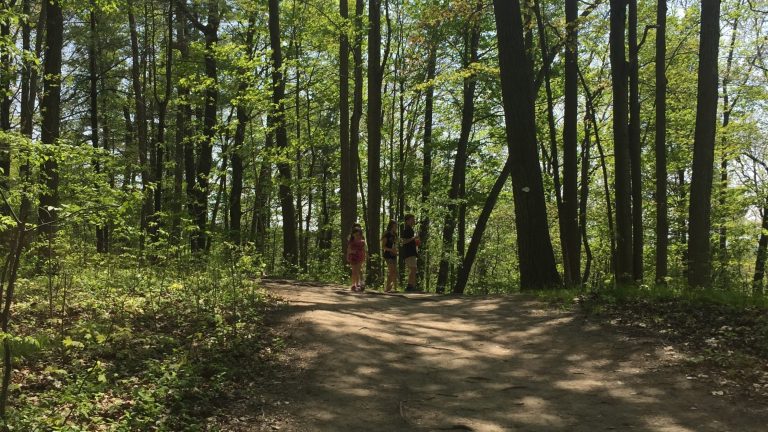
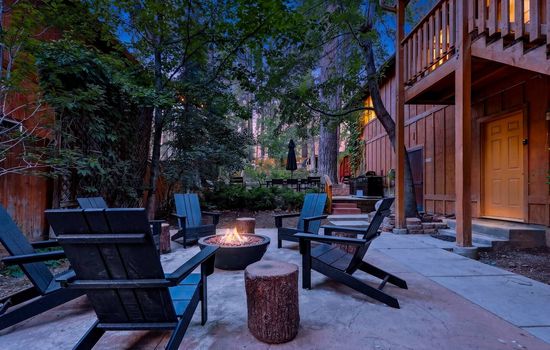
The forest suits families especially well. Big Bear Lake’s accessible paths, lakefront activities, boat rentals, and family-friendly ski terrain give groups with children multiple days of engaging outdoor programming. Multi-generational groups often base at Big Bear or Lake Arrowhead, dividing time between water sports, scenic drives, and evenings around a fire pit. Pet-first travelers will find that leashed dogs are welcome on most trails within the national forest, though dogs are not permitted in portions of the San Jacinto State Park Wilderness on the east side of San Jacinto Mountain. Always verify current pet rules at fs.usda.gov/sbnf before heading out.
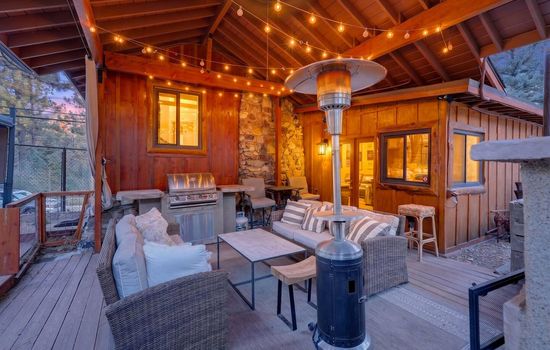
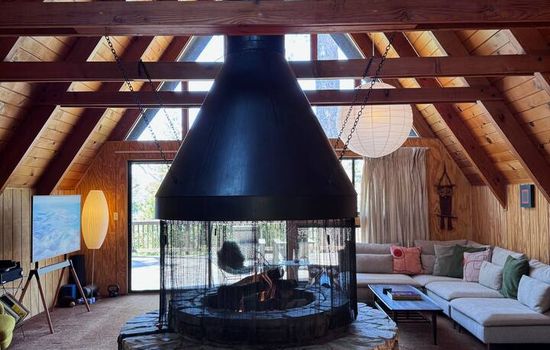
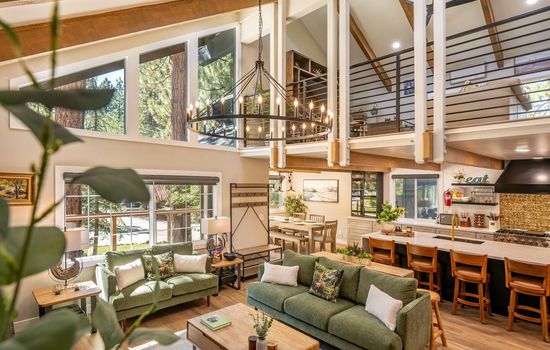
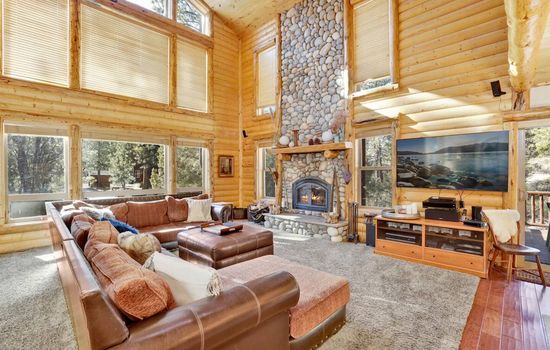
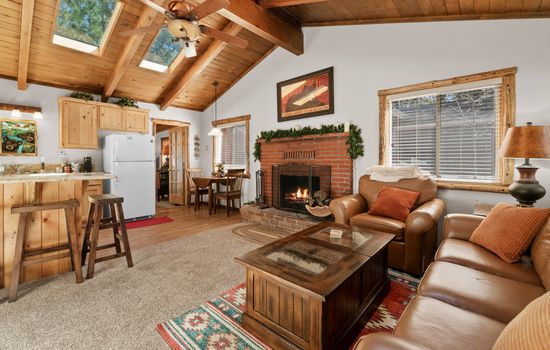
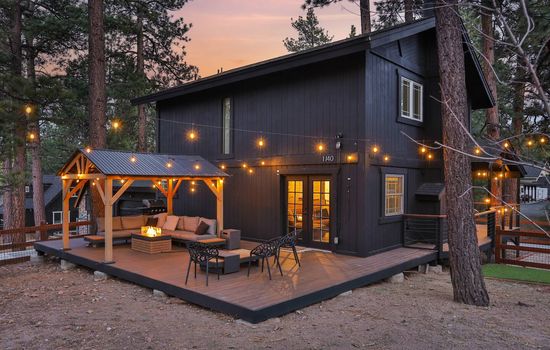
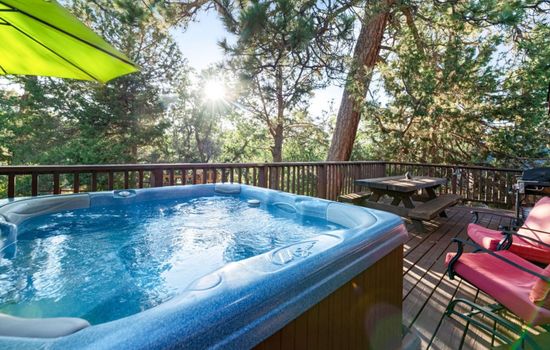
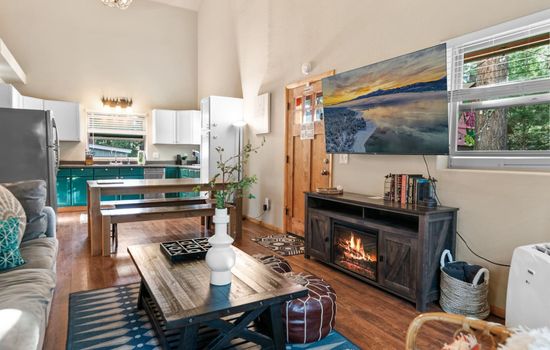
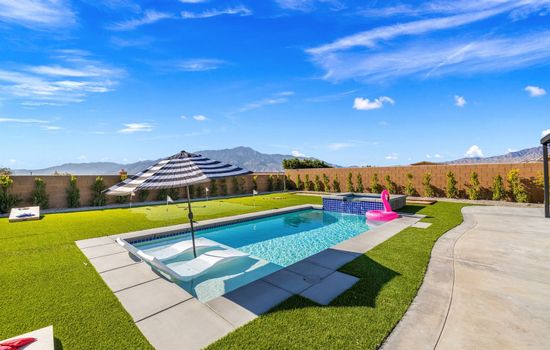
The mountain communities ringing the forest offer one of Southern California’s most varied selections of cabin and vacation rental inventory. Cozy cabins with fire pits and BBQ grills sit minutes from Big Bear’s ski lifts, while larger multi-bedroom vacation homes with hot tubs sleep groups comfortably and deliver beautiful mountain views year-round. Waterfront properties along Big Bear Lake include dock or boat slip access and kayaks and paddleboards, making it easy to turn a forest visit into a full lake vacation. Pet-friendly rentals with outdoor space near Idyllwild and Lake Arrowhead give travelers a genuinely relaxing base.
An Adventure Pass or America the Beautiful Pass is required at most developed recreation sites. Download the recreation.gov app before your trip for digital pass options. Wilderness permits for San Gorgonio and Cucamonga wilderness areas must be reserved in advance through the San Gorgonio Wilderness Association. Check fire restrictions at fs.usda.gov/sbnf before every visit, as summer and fall conditions frequently result in campfire bans. Chain controls apply to mountain roads during winter storms. Book your accommodations near San Bernardino National Forest through Lake.com.
Seasons
Spring brings wildflowers to lower forest elevations and higher water flow to the forest’s creeks through April and May. Higher trails and some campgrounds remain snow-covered into late April, and road conditions on upper portions of Highway 18 and 38 can be variable. Big Bear Lake begins its boating and cycling season, and bear activity increases as animals emerge from winter dens. Check trail and road conditions before heading to higher elevations in early spring.
Summer is the busiest season across the forest, with Big Bear Lake drawing boaters, paddlers, and anglers from across Southern California. Mountain temperatures offer welcome relief from Inland Empire and Coachella Valley heat, but afternoon thunderstorms are common from July through September. Fire danger peaks in mid to late summer; campfire restrictions are frequently in effect and strictly enforced. Start hikes early to avoid afternoon lightning at higher elevations and to secure trailhead parking.
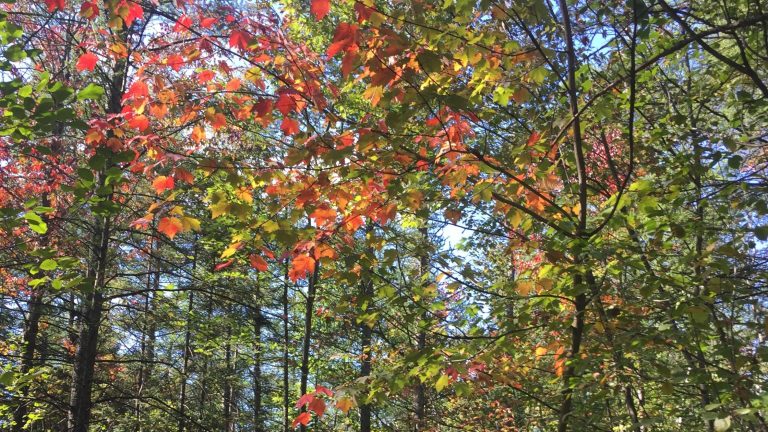
Fall extends the most comfortable hiking weather of the year, with cooler temperatures, lower humidity, and reduced crowds through October. Some foliage color appears in riparian corridors and at higher elevations. Fire season often continues through fall in Southern California, so check current restrictions before planning any campfire. Big Bear Lake’s marina season winds down and ski resorts begin snowmaking preparations by late October. Weekdays offer the quietest trail and campground experience of the season.
Winter transforms the forest into Southern California’s most accessible mountain snow destination. Snow Summit and Bear Mountain at Big Bear Lake draw skiers and snowboarders from across the region, while snow play and snowshoeing opportunities exist in the Green Valley Lake and Running Springs areas. Chain controls on mountain highways can activate quickly after storms; carry chains from November through March. Many campgrounds close or reduce services in winter. Check resort conditions and road closures before every mountain trip.
Top 3 Facts about San Bernardino National Forest
San Bernardino National Forest spans approximately 680,000 acres of federal land across the San Bernardino, San Gabriel, San Jacinto, and Santa Rosa mountain ranges in Southern California. Elevations range from around 2,000 feet at lower desert margins to 11,502 feet at the summit of San Gorgonio Mountain, the highest peak in Southern California, making the forest one of the most vertically diverse national forests in the country.
The forest contains eight designated wilderness areas covering 151,341 acres, along with portions of two national monuments: the Sand to Snow National Monument, established in 2016 and centered on San Gorgonio Mountain, and the Santa Rosa and San Jacinto Mountains National Monument, established in 2000, where peaks rise abruptly from the Coachella Valley desert floor to over 10,800 feet. The forest also includes seven wild and scenic rivers and more than 300 miles of trail.
Big Bear Lake, the forest’s most popular destination, sits at an elevation of 6,752 feet and hosts year-round recreation including boating, fishing, hiking, cycling, and skiing at Snow Summit and Bear Mountain. The Big Bear Discovery Center offers free public programs and anchors the 3.5-mile Alpine Pedal Path, a fully accessible paved trail along the north shore that connects forest trailheads and delivers sweeping views across the lake.
Travel Tips
Plan Ahead
An Adventure Pass or America the Beautiful Pass is required at most developed day-use sites. Download the recreation.gov app for digital pass options before arriving, as cell coverage is unreliable in many areas. Wilderness permits for San Gorgonio and Cucamonga wilderness areas must be reserved in advance through the San Gorgonio Wilderness Association at recreation.gov. Campground reservations fill quickly for summer weekends. Check current fire restrictions, road conditions, and closures at fs.usda.gov/sbnf before every trip.
Pack Appropriately
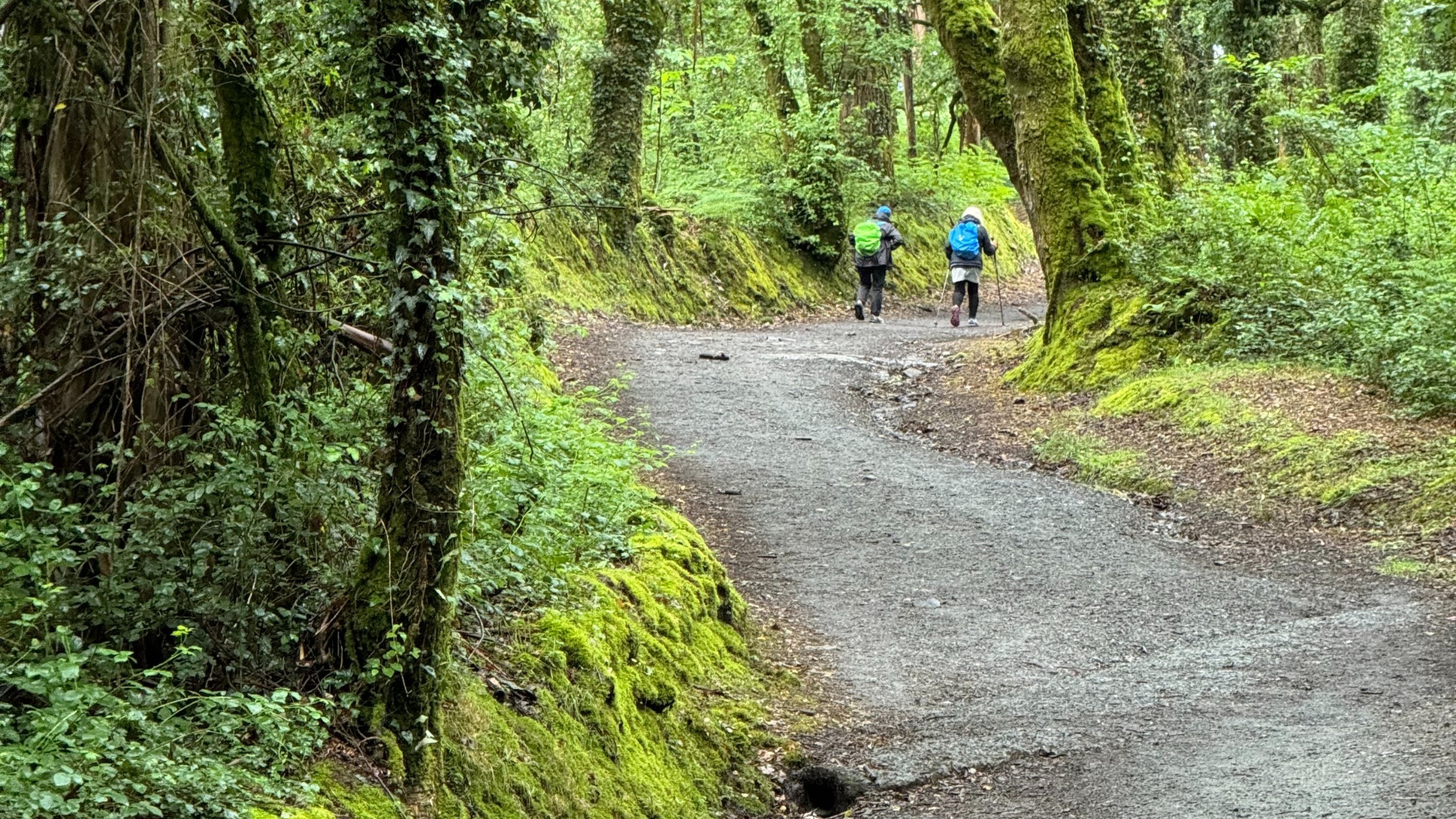
Layer clothing for dramatic elevation and temperature swings, as mornings and evenings at mountain elevations are cool even in summer and afternoon thunderstorms are possible July through September. Bring sunscreen, sunglasses, and a hat at all elevations. Carry enough water and snacks for the full outing, as many trailheads have no water available. Wear sturdy closed-toe footwear on rocky mountain trails. In winter, carry tire chains for mountain roads, where chain controls can activate without warning.
Respect Wildlife
Black bears are active throughout the forest. Store all food, trash, and scented items in bear-resistant containers or locked vehicles at all times. Never approach, feed, or photograph bears at close range. Bighorn sheep inhabit the San Jacinto and Santa Rosa mountains; observe only from a distance. Keep leashed dogs under firm control and away from all wildlife. Rattlesnakes are present at lower elevations and in rocky terrain; watch your step carefully on warm days and around boulder fields.
Stay Informed
Check fs.usda.gov/sbnf for current fire restrictions, trail closures, road conditions, and permit updates before every visit. Fire restrictions can change rapidly during high fire danger periods and campfire bans are strictly enforced. Monitor Caltrans for chain control requirements on Highways 18, 38, and 138 during winter. For emergencies, call 9-1-1. For non-emergency forest information, contact the Forest Supervisor’s Office at (909) 382-2600.
- Established year
- 1907
Emergency

Planning a trip?
Tell us about your upcoming trip and how we can help!