Discover the enchanting blend of history and nature in California's stunning wine country.
Discover the enchanting blend of history and nature in California's stunning wine country.
Sonoma State Historic Park invites visitors to step back in time and immerse themselves in California’s rich history. This captivating park, located in the heart of Sonoma, showcases a collection of historic buildings that date back to the 19th century. As you stroll through the grounds, the meticulously preserved structures tell tales of early Californian life and the vibrant culture that flourished here.
The park’s crown jewel, the Mission San Francisco Solano, stands as a testament to the state’s mission era. Its adobe walls and serene gardens provide a picturesque backdrop for those seeking a moment of reflection. Nearby, the Sonoma Barracks and the historic Plaza offer a glimpse into the military and social life of the time, making it a perfect setting for history enthusiasts and casual visitors alike.
With its scenic landscapes and rich historical narratives, Sonoma State Historic Park serves as a gateway to understanding California’s past. Whether you are exploring the trails or participating in guided tours, the park promises an enriching experience that lingers long after your visit.
Seasons
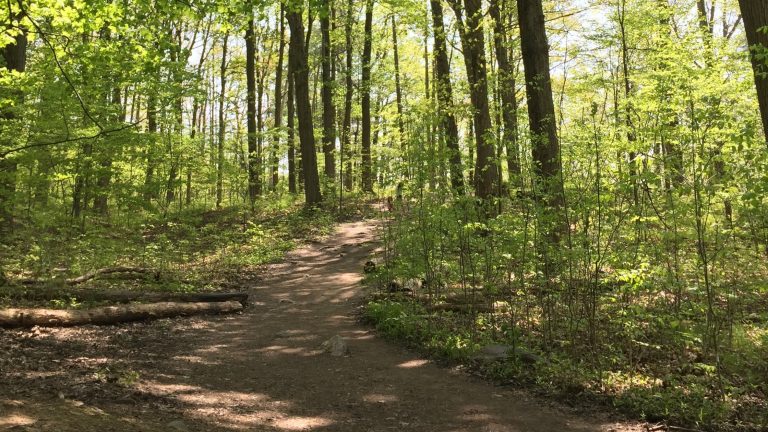
Spring breathes new life into the historic park as vibrant wildflowers blanket the grounds and the warm sun illuminates the rich tapestry of California’s past.
Experience the rich tapestry of California’s history under the warm summer sun, with June, July, and August offering ideal weather and a variety of engaging events.
In fall, the park’s historic sites and vineyards offer a captivating glimpse into California’s past amid vibrant autumn colors and harvest festivities.
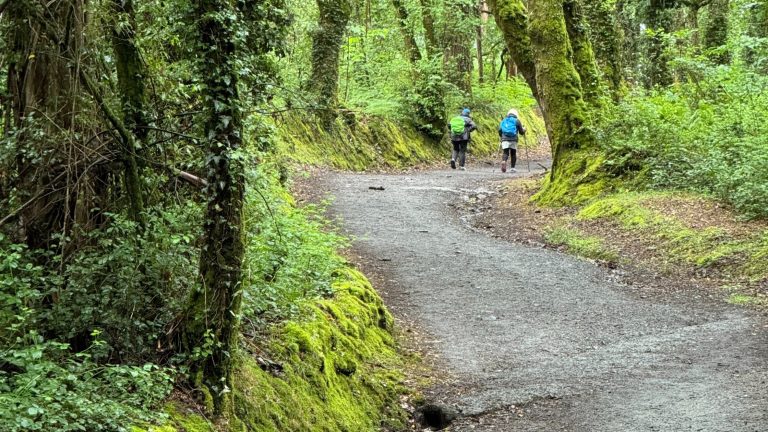
Winter’s cool temperatures and occasional mist transform the area into a lush green landscape, offering a serene atmosphere to explore historic sites without the usual crowds.
Top 3 Facts about Sonoma State Historic park
In this region, rare sightings of the elusive San Francisco garter snake occur, alongside the migration of thousands of monarch butterflies, making it a unique habitat where both endemic species and extraordinary animal events captivate nature enthusiasts and researchers alike.
In 2020, a rare phenomenon occurred when a localized microclimate in the area produced temperatures 15 degrees cooler than surrounding regions, showcasing the unique interplay of topography and vegetation that can create significant variations in weather patterns within a relatively small geographic area.
Known for its diverse outdoor activities, this historic park features the bizarrely named “Screaming Eagle Trail,” while unusual rules prohibit loud music and alcohol, ensuring a serene environment for nature lovers and athletes alike, making it a unique destination for outdoor recreation.
Travel Tips
Plan Ahead
Planning ahead is essential for a seamless visit to this historic gem. Check the park’s schedule for guided tours and events, ensuring you don’t miss out on unique experiences. Bring comfortable shoes for exploring the expansive grounds, and consider packing a picnic to enjoy amidst the stunning scenery. Arriving early allows you to soak in the tranquil atmosphere before the crowds arrive.
Pack Appropriately
Pack layers to adapt to Sonoma’s unpredictable coastal climate. Mornings can be foggy and cool, while afternoons often warm up, so include a lightweight jacket and breathable clothing. Don’t forget comfortable walking shoes for exploring the diverse landscapes, and bring a reusable water bottle to stay hydrated as you wander through the stunning trails and historic sites.
Respect Wildlife
When exploring the natural beauty of this California gem, prioritize respecting the local wildlife. Keep a safe distance from animals, avoid feeding them, and stay on designated trails to protect their habitats. Carry binoculars for a closer look at birds and other creatures without intruding on their space, ensuring a harmonious experience for both visitors and residents alike.
Stay Informed
Before your visit, stay informed by checking the weather, temperatures, and any fire bans or notices. Know the emergency contact information and share your plans with someone, including your destination and expected return time, to ensure your safety and preparedness.
Accessibility & permits
Emergency

Planning a trip?
Tell us about your upcoming trip and how we can help!
Frequently Asked Questions
Ready to dive into what Sonoma State Historic park has to offer? Let’s tackle some of the burning questions you might have as you plan your visit!
-
Sonoma State Historic Park’s operating hours vary by season, typically open from 10 AM to 5 PM daily, but it’s best to check for any seasonal changes or special events that may alter these hours.
-
There is no admission fee for Sonoma State Historic Park, making it an accessible destination for visitors looking to explore California’s history and natural beauty.
-
Pets are welcome in Sonoma State Historic Park, but they must be kept on a leash and are not allowed in certain historic buildings.
-
Guided tours are available at the park, offering a deeper insight into the area’s history and significance. Check the park’s schedule for specific tour times and availability.
-
Nearby camping options include Sonoma County Regional Parks, such as the Sonoma Valley Regional Park and the nearby Sugarloaf Ridge State Park, both offering beautiful sites for camping and outdoor activities.