Discover the Enduring Beauty of America's Last Great Prairie Haven
Discover the Enduring Beauty of America's Last Great Prairie Haven
Tallgrass Prairie National Preserve, situated in the heart of Kansas’s Flint Hills, is a vast and untouched expanse of natural beauty that whispers tales of a bygone era. Spanning 10,894 acres, this preserve is the last bastion of the once-vast tallgrass prairie ecosystem that stretched across central North America. Here, the rolling hills, carpeted with big bluestem, Indian grass, and switchgrass, sway gently in the breeze, punctuated by vibrant wildflowers that bloom in every hue.
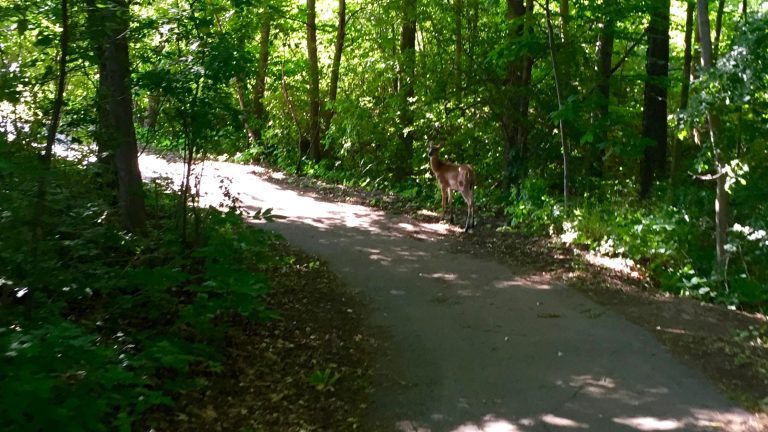
The preserve is home to a diverse array of wildlife, including bison, deer, and the elusive greater prairie-chicken. Over 40 miles of hiking trails crisscross the landscape, inviting visitors to immerse themselves in the solitude and grandeur of the prairie. Historic tours of the 1880s limestone mansion and the imposing three-story limestone barn offer a glimpse into the region’s rich ranching legacy.
During the summer, guided bus tours traverse the prairie, narrating the stories of American Indian history and the unique ecosystem. As the seasons change, the prairie transforms: spring brings bursts of wildflowers, summer heat sees the grasses at their tallest, and autumn paints the landscape with golden hues. For those seeking more than just a visit, the preserve hosts various events, including cell phone tours and seasonal festivals that celebrate the prairie’s enduring spirit.
Nearby, the charming town of Council Grove offers artisanal shops and local eateries, while Strong City, just a few miles away, provides a quaint backdrop for exploring the surrounding Flint Hills. Whether you are a nature enthusiast, a history buff, or simply someone who appreciates the untouched beauty of the American heartland, Tallgrass Prairie National Preserve is a destination that promises an unforgettable experience.
Seasons
Experience spring’s vibrant blooms and mild temperatures (60s-70s°F) with scenic hikes and historic tours. Join the guided Tallgrass Tour in April, featuring the Spring Hill Ranch and Fox Creek School. Ideal time for outdoor enthusiasts to immerse in native prairies and rich cultural heritage.
Experience summer’s warmth, with temperatures in the 80s and 90s, amidst vibrant tallgrass and American Indian cultural events. Join guided prairie bus tours and celebrate Independence Day with special activities in July. Ideal for outdoor enthusiasts, despite the heat.
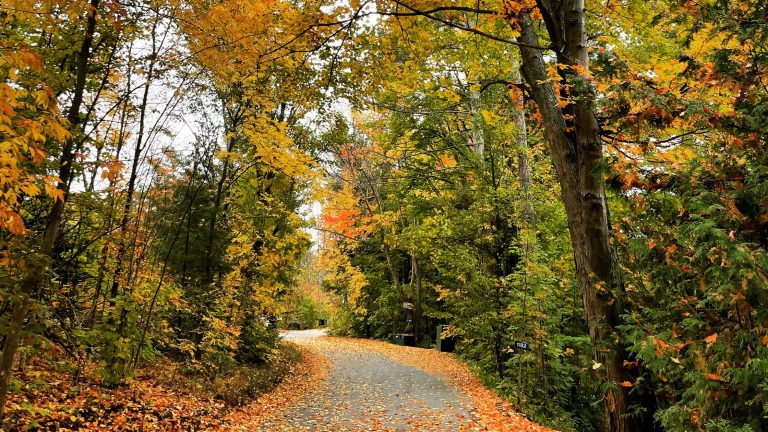
Experience the golden hues of fall amid temperate temperatures (60s-70s°F) and mild weather. Enjoy the 19th annual Labor Day weekend quilt display and a lively Barn Dance in August and September. Ideal for hiking and wildlife watching before the winter chill.
Experience the serene winter landscape from December to February, with temperatures ranging from 60°F to well below freezing. Snowstorms are occasional, and icy surfaces prevail. Harsh winds and dormant wildlife make it a unique, rugged adventure for the intrepid traveler.
Top 3 Facts about Tallgrass Prairie National Preserve
The area is home to as many as 10 million insects per acre, highlighting its extraordinary biodiversity and ecological richness. The unique geology, with chert interspersed in limestone layers, protects hilltops and forms hillside benches through erosion.
In this sprawling grassland, over 500 plant species thrive, including big bluestem, Indian grass, and a vibrant array of wildflowers. The landscape is home to more than 150 bird species, such as greater prairie chickens and red-tailed hawks, alongside mammals like bison, white-tailed deer, and bobcats. This ecosystem also supports a diverse array of insects, amphibians, and reptiles, making it a rich tapestry of natural life.
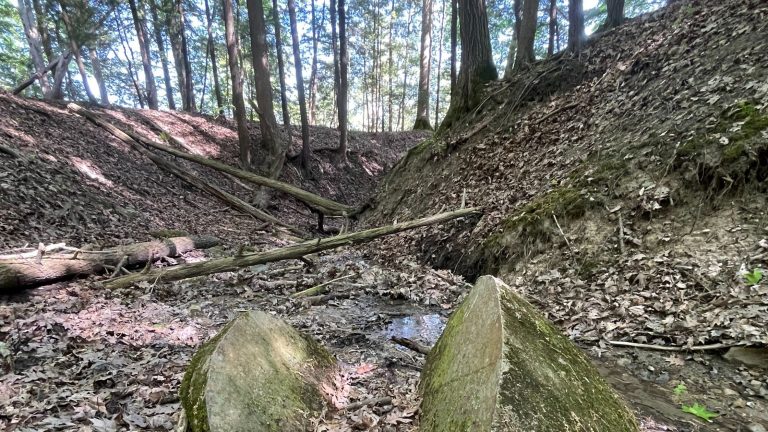
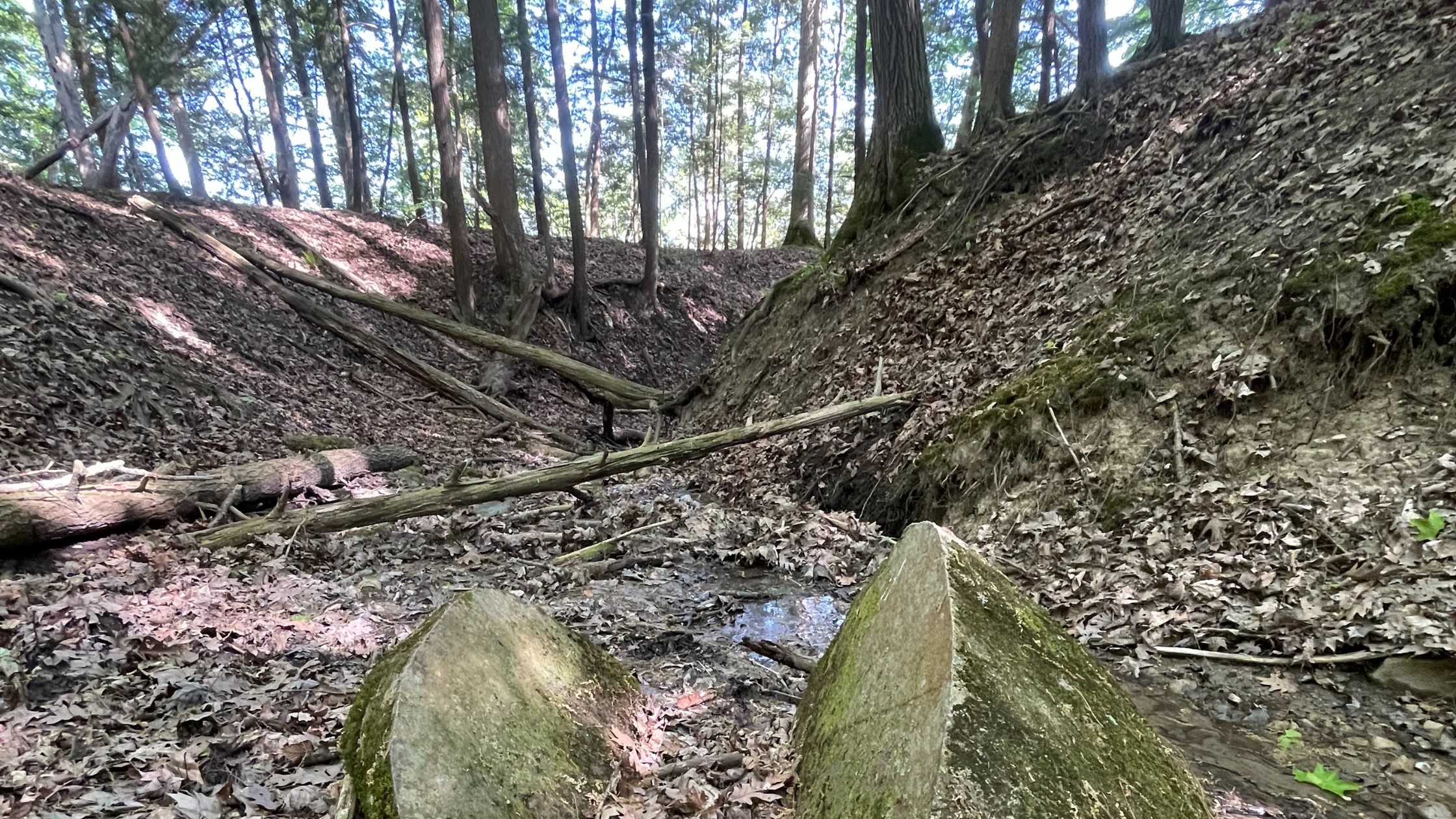
In the heart of the Flint Hills, ancient limestone, shale, and chert rocks, formed 280 million years ago, sculpt the landscape. Chert, harder than limestone, caps hilltops and forms narrow, horizontal benches, protecting the terrain from erosion. This unique geological tapestry is set against a backdrop of vast, rolling hills and an incredible diversity of flora and fauna. As you explore, the rustling of big bluestem and little bluestem grasses accompanies you, while the sky above is a canvas of endless blue, punctuated by the songs of over 200 bird species.
Travel Tips
Plan Ahead
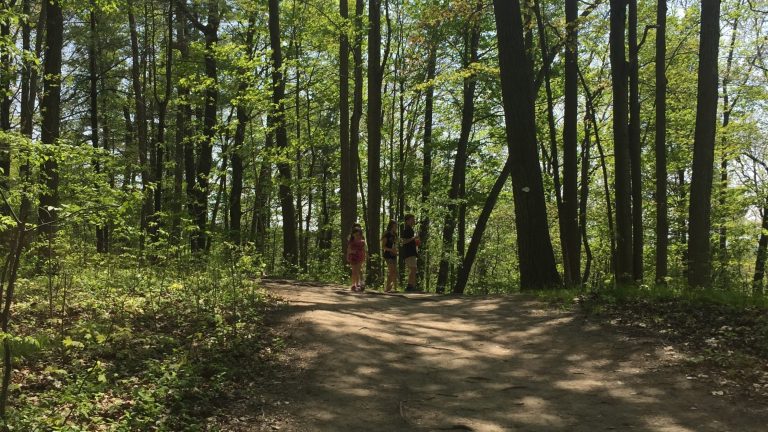
Plan a few days for summer visits to explore gravel, dirt, and mowed trails. Start at the Visitor Center for orientation. Bring sunscreen, insect repellent, and water. Wear sturdy shoes and anticipate rest breaks. Limited dining options; pack meals. Enjoy the bison during the annual Prairie Festival.
Pack Appropriately
Pack layers for varying weather, sturdy hiking boots, and a waterproof tent if camping. Bring headlamps, extra batteries, and a multi-tool. Don’t forget water, snacks, and sun protection. Check the season for specific gear needs.
Respect Wildlife
Observe wildlife from a safe distance, avoid disturbing ground-nesting birds, and stay on designated trails to protect the delicate ecosystem. No pets, no plant collection, and no motorized vehicles. Respect the seasonal habitats and leave no litter behind.
Stay Informed
Stay informed about weather, fire restrictions, and trail conditions. Exercise caution on trails, near ledges, and around water. Follow signs and park rules. For emergencies, call 911 or park authorities at the provided contact number. Check park alerts before your visit.
- Area (mi²)
- 17
- Annual visitors
- 29 009
- Established year
- 1996
Accessibility & permits
Emergency

Planning a trip?
Tell us about your upcoming trip and how we can help!