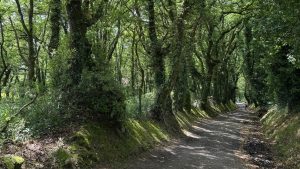
Discover the untamed beauty and diverse wildlife of Florida's hidden natural gem.
Discover the untamed beauty and diverse wildlife of Florida's hidden natural gem.
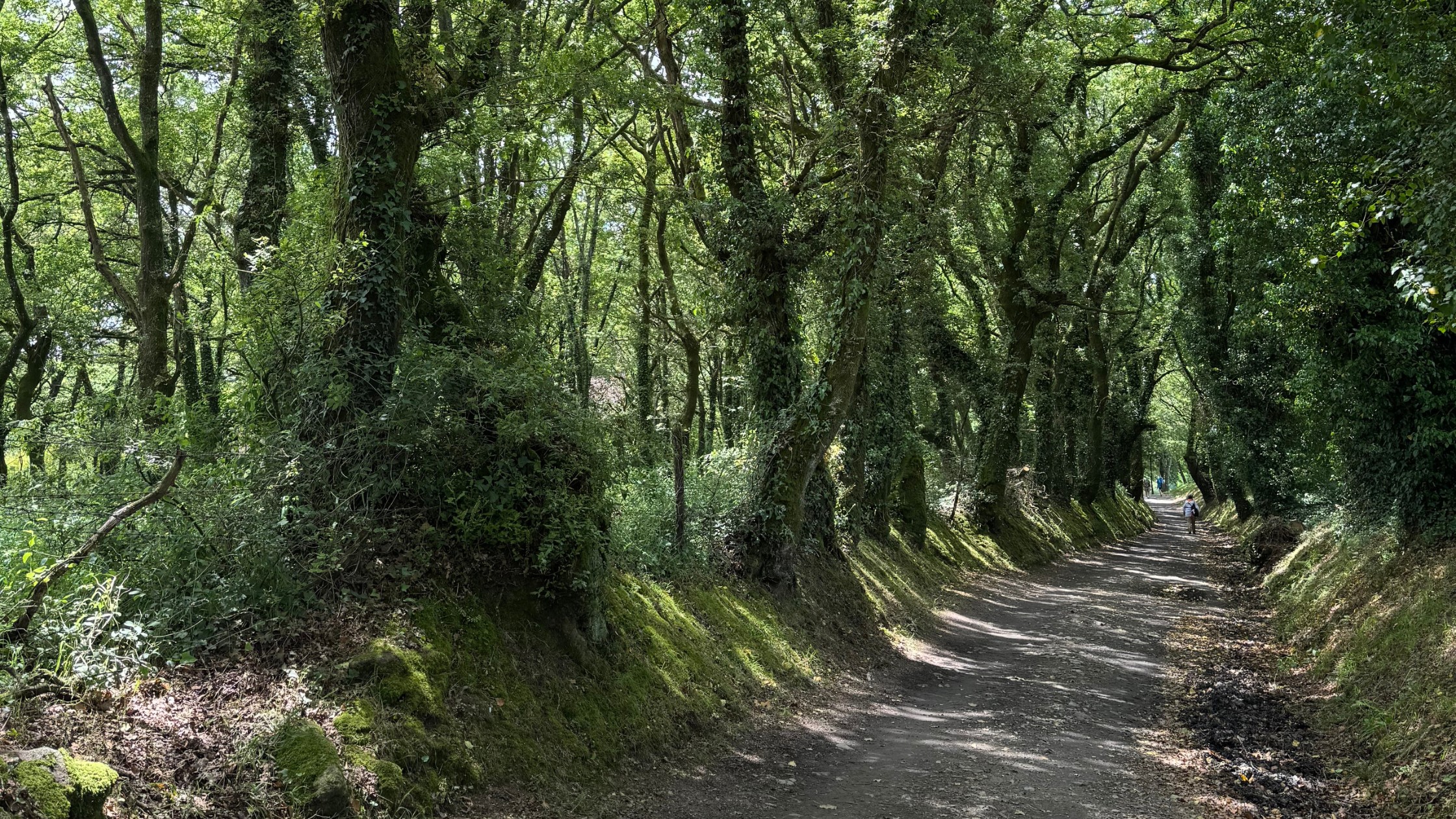
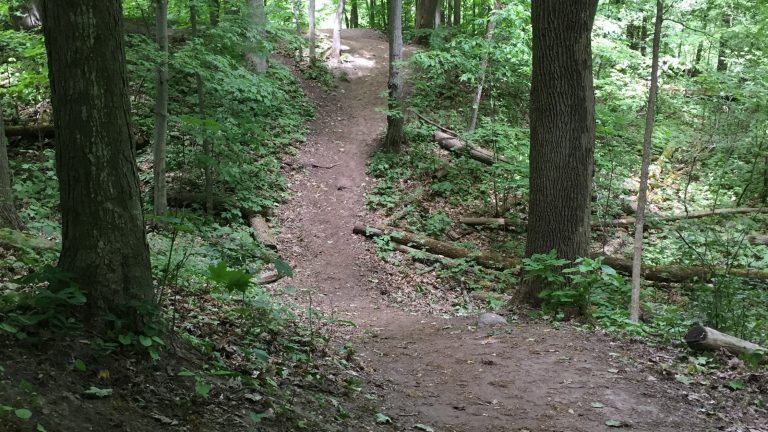
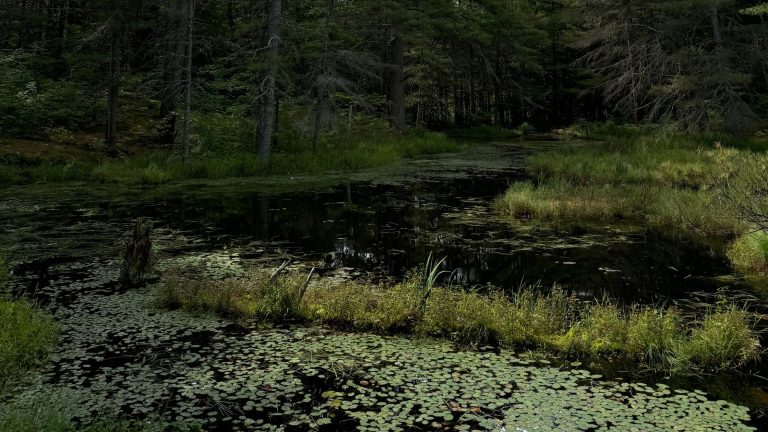
Tate’s Hell Wildlife Management Area, a hidden gem in Florida’s Panhandle, offers an enchanting escape into the heart of nature. Spanning over 202,000 acres, this sprawling wilderness is a sanctuary for outdoor enthusiasts and wildlife alike. Visitors can explore winding trails that meander through lush forests, marshlands, and pristine rivers, revealing a diverse ecosystem teeming with life.
The area is a paradise for birdwatchers, with over 200 species gracing the skies. From majestic eagles to vibrant songbirds, Tate’s Hell provides a stunning backdrop for observing these avian wonders. Anglers can cast their lines into the area’s many waterways, where fish abound, promising a rewarding day on the water.
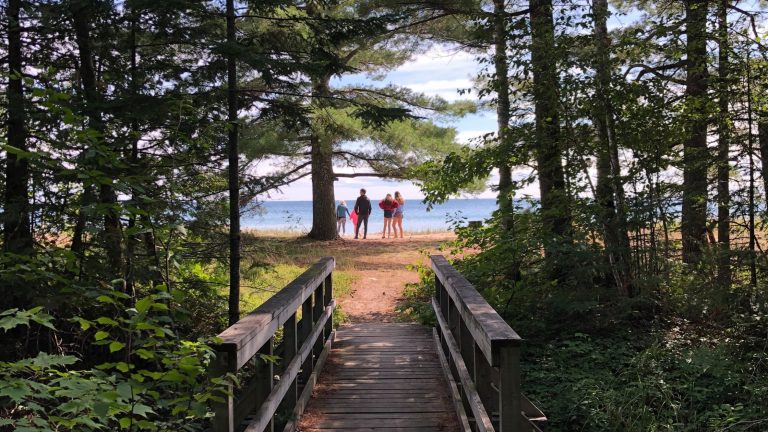
For those seeking adventure, the park offers ample opportunities for hiking, biking, and kayaking. As the sun sets, the landscape transforms, painting the sky with hues of orange and pink. This serene environment invites visitors to unwind and connect with nature, making Tate’s Hell Wildlife Management Area a must-visit for anyone craving an authentic Florida experience.
Seasons
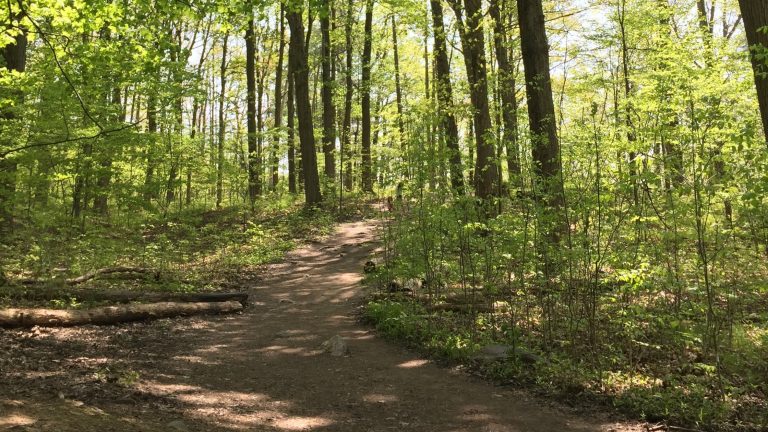
Spring’s mild temperatures and blooming wildflowers make it an ideal time to explore Florida’s diverse ecosystems, offering opportunities for hiking, birdwatching, and paddling.
Summer’s sultry embrace transforms this coastal haven into a haven for anglers, birdwatchers, and hikers, offering unparalleled access to its lush, diverse ecosystems.
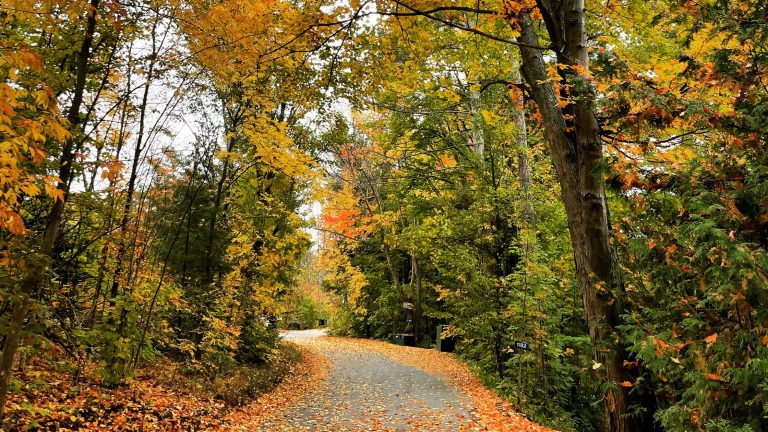
In fall, cooler temperatures and reduced insect activity make exploring the diverse ecosystems and observing abundant wildlife more comfortable and enjoyable.
Winter’s cool embrace transforms this coastal haven into a serene retreat, offering mild temperatures and reduced insect activity, perfect for exploring its diverse ecosystems and abundant wildlife.
Top 3 Facts about Tate's Hell Wildlife Management Area
This unique area is known for its unusual animal sightings, including the rare Red-cockaded Woodpecker and the elusive Eastern Indigo Snake, while also serving as a critical stopover for migratory birds, showcasing an extraordinary diversity of wildlife and habitats that attract nature enthusiasts and researchers alike.
In this unique region, temperatures can vary drastically, creating microclimates that support diverse ecosystems, while storm-related phenomena like the formation of ghost forests occur when saltwater intrusion from hurricanes kills nearby trees, leaving behind hauntingly beautiful remains that tell a story of resilience and change.
Known for its unique trail names like “The Big Piney” and “The Lost Swamp,” this area also prohibits certain activities like hunting with dogs, ensuring a serene environment for wildlife observation and hiking enthusiasts, while offering a chance for first-time adventurers to explore diverse ecosystems.
Travel Tips
Plan Ahead
Planning ahead is essential for an enjoyable visit to this unique Florida destination. Research the best trails, pack plenty of water, and bring insect repellent to fend off pesky bugs. Check the weather forecast and arrive early to make the most of your day, as wildlife sightings are best during cooler hours. Don’t forget your camera to capture the stunning landscapes and diverse ecosystems.
Pack Appropriately
When packing for your adventure in this unique Florida wilderness, remember to include a lightweight, breathable mosquito net. The area’s humid subtropical climate fosters a vibrant insect population, especially during warmer months. This simple addition can enhance your experience, allowing you to fully immerse yourself in the stunning landscapes without the distraction of pesky bites.
Respect Wildlife
When exploring this unique Florida landscape, prioritize wildlife respect by observing animals from a distance and refraining from feeding them. Keep trails clear and avoid disturbing nests or habitats to ensure a harmonious experience for both visitors and creatures. Carry binoculars for a closer look at the diverse bird species and other wildlife, enhancing your adventure while preserving their natural behaviors.
Stay Informed
Before your visit, stay informed by checking the local weather, temperatures, and any fire bans or notices. Make sure to share your plans with someone, including your destination and expected return time, and keep emergency contact information handy to ensure a safe and enjoyable experience.
Accessibility & permits
Emergency

Planning a trip?
Tell us about your upcoming trip and how we can help!
Frequently Asked Questions
Ready to dive into what Tate's Hell Wildlife Management Area has to offer? Let’s tackle some of the burning questions you might have as you plan your visit!
-
Tate’s Hell Wildlife Management Area offers a variety of activities including hiking, birdwatching, fishing, and wildlife observation. Visitors can explore numerous trails, enjoy picnicking, and engage in seasonal hunting opportunities. The area is known for its diverse ecosystems, making it a great spot for nature enthusiasts.
-
To obtain a camping permit for Tate’s Hell WMA, you can visit the Florida Fish and Wildlife Conservation Commission’s website or contact the local office. Permits are typically required for camping, and it’s advisable to check for any specific regulations or availability before your visit.
-
Yes, there are off-road vehicle trails in Tate’s Hell State Forest. These trails are designated for off-road vehicle use and provide an adventurous way to explore the forest. Ensure you check the trail maps and regulations for safe and responsible riding.
-
Tate’s Hell WMA is home to a variety of wildlife species, including white-tailed deer, wild turkey, black bear, and numerous bird species. The diverse habitats support both aquatic and terrestrial wildlife, making it a prime location for wildlife observation.
-
The best time to visit Tate’s Hell State Forest is during the cooler months, typically from October to April. This period offers pleasant temperatures and lower humidity, ideal for outdoor activities such as hiking and wildlife watching.