


Boreal Coastline, Whale Watching, and Dark Skies in Eastern Newfoundland
Boreal Coastline, Whale Watching, and Dark Skies in Eastern Newfoundland
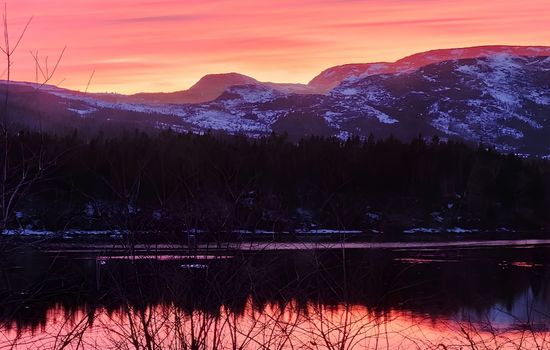
On the northeast coast of Newfoundland, where the ancient Appalachian Mountains reach their Atlantic conclusion in a coast of rocky headlands, sheltered inlets, and finger-like arms of Bonavista Bay, Terra Nova National Park offers a Newfoundland wilderness experience that feels both profoundly remote and surprisingly accessible. Established in 1957 as Newfoundland and Labrador’s first national park, Terra Nova covers 400 square kilometres of eastern island boreal forest and designated a Dark Sky Preserve, where the night sky above the park’s bogs and ponds remains among the most star-dense in eastern Canada.
The park is built around two anchor campgrounds, Newman Sound in the centre and Malady Head at the north end, from which 80 kilometres of trails radiate into different corners of the park’s coastal and interior landscape. The Coastal Trail is the park’s most celebrated route, following the shoreline to the intertidal zone, through coastal boreal forest, and up to Pissamere Falls. Ochre Hill delivers panoramic views over Clode Sound and Bread Cove. The park’s network ranges from 30-minute family walks on accessible boardwalks to the 35-kilometre multi-day Outport Trail, a backcountry route through boreal wilderness to historic coastal communities that requires advance permit and planning. Sandy Pond, a freshwater swimming area near the Visitor Centre, offers a calm-water beach experience that families can combine with the adjacent Visitor Centre’s marine aquariums and touch tank. The Visitor Centre’s exhibits on coastal Newfoundland ecosystems and the park’s role in protecting the eastern island boreal forest natural region provide excellent orientation for first-time visitors.
On the water, Terra Nova’s sheltered inlets and coves are ideal kayaking terrain. The Southwest Arm, Newman Sound, and the approach to remote campsites accessible by water taxi from the visitor centre offer guided and self-guided paddling. Organized boat tours and kayaking excursions connect visitors to humpback, minke, and fin whales that feed in the bay offshore, along with seals and seabirds. Bald eagles and ospreys are resident and regularly visible from the Coastal Trail. Moose, black bears, lynx, and the Newfoundland pine marten inhabit the forest; wildlife encounters are a realistic expectation on morning hikes.
Families appreciate Terra Nova’s combination of approachable infrastructure and genuine Newfoundland wilderness character. The Sandy Pond beach is stroller-accessible; the Visitor Centre programs engage children directly. Multi-generational groups do well dividing time between the easier coastal walks, the campfire programs at the outdoor theatre, and boat tours for those who prefer not to hike. Pet-first travelers should verify current Parks Canada pet rules before visiting, as national park regulations apply throughout.
The communities surrounding the park, including Port Blandford, Glovertown, and the Eastport Peninsula, offer cozy vacation rentals, lakeside cottages, and waterfront homes along the Bonavista Bay corridor. Properties with BBQ grills and outdoor decks take full advantage of the evening light over the bay. After days of hiking and paddling, a comfortable vacation home with a full kitchen gives families the room and amenities to truly relax and settle into the slower rhythm that Newfoundland is known for. Book your accommodations near Terra Nova National Park through Lake.com.
Seasons
April – June: spring bloom, cascading streams, migratory birds, and mild hiking conditions.
June – August: warm days, long light hours, ideal for hiking, kayaking, wildlife viewing, and beach activities.
September – October: crisp air, autumn foliage, salmon runs, fewer crowds; perfect for scenic hiking and photography.
December – March: snowshoeing, cross-country skiing, ice fishing, snowmobiling, and quiet winter landscapes; some roads may close.
Top 3 Facts about Terra Nova National Park
Terra Nova National Park, established in 1957, was the first national park in Newfoundland and Labrador and is Canada’s most easterly national park. The park covers 399 square kilometres of the eastern island boreal forest natural region along the northeast coast of Newfoundland, where the coastline is characterized by rocky headlands, sheltered inlets, and the finger-like arms of Bonavista Bay carved by ancient glacial activity.
The park offers more than 80 kilometres of hiking trails ranging from the easy accessible boardwalk loops near Sandy Pond to the challenging 35-kilometre multi-day Outport Trail, a backcountry route through coastal boreal wilderness connecting to historic outport communities. Marine wildlife in and adjacent to the park includes humpback, minke, fin, and pilot whales, harp seals, orcas, and dolphins offshore, along with resident bald eagles, ospreys, and more than 200 bird species within park boundaries.
Terra Nova National Park is designated a Dark Sky Preserve, protecting some of the darkest and most star-dense night skies in eastern Canada. The park’s Visitor Centre is open seasonally and features marine aquariums, a touch tank, and exhibits on coastal Newfoundland ecosystems. Sandy Pond, a freshwater swimming area accessible by short trail from the Visitor Centre, was partially created in 1970 when a dam and sandy beach section were added to expand family swimming capacity.
Travel Tips
Plan Ahead
Camping reservations at Newman Sound and Malady Head campgrounds are made through Parks Canada’s reservation system at reservation.pc.gc.ca; summer weekends fill well in advance. The Outport Trail requires a backcountry permit; reserve in advance through Parks Canada. All visitors require a valid entry pass. The park is open year-round, with visitor services operating from May through mid-October. Check parks.canada.ca/terranova for current trail conditions, facility hours, and any closures before visiting. Guided programs run from the Visitor Centre throughout summer.
Pack Appropriately
Dress in layered, waterproof clothing regardless of the season; Newfoundland weather is famously changeable and fog, rain, and wind can arrive at any time on the coast. Bring insect repellent for blackflies and mosquitoes active from late May through July. Wear sturdy, waterproof hiking footwear for rocky coastal trails. Kayakers should carry a wetsuit or drysuit in addition to a PFD; water temperatures in Bonavista Bay are cold year-round. Pack a rain jacket and spare dry layers in any waterproof bag on any day trip.
Respect Wildlife
Moose are a significant road hazard in Newfoundland and throughout the park; drive carefully at dawn and dusk when moose cross roads. Black bears inhabit the forest; follow Parks Canada bear safety guidelines and store food in bear-resistant containers at backcountry campsites. Maintain distance from all marine wildlife including whales and seals observed from shore or during boat tours; never approach or attempt to interact with marine mammals. Keep leashed pets under control and away from wildlife. Confirm current park pet rules at parks.canada.ca/terranova.
Stay Informed
Check parks.canada.ca/terranova for current trail conditions, marine weather advisories, and facility status before each outing. Coastal weather in Bonavista Bay can change rapidly; monitor marine forecasts before paddling or boat touring. Newfoundland moose population density is very high; take all road hazard advisories seriously on Trans-Canada Highway and park roads. For emergencies within the park, call 9-1-1. For wildlife incidents or non-emergency park information, contact Terra Nova at 709-533-2801 or email [email protected].
- Area (km²)
- 247.84
- Annual visitors
- 180 000
- Established year
- 1957
Accessibility & permits
Emergency

Planning a trip?
Tell us about your upcoming trip and how we can help!
Nearby parks
Frequently Asked Questions
Ready to dive into what Terra Nova National Park has to offer? Let’s tackle some of the burning questions you might have as you plan your visit!
-
The closest major city to Terra Nova National Park is Gander, which is about 60 kilometres northwest of the park. Gander also has an airport, making it a convenient option for travelers. The park is also approximately 250 kilometres northwest of St. John’s, the capital of Newfoundland and Labrador.
-
The easiest hiking trail is the Salmon River Walking Trail, which is 435 metres long and takes about nine minutes to complete. Another easy option is the Mill Cove Lookout trail, a 1-mile out-and-back hike with a short climb to a barren rock for great views. The Terra Nova Coastal Trail is also easy, meandering along the coast with minimal elevation changes.
-
Dogs are allowed on the trails but must be kept on a leash. They can accompany you on over 80 km of trails, ranging from easy walks to multi-day hikes. However, dogs can stress wildlife, so it’s important to respect trail guidelines.
-
You can camp overnight in your RV, including camper vans, motorhomes, and trailers, at the Newman Sound campground, which offers various sites with electricity, water, and sewer hook-ups. The campground is open from May 17 to October 13. There are no specific size restrictions mentioned, but each site can have a maximum of one wheeled camping unit and one regular vehicle.
-
You can go camping, hiking on trails like the Coastal Trail and Ochre Hill hike, and enjoy activities such as fishing, boating, and sea kayaking on Newman Sound. Guided walks with interpreters are available to spot wildlife and taste edible plants. Other activities include bird watching, stargazing, swimming, and visiting the Canadian Wildlife Bird Sanctuary to see bald eagles and ospreys.