


Granite Islands, St. Lawrence Paddling, and River Camping




















Granite Islands, St. Lawrence Paddling, and River Camping
Where the Canadian Shield meets the Adirondack Mountains, ancient granite breaks the surface of the St. Lawrence River in a scatter of forested islands that have drawn travelers since the nineteenth century. Thousand Islands National Park, established in 1904 as the first national park east of the Canadian Rockies, protects more than 20 islands and several mainland properties between Kingston and Brockville, Ontario, preserving one of the most ecologically distinct river landscapes in Canada.
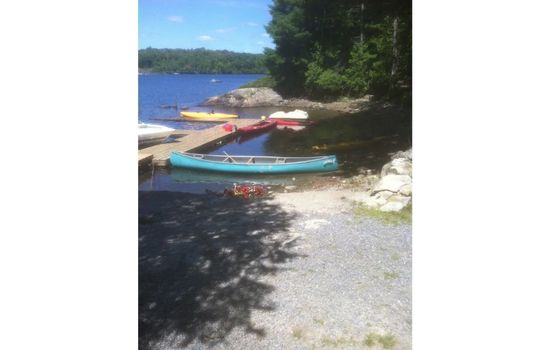
The park’s geography is inseparable from its defining activity: getting on the water. Most of the islands are accessible only by boat, making kayaking, canoeing, and motorboating the primary ways to explore. Sheltered coves, rocky shorelines, and quiet channels between islands reward paddlers who want to move at their own pace. The mainland properties at Mallorytown Landing, Landon Bay, and Jones Creek offer hiking trails through mixed forest, picnic areas, and a visitor centre where families can learn about the park’s biodiversity and the Frontenac Arch Biosphere Reserve, a UNESCO-recognized ecosystem connecting the Canadian Shield to the Adirondacks. Guided island-hopping tours and gorge tours depart from nearby Gananoque and Kingston in summer, giving visitors who arrive without a boat access to the heart of the park.
Families find the park approachable across a range of comfort levels. Younger children do well at Mallorytown Landing’s beach, trail, and interpretive programs, while older kids and teens take readily to paddling and island exploration. Island camping, available on several park islands and through Parks Canada’s oTENTik glamping-style tent program, makes multi-night trips possible even for groups without camping equipment. Pet-first travelers should check current Parks Canada regulations at parks.canada.ca/1000 before planning, as pet policies vary by area and season.
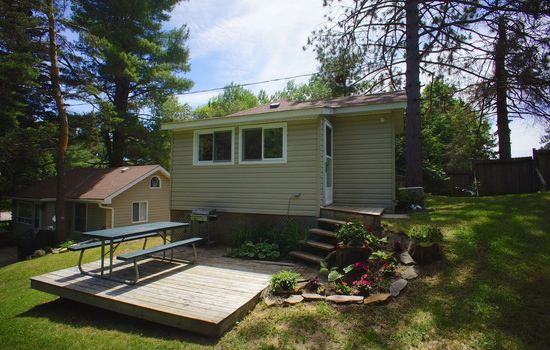
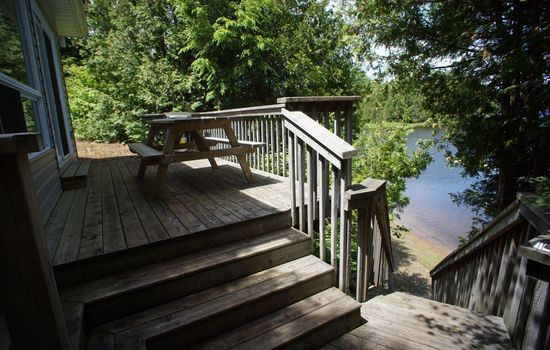
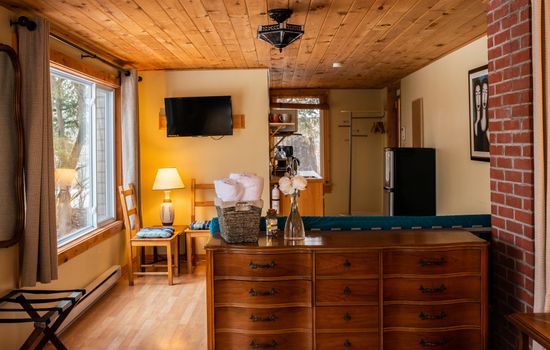
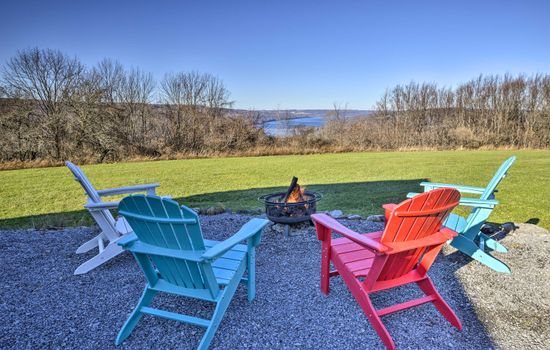
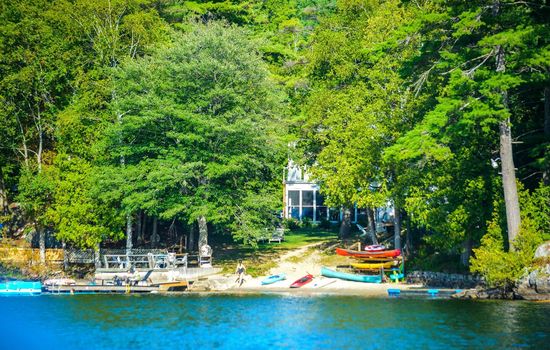
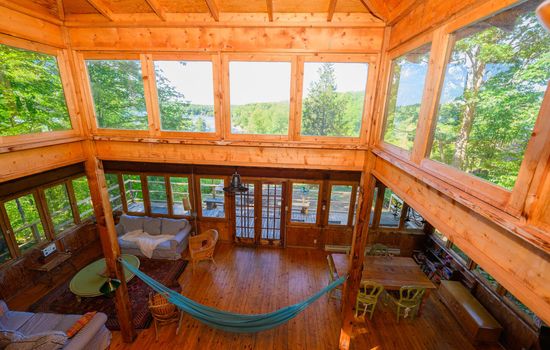
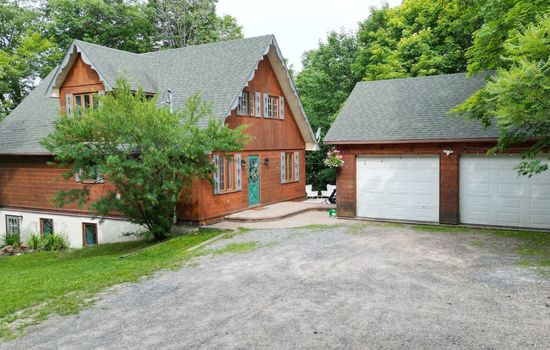
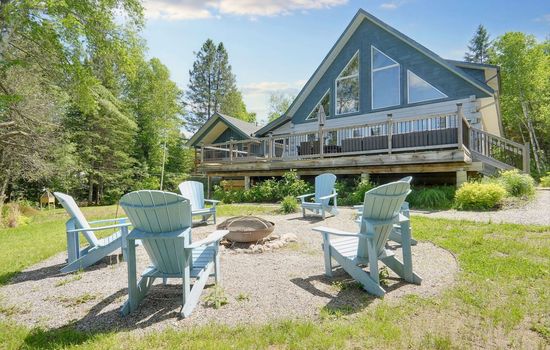
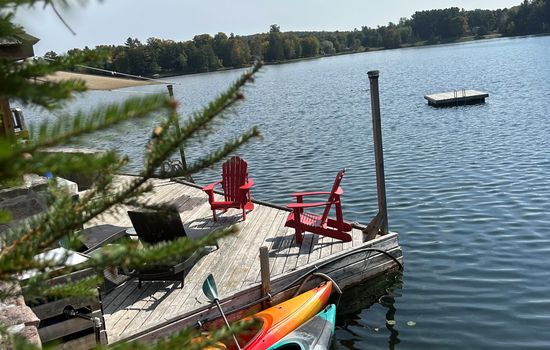
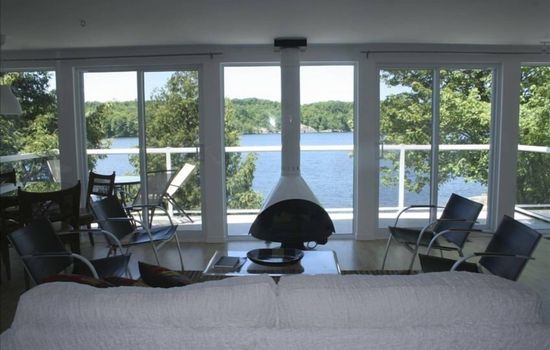
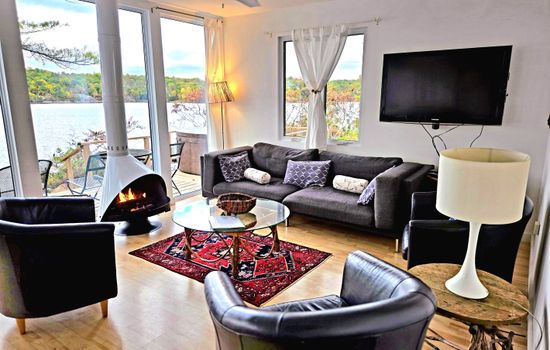
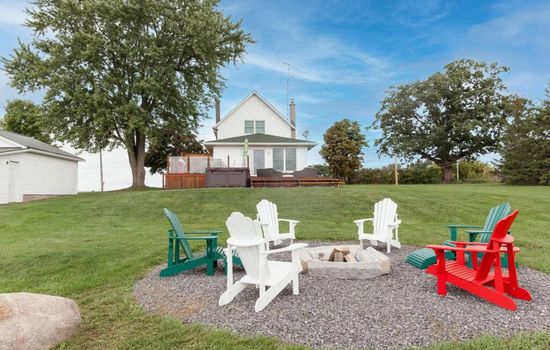
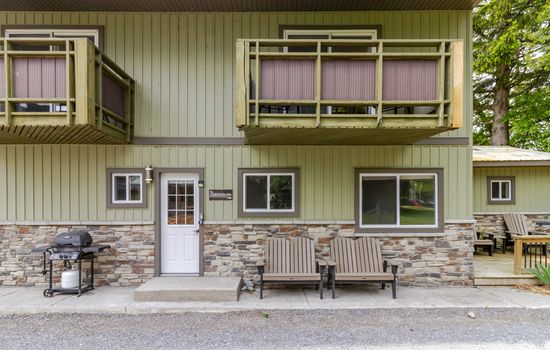
The Thousand Islands region surrounding the park is well stocked with accommodation options that suit the Lake.com traveler. Waterfront vacation homes and cozy cabins along the river or near Kingston and Gananoque offer beautiful views of the islands from the shore, with dock or boat slip access at select properties. Larger homes with multiple bedrooms and a full kitchen sleep multi-generational groups comfortably after days on the water, and some properties include a fire pit or BBQ grill for evening gatherings. Pet-friendly vacation rentals are available in gateway communities within easy driving distance of all three mainland park entry points.
Island camping and oTENTik reservations open months in advance and fill quickly for summer. Book early through Parks Canada’s reservation system. The park is open year-round at mainland properties, though islands are not accessible in winter due to ice hazards. Check parks.canada.ca/1000 for current conditions and seasonal facility hours before visiting. Book your accommodations near Thousand Islands National Park through Lake.com.
Seasons
Late April–June: wildflowers bloom, migratory birds arrive, and weather is mild—ideal for hiking and boating.
June–August: warm, long days for kayaking, swimming, and camping; peak wildlife activity and boat cruises.
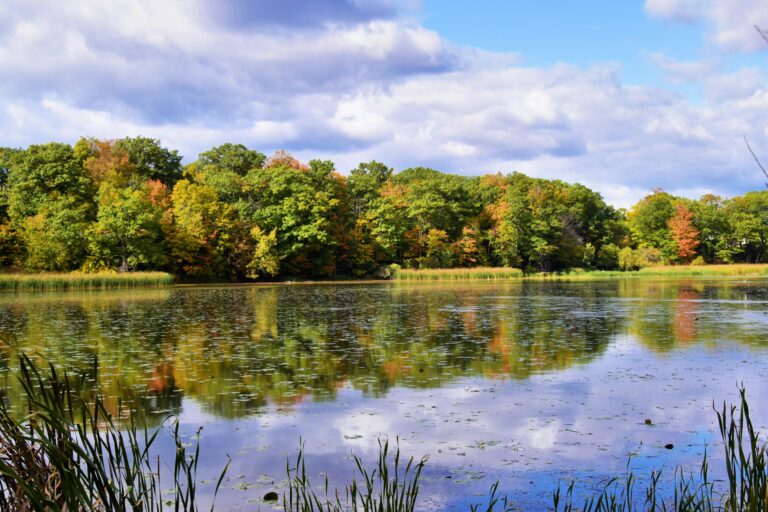
September–October: calm waters, cool air, brilliant fall foliage, fishing and photography with fewer crowds.
December–February: ice fishing, snowshoeing, and cross-country skiing amid snow-covered islands; many services limited.
Top 3 Facts about Thousand Islands National Park
Thousand Islands National Park was established in 1904 as the first national park east of the Canadian Rockies, protecting more than 20 islands and several mainland properties along a 100-kilometre stretch of the St. Lawrence River. With a total land area of just 24.4 square kilometres, it is one of Canada’s smallest national parks, yet sits at the heart of a UNESCO-designated Frontenac Arch Biosphere Reserve of global ecological significance.
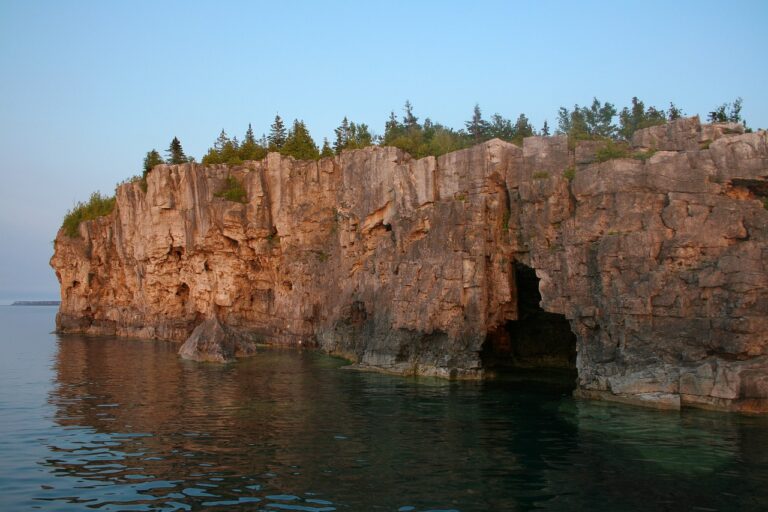
The islands of the park are the exposed summits of ancient Precambrian granite mountains, part of the Frontenac Axis that connects the Canadian Shield to the Adirondack Mountains. The region supports species found nowhere else in Canada, including the pitch pine, and hosts a remarkable mix of southern deciduous and northern boreal flora within steps of each other on a single island shoreline.
Most of Thousand Islands National Park is accessible only by boat, making kayaking, canoeing, and motorboating central to the visitor experience. Parks Canada offers island camping and oTENTik glamping-style overnight stays on select islands, providing a genuinely immersive river experience for families and groups who want more than a day visit.
Travel Tips
Plan Ahead
Island camping and oTENTik reservations open months in advance and fill quickly for summer weekends. Book through Parks Canada’s reservation system as early as possible. Many islands require visitors to bring their own boat or rent locally; check with outfitters in Gananoque or Kingston before visiting. The mainland visitor centre and trail system at Mallorytown Landing is accessible without a boat and is a good first stop for first-time visitors. Check parks.canada.ca/1000 for current hours and conditions.
Pack Appropriately
Dress in layers for variable river weather, which can shift from warm and sunny to cool and windy within hours on the St. Lawrence. Bring a waterproof jacket and a change of clothes when paddling. Wear or carry a properly fitted personal flotation device whenever on or near the water. Apply sunscreen and insect repellent before outdoor activity. Bring enough drinking water for the day; potable water is available at Mallorytown Landing but not on all islands.
Respect Wildlife
The park is home to species at risk including several turtle and snake species that rest on rocks and shorelines. Never handle turtles or snakes and give them space to move freely. Do not approach nesting birds along island shores. Store all food properly at campsites to avoid attracting wildlife. Follow Leave No Trace principles: pack out all waste, including food scraps and any materials brought onto islands.
Stay Informed
Check parks.canada.ca/1000 for current park conditions, island access, and any seasonal closures before your visit. Islands are inaccessible in winter due to river ice hazards. For emergencies within the park, call 9-1-1. For wildlife incidents or non-emergency park violations, call 1-877-852-3100.
- Area (km²)
- 15.13
- Annual visitors
- 120 000
- Established year
- 1904
Accessibility & permits
Emergency

Planning a trip?
Tell us about your upcoming trip and how we can help!
Frequently Asked Questions
Ready to dive into what Thousand Islands National Park has to offer? Let’s tackle some of the burning questions you might have as you plan your visit!
-
The closest city to Thousand Islands National Park is Gananoque, Ontario, Canada. It is located on the western boundary of the park and offers dining, lodging, and other amenities. The drive from Toronto to Gananoque is about 3-4 hours, depending on traffic.
-
Yes, there are child-friendly hiking trails. The Jones Creek Trails offer several easy loops, such as the Bear Loop, Turtle Loop, Heron Loop, and Eel Loop, which are relatively flat and suitable for the whole family. These trails range from 0.6 to 1 km and take about 20-25 minutes to complete.
-
You can bring your dog, but it must be on a leash no longer than 3 meters and under control at all times. Dogs are not allowed on most oTENTik sites or beach areas, except for sites 3B and 3E. They should not interfere with other visitors or harass wildlife, and owners must clean up after them.
-
Yes, there are parking fees. The daily flat rate is $8.50, and fees may vary slightly depending on the location within the park. Overnight parking is available for a fee as well.
-
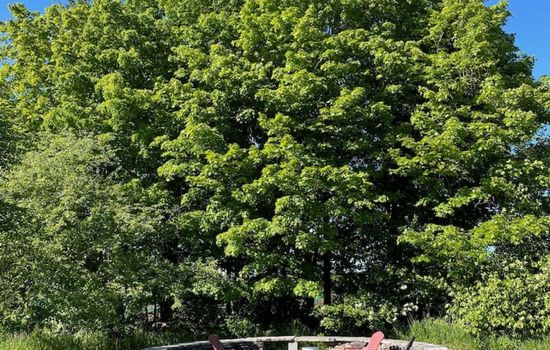
Explore the St. Lawrence River by boating, kayaking, or paddleboarding past granite shorelines and numerous islands. Camp overnight on an island or in a waterfront oTENTik, and enjoy scenic hikes like the Jones Creek Trail. Take self-guided audio tours, relax in red chairs for iconic views, or engage in activities like scuba diving, cross-country skiing, and wildlife spotting.