A Gilded Age Masterpiece Overlooking the Hudson River


A Gilded Age Masterpiece Overlooking the Hudson River
The mansions of the Gilded Age are scattered up and down the Hudson Valley, but Vanderbilt Mansion National Historic Site in Hyde Park occupies a particular place among them. Built between 1896 and 1899 for Frederick and Louise Vanderbilt, the 54-room, six-floor, 45,000-square-foot structure was designed by McKim, Mead and White, the preeminent architectural firm of its era, and conceived as a seasonal country house for spring and fall entertaining. It ended up becoming one of the finest preserved examples of Beaux-Arts domestic architecture in the United States.
What makes the mansion unusual among historic house museums is its completeness. Everything inside, with the exception of the floor carpets and draperies, is original to the Vanderbilts’ occupancy. Imported marble, hand-carved wood paneling, French tapestries, velvet upholstery, and antique building components salvaged from European estates remain exactly where the Vanderbilts left them. The dining room, furnished for parties of up to 30 guests, still holds the original table and silver service. Louise Vanderbilt’s bedroom on the second floor, modeled after the chamber of a French queen during the age of Louis XV, is one of the most opulent domestic spaces open to the public in America.
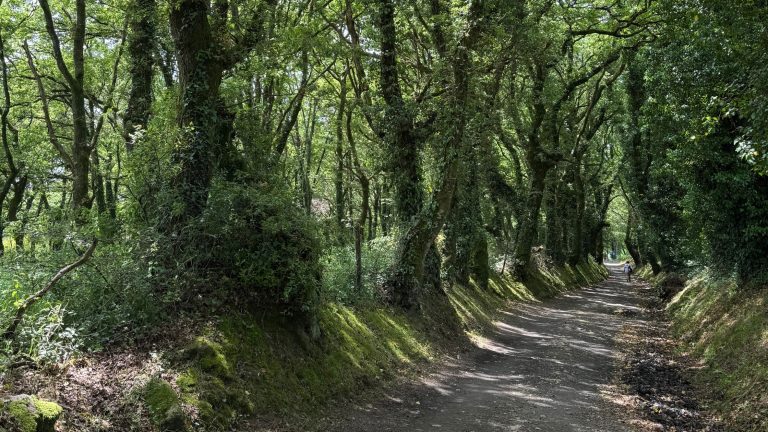
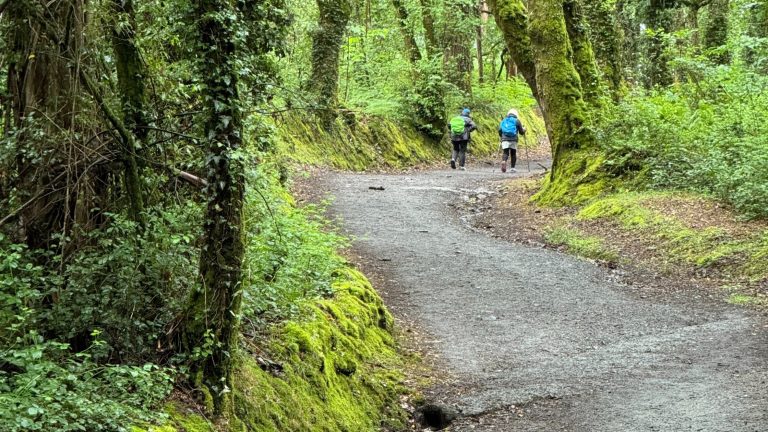
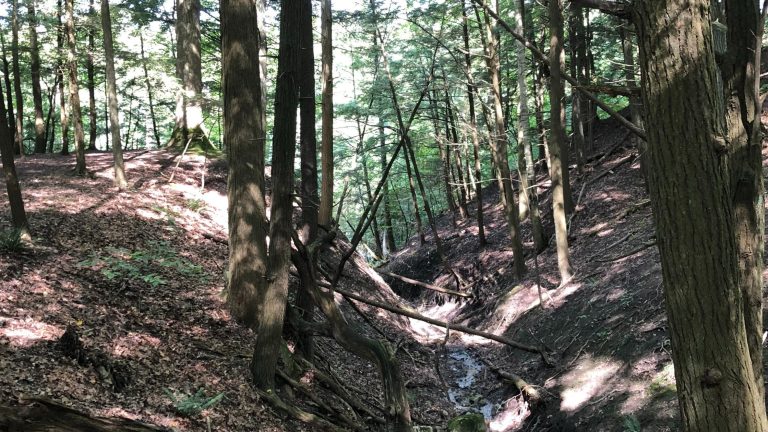
The estate sits on 211 acres on a high bluff overlooking the Hudson River, offering what tradition has long called the ‘Millionaire’s View.’ Formal Italianate gardens terraced down toward the river were designed by landscape architect James Greenleaf. A network of woodland hiking trails winds through the surrounding property. The open lawns and river views are worth visiting even when the mansion is not on tour.
Hyde Park is a genuinely rich destination in its own right. The Franklin D. Roosevelt Presidential Library and Home are less than a mile south, with Eleanor Roosevelt’s Val-Kill nearby. A short drive along the river brings visitors to the Culinary Institute of America, the Mills Mansion at Staatsburgh, and the Hudson Valley wine corridor. President Roosevelt himself advocated for the transfer of the Vanderbilt estate to the National Park Service, and it has been in public hands since it was designated in 1940.
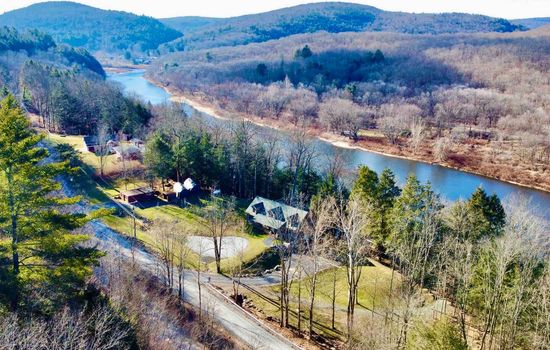
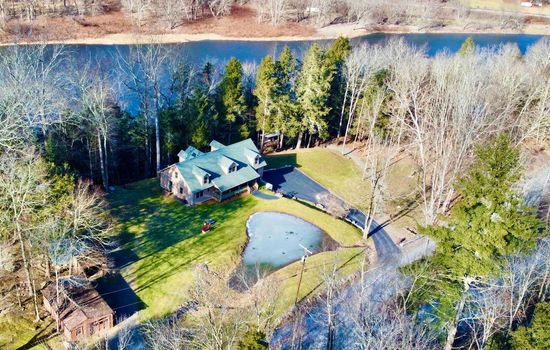
For accommodations, Hyde Park and surrounding Dutchess County offer a range of options from bed-and-breakfasts within walking distance of the mansion to larger vacation homes along the Hudson River that sleep multi-generational groups comfortably with full kitchens and relaxing water views. Poughkeepsie, about six miles south, provides the widest range of rental inventory for larger groups.
Check nps.gov/vama for current tour schedules, ticket reservations, and grounds access hours. Book your accommodations for Vanderbilt Mansion National Historic Site.
Seasons
Visit in spring when temperatures rise to the 60s and 70s, and gardens bloom. Enjoy Shakespeare in the courtyard and mild weather, ideal for hiking and mansion tours.
Experience summer’s warmth (70s-80s°F) amidst lush gardens and historic grandeur. Enjoy guided tours and the annual Music in the Parks summer concerts in June and July. Ideal for outdoor enthusiasts, despite occasional humidity.
Experience the opulence of this historic estate in the fall, with crisp temperatures (50s-60s°F) and vibrant foliage. Visit in November for the festive holiday decorations, a precursor to the holiday tours that begin after Thanksgiving. Elegant and inviting, a perfect autumn getaway.
Experience the grandeur of a Gilded Age mansion amidst winter’s chill, from January to May, with temperatures often in the 20s-40s°F. Crisp air and serene grounds make for a tranquil visit, though tour times may vary. A must-see for history and nature enthusiasts.
Top 3 Facts about Vanderbilt Mansion National Historic Site
The Vanderbilt Mansion’s 54 rooms span six floors and approximately 45,000 square feet. Designed by the firm McKim, Mead and White, it was built between 1896 and 1899 at a cost of approximately 2.25 million dollars. Unlike many historic house museums, virtually all furnishings inside the mansion are original to the Vanderbilts’ occupancy and have not been reproduced.
The 211-acre estate was transferred to the National Park Service in 1940, advocated by President Franklin D. Roosevelt, whose own family home was just a short distance down the road in Hyde Park. The Vanderbilt Mansion was designated a National Historic Landmark in 1940 and was among the first historical properties in the national park system to come with its original furnishings intact.
The formal Italianate gardens at the Vanderbilt Mansion, terraced on a hillside between the mansion and the Hudson River, were designed by landscape architect James Greenleaf. The Hudson River from the estate’s bluff offers what has long been called the ‘Millionaire’s View,’ a panorama of the river, the Catskill Mountains, and the forested west bank that was prized by Gilded Age society.
Travel Tips
Plan Ahead
Mansion tours require tickets and are offered Thursday through Monday; visit nps.gov/vama for current times and advance reservations. Grounds are open daily except New Year’s Day, Thanksgiving, and Christmas. The visitor center opens at 9 a.m. Summer weekend tours fill quickly; arrive early or book in advance. Pair with the nearby Home of FDR for a full day of Hudson Valley history.
Pack Appropriately
Comfortable walking shoes are recommended for the grounds and woodland hiking trails, which involve some uneven terrain. Bring sun protection for the open lawns and garden areas in summer. Light layers are useful in fall and spring when the Hudson Valley hillside can be cooler than expected. No food or beverages are permitted inside the mansion.
Respect Wildlife
The wooded trails and open lawns support deer, foxes, and a variety of songbirds and migratory birds. Keep a respectful distance from any wildlife observed on the grounds. Do not approach or feed animals. Follow all NPS guidelines for historic sites, including staying on designated paths and never touching original furnishings or artifacts during interior tours.
Stay Informed
Check nps.gov/vama for current tour schedules, seasonal hours, and any temporary closures before visiting. Tour availability and hours change by season and may be affected by special events. Sign up for NPS Hyde Park alerts for program updates. Special seasonal events including photography programs and cultural presentations are listed on the NPS website.
- Area (mi²)
- 1
- Established year
- 1940
Accessibility & permits
Emergency

Planning a trip?
Tell us about your upcoming trip and how we can help!


Frequently Asked Questions
Ready to dive into what Vanderbilt Mansion National Historic Site has to offer? Let’s tackle some of the burning questions you might have as you plan your visit!
-
The closest city to the Vanderbilt Mansion is Hyde Park, New York, which is about 90 miles north of New York City and 70 miles south of Albany.
-
Dogs must be kept on a six-foot leash and under physical control at all times. Retractable leashes should not extend beyond six feet. This rule helps protect dogs, wildlife, and other visitors.
-
Yes, parking is free at this site. The main parking lot is located next to the Pavilion Visitor Center and is open every day during normal operating hours. There is also free parking available in other areas.
-
The Vanderbilt Mansion was built between 1896 and 1899 in Hyde Park, New York, by the architectural firm McKim, Mead & White in the Beaux-Arts style. Frederick William Vanderbilt, a grandson of Cornelius Vanderbilt, made it his country home from 1895 until his death in 1938. The mansion was designed by Charles Follen McKim and featured modern amenities like electric lighting, plumbing, and central heating, making it a notable example of its time.