
Minnesota's Water-Based Wilderness with Motorboats, Houseboats, and Dark Sky Northern Lights
Minnesota's Water-Based Wilderness with Motorboats, Houseboats, and Dark Sky Northern Lights
Along the Minnesota-Ontario border in the far north of the state, where the ancient bedrock of the Canadian Shield surfaces in a mosaic of interconnected lakes, islands, and boreal forest, Voyageurs National Park is one of the most unusual national parks in the United States. Established in 1975 and named for the French-Canadian fur traders who paddled these waterways in massive birchbark canoes during the 17th and 18th centuries, the park encompasses 218,055 acres of which roughly 40 percent is water. The Kabetogama Peninsula, which forms most of the park’s interior land mass, is accessible exclusively by boat in summer and by frozen lake in winter. There is no entrance fee.
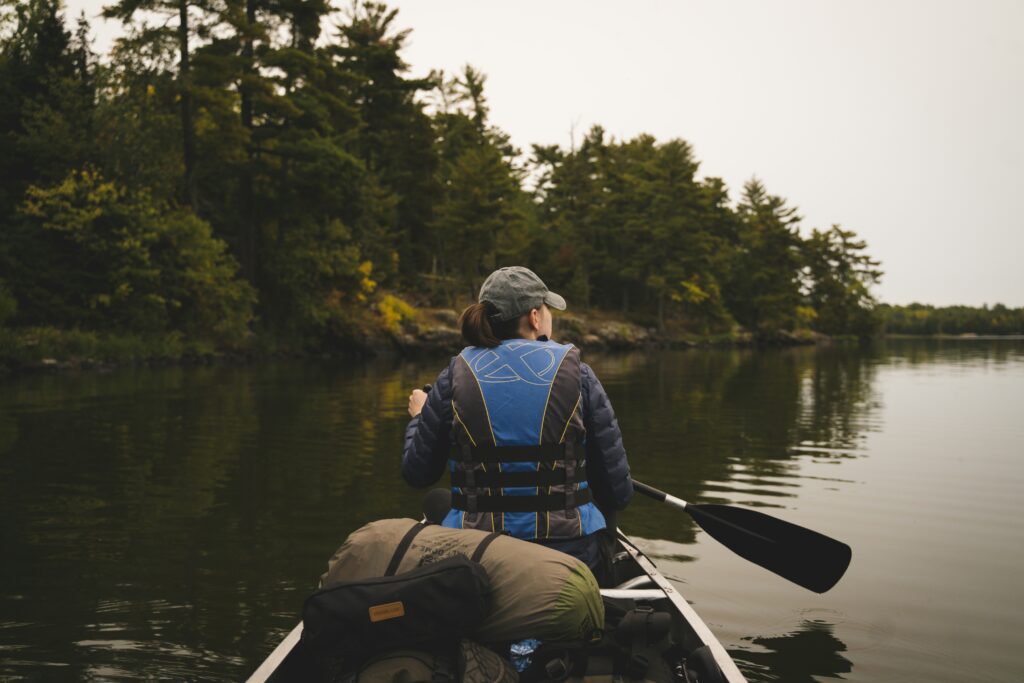
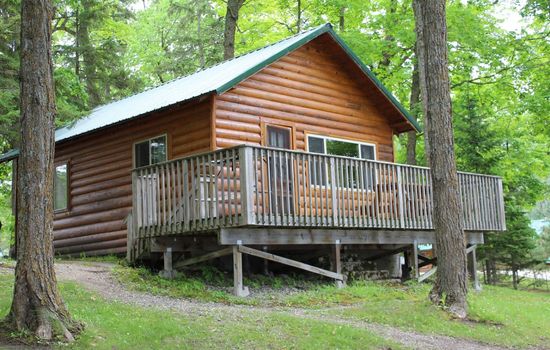
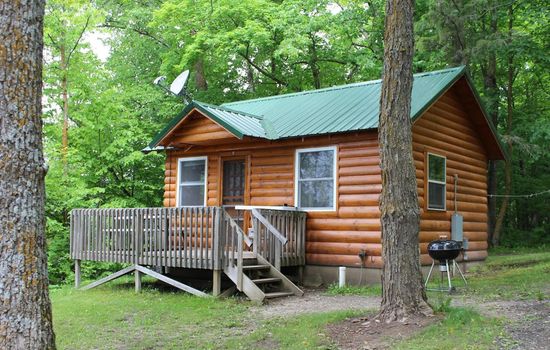
The water is the road. Four large lakes, Rainy Lake, Kabetogama Lake, Namakan Lake, and Sand Point Lake, plus more than two dozen smaller interior lakes, form the park’s interconnected network. Unlike the adjacent Boundary Waters Canoe Area Wilderness, which prohibits motorized craft on most water, Voyageurs welcomes motorboats, making the park genuinely accessible to visitors who prefer a 16-foot aluminum fishing boat to a canoe. Local outfitters near each of the three visitor centres rent motorboats, canoes, kayaks, paddleboards, and houseboats, with houseboats providing the most distinctive accommodation option, essentially a mobile cabin on the water. Fishing for walleye, northern pike, lake trout, and muskellunge is among the park’s primary draws, and the Minnesota state fishing licence applies throughout the park.
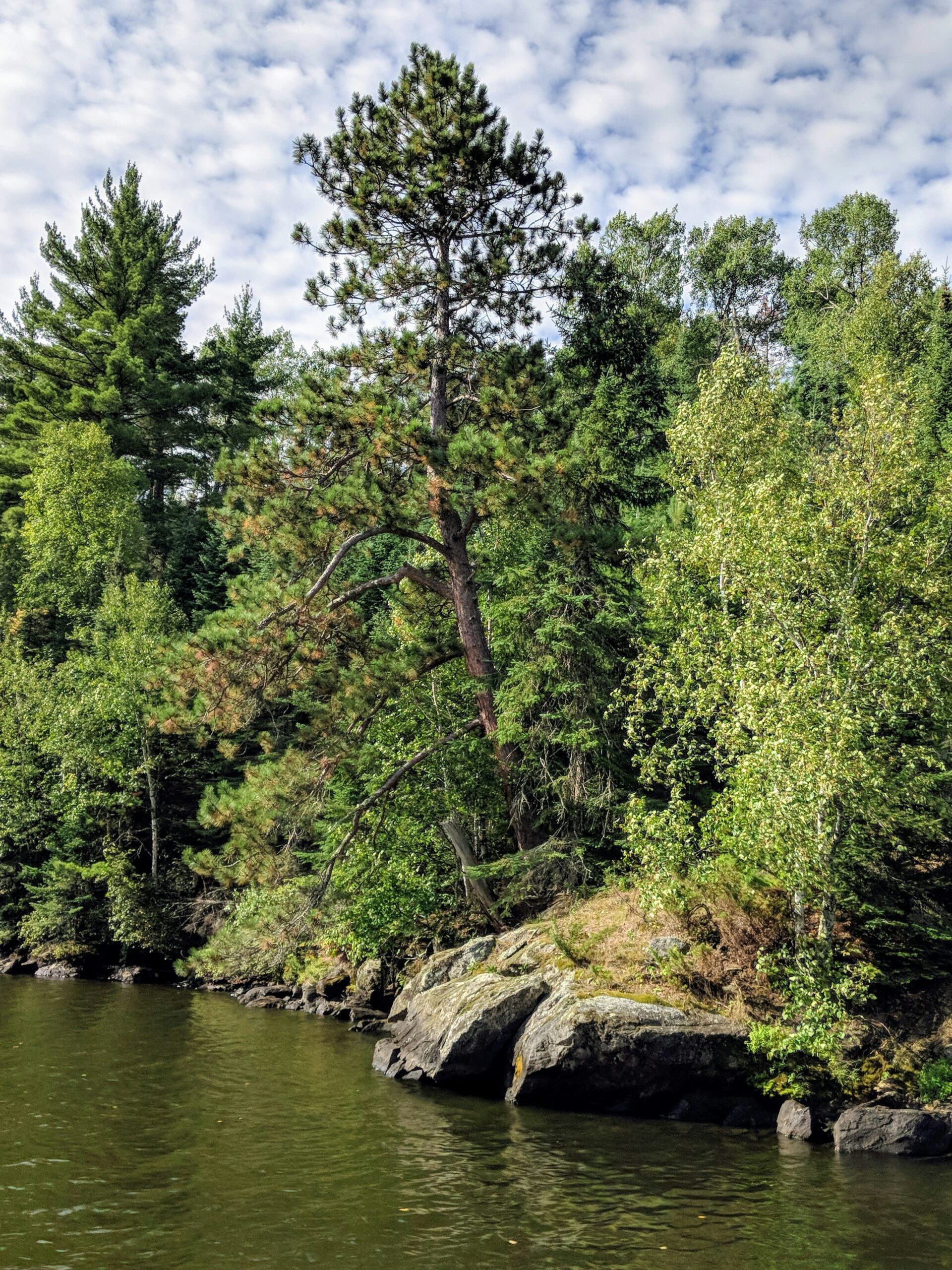
The park’s interior, reached by boat from any of the visitor centre launch ramps, is a landscape of exposed 2.7-billion-year-old Canadian Shield granite, dense forest, beaver ponds, and remote campsites accessible only from the water. The Cruiser Lake Trail system, reached by boat to Anderson Bay, provides 35 miles of hiking through the interior peninsula’s forest. Wolf packs, black bears, moose, bald eagles, common loons, and osprey are regular wildlife encounters on the water and along forested shores.
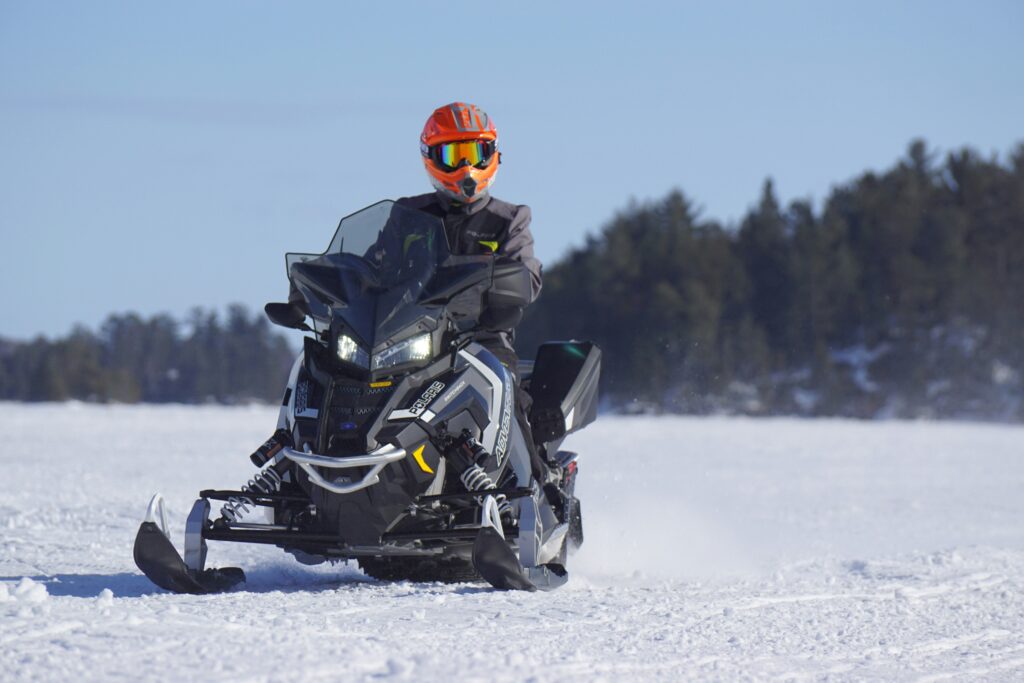
Winter transforms Voyageurs into an equally distinctive destination. When the four large lakes freeze, ice roads form connecting visitor facilities and interior destinations. The park maintains over 110 miles of groomed snowmobile trails. Ice fishing cabins dot the lakes. Cross-country skiing and snowshoeing are available from the Rainy Lake Visitor Centre, the only facility open year-round. Dog sledding is permitted on frozen lakes.
The park is particularly well matched to families who love fishing and boating, multi-generational groups willing to rent a houseboat or lakeside cabin for a week, and outdoor enthusiasts who want northern lights, dark skies, and a wilderness experience without strict limitations on the craft they use. Pet-first travelers should note that pets are permitted in frontcountry campsites, around visitor centres, and on designated trails, but not on most of the park’s hiking trails.
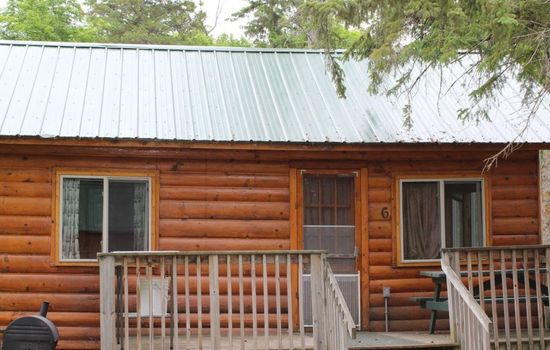
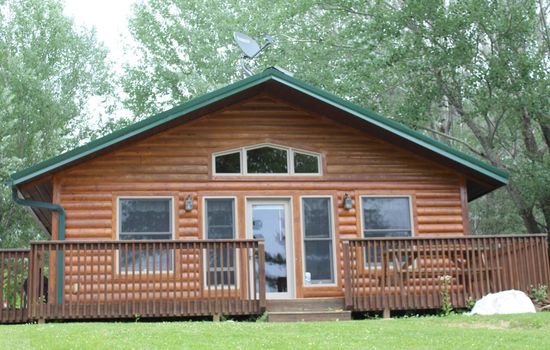
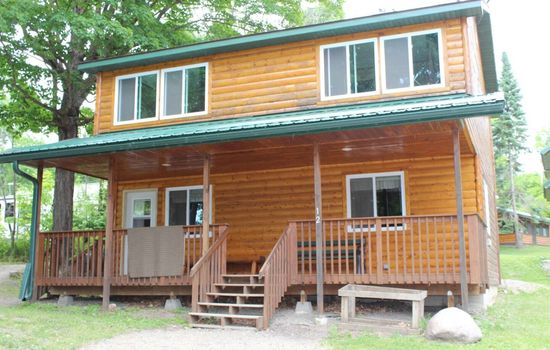
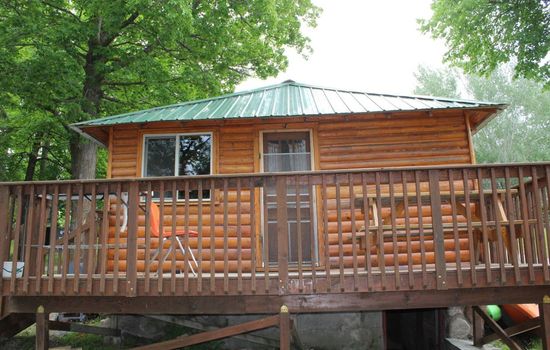
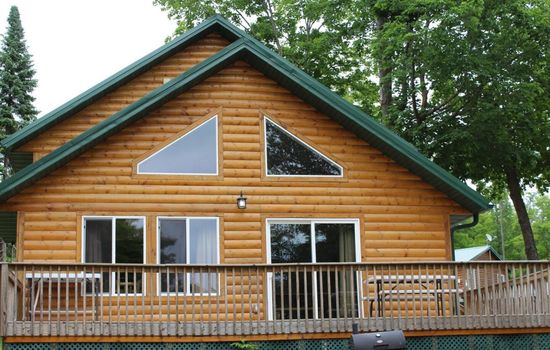
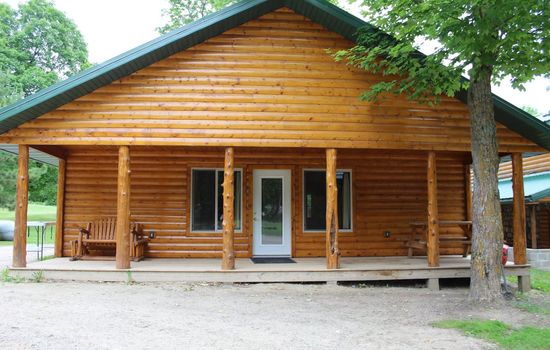
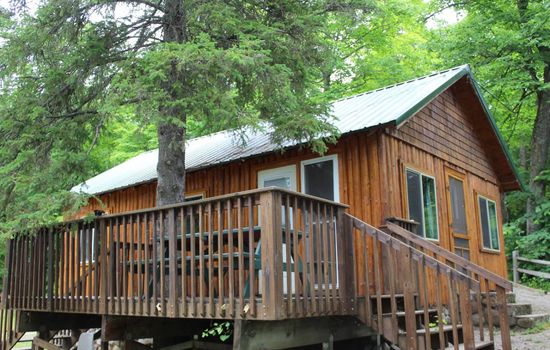
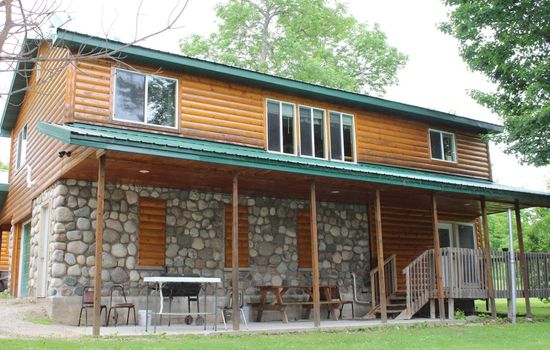
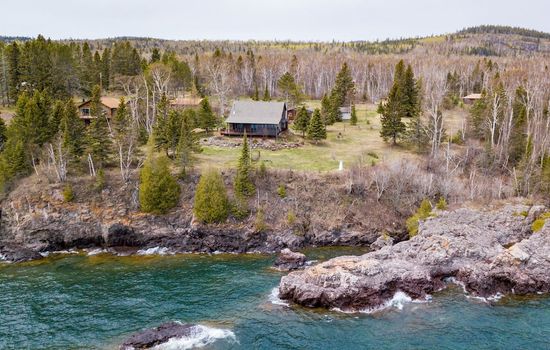
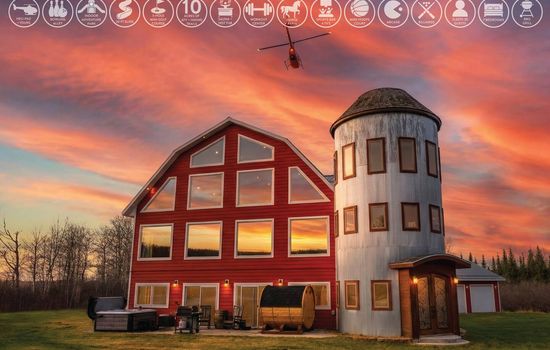
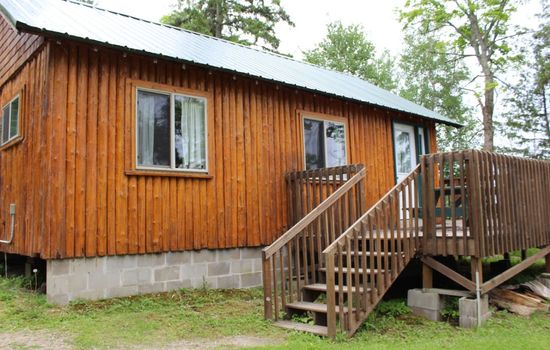
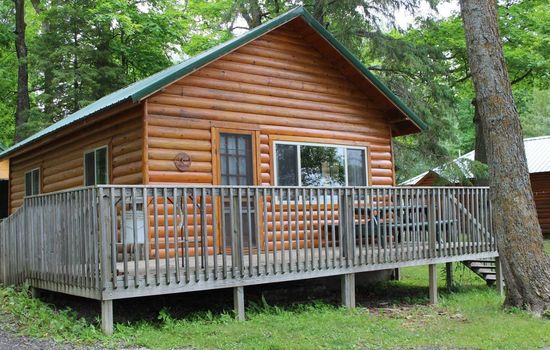
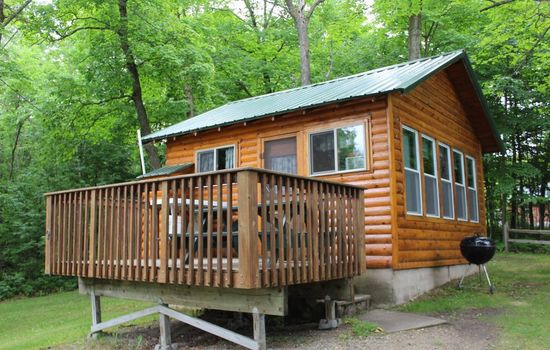
International Falls, the nearest community, and the resort areas of Kabetogama Lake, Crane Lake, and Ash River provide vacation rental options including lakeside cabins with dock or boat slip access, waterfront homes that sleep large groups comfortably, and cozy properties with fire pits and views across the boreal lake country. Book your accommodations near Voyageurs National Park through Lake.com.
Seasons
Spring brings thawing lakes, blooming wildflowers, and migratory birds—ideal for birdwatching, fishing, and early boating.
Summer offers long days for boating, kayaking, swimming, hiking, camping, and ranger-led programs in warm weather.
Fall showcases vibrant foliage along lakeshores, cooler temperatures, prime fishing, wildlife viewing, and fewer crowds.
Winter freezes lakes for cross-country skiing, snowshoeing, snowmobiling, and ice fishing; dark skies for northern lights viewing.
Top 3 Facts about Voyageurs National Park
Voyageurs National Park encompasses 218,055 acres of northern Minnesota on the border with Ontario, Canada. Established on April 8, 1975, it is Minnesota’s only national park. Approximately 40 percent of the park’s area is water, consisting of four major lakes (Rainy, Kabetogama, Namakan, and Sand Point) and more than two dozen smaller interior lakes. The Kabetogama Peninsula, which forms most of the park’s interior land mass, is accessible only by boat in summer and by snowmobile or on foot over frozen lakes in winter. There is no entrance fee.
Unlike the adjacent Boundary Waters Canoe Area Wilderness, Voyageurs permits motorized craft on its lakes, making it accessible to visitors who prefer motorboats or houseboats to paddling. Local outfitters near all three visitor centres rent motorboats, canoes, kayaks, and houseboats. Fishing is a primary park activity, with walleye, northern pike, lake trout, and muskellunge among the targeted species; a Minnesota state fishing licence is required. The park contains some of the oldest exposed bedrock in North America, with 2.7-billion-year-old Canadian Shield granite forming islands and shoreline throughout.
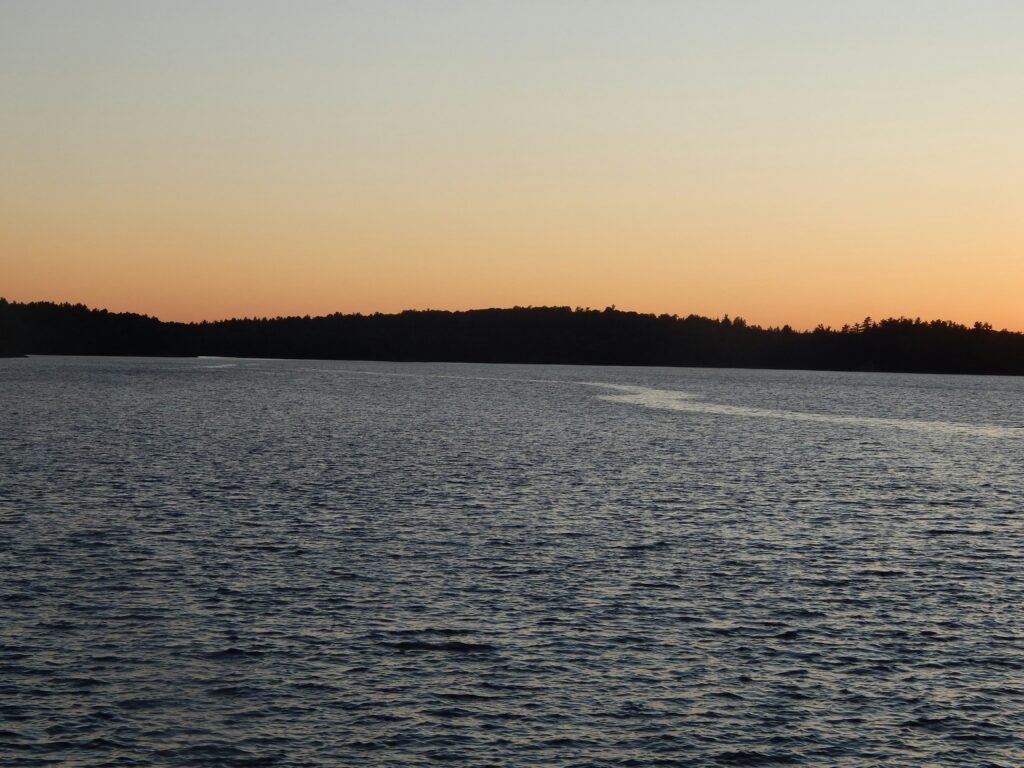
In winter, Voyageurs transforms as the large lakes freeze and ice roads form, providing vehicle access to destinations otherwise reached only by boat. The park maintains over 110 miles of groomed snowmobile trails on frozen lakes, and cross-country skiing and snowshoeing are available from the Rainy Lake Visitor Centre. Dog sledding is permitted on frozen lakes. The park is designated an International Dark Sky Park and offers some of the darkest night skies in the lower 48 states, making it an outstanding destination for northern lights viewing from late August through April.
Travel Tips
Plan Ahead
There is no entrance fee to Voyageurs National Park. Boat-access campsites require advance reservation through recreation.gov from May 15 through September 15; reserve early as popular sites fill weeks or months in advance. A Minnesota state fishing licence is required for all anglers. The Rainy Lake Visitor Centre is the only facility open year-round; the Kabetogama Lake and Ash River visitor centres are seasonal. Check nps.gov/voya for current water conditions, campsite availability, and seasonal programs. Local outfitters listed on the park’s website offer boat, houseboat, and equipment rentals.
Pack Appropriately
Bring layers for the extreme temperature range at Voyageurs; summer days can reach the 80s and 90s while lake nights drop into the 50s, and thunderstorms are frequent. Insect repellent and long sleeves are essential; deer flies, mosquitoes, and ticks are heavy in summer. A properly fitted personal flotation device is required for all boating. Sun protection including a hat is important on open water. For winter visits, extreme cold-weather clothing rated to -40 degrees Fahrenheit is necessary for extended outdoor activities. Carry a first-aid kit and emergency communication on any backcountry lake trip.
Respect Wildlife
Timber wolves inhabit Voyageurs; never approach, feed, or follow wolves. Black bears are present throughout the park and in developed areas near visitor centres; store food in bear-resistant containers or hard-sided vehicles. Moose, white-tailed deer, and beavers are common along shorelines; maintain respectful distance and do not approach any wildlife. Common loons nest on secluded lake shores; keep boats at a minimum safe distance from any loon nest and avoid driving wakes near shoreline nesting areas. Leashed pets are permitted only in frontcountry areas, around visitor centres, and on designated trails.
Stay Informed
Check nps.gov/voya for current conditions, water levels, and ice safety reports before visiting. The winter ice roads and frozen lake surfaces are monitored and reported weekly; check current ice conditions before any winter lake travel. Tick season is active from spring through fall; wear long pants and check for ticks after hikes. The park issues current dark sky conditions and northern lights forecasts through its social media and website. For park emergencies, call 9-1-1. For non-emergency park information, contact Voyageurs at (218) 283-6600.
- Area (mi²)
- 341
- Annual visitors
- 221 400
- Established year
- 1975
Accessibility & permits
Emergency

Planning a trip?
Tell us about your upcoming trip and how we can help!
Frequently Asked Questions
Ready to dive into what Voyageurs National Park has to offer? Let’s tackle some of the burning questions you might have as you plan your visit!
-
To visit the area, you can stay in International Falls, Minnesota, which is close to the park and offers several hotels like the AmericInn by Wyndham International Falls and the Cobblestone Hotel & Suites. Alternatively, you can consider staying at resorts near Lake Kabetogama, such as Northern Lights Resort & Outfitting or Harmony Beach Resort and Lodge, which are also very close to the park. If you prefer to stay within the park, the Kettle Falls Hotel is the only in-park lodging option.
-
The Blind Ash Bay Trail is a family-friendly option, a moderate 0.9-mile nature trail with a steep incline that gets hikers close to wildlife and the badlands. The Echo Bay Trail is another easy choice, a 2.5-mile loop through the woods and past rocky outcrops. The Rainy Lake Recreation Trail is also easy, a 1.75-mile trail along park roads and through various outdoor habitats.
-
You can bring your dog to the front country campsites, on the 1.7-mile Rainy Lake Recreation Trail, and in developed areas like visitor centers and boat launch ramps. Your dog must be on a 6-foot leash, under control, and attended to at all times. You also need to pick up after your dog and ensure they are vaccinated.
-
Parking for vehicles, including campers, trailers, and motorhomes, is free at the park’s visitor centers for up to 14 days during the dates of your camping permit.
-
The highlight is the visitor center, which displays over 300 fossils of animals, reptiles, bugs, and other creatures found in the ancient Fossil Lake. The center includes a modern exhibit and a virtual aquarium showing what the lake might have looked like. It also features a Journey Through Time exhibit that visualizes the Earth’s 4.5 billion-year geologic history.