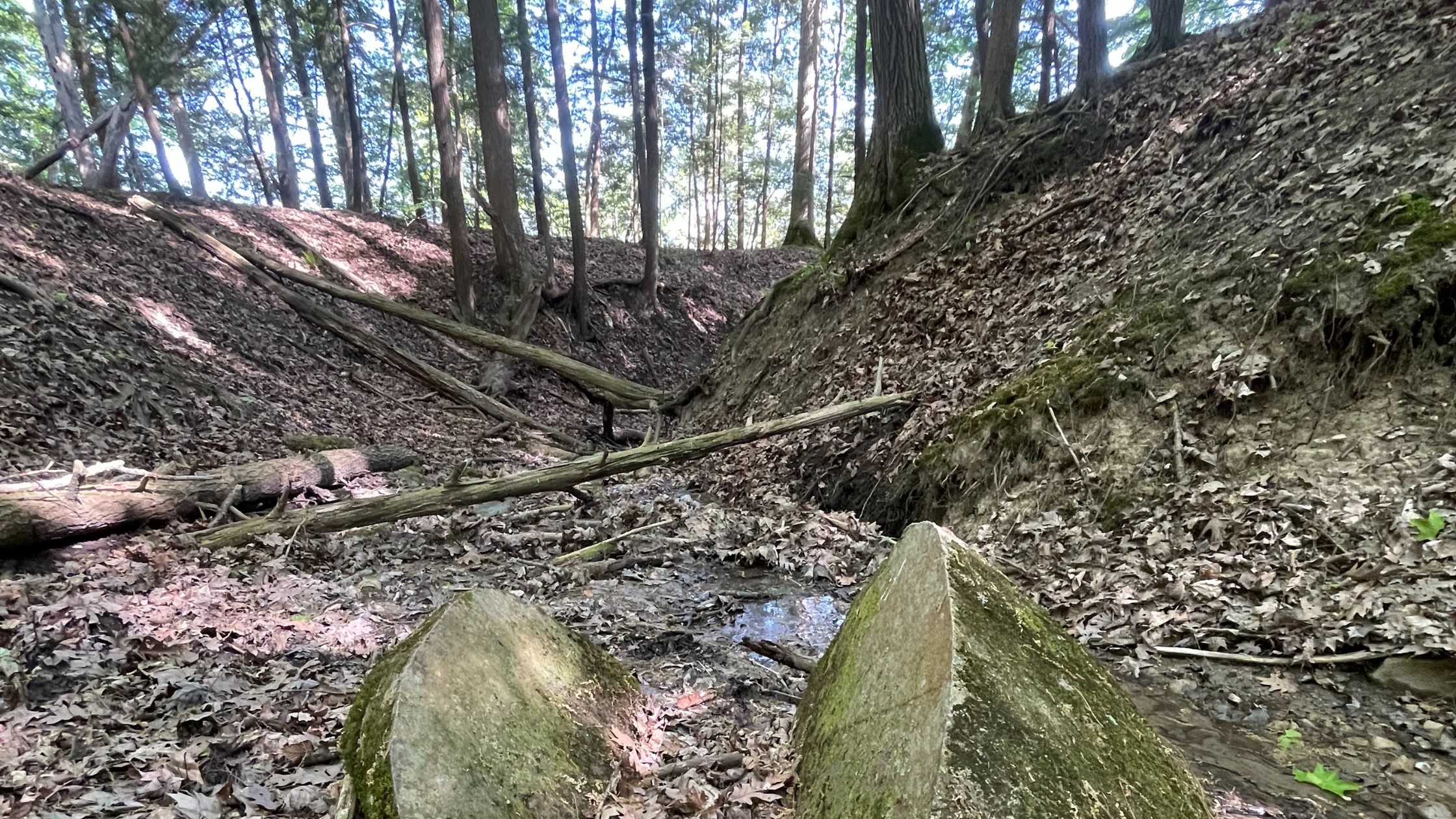
The Visitor Center at Walnut Hill Wildlife Management Area in Kentucky offers information on local wildlife and recreational activities. It is open from 8 AM to 4 PM, Monday through Friday, providing a great resource for visitors exploring the area.
There are no entrance fees for visitors. Parking is available at designated areas, typically free of charge.
From Louisville, take I-65 South for approximately 70 miles. Exit onto KY-245 and follow the signs for your destination, where nature awaits with its serene landscapes and abundant wildlife.
Walnut Hill Wildlife Management Area in Kentucky offers designated RV and motorcycle parking, accessible parking for individuals with disabilities, and bike racks for cyclists, ensuring convenient access for all visitors.
Accessibility & permits
Emergency
- Cell service availability:Full

Information not accurate?
Help us improve by making a suggestion.
Discover breathtaking landscapes and diverse wildlife in this hidden natural gem.
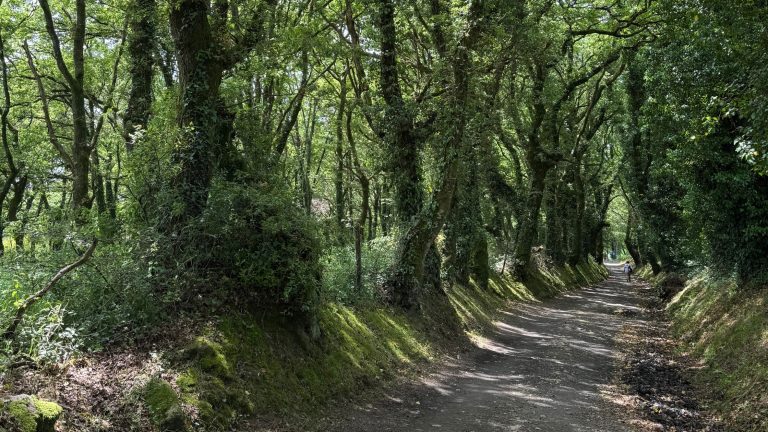
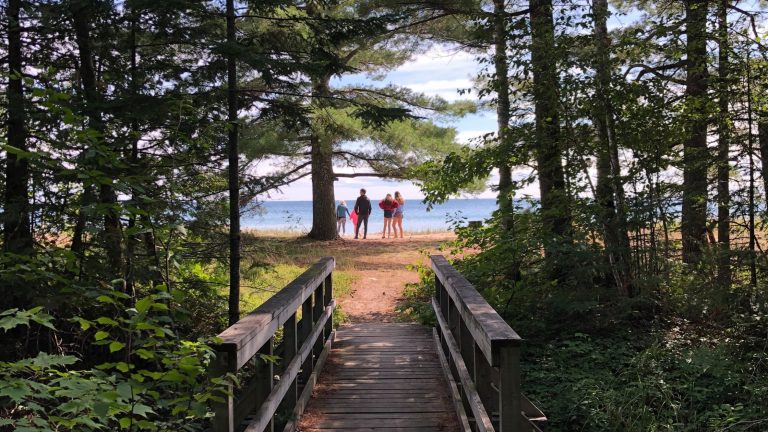
Walnut Hill Wildlife Management Area in Kentucky offers an enchanting escape for nature enthusiasts and luxury travelers alike. Spanning over 1,000 acres, this serene haven showcases the rich biodiversity of the region, featuring lush forests, vibrant wetlands, and meandering streams. Visitors can immerse themselves in the tranquility of the landscape, where the sounds of chirping birds and rustling leaves create a symphony of nature.
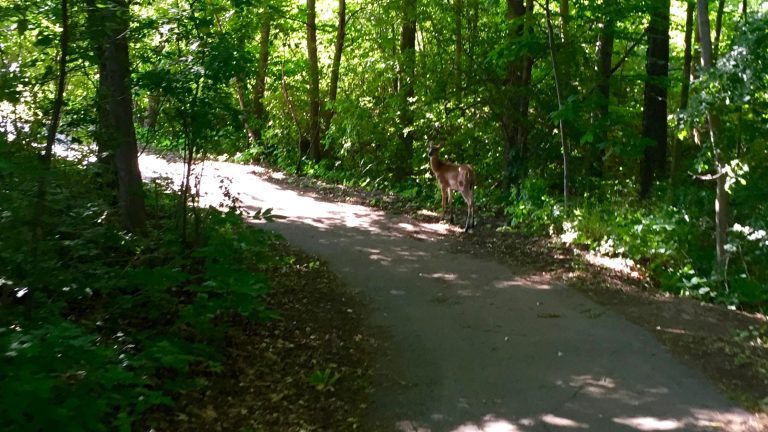
The area is a paradise for outdoor activities, inviting guests to explore its extensive network of trails. Hiking, birdwatching, and wildlife photography are just a few of the experiences that await. With a keen eye, one might spot deer grazing in the early morning light or a heron gracefully taking flight over the water. Each visit reveals the area’s ever-changing beauty, making it a perfect destination for those seeking adventure and serenity.
Walnut Hill Wildlife Management Area also serves as a reminder of the importance of conservation. By visiting, travelers contribute to the preservation of this natural treasure. Whether you seek a peaceful retreat or an active getaway, this Kentucky gem promises an unforgettable experience that resonates long after the journey ends.
Top 3 Facts about Walnut Hill Wildlife Management Area
Among the unique wildlife, the area is home to rare bird species like the cerulean warbler, which migrates thousands of miles, and unusual sightings of the elusive bobcat, showcasing the rich biodiversity and the importance of preserving such habitats for future generations.
In this unique location, a phenomenon known as temperature inversion can occur, where cooler air is trapped beneath warmer air, leading to unexpected frost patterns and creating microclimates that support diverse plant species, making it a fascinating area for studying weather extremes and ecological interactions.
Known for its unique trail named “Screaming Eagle Path,” this area boasts records in birdwatching, with over 200 species spotted in a single day, while unusual rules prohibit the use of metal detectors and the collection of any natural materials, ensuring preservation of its wild beauty.
Family programs
- Junior Ranger
- Ranger-led Tours
- Self-guided Tours
- Workshops & Hands-on Activities
- Living History & Cultural Demos
- Scavenger Hunts
- Night Sky & Astronomy
- Family Camping & Overnight
- Volunteer & Stewardship
- Youth Conservation
- Scouting Partnerships
- Virtual Junior Activities
- Arts & Crafts
- Water-based Adventures
Travel Tips
Plan Ahead
To fully enjoy your visit, plan ahead by checking trail conditions and wildlife activity schedules. Arrive early to secure parking and take advantage of cooler morning hours for hiking or birdwatching. Don’t forget to pack essentials like water, snacks, and a map to navigate the area’s diverse landscapes and maximize your outdoor experience.
Pack Appropriately
When packing for your visit, consider bringing a lightweight, waterproof jacket. The area’s unpredictable weather can shift quickly, especially in early spring and late fall, so staying dry enhances your experience. Also, include sturdy hiking boots to navigate the varied terrain, from muddy trails to rocky outcrops, ensuring you can explore all the hidden gems this beautiful region has to offer.
Respect Wildlife
Respect wildlife by observing animals from a distance and refraining from feeding them. Use binoculars for a closer look while keeping noise to a minimum to avoid disturbing their natural behavior. Stay on designated trails to protect habitats and ensure a safe experience for both visitors and the diverse species that thrive in the area.
Stay Informed
Before your visit, stay informed by checking the weather forecast, current temperatures, and any fire bans or notices in the area. Always inform someone of your destination and expected return time, and ensure you have emergency contact information on hand for a safe and enjoyable experience.
Seasons
In spring, the area bursts into life with vibrant wildflowers and abundant wildlife, offering an idyllic setting for nature enthusiasts to explore its diverse trails and habitats.
Summer’s warm days and cool nights invite exploration of Kentucky’s natural beauty, with June, July, and August offering prime conditions for wildlife viewing, hiking, and enjoying the outdoors.
As autumn’s vibrant hues blanket the landscape, the area offers unparalleled opportunities for birdwatching, with migratory species passing through from late August through early October, and the spectacle of raptors soaring on thermal currents in September and October.
Winter’s crisp air and bare trees reveal hidden wildlife, making December through February ideal for observing Kentucky’s diverse bird species and other native animals.
Information not accurate?
Help us improve by making a suggestion.
Frequently Asked Questions
Ready to dive into what Walnut Hill Wildlife Management Area has to offer? Let’s tackle some of the burning questions you might have as you plan your visit!
-
Yes, camping is allowed at Walnut Hill Wildlife Management Area, but it is restricted to designated camping sites only. Make sure to check for any seasonal restrictions or guidelines before planning your trip.
-
Wildlife species that can be observed at Walnut Hill include white-tailed deer, wild turkey, various songbirds, and small mammals. The area is rich in biodiversity, making it a great spot for wildlife enthusiasts and photographers.
-
Yes, there are designated hiking trails available for visitors. These trails vary in difficulty and length, providing options for both casual walkers and experienced hikers. Be sure to carry a map and stay on marked paths to ensure safety.
-
A user permit is not required for general visitors to Walnut Hill Wildlife Management Area. However, specific activities such as hunting may require permits or licenses, so it’s advisable to check local regulations prior to your visit.
-
Hunting regulations in the Walnut Hill Wildlife Management Area include specific seasons for deer and turkey hunting, as well as restrictions on the types of firearms and methods allowed. Always consult the latest hunting guide for detailed rules and ensure compliance with state laws.