
Discover the enchanting beauty and diverse wildlife of West Virginia's hidden gem.
Discover the enchanting beauty and diverse wildlife of West Virginia's hidden gem.
In the heart of the Appalachian Mountains, the West Virginia Wildlife Center offers a unique glimpse into the state’s rich biodiversity. This expansive sanctuary is home to a diverse array of native species, providing visitors with an immersive experience that showcases the beauty and complexity of West Virginia’s wildlife. From majestic bald eagles to elusive bobcats, each exhibit invites exploration and appreciation of nature’s wonders.
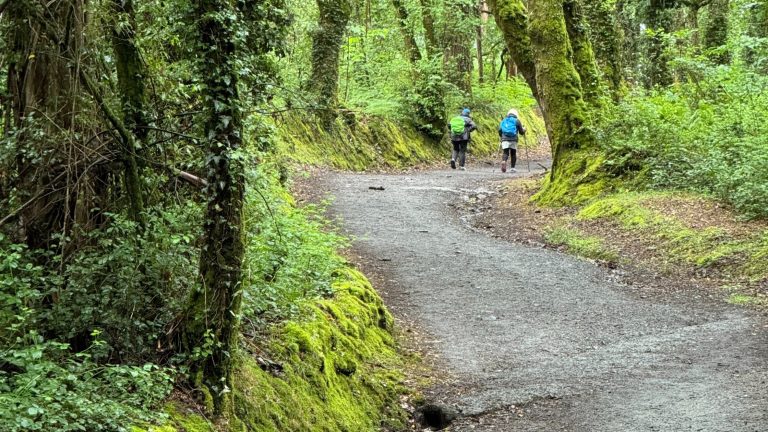
Strolling through the park, guests encounter well-maintained trails that wind through lush landscapes, allowing for intimate encounters with animals in their natural habitats. The center emphasizes conservation and education, making it an ideal destination for families and nature enthusiasts alike. Engaging programs and informative signage enhance the experience, fostering a deeper understanding of local ecosystems.
As the sun sets behind the rolling hills, the West Virginia Wildlife Center transforms into a serene escape, where the sounds of nature create a symphony of tranquility. This hidden gem not only captivates the senses but also inspires a commitment to preserving the natural world for generations to come.
Seasons
Spring’s arrival transforms the center into a vibrant haven, offering visitors a chance to witness native wildlife in their natural habitats amidst blooming flora and pleasant weather.
Summer in West Virginia offers warm temperatures and abundant sunshine, ideal for exploring the 1.25-mile interpretive trail through mature hardwood forests and observing native wildlife in spacious enclosures.
In fall, the crisp air and vibrant foliage of September, October, and November invite visitors to explore the park’s diverse wildlife and scenic trails, offering a memorable outdoor experience.
Winter’s crisp air and serene landscapes offer unparalleled wildlife viewing opportunities, with December through February providing optimal conditions to observe native species in their natural habitats.
Top 3 Facts about West Virginia Wildlife Center
One fascinating aspect of wildlife in West Virginia is the annual migration of the American eel, which travels thousands of miles from freshwater rivers to spawn in the Sargasso Sea, showcasing the remarkable endurance and navigational skills of this rare and elusive species.
West Virginia is home to unique microclimates due to its varied topography, where temperatures can differ significantly over short distances, leading to unusual weather phenomena such as sudden snowstorms in one valley while another experiences sunny conditions, showcasing the region’s diverse climatic influences.
This center features the state’s first wildlife rehabilitation program, bizarrely named trails like “Screaming Eagle Path,” and unusual rules such as a ban on all motorized vehicles, fostering a unique outdoor experience where nature enthusiasts can enjoy diverse wildlife while adhering to quirky regulations.
Travel Tips
Plan Ahead
To make the most of your visit, plan ahead by checking the center’s schedule for feeding times and educational programs, as these experiences enhance your encounter with local wildlife. Arrive early to explore the trails and enjoy the serene surroundings, ensuring you have ample time to appreciate the diverse flora and fauna before the crowds arrive.
Pack Appropriately
When visiting this wildlife haven, pack a lightweight rain jacket and sturdy hiking shoes. The unpredictable mountain weather can shift quickly, and trails may become muddy after rain, so being prepared ensures you enjoy the stunning scenery and diverse wildlife without a hitch. Also, consider binoculars for optimal wildlife viewing in the lush Appalachian landscape.
Respect Wildlife
When visiting, maintain a respectful distance from all animals to avoid stressing them and to ensure your safety. Use quiet voices and avoid feeding wildlife, as this disrupts their natural behaviors and diet. Bring binoculars for a closer look, and remember to leave no trace behind, preserving the beauty of the area for future visitors and its inhabitants.
Stay Informed
Before your visit, stay informed by checking the weather forecast, current temperatures, and any fire bans or notices. Ensure you know emergency contact information, and always tell someone your destination and expected return time for safety.
Accessibility & permits
Emergency

Planning a trip?
Tell us about your upcoming trip and how we can help!




Frequently Asked Questions
Ready to dive into what West Virginia Wildlife Center has to offer? Let’s tackle some of the burning questions you might have as you plan your visit!
-
The West Virginia Wildlife Center is home to a variety of native animals, including white-tailed deer, black bears, bobcats, wild turkeys, and various species of birds and reptiles, showcasing the state’s diverse wildlife.
-
The admission fee for adults is typically around $5, while children ages 6-12 pay about $3. Children under 6 can enter for free, making it an affordable outing for families.
-
Yes, the center is wheelchair accessible, with paved pathways and facilities designed to accommodate visitors with mobility challenges.
-
The operating hours vary by season; generally, the center is open from 10 AM to 4 PM during weekdays and extends to 5 PM on weekends from spring through fall. It’s advisable to check for any seasonal changes.
-
Yes, there are picnic facilities available at the West Virginia Wildlife Center, allowing visitors to enjoy a meal surrounded by nature after exploring the exhibits.