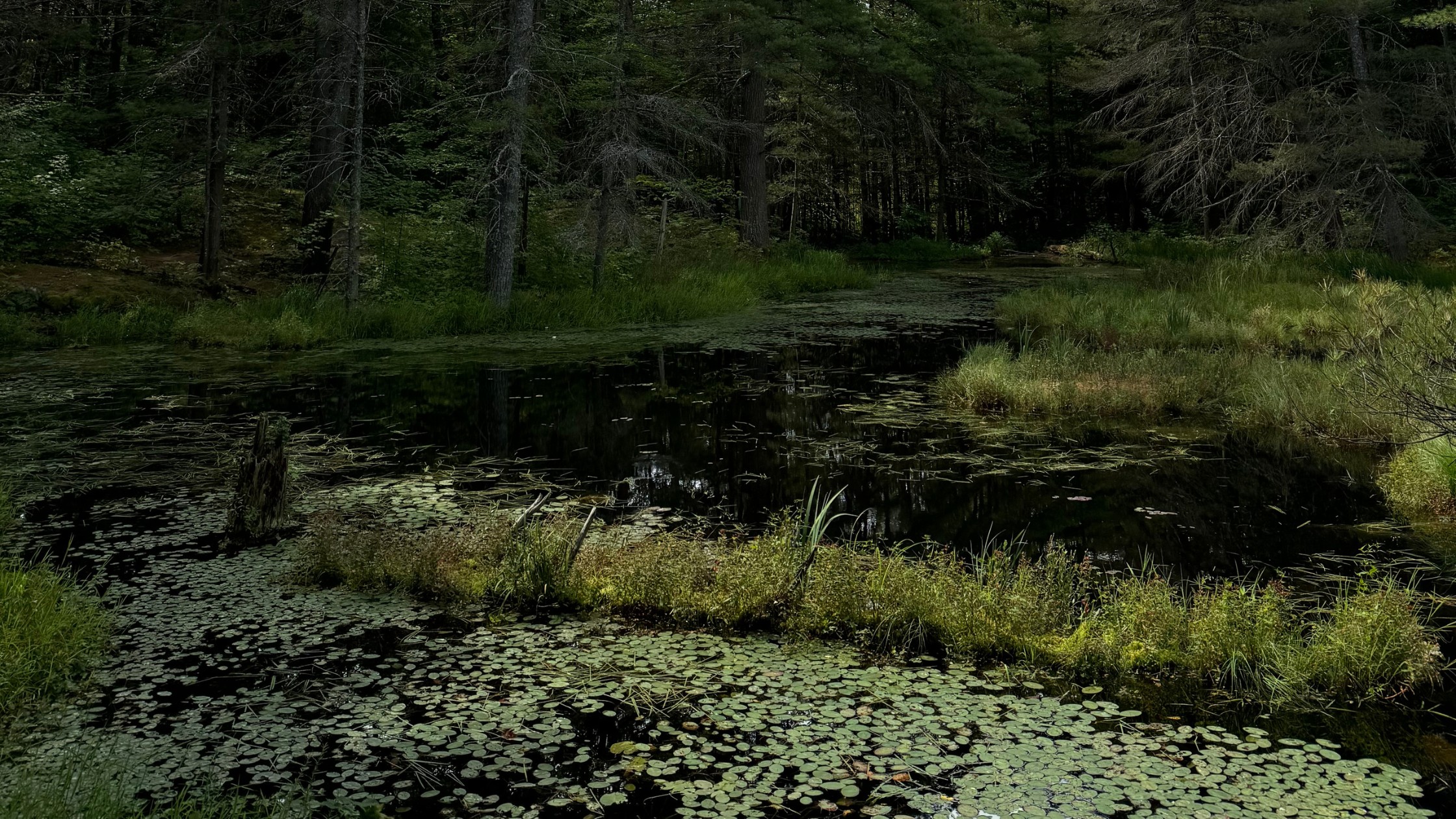
Discover the enchanting beauty and rich history of Georgia's stunning coastal estate.
Discover the enchanting beauty and rich history of Georgia's stunning coastal estate.
Wormsloe State Historic Site in Georgia offers an enchanting glimpse into the past, where history and natural beauty intertwine seamlessly. As you approach the grand oak-lined entrance, the sprawling landscape unfolds, revealing the remnants of a 1736 colonial estate. This historic site invites visitors to wander through its picturesque grounds, where the echoes of early settlers resonate amid the Spanish moss-draped trees.
The site’s museum showcases artifacts and exhibits that tell the story of Georgia’s founding and the lives of its early inhabitants. Guided tours provide an immersive experience, allowing guests to connect with the rich history of the region. Strolling along the scenic trails, one can appreciate the serene beauty of the marshlands and the vibrant wildlife that calls this area home.
Wormsloe is not just a historical landmark; it is a destination for those seeking tranquility and inspiration. Whether you are an avid history buff or a nature lover, this enchanting site promises a memorable escape into Georgia’s storied past.
Seasons
In spring, the 1.5-mile avenue of live oaks draped in Spanish moss leads visitors to the colonial estate’s tabby ruins, offering a serene glimpse into Georgia’s colonial past.
Summer’s sultry embrace transforms the avenue into a verdant canopy, inviting exploration of colonial ruins and nature trails under the warm sun.
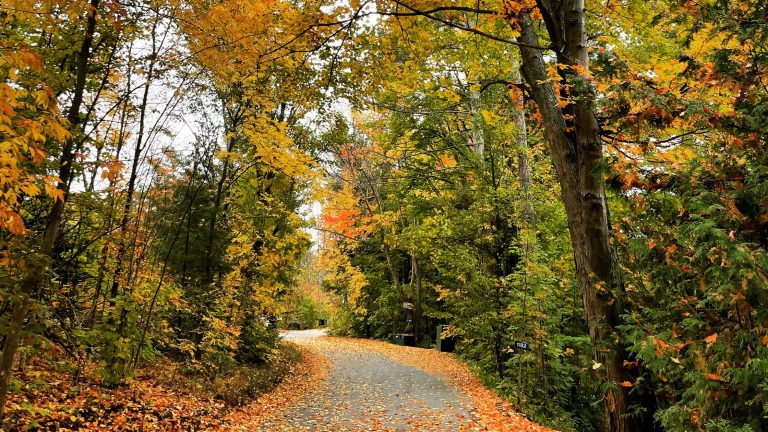
In fall, the live oak avenue draped with Spanish moss offers a serene stroll, while cooler temperatures and fewer crowds make September through November ideal for exploring the historic ruins and trails.
Experience the serene beauty of Savannah’s historic avenue of live oaks and Spanish moss during the winter months, offering a peaceful retreat from the bustling tourist season.
Top 3 Facts about Wormsloe State Historic Sites
This historic site is known for its unusual animal sightings, including the rare red-cockaded woodpecker and unique migratory events where thousands of birds pass through, showcasing the area’s rich biodiversity and providing a vital stopover for numerous endemic species during their seasonal journeys.
In a unique phenomenon, certain areas experience extreme temperature variations due to microclimates created by factors like elevation and vegetation, leading to distinct weather patterns that can result in unexpected snow in one area while nearby locations bask in sunshine, showcasing nature’s unpredictability.
Known for its picturesque live oak avenue, this site features the bizarrely named “Cannonball Trail” and prohibits activities like metal detecting, ensuring the preservation of its historical significance while offering unique outdoor experiences for visitors seeking both adventure and tranquility.
Travel Tips
Plan Ahead
To fully enjoy your visit, plan ahead by checking the site’s hours and any special events. Arrive early to explore the stunning oak-lined avenue and historic ruins without the crowds. Don’t forget comfortable shoes for walking the trails and a camera to capture the picturesque landscapes. Pack a picnic to savor amidst the serene surroundings.
Pack Appropriately
When visiting this historic site, pack a lightweight, breathable hat and sunscreen to protect yourself from the Georgia sun, especially during the warmer months. The sprawling live oaks offer beautiful shade, but wandering the trails can expose you to direct sunlight, so stay prepared for both exploration and relaxation.
Respect Wildlife
When exploring this historic site, prioritize wildlife respect by observing animals from a distance and avoiding feeding them. Keep to marked trails to protect natural habitats and minimize disturbances, ensuring that both visitors and wildlife can enjoy the serene beauty of the area. Carry out any trash to maintain the pristine environment for future generations.
Stay Informed
Before your visit, stay informed by checking the weather, temperatures, and any fire bans or notices. Know the emergency contact information and tell someone your plans, including where you’re going and when you expect to return. Being prepared ensures a safe and enjoyable experience.
Accessibility & permits
Emergency

Planning a trip?
Tell us about your upcoming trip and how we can help!

Frequently Asked Questions
Ready to dive into what Wormsloe State Historic Sites has to offer? Let’s tackle some of the burning questions you might have as you plan your visit!
-
Wormsloe State Historic Site’s operating hours are typically from 9 AM to 5 PM daily, but it’s recommended to check their official website for seasonal variations and holidays
-
Yes, there is an entrance fee for Wormsloe State Historic Site. The fee is usually around $10 per vehicle, but prices can vary, so confirm before your visit
-
Dogs are allowed at Wormsloe State Historic Site, but they must be leashed at all times and are not permitted inside buildings
-
Yes, guided tours are available at Wormsloe State Historic Site, offering insights into the history and significance of the site. Check the schedule for specific tour times
-
Various events are held at Wormsloe State Historic Site throughout the year, including historical reenactments, seasonal festivals, and educational programs that highlight the site’s rich history.