Discover the serene beauty and diverse wildlife of this hidden natural gem.





















Discover the serene beauty and diverse wildlife of this hidden natural gem.
Yellowbank Wildlife Management Area in Kentucky offers an exquisite escape into nature’s splendor. Spanning over 6,000 acres, this pristine sanctuary invites wildlife enthusiasts and outdoor adventurers alike to immerse themselves in its diverse ecosystems. The area is a haven for birdwatchers, with over 200 species recorded, including the striking bald eagle soaring above the tranquil waters.
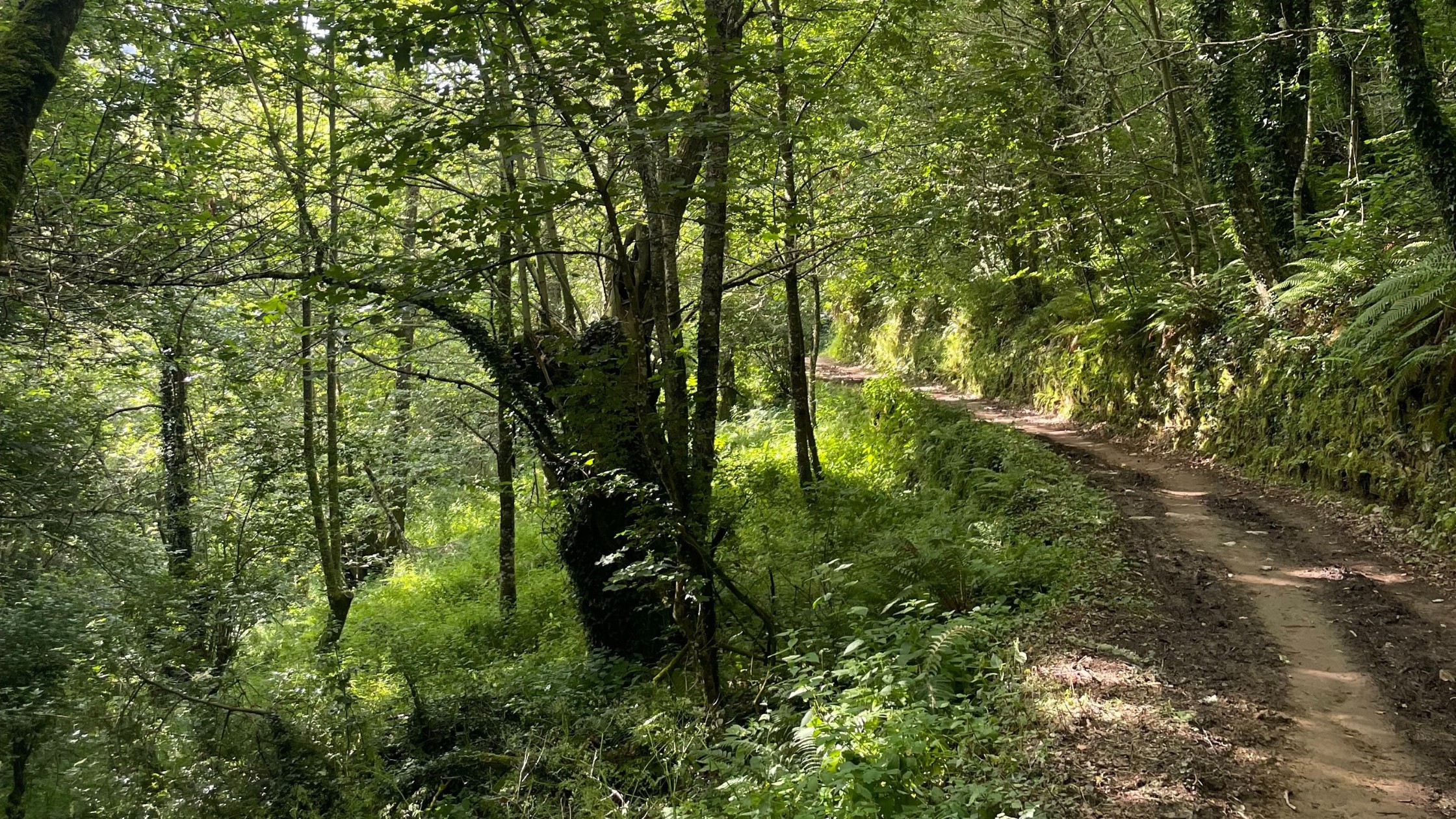
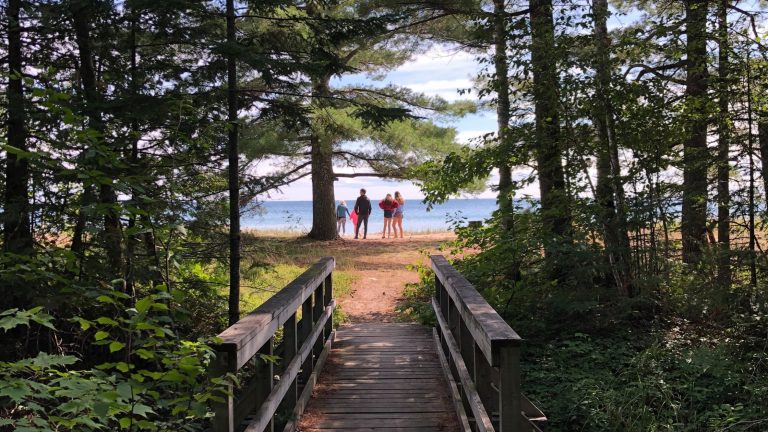
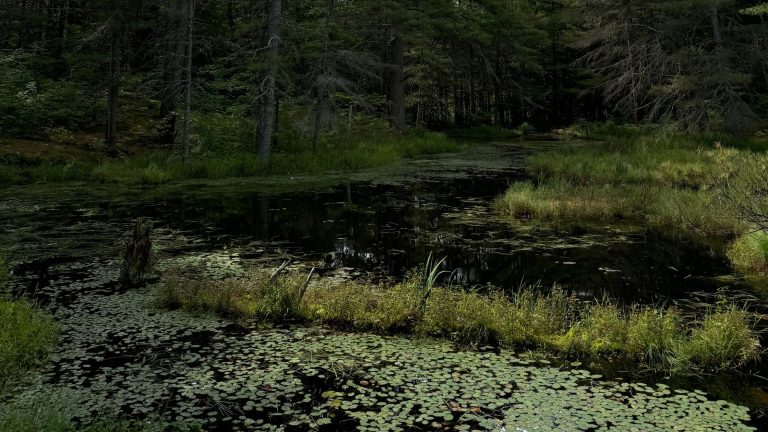
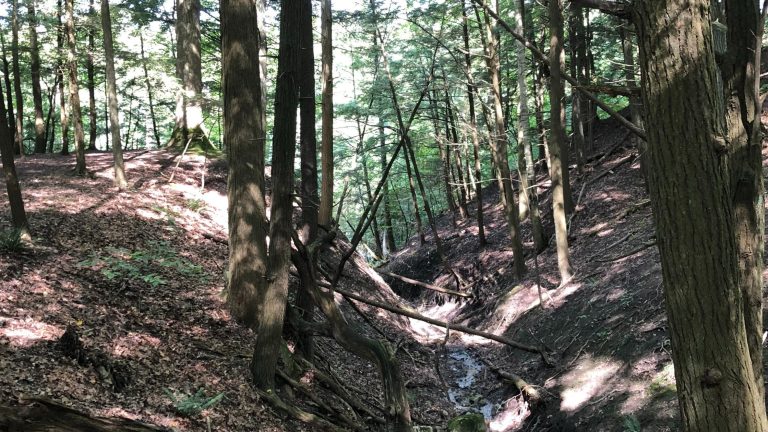
Visitors can explore miles of well-maintained trails, which meander through lush forests and open fields. Each turn reveals the vibrant tapestry of Kentucky’s flora and fauna, making it a photographer’s paradise. The serene landscape is punctuated by tranquil ponds, where anglers can cast their lines in search of bass and catfish, enjoying the peaceful ambiance that surrounds them.
Yellowbank Wildlife Management Area is not just a destination; it’s an experience that rejuvenates the spirit. Whether you seek solitude in nature or wish to engage in outdoor activities, this hidden gem promises an unforgettable journey into the heart of Kentucky’s wilderness.
Seasons
In spring, the 6,000-acre wildlife haven along the Ohio River bursts into vibrant wildflower displays, offering unparalleled birdwatching and serene hiking trails.
Summer’s warm days and abundant wildlife make June, July, and August ideal for exploring this 6,000-acre haven along the Ohio River, offering hiking, birdwatching, and fishing opportunities.
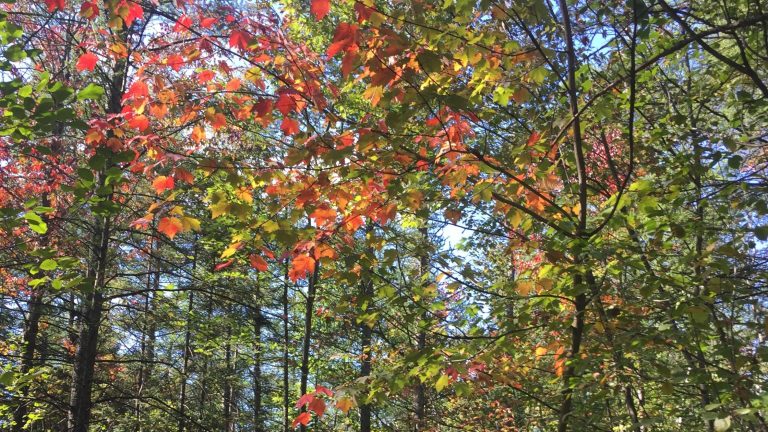
In the fall, the area offers vibrant foliage, abundant wildlife, and a variety of outdoor activities, making September through November an ideal time to visit.
In winter’s embrace, the area offers serene hiking trails, abundant birdwatching opportunities, and a tranquil retreat from the bustling world, making December through February an ideal time to visit.
Top 3 Facts about Yellowbank Wildlife Management Area
During migration seasons, this wildlife area showcases rare sightings of the endangered whooping crane, along with unique behaviors of local species, such as the elusive Eastern box turtle, which is known for its remarkable ability to adapt to changing environments and climate conditions.
In this unique wildlife area, extreme temperature variations can occur due to its diverse microclimates, where localized weather patterns create conditions for rare phenomena such as sudden hailstorms in summer, showcasing the unpredictable nature of weather influenced by the surrounding landscape and vegetation.
Known for its unique trails like “Squirrel’s Revenge” and “Cactus Alley,” this area prohibits the use of motorized vehicles and bans fishing during certain seasons, ensuring a serene experience while attracting outdoor enthusiasts eager to explore its diverse wildlife and record-breaking birdwatching opportunities.
Travel Tips
Plan Ahead
Planning ahead is essential for an unforgettable visit to this scenic wildlife haven. Check the weather forecast, pack appropriate gear, and bring plenty of water and snacks to keep you energized as you explore the diverse habitats. Arriving early not only helps you beat the crowds but also maximizes your chances of spotting the area’s abundant wildlife in their natural setting.
Pack Appropriately
When packing for your visit, consider bringing a pair of waterproof boots. The wetlands can be surprisingly muddy, especially after rain, and sturdy footwear will keep you comfortable while exploring. Additionally, a lightweight poncho can be a lifesaver during sudden downpours, ensuring you stay dry and can fully enjoy the diverse wildlife and stunning landscapes.
Respect Wildlife
When exploring this wildlife haven, prioritize respect for the diverse species that call it home. Maintain a safe distance from animals, avoid feeding them, and stick to designated trails to preserve their natural habitats. Observing wildlife quietly enhances your experience while ensuring these creatures remain undisturbed and thriving in their environment.
Stay Informed
Before your visit, stay informed by checking the weather and temperatures, as well as any fire bans or notices in the area. Always let someone know your plans, including where you’re going and when you expect to return, and have emergency contact information handy to ensure a safe and enjoyable experience.
Accessibility & permits
Emergency

Planning a trip?
Tell us about your upcoming trip and how we can help!

Frequently Asked Questions
Ready to dive into what Yellowbank Wildlife Management Area has to offer? Let’s tackle some of the burning questions you might have as you plan your visit!
-
Yellowbank Wildlife Management Area (WMA) offers a variety of activities including hiking, birdwatching, and wildlife observation, making it a perfect spot for nature enthusiasts. The area features well-maintained trails that allow visitors to explore its diverse habitats and enjoy the scenic beauty of Kentucky’s landscapes. Additionally, seasonal events and educational programs may be available, providing insights into local ecology and conservation efforts.
-
Yes, Yellowbank WMA provides camping facilities, including designated camping areas that cater to both tent and RV campers. Facilities may include picnic tables, fire rings, and restroom access, allowing visitors to immerse themselves in nature while enjoying the comforts of camping. Reservations may be required during peak seasons, so it’s advisable to check ahead.
-
Hunting is permitted at Yellowbank WMA, with regulations in place to ensure sustainable practices. Hunters must possess a valid Kentucky hunting license and adhere to specific seasons for various game species. Commonly hunted species include deer, turkey, and small game. It is crucial to familiarize yourself with the local regulations before heading out, as they can change annually.
-
Fishing opportunities at Yellowbank WMA are available in designated ponds and waterways. Anglers can expect to catch species such as bass, bluegill, and catfish. Fishing licenses are required, and it’s recommended to check local regulations for specific rules regarding catch limits and bait usage.
-
Yellowbank WMA is home to a variety of wildlife species, including white-tailed deer, wild turkeys, and numerous bird species, making it a prime location for wildlife observation. Visitors can also spot various amphibians, reptiles, and small mammals throughout the area, particularly during early morning or late evening hours when wildlife is most active.