


Towering Sandstone Canyons, the Narrows, and Angels Landing in Utah
Towering Sandstone Canyons, the Narrows, and Angels Landing in Utah
Few landscapes on Earth rival the scale and color of Zion Canyon. Towering walls of cream, salmon, and vermillion Navajo Sandstone rise more than 2,000 feet above the Virgin River on either side, forming a cathedral of rock that has drawn visitors to this corner of southwestern Utah since the park’s establishment in 1919. Nearly five million people visited Zion in 2024, making it one of the most-visited national parks in the country, and the concentration of beauty into a relatively compact space is central to its appeal. A single morning in Zion Canyon delivers more visual drama than most people encounter in a lifetime of outdoor recreation.
The canyon experience is organized around a free shuttle system that operates along Zion Canyon Scenic Drive from spring through fall, replacing private vehicles in the main canyon during peak season. The shuttle connects trailheads, viewpoints, and visitor services from the visitor center at the south entrance to the Temple of Sinawava at the north end, where the iconic Narrows hike begins. The Narrows, where the Virgin River flows through a slot canyon with walls rising a thousand feet above the streambed, is Zion’s most famous route: a wade through the river itself, ankle-to-waist-deep depending on flow, that rewards hikers who continue upstream with progressively narrower and more dramatic terrain. Angels Landing, the park’s most storied summit trail, requires a free permit for the final steep chain-assisted section and offers views across the canyon that photographers and hikers travel thousands of miles to experience. The Emerald Pools trails provide easier family-friendly options with waterfalls and hanging gardens accessible within a short distance of the valley floor.
Zion suits hikers and photographers most naturally, but the park works well for families spanning multiple ages and ability levels. The paved Riverwalk to the Narrows entrance is flat and fully accessible. The Canyon Overlook Trail, a 1-mile moderate hike near the park’s east entrance on the Zion-Mt. Carmel Highway, delivers stunning views without the crowds of the main valley. Multi-generational groups appreciate that the shuttle system removes the logistics pressure of driving and parking, leaving everyone free to hop on and off at viewpoints throughout the day. Pet-first travelers should note that leashed pets are allowed on two park trails, the Pa’rus Trail and the Watchman Campground Trail, but are not permitted on most other trails including Angels Landing and the Narrows. Verify current pet rules at nps.gov/zion before visiting.
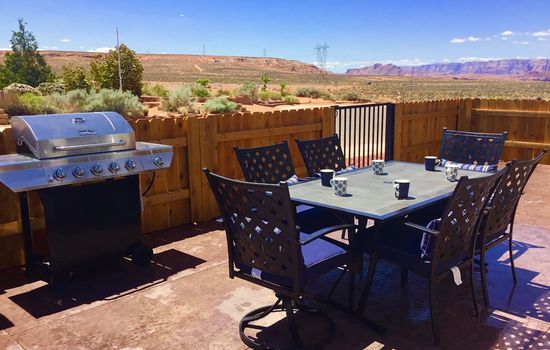
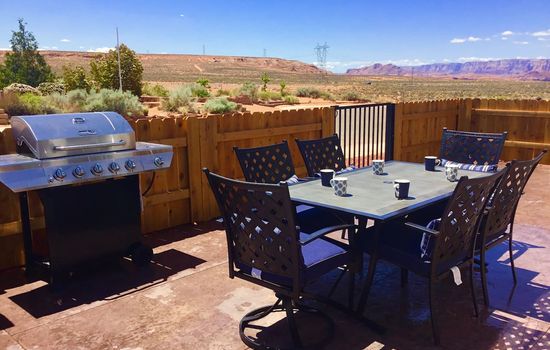
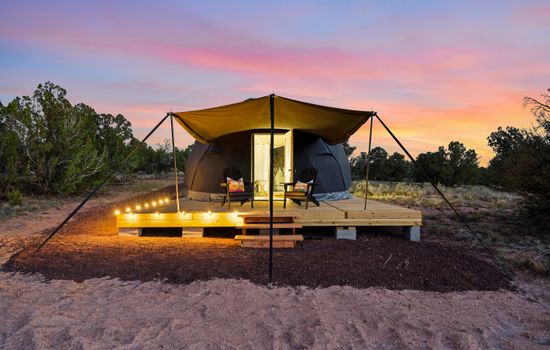
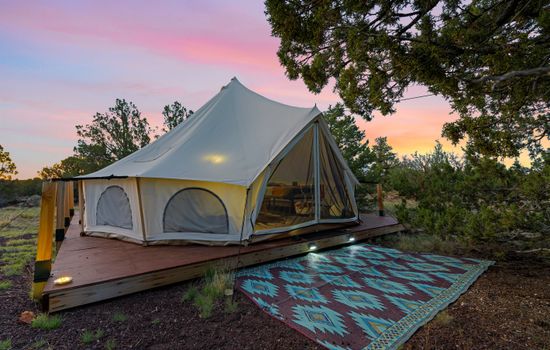
The gateway town of Springdale, immediately outside the south park entrance, functions as a village-scale outdoor resort, with restaurants, outfitters, lodging, and short-term rental properties lining the main street with canyon views in every direction. Cozy vacation homes and condos with multiple bedrooms, full kitchens, and beautiful red rock views are available in Springdale and surrounding communities including Virgin and Hurricane. Properties with hot tubs and outdoor decks give guests a luxury base for evening relaxation after demanding trail days. St. George, roughly 45 miles southwest, and Kanab, 40 miles east, offer broader vacation rental inventory for groups that need more bedrooms or more space. Book your accommodations near Zion National Park through Lake.com.
Seasons
March–May: Wildflowers bloom, waterfalls roar, mild days & cool nights; expect crowds on weekends & holidays.
June–August: Warm days, long sunlight; shuttle access to all trailheads; busiest season—bring water & sun protection.
September–November: Cooler temps, autumn hues, thinner crowds, ideal for hiking & photography.
December–February: Snow-dusted cliffs, quieter trails; some require traction devices; serene winter landscape.
Top 3 Facts about Zion National Park
Zion National Park encompasses 147,237 acres in southwestern Utah, where the North Fork of the Virgin River has carved Zion Canyon to depths of more than 2,000 feet through massive formations of Navajo Sandstone. Established as a national park in 1919, Zion attracted 4,946,592 visitors in 2024, making it one of the most visited national parks in the United States. The park sits at the intersection of the Colorado Plateau, the Great Basin, and the Mojave Desert, creating four distinct life zones within a single protected area.
The Narrows, a route through the Virgin River in a slot canyon with walls rising up to 1,000 feet above the streambed, is Zion’s signature hiking experience. Hikers wade upstream through the river itself, with depth varying from ankle-level to waist-deep depending on water flow and season. Angels Landing, the park’s most famous summit trail, requires a free permit for the final steep chain-assisted section at the top. The park operates a free shuttle system through Zion Canyon Scenic Drive during peak season, replacing private vehicles in the main canyon.
Zion National Park protects 289 species of birds, 75 mammal species, and 32 reptile species within its four life zones, supported by the Virgin River riparian corridor and the dramatic elevation change of more than 5,000 feet from the park’s lowest to highest points. About 85 percent of the park, roughly 124,000 acres, is designated as Zion Wilderness. The park includes Kolob Arch, the second-largest arch in the United States with a span of 287 feet, accessible by a 14-mile round-trip backcountry trail in the park’s Kolob Canyons section.
Travel Tips
Plan Ahead
Angels Landing permits are required for the final chain section and must be reserved in advance through recreation.gov; the permit lottery typically opens months before your visit date. The free Zion Canyon Shuttle operates spring through fall and replaces private vehicles on the main Zion Canyon Scenic Drive; plan your visit around shuttle access. Campground reservations fill months in advance for spring and fall weekends. The entrance fee is $35 per vehicle. Canyoneering and overnight backcountry trips require separate permits. Check nps.gov/zion for current permit requirements, shuttle schedules, and any trail closures.
Pack Appropriately
Wear water shoes or quick-dry hiking footwear for the Narrows; regular hiking boots become waterlogged and uncomfortable within minutes. Bring a trekking pole or rentable walking stick for stability in the river current. Water and sun protection are critical in the canyon; summer temperatures on exposed sections can exceed 100 degrees Fahrenheit. Layers are important in shoulder seasons when morning canyon temperatures are cool and midday sun is intense. Check water levels on the NPS website before any Narrows hike; flash flood risk requires real-time monitoring.
Respect Wildlife
Zion is home to mountain lions, mule deer, California condors, and more than 75 mammal species. Never approach, feed, or attempt to photograph wildlife at close range. Condors in particular are endangered and highly sensitive to human disturbance; give any condor sighted on the rim wide space. Desert bighorn sheep frequent rocky ledges and trail edges; never block their path or follow them. Squirrels and other small mammals aggressively seek food near trailheads; secure all food. Rattlesnakes are present in rocky areas; watch your footing carefully.
Stay Informed
Check nps.gov/zion for current trail conditions, permit requirements, shuttle schedules, and any flash flood watches before your visit. Flash floods in the Narrows and other canyon trails can develop within minutes when storms occur upstream, even when skies over the canyon appear clear. Monitor the NPS flood alert system before and during any canyon hike. For park emergencies, call 9-1-1. For non-emergency park information, contact Zion at (435) 772-3256.
- Area (mi²)
- 229
- Annual visitors
- 4 946 592
- Established year
- 1919
Accessibility & permits
Emergency

Planning a trip?
Tell us about your upcoming trip and how we can help!
Frequently Asked Questions
Ready to dive into what Zion National Park has to offer? Let’s tackle some of the burning questions you might have as you plan your visit!
-
The closest city to Zion National Park is Springdale, Utah, located right at the west entrance of the park, allowing visitors to walk into the park from the town. It is just 1.4 miles from the park and takes about 5 minutes to get there.
-
For young hikers, the Weeping Rock Trail is a great option, with a short 0.4-mile round trip and a mild ascent to see dripping springs and hanging gardens. Another easy hike is the Lower Emerald Pool Trail, a 1.2-mile round trip that offers lush greenery and stunning rock formations. The Riverside Walk, a 2.2-mile round trip, is also a good choice with its gentle terrain along the Virgin River.
-
Dogs must be kept on a six-foot leash and under physical control at all times. Retractable leashes should not extend beyond six feet. This rule helps protect dogs, wildlife, and other visitors.
-
Parking is not included with admission; you need to pay the entrance fee, but you can park your vehicle, including campers, trailers, and motorhomes, once you are inside. Large vehicles may have specific restrictions.
-
You can start by taking the shuttle to the Temple of Sinawava and hiking the 2-mile Riverside Walk trail, which features lush hanging gardens and tall weeping walls. Afterward, drive the scenic Zion – Mount Carmel Highway, passing through the Zion Tunnel and stopping at Checkerboard Mesa. End your day with a short 1-mile hike to Canyon Overlook for stunning views, especially beautiful at sunset.