Discover the Best of Illinoisâ Autumn Celebrations, from Pumpkin Parades (Yes, Really) to German Heritage Festivals
Where Heartland Harvest Meets Waterside Sanctuary
Illinois autumn unfolds across landscapes that defy singular definition: Lake Michigan’s urban shoreline, where Chicago’s skyline frames festival grounds; the Mississippi River bluffs near Galena, where 19th-century architecture provides a backdrop for Bavarian celebration; the agricultural heartland, where Morton’s pumpkin fields stretch to horizons unbroken by hills.
Galena Oktoberfest: Bavarian Heritage in Limestone Bluff Country
Location: Downtown Galena, IL
Dates: September 26-28, 2025
Attendees: Approximately 15,000
Theme: Heritage and Cultural Festival
Galena’s Oktoberfest transforms northwest Illinois’ most architecturally distinguished town into three days of Bavarian celebration, where polka bands perform against backdrops of 1850s limestone storefronts and Italianate mansions that survived the Civil War era intact. This is not theme-park Germany but rather authentic cultural preservation, with descendants of European immigrants maintaining traditions their ancestors brought when lead mining drew settlers to these Mississippi River bluffs.
Authentic German beer flows from taps, pouring selections from metropolitan Chicago breweries like Metropolitan Brewing and from smaller operations that maintain traditional lagering techniques. Bratwurst emerges from vendor grills in portions that defy modern nutritional guidelines, while soft pretzels achieve the perfect balance between a crispy, salt-crusted exterior and a tender, yeasty interior. The stein-holding competition tests endurance as competitors stand with arms extended, one-liter vessels held at shoulder height until muscles quiver and fail. The lederhosen run draws participants willing to embrace costume authenticity as they navigate a 5K course through Galena’s hilly streets.
Children discover dedicated areas for pumpkin decorating and face painting, while adults appreciate how Galena’s downtown rewards wandering. Boutique shops occupy buildings that once housed dry goods merchants serving miners, galleries display regional art in spaces with original tin ceilings and wood floors, and restaurants like Fried Green Tomatoes and Vinny Vanucchi’s maintain the kind of locally owned character that chain establishments cannot replicate.
After festival days surrounded by crowds and amplified oompah music, families retreat to Apple River Canyon State Park, where limestone bluffs frame a river valley harboring plant communities more typical of regions farther north. The park’s position creates microclimates supporting ferns and mosses in perpetually shaded ravines, while upland trails offer views across forested ridges that stretch toward the Mississippi. Nearby lakes provide different water experiences.
Apple Canyon Lake’s 350 acres offer protected waters ideal for September paddling, while Lake Galena provides public beach access and boat rentals. The combination captures northwest Illinois’ essential character: sophisticated cultural programming paired with genuine outdoor recreation, neither compromising the other.
St. Charles Scarecrow Festival: Suburban Creativity Unleashed
Location: Downtown St. Charles, IL
Dates: October 3-5, 2025
Attendees: Approximately 75,000
Theme: Family and Cultural Festival
The St. Charles Scarecrow Festival transforms this Fox River community into an outdoor gallery and carnival combined, where over 150 handcrafted scarecrows compete for prizes while providing the kind of public art that engages children and adults equally. These are not crude effigies stuffed with straw but rather sophisticated creations: life-sized recreations of movie characters, political commentary rendered in flannel and denim, abstract installations that push the boundaries of what constitutes “scarecrow.”
Multiple stages host live entertainment spanning genres from country to rock, acoustic folk to children’s performers, maintaining young attention spans through participation rather than passive watching. The craft show brings artisans from across the Midwest, whose booths display work ranging from traditional quilting to contemporary jewelry design. Carnival rides provide expected thrills, while activities like pony rides, face painting, and petting zoos create programming that acknowledges families arrive with varying ages and interests.
Local restaurants extend their operations onto sidewalks and into temporary tents, serving fall dishes that move beyond the expected: pumpkin risotto from Filling Station Pub + Cuisine, apple-bourbon-glazed pork from Preservation, and butternut squash ravioli from VQ Hotel’s kitchen. The Fox River itself, flowing through downtown, provides a visual anchor that elevates this beyond a typical suburban festival. Riverside paths allow escape from crowd density, and the river’s nineteenth-century dam and accompanying mill race reveal industrial heritage predating Chicago’s suburban sprawl.
After festival days, nearby Pottawatomie Park offers immediate riverfront access with paths connecting to the Fox River Trail system. For more substantial water experiences, Silver Glen County Forest Preserve’s Silver Glen Lake offers 46 acres of clear water, surrounded by oak savanna being restored to pre-settlement conditions. The preserve’s position along the Fox River valley makes it a stopover for migrating waterfowl, and September brings concentrations of teal, wood ducks, and other species staging before longer southern journeys. These quieter natural areas transform the festival from a day trip into a genuine escape, where families establish different rhythms between organized events and unstructured outdoor time.
Morton Pumpkin Festival: Agricultural Legacy as Civic Identity
Location: Morton, IL
Dates: September 10-13, 2025
Attendees: Approximately 75,000
Theme: Harvest and Food Festival
Morton’s Pumpkin Festival celebrates an agricultural product most Americans take completely for granted, elevating the humble pumpkin into an economic cornerstone and source of civic pride. This central Illinois community produces more canned pumpkin than any comparable region globally, the Libby’s processing plant transforming thousands of tons of locally grown pumpkins into the filling that appears in Thanksgiving pies from Maine to California. The festival, running since 1967, has evolved from a simple harvest celebration into a four-day event drawing visitors from across the Midwest.
The giant pumpkin weigh-off attracts serious competitors hauling specimens exceeding 2,000 pounds, their enormous size achieved through techniques more commonly associated with competitive agriculture than home gardening: specialized seed lines, careful soil amendment, protection from weather and pests, daily attention spanning entire growing seasons. These massive squash become celebrities for their brief moment, photographed extensively before being carved or composted at the end of the festival.
Unique pumpkin dishes push beyond expected preparations. Vendors serve pumpkin chili, where the squash provides both flavor and texture; pumpkin ice cream achieves creamy sweetness without artificial coloring; pumpkin ravioli demonstrates how this ingredient functions in savory applications; and pumpkin donuts are still warm from the fryers and dusted with cinnamon sugar. The Pumpkin Parade remains the festival’s centerpiece, floats decorated with thousands of pumpkins creating orange rivers flowing through downtown streets, high school bands providing a soundtrack, beauty queens waving from convertibles in a tradition that seems anachronistic until you witness the genuine community pride it generates.
Carnival rides occupy several blocks, their temporary midway bringing the particular chaos that defines American festival culture: mechanical screams mixing with calliope music, the smell of funnel cakes and corn dogs, and carnival barkers encouraging unlikely games of chance. Live music spans multiple stages, genres ranging from country to classic rock, local bands alternating with regional acts, and maintaining professional touring schedules.
After festival intensity, nearby Banner Marsh State Fish and Wildlife Area offers 4,300 acres of restored wetlands along the Illinois River, where observation platforms provide views across marshes supporting tremendous waterfowl concentrations during fall migration. For lake experiences, Powerton Lake’s warm-water discharge from the adjacent power plant creates fishing opportunities extending beyond normal seasons, while Spring Lake State Fish and Wildlife Area’s backwater lakes provide protected paddling through habitats supporting wading birds and turtles basking on half-submerged logs. The contrast between the festival’s human density and the marsh’s wild character creates a rhythm that many families find most sustainable across multi-day trips.
Apple and Pork Festival: Clinton’s Agricultural Pairing
Location: Clinton, IL
Dates: September 27-28, 2025
Attendees: Approximately 30,000
Theme: Harvest and Cultural Festival
The Apple and Pork Festival in Clinton celebrates two agricultural products that define central Illinois farming: orchards producing apples that achieve a perfect balance between tart and sweet, and hog operations maintaining genetics that produce meat that satisfies contemporary preferences for lean protein while preserving enough marbling for flavor. This pairing, which might seem arbitrary, reflects the reality of agricultural economics, where diversification across crop and livestock operations provides insurance against market volatility affecting any single commodity.
Fresh apple cider flows from presses crushing fruit harvested within miles of the festival grounds, the juice’s cloudiness indicating minimal processing, and its flavor profile shifts throughout the day as different varieties enter the mix. Pork chops come off the grill in various preparations: simple salt-and-pepper, allowing the meat’s quality to speak for itself; barbecue glazes, adding sweetness and smoke; and apple-based marinades, creating thematic coherence with the festival’s dual focus. Homemade apple butter, cooked down to spreading consistency and spiced with cinnamon and cloves, appears in half-pint jars at vendor booths, each batch representing hours of stirring and reducing.
The antique show draws collectors seeking Depression glass, vintage tools, advertising memorabilia, and furniture predating the complete dominance of mass production. Craft markets display work from artisans who maintain traditional techniques: quilters creating patterns passed down through generations, woodworkers turning bowls on spring-pole lathes, weavers producing textiles on looms that require more floor space than most modern homes comfortably accommodate. These are not hobbyists but rather skilled practitioners maintaining knowledge that industrial manufacturing rendered economically obsolete but culturally valuable.
Clinton Lake, a U.S. Army Corps of Engineers reservoir impounding 4,895 acres, offers substantial water recreation just minutes from the festival grounds. The lake’s warmwater fishery supports largemouth bass, channel catfish, and crappie, while its beaches offer swimming access through September, when air temperatures remain comfortable. DeWitt County’s position in Illinois’ agricultural heartland means relatively flat terrain, but Clinton Lake’s shoreline creates enough topographic relief that fall color reflects dramatically across the water. After festival days celebrating agricultural products, time spent at water’s edge creates space for processing experiences and simply existing without agendas.
How Do Illinois Oktoberfest Celebrations Compare?
Peoria Oktoberfest
Location: Downtown Peoria, IL
Dates: September 19-21, 2025
Attendees: Approximately 20,000
Theme: German Traditions and Cultural Festival
Peoria’s Oktoberfest brings Bavarian tradition to the Illinois River, where the waterfront provides a backdrop for three days of celebrating German heritage through food, beer, and entertainment that balances authentic cultural preservation with accessibility for families unfamiliar with these traditions. The festival occupies downtown streets normally carrying traffic, transforming commercial corridors into pedestrian zones where beer tents anchor one end and carnival rides dominate the other.
Authentic German food moves beyond simple bratwurst to include schnitzel properly pounded thin and breaded before frying, spaetzle providing egg noodle accompaniment to rich gravies, red cabbage braised with apples and vinegar achieving sweet-sour balance, and potato pancakes fried until edges achieve impossible crispness while centers remain tender. Beer selections span German imports and domestic craft breweries, honoring traditional styles: Märzens with their malty sweetness, Hefeweizens showing banana and clove notes from distinctive yeast strains, and Dunkels providing a darker alternative for those avoiding pale lagers.
The wiener dog races provide comic relief and surprising competitiveness, dachshunds charging down carpeted lanes toward owners who call encouragement, some dogs maintaining laser focus while others become distracted by the crowd or refuse to participate. Traditional games like log sawing competitions and stein racing create participatory entertainment beyond passive watching, while polka bands ensure that dancing remains central to the experience.
Peoria’s position along the Illinois River creates a unique urban waterfront where nineteenth-century industrial architecture frames contemporary festival grounds. After festival days, nearby lakes offer quieter alternatives to the river’s commercial character. Farmdale Reservoir’s 134 acres provide protected waters ideal for paddling, while Jubilee College State Park’s small lakes support fishing populations and surrounding trails reveal prairie restoration efforts returning portions of Illinois to pre-settlement conditions. For families seeking more developed facilities, Lake Peoria itself extends for miles upstream, with protected channels offering excellent sailing and powerboating, and marinas providing rental access.
What Makes Central Illinois Fall Festivals Unique?
Lake Shelbyville Fall Festival
Location: Shelbyville, IL
Dates: October 11, 2025
Attendees: Approximately 5,000
Theme: Outdoor Recreation and Harvest Celebration
The Lake Shelbyville Fall Festival pairs an autumn celebration with access to one of Illinois’ largest reservoirs, where 11,000 acres of water offer recreation that extends beyond simple beach access into serious sailing, fishing, and exploration of dozens of coves and tributary arms. The festival itself occupies a relatively modest footprint compared to urban events, acknowledging that many attendees come as much for the lake as the organized programming.
Hayrides traverse conservation land surrounding the lake, with guides explaining how the Army Corps management balances flood control, recreation, and wildlife habitat. Pumpkin painting allows children to create take-home projects without the mess of full carving. Guided hikes focus on fall color and migration ecology, interpreters explaining how dozens of bird species use this corridor during their movements between breeding and wintering grounds, some stopping to rest and refuel, others passing through in a single day.
The festival’s outdoor focus means weather plays a larger role than at events offering indoor alternatives. October in central Illinois ranges from shirt-sleeve comfort to requiring serious layers, and wise visitors pack for variability rather than optimism. Yet this vulnerability to elements creates its own appeal, the sense that humans remain subject to natural systems rather than completely insulated by technology and infrastructure.
After the festival’s structured activities, families discover that Lake Shelbyville itself provides all necessary programming, its moods and weather creating experiences no event coordinator could script.
Huntley Fall Fest: Musical Showcase in Growing Suburbs
Location: Huntley, IL
Dates: September 12-14, 2025
Attendees: Approximately 25,000
Theme: Music and Arts Festival
Huntley Fall Fest transforms this northwest suburban community into a multi-stage music venue, where performances span genres from country to rock, acoustic to electronic, local bands alternating with regional acts, maintaining tour schedules. The festival’s musical focus distinguishes it from events centered on food or crafts, though vendor areas provide both. Multiple stages allow simultaneous performances, enabling families to choose based on preference rather than forcing everyone to endure the same programming.
Evening performances under the stars create an atmosphere that indoor venues cannot match. September nights are cool enough that blankets become necessary, and there is a particular magic that occurs when live music fills an outdoor space. Dance areas encourage movement beyond simple standing and watching, children spinning freely while adults attempt more restrained participation, the collective joy that music generates across generational boundaries.
Food vendors serve beyond typical festival fare: gourmet food trucks offering preparations that would fit comfortably on restaurant menus, craft beer tents pouring selections from Illinois breweries like Revolution and Half Acre, and wine vendors providing alternatives for those avoiding beer’s carbonation. The festival acknowledges that music appreciation pairs naturally with culinary exploration, that sensory experiences compound rather than compete.
Huntley’s position in Kane County places it within Chicago’s suburban sprawl, yet it is still near agricultural land and conservation areas that preserve remnant prairie. After festival days surrounded by amplified music and crowds, nearby Glacial Park offers 3,400 acres of restored prairie, oak savanna, and wetlands where silence returns immediately. For more developed lake recreation, Crystal Lake offers urban beaches and boat launches, while Wonder Lake’s residential shoreline supports fishing and paddling in settings that feel surprisingly rural despite suburban proximity.
Lincoln Square Ravenswood Apple Fest: Urban Harvest Celebration
Location: Lincoln Square neighborhood, Chicago, IL
Dates: October 4-5, 2025
Attendees: Approximately 40,000
Theme: Community and Cultural Festival
The Lincoln Square Ravenswood Apple Fest transforms one of Chicago’s most distinctive neighborhoods into a two-day celebration where apple-focused food vendors, craft beer tents, and live music stages occupy Lincoln Avenue for blocks. This is urban festival culture at its most developed: sophisticated food offerings that reflect the neighborhood’s culinary scene, musical performances spanning indie rock to folk traditions, and art vendors displaying work that would fit comfortably in gallery settings.
Caramel apples achieve sculptural quality, their coatings embedded with nuts, chocolate, or candy fragments, creating textures and flavors that transform simple fruit into a dessert centerpiece. Apple pies emerge from ovens with lattice crusts, achieving golden-brown perfection, with fillings balanced between tart and sweet, and cinnamon and nutmeg providing aromatic complexity. Hot cider flows from insulated dispensers, the non-alcoholic version satisfying children while spiked alternatives acknowledge adult preferences.
The neighborhood itself rewards exploration beyond the festival footprint. Lincoln Square maintains a European immigrant character despite Chicago’s overall Americanization: German bakeries like Lutz’s Cafe produce strudels and tortes, Greek restaurants serve authentic preparations rather than Americanized versions, and Middle Eastern groceries stock ingredients unavailable in conventional supermarkets. The Old Town School of Folk Music anchors the neighborhood’s musical identity, its programs ranging from children’s classes to professional performances in its concert hall.
These urban natural areas transform festival attendance from a day trip into a genuine staycation, where lakeside morning coffee and evening walks create bookends framing cultural programming.
Jack’s Pumpkin Pop Up: Urban Agriculture Meets Festival Culture
Location: Multiple Chicago locations
Dates: Late September through October 2025
Attendees: Approximately 15,000
Theme: Family Entertainment and Seasonal Celebration
Jack’s Pumpkin Pop Up brings farm experience to urban settings where actual agriculture exists only in community gardens and rooftop installations. The temporary venues feature pumpkin patches where children select future jack-o-lanterns, corn mazes navigating pathways between stalks trucked from actual farms, carnival rides providing expected thrills, and activities like face painting and pumpkin carving that occupy hours while parents sample craft beers and festival foods.
This is a manufactured rural experience, certainly, yet it serves a genuine need in communities where children might otherwise never encounter pumpkins still attached to vines, corn growing taller than adults, hay bales stacked into climbing structures. The urban setting offers accessibility that rural pumpkin farms cannot match: public transit access, evening hours that accommodate work schedules, and admission prices that acknowledge urban cost-of-living realities.
Food vendors move beyond expected carnival fare into preparations that reflect Chicago’s sophisticated culinary culture: wood-fired pizzas topped with butternut squash and sage, pumpkin soup garnished with pepitas and crema, apple cider donuts achieving a cake-like texture rather than typical donut grease. Beer and wine selections feature local producers: Revolution’s seasonal pumpkin ale, Virtue Cider’s Michigan-made hard ciders, and wines from Illinois’ nascent southern wine industry.
The pop-up nature means locations vary by year, but Chicago’s lakefront remains a constant presence. Whether in Lincoln Park near the zoo, Grant Park adjacent to Millennium Park, or neighborhood locations throughout the city, Lake Michigan provides a visual and atmospheric anchor.
Makanda Vulture Fest: Southern Illinois Counterculture Celebration
Location: Makanda, IL
Dates: October 11-12, 2025
Attendees: Approximately 8,000
Theme: Arts and Crafts Festival
The Makanda Vulture Fest transforms this tiny southern Illinois community into an artisan showcase and counterculture gathering, where craft vendors display handmade jewelry, pottery, and woodwork while musicians perform on stages tucked between vendor booths. Makanda’s bohemian character, established by artists and craftspeople seeking affordable space and creative community, provides the perfect setting for a festival celebrating handmade quality and rejection of mass-produced uniformity.
The festival’s name references turkey vultures that congregate in southern Illinois during migration, a presence that provides a metaphor for the gathering of creative individuals drawn to Makanda’s artistic energy. Vendors display work spanning traditional crafts and contemporary design: blacksmiths forging decorative ironwork using techniques predating the Industrial Revolution, jewelers setting stones in hand-fabricated settings, potters throwing vessels on kick wheels, fiber artists weaving textiles on floor looms.
Food vendors serve preparations that reflect the region’s agricultural abundance and artistic sensibility: farm-to-table offerings featuring local produce, baked goods from artisan bakeries, craft beer from southern Illinois breweries like Scratch Brewing, and using foraged ingredients. The festival’s scale remains deliberately modest, preserving the intimacy that larger events sacrifice for higher attendance.
Frankfort Fall Festival: Culinary Abundance in Historic Downtown
Location: Downtown Frankfort, IL
Dates: August 30 – September 1, 2025
Attendees: Approximately 60,000
Theme: Food and Beverage Festival
The Frankfort Fall Festival transforms this southwest suburban community into a four-day culinary celebration, where over 300 food vendors compete for attention through preparations ranging from traditional festival fare to sophisticated dishes that would fit comfortably on restaurant menus. This is food-focused festival culture at its most developed: apple fritters achieving impossible lightness despite deep-frying, pumpkin pies with crusts flaky enough to shatter at the touch of a fork, warm cider donuts dusted with cinnamon sugar and served while steam still rises from their surfaces.
Craft beer tents pour selections from across Illinois’ robust brewing industry: Metropolitan’s German-style lagers, Revolution’s IPA variations, Half Acre’s experimental saisons and wild ales. Wine vendors provide alternatives sourced from regions as diverse as California, Oregon, and increasingly, southern Illinois, where the growing wine industry produces Chambourcin and Vignoles, achieving quality that surprises skeptics expecting sweet concord grape wines.
Live music spans multiple stages, carnival rides occupy several blocks, and craft vendors display work that offers alternatives to food. Yet culinary offerings remain the festival’s centerpiece, the primary draw for families willing to navigate crowds and parking challenges. The festival’s Labor Day Weekend timing captures summer’s final days while previewing autumn’s approach, temperatures that can swing from shirtsleeve comfort to requiring layers within a single day.
Arcola Broomcorn Festival: Heritage Craft as Living Tradition
Location: Arcola, IL
Dates: September 5-7, 2025
Attendees: Approximately 45,000
Theme: Agricultural Heritage and Cultural Festival
The Arcola Broomcorn Festival celebrates an agricultural product most Americans never consider: the specialized sorghum variety whose seed heads, when properly dried and processed, become broom bristles. Arcola emerged as a broomcorn center in the late 1800s, when this region’s climate and soils proved ideal for the crop, and local entrepreneurs established manufacturing operations converting raw agricultural product into finished household goods. Though industrial production has largely mechanized, some craftspeople maintain traditional hand-tied broom making, their demonstrations revealing the skill required to create durable, balanced brooms from bundles of dried grass.
The festival’s Amish connection adds a cultural dimension beyond an agricultural focus. Arcola’s substantial Amish population maintains traditional practices, including horse-drawn transportation, rejection of electrical grid connection, and craft production spanning furniture to baked goods. Festival vendors sell shoofly pie with its molasses-sweetened filling, homemade ice cream churned without electric motors, and furniture joined with traditional techniques rather than modern fasteners.
Buggy rides through the countryside surrounding Arcola provide glimpses into a lifestyle that deliberately maintains separation from contemporary mainstream culture: farms without power lines, homes heated by wood or propane, transportation at speeds that allow genuine observation rather than merely passing through the landscape. These are not historical reenactors but rather people maintaining religious and cultural traditions that inform every aspect of daily life.
Planning Your Illinois Festival Journey: Logistics for Lake-Based Adventures
Illinois’ fall festival circuit succeeds because it offers what sophisticated family travel has always pursued: authentic engagement with regional culture, agricultural traditions, and artistic communities in settings that welcome multiple generations.
The festivals provide structure and focus, while the state’s surprising lake geography offers countless opportunities for quieter experiences, allowing families to establish their own rhythms between organized events.
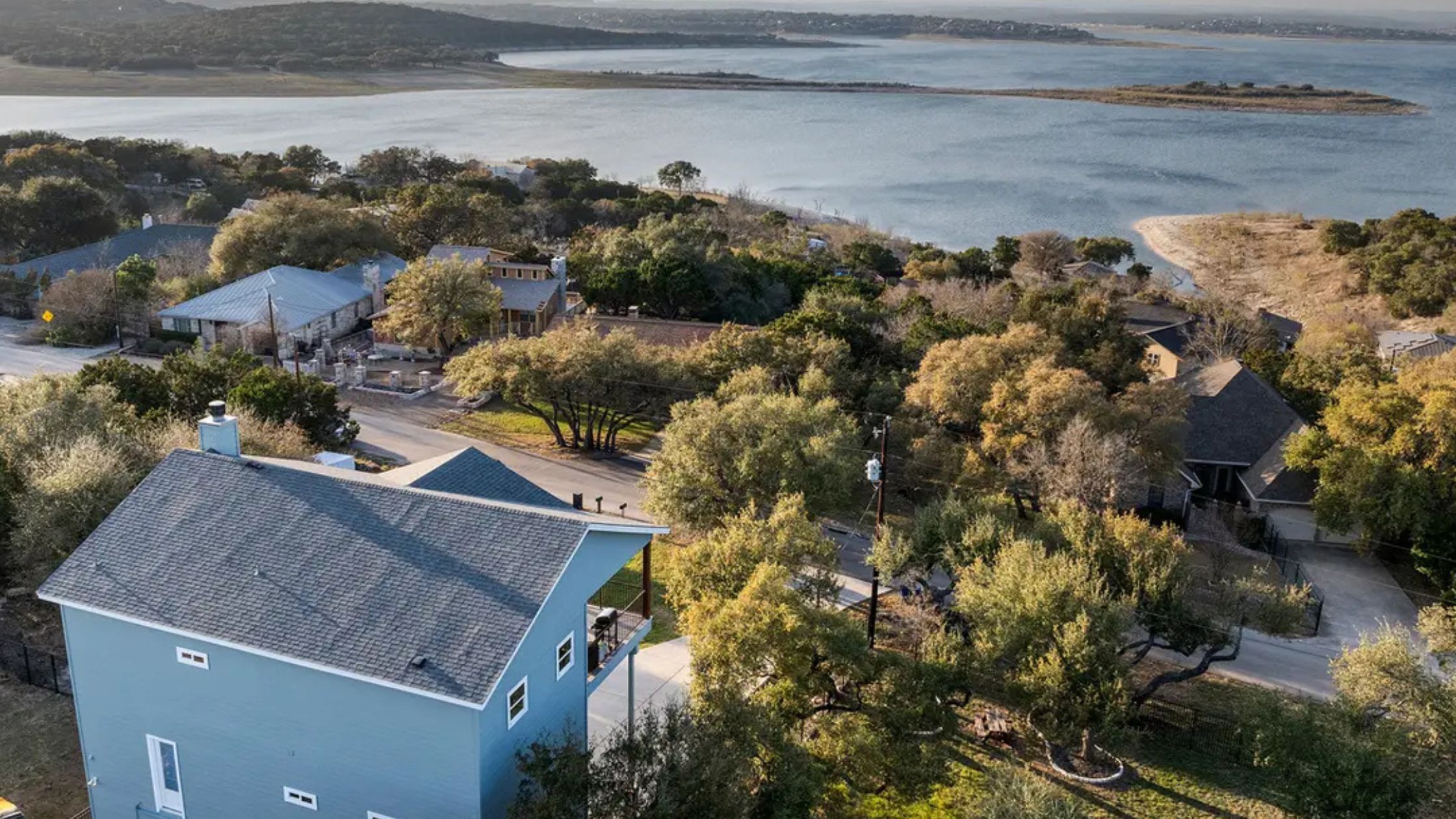
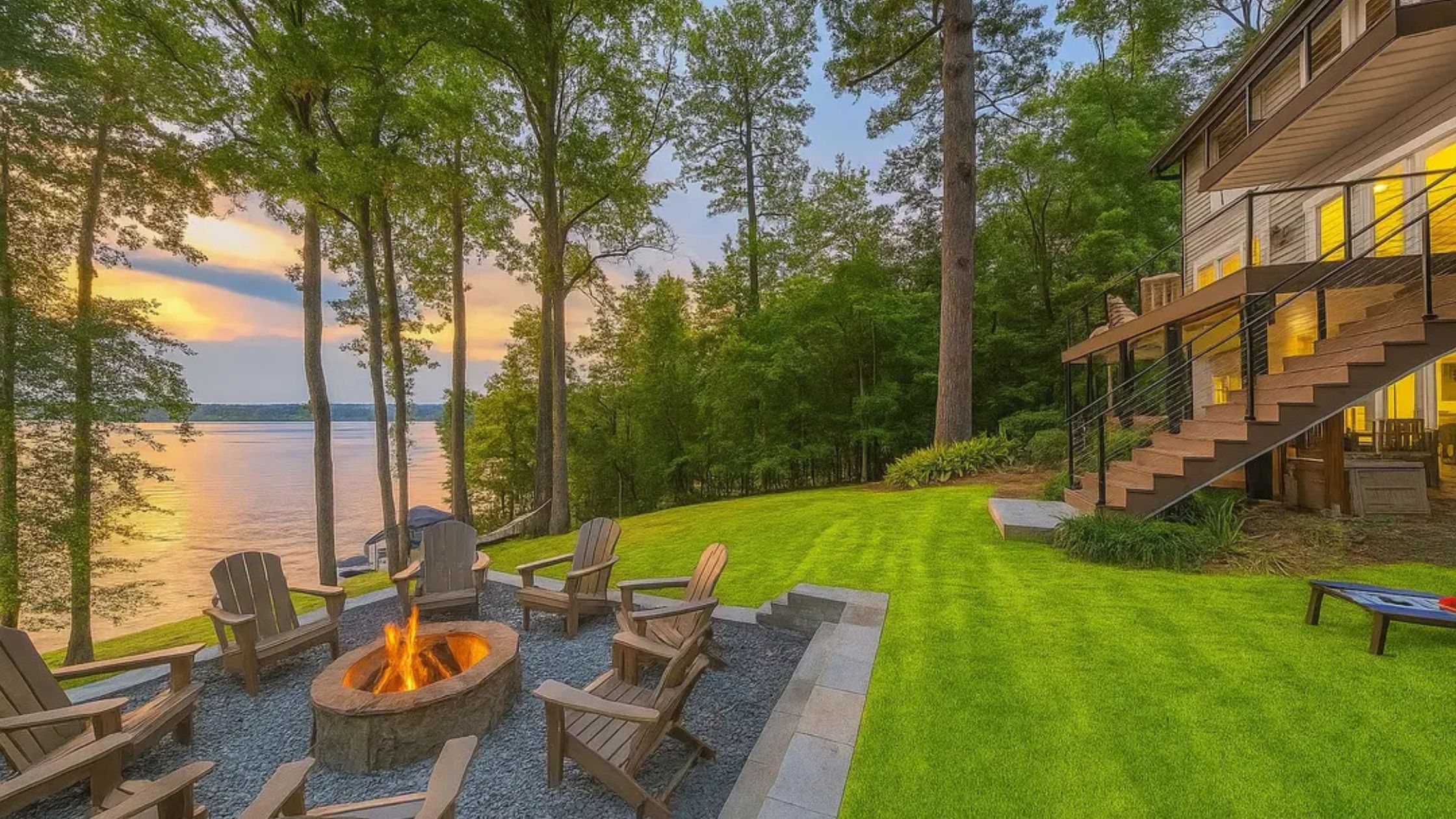
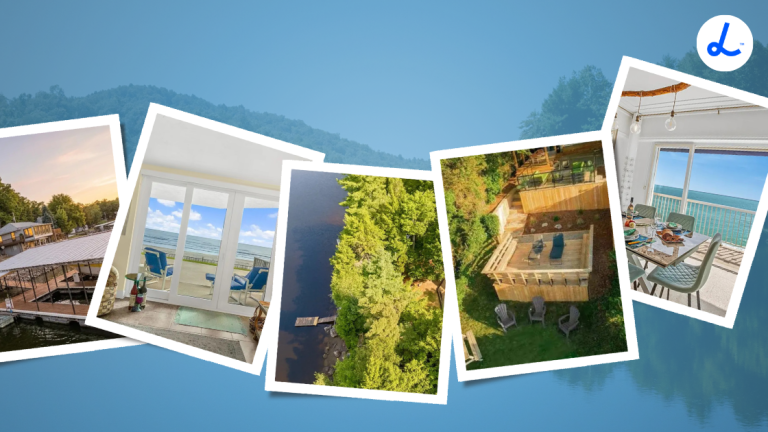
Vacation rentals dot shorelines throughout the state, offering everything from rustic cabins on quiet coves to luxury homes with private docks and beach access on more developed lakes. These accommodations transform festival attendance from day trips into genuine vacations, where morning coffee happens at the water’s edge and evening reflections occur as the sunset paints clouds above western horizons.
Book accommodations early for popular events like Morton’s Pumpkin Festival and St. Charles Scarecrow Fest, where nearby hotels fill months in advance and rates increase dramatically during festival weekends.
Consider lake-based rentals slightly farther from festival epicenters, where morning kayaking and evening bonfires create experiences no hotel amenities match.
Lasting Memories
The measure of success lies not in the festivals attended but in whether families return home energized, whether grandparents and grandchildren both feel their interests are honored, and whether the vacation creates space for genuine connection rather than merely checking items off predetermined lists. Illinois’ fall festivals and lake culture provide all the necessary raw materials. The work lies simply in knowing where to look and having the courage to slow down enough to actually experience what the season offers beyond its harvest abundance and autumn color.