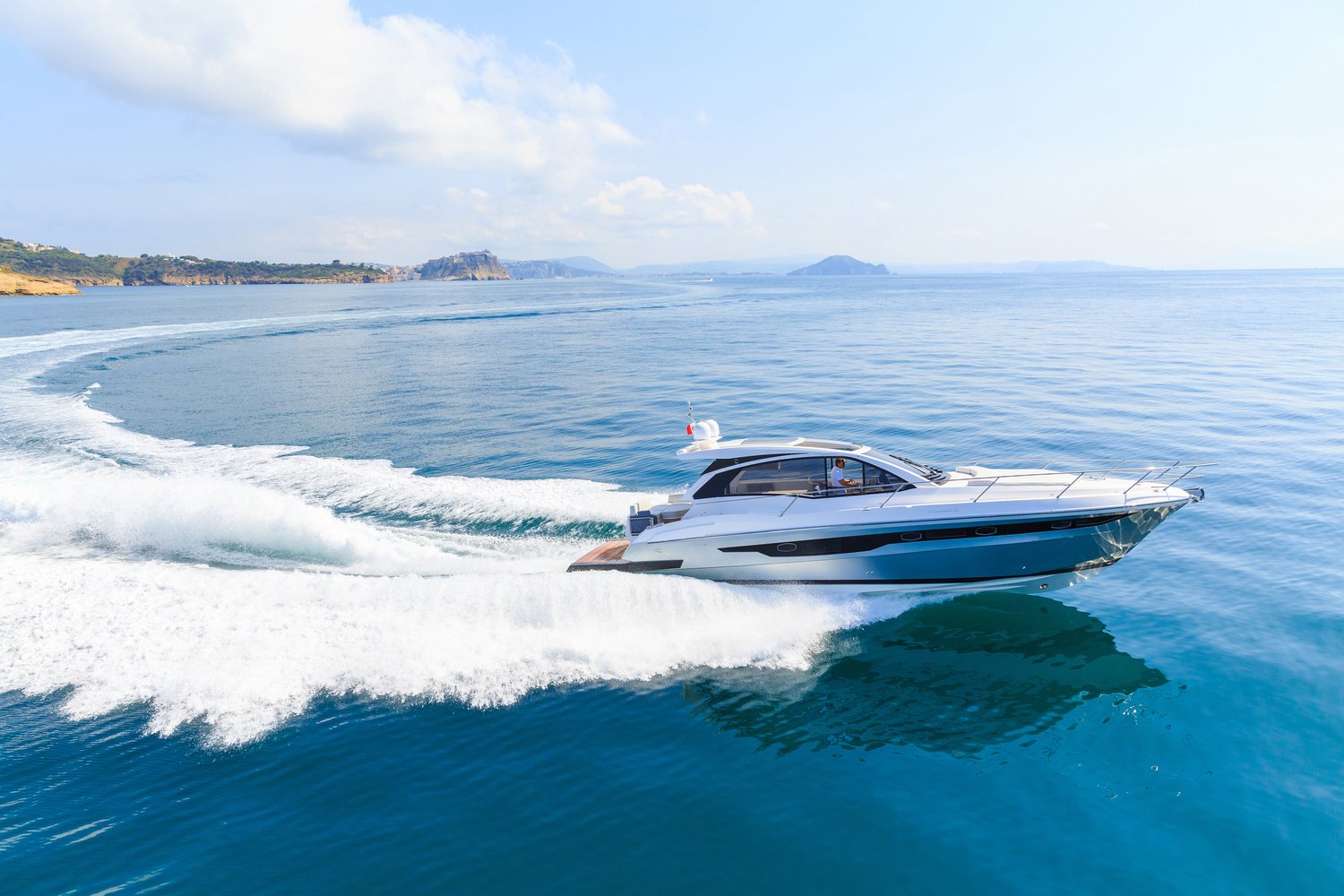

Best New Motor Boats for 2026
When you’re ready to explore the water in 2026, the motor boat market offers incredible new options that blend cutting-edge technology with reliable performance.
This year brings fresh innovations in electric propulsion, smarter hull designs, and boats that make every moment on the water more enjoyable. Whether you’re fishing at dawn, cruising with family, or seeking high-speed thrills, the 2026 lineup delivers boats that match your waterside dreams.
Understanding Motor Boat Engine Types for 2026

The engine you choose shapes every aspect of your boating experience, from maintenance schedules to on-water performance. In 2026, three main motor configurations dominate the market: inboard, outboard, and stern-drive systems.
Each type serves different boating styles and comes with specific benefits that align with how you plan to use your boat. Modern engines now offer more power, better fuel efficiency, and cleaner operation than ever before, giving you more options to find your perfect match.
What Makes Inboard Motors Special?
Inboard motors sit inside your boat’s hull, creating a low center of gravity that improves stability when you’re cutting through choppy water or making tight turns. These engines connect to a propeller via a shaft running beneath the boat, delivering smooth, consistent power that seasoned boaters appreciate.
The protected location means less exposure to harsh weather and saltwater, which translates to longer engine life and fewer replacement headaches. You’ll find inboard motors typically paired with larger boats where interior space matters less than raw performance and handling precision.
The main advantage of inboard systems lies in their durability and the balanced weight distribution they create. Your boat handles better at all speeds, making docking easier and high-speed turns more controlled. However, inboard motors require more complex installation and cost more upfront compared to other options.
Why Outboard Motors Dominate 2026 Models
Outboard motors mount on your boat’s stern, where they’re easy to see, reach, and service when needed. These self-contained units include the engine, gearbox, and propeller in a single package, making them highly practical for boat owners who value simplicity and flexibility. In 2026, outboard technology has reached new heights, with models ranging from portable 2.5-horsepower units perfect for dinghies to the Mercury 600-hp V12 Verado, the most powerful production outboard available today. This massive range means you can find an outboard motor that fits nearly any boat size and activity level.
The portability factor makes outboards shine. You can remove them for winter storage, swap them between boats, or upgrade to more powerful models as your needs change. Modern outboards like the Yamaha V MAX SHO 250 deliver exceptional performance for tournament fishing, featuring 70 amps of charging power and the ability to run on regular 89 octane fuel. The Suzuki DF250 Stealth takes things further with fly-by-wire digital controls, keyless ignition, and a sleek matte black finish that looks sharp on any bass boat. These motors excel in both freshwater and saltwater environments, giving you the freedom to explore different bodies of water without worrying about compatibility.
On the downside, outboard motors sit exposed to the elements, which means they face more wear from sun, salt, and spray. They also tend to run louder than inboard equivalents, which might affect your peaceful morning fishing sessions. Despite these minor drawbacks, outboards remain the most popular choice in 2026 because they offer unbeatable versatility and ease of maintenance at various price points.
Stern-Drive Motors: The Best of Both Worlds
Stern-drive systems, also called inboard-outboard motors, combine an inboard engine with an outboard drive unit that swivels like an outboard. This hybrid design gives you the power benefits of an inboard engine paired with the maneuverability advantages of an outboard setup. The engine sits inside your boat for protection and weight distribution, while the drive unit outside handles steering and propulsion duties. This configuration proves especially effective for boats operating in diverse conditions, from calm lakes to coastal waters with changing sea states.
Stern drives offer superior trim control, allowing you to adjust your boat’s position in the water for optimal efficiency and comfort. You can trim up to reduce drag and increase speed on flat water, or trim down for better bite and control in rough conditions. This flexibility makes stern drives popular for water sports enthusiasts who need precise control for wakeboarding or skiing. The system works equally well in fresh and salt water, though saltwater use requires more diligent maintenance to prevent corrosion on exposed components.
The main challenges with stern-drive motors involve maintenance requirements and vulnerability to impact damage. The drive unit needs regular inspection and servicing, which typically means hauling your boat out of the water more often. In shallow areas, the protruding drive unit can strike underwater obstacles, potentially causing expensive damage. You’ll want to be more cautious about where you run a stern-drive boat compared to an outboard or inboard. However, for boaters who value performance, versatility, and superior handling, stern drives remain an excellent middle-ground option.
Revolutionary Electric Outboard Motors for 2026

Electric propulsion represents the biggest shift in recreational boating since the introduction of four-stroke engines. In 2026, electric outboards have matured from niche products to genuine alternatives that compete with gas engines on performance, range, and total cost of ownership. These motors deliver instant torque, whisper-quiet operation, and zero emissions, making them ideal for environmentally sensitive areas and lakes where noise restrictions apply. The technology has reached a tipping point where electric makes practical sense for many boaters, not just those motivated by environmental concerns.
Mercury Avator Electric Outboards
Mercury Marine’s Avator lineup leads the electric revolution with sophisticated systems designed specifically for marine environments. The new Avator 110e delivers approximately 15 horsepower at the propeller shaft, equivalent to 11,000 watts. What makes electric motors special is how they deliver power: you get instant torque and immediate throttle response that actually feels more responsive than comparable gas engines. The Avator 110e accelerates faster off the line than you’d expect from a motor rated at 15 hp, thanks to the efficiency advantages of electric drive systems.
Mercury designed the Avator system as a complete package that includes the motor, controls, propeller, batteries, display screen, and mobile app integration. You can monitor battery levels, motor temperature, and performance data right from your smartphone, giving you complete visibility into your boat’s health. The modular battery system lets you choose how much power to bring along. For short afternoon trips, a single battery keeps weight down. For all-day fishing expeditions, add more battery capacity to extend your range. This flexibility means you’re not locked into one configuration for all situations.
The Avator motors work best on lakes and rivers where quiet operation enhances the experience. Many bodies of water now restrict or ban gas engines during certain hours or seasons, and electric motors let you access these waters without compromise. The maintenance requirements drop dramatically compared to gas engines – no oil changes, no spark plugs, no fuel system issues. You simply charge your batteries and go. While the initial investment runs higher than comparable gas outboards, the reduced operating costs add up quickly, especially if you boat frequently.
Blade Halo Series: Affordable Electric Options
Blade Outboards enters 2026 with a mission to make electric boating accessible to more people through smart engineering and competitive pricing. The Blade Halo Series includes three models: the Halo 3, Halo 6, and Halo 10, each designed for different boat sizes and usage patterns. Blade focused on keeping costs manageable by targeting battery prices below $300 per kilowatt-hour, the threshold where electric propulsion starts making financial sense for everyday boaters. This approach delivers electric motors that compete with gas alternatives on total cost, not just environmental benefits.
The Halo 3 and Halo 6 both use integrated 1.7 kWh batteries, providing enough power for several hours of cruising on small boats and tenders. The larger Halo 10 steps up to a 5 kWh battery pack, extending range significantly for longer trips or boats that need more sustained power. These motors target the massive market of small boat owners who currently use 5-10 horsepower gas outboards for fishing, exploring, or tending larger vessels. European pricing starts at approximately $1,970 for the Halo 3, rising to $2,800 for the Halo 10, making them notably more affordable than previous electric outboard offerings.
What makes the Blade approach work is matching motor size to realistic use cases. Instead of chasing big horsepower numbers, Blade optimized for runtime and efficiency on boats that naturally cruise at moderate speeds. A small fishing boat or tender doesn’t need 50 horsepower – it needs reliable power that lasts all day without refueling. Electric motors excel in this role, delivering consistent performance from full charge down to reserve levels. The Halo Series motors also weigh less than comparable gas outboards, with the Halo 3 coming in at a manageable weight that one person can easily mount or remove.
Torqeedo XS Portable Electric Motor
For boaters who need maximum portability, the Torqeedo XS redefines what a take-anywhere motor can do. This compact electric outboard produces power equivalent to 2 horsepower from a 648 watt-hour lithium battery, all in a package that weighs about 40 pounds total including the battery. The XS features WiFi connectivity, letting you access detailed performance data through a smartphone app. You can check battery levels, monitor power consumption, and even adjust motor settings wirelessly, bringing modern technology to even the smallest boats.
The portable design makes the Torqeedo XS perfect for inflatable boats, small tenders, and lightweight fishing boats where every pound matters. You can easily remove the entire unit for secure storage or transport it in your vehicle without needing a trailer. The integrated battery eliminates messy fuel handling and the risk of spills in your car or storage area. For weekend lake house owners or boaters who need a reliable way to get to and from a moored boat, the XS provides clean, quiet propulsion that’s always ready to go.
The technology behind the Torqeedo XS represents years of refinement in electric marine propulsion. The motor runs nearly silent, letting you approach fish without spooking them or enjoy peaceful mornings without engine noise disturbing the calm. The instant throttle response gives you precise control in tight spaces like marinas or around docks. While the range limitations mean this isn’t the right motor for long-distance cruising, it excels in its intended role as a compact, efficient solution for short trips and light-duty applications.
Top Traditional Outboard Engines for 2026
Gas-powered outboards continue to dominate the market in 2026, driven by continuous improvements in power, efficiency, and reliability. Manufacturers have refined four-stroke technology to deliver impressive performance while meeting stricter emission standards. These engines serve boaters who need maximum power, extended range, or operate in areas where electric charging infrastructure doesn’t exist yet. The latest models prove that traditional outboards still have plenty of innovation left, combining decades of proven technology with modern electronics and materials.
Mercury 600 hp V12 Verado: Ultimate Power
The Mercury 600 hp V12 Verado stands alone as the most powerful production outboard motor you can buy in 2026. This massive engine transforms large boats and yachts, delivering power previously available only through multiple smaller outboards or stern-drive installations. The V12 configuration runs incredibly smooth thanks to excellent balance and refined engineering, reducing vibration even at full throttle. Mercury designed this motor for luxury applications where performance matters as much as comfort, making it the top choice for premium boats that need serious propulsion.
The Verado 600 features advanced technology throughout, including digital controls that give you precise throttle and steering inputs. The powerful alternator system generates enough electricity to run all your boat’s electronics and amenities without auxiliary generators. This matters when you’re running high-end audio systems, navigation equipment, lighting, and galley appliances simultaneously. The motor also includes smart features like automatic trim optimization and joystick piloting for close-quarters maneuvering, making even large boats feel responsive and easy to handle.
Fuel efficiency might not be the first thing you think of with a 600 horsepower motor, but Mercury engineered the V12 to deliver better consumption than you’d expect from this power level. The sophisticated fuel injection and engine management systems optimize burn efficiency across all RPM ranges, stretching your fuel budget further than comparable twin or triple installations of smaller motors. For boat owners who refuse to compromise on performance, the Mercury 600 hp V12 Verado represents the pinnacle of outboard technology in 2026.
Yamaha V MAX SHO 250: Tournament Favorite
Tournament bass anglers consistently choose the Yamaha V MAX SHO 250 for its combination of power, reliability, and features that matter on competition day. This V6 outboard produces 250 horsepower from a 4.2-liter engine that runs happily on regular 89 octane fuel, saving you money over motors requiring premium gas. The 70-amp alternator generates 40 percent more charging power than previous models, ensuring your livewell pumps, fish finders, trolling motor batteries, and electronics stay powered throughout long tournament days.
The SHO (Super High Output) technology delivers lightning-fast acceleration out of the hole, getting you on plane quickly even with a full livewell and tournament gear aboard. This aggressive hole shot helps when you need to make long runs to distant fishing spots or beat competitors to productive areas. The top speed performance matches the acceleration, with many tournament boats exceeding 70 mph when properly rigged with a V MAX SHO 250. Yamaha offers the motor in 20-inch and 25-inch shaft lengths to match different hull designs and transom heights, ensuring optimal propeller positioning for best performance.
Reliability matters more than anything in tournament fishing, where mechanical failures cost money and points. The V MAX SHO series has earned its reputation through years of proven performance in the toughest conditions bass anglers face. The engines feature durable internal components, advanced corrosion protection for saltwater use, and engineering that handles the constant wide-open-throttle running common in competitive fishing. Many professional anglers run V MAX SHO motors season after season with minimal issues, trusting them completely when prize money is on the line.
Suzuki DF250 Stealth: Sleek Performance
The Suzuki DF250 Stealth brings style and substance to serious fishing boats with its distinctive matte black finish and raised lettering that sets it apart from standard motors. Suzuki designed the Stealth series specifically for anglers who appreciate both performance and appearance, knowing that your boat represents a significant investment that should look as good as it runs. The matte black coating isn’t just for looks – it reduces glare in bright conditions, helping you see better when running or scanning the water for fish activity.
Performance-wise, the DF250 Stealth packs advanced technology including DOHC 24-valve engineering in a 245 cubic centimeter block that delivers responsive power across the RPM range. The 54-amp alternator provides ample electrical output for modern boat electronics. Suzuki’s SPC 2.0 fly-by-wire digital controls integrate seamlessly with features like automatic trim, keyless start ignition, and the innovative digital pedal throttle system. These electronic controls offer more precise inputs than traditional cable systems, giving you finer control over boat speed and position.
The DF250 Stealth includes thoughtful engineering details that improve real-world usability. The skeg features a left-right asymmetry curve that assists with maneuvering, making tight turns feel more controlled and predictable. Suzuki relocated the gear oil drain plug and sacrificial anode behind the water intake screen, protecting them from impact damage and making routine maintenance easier. Stiffer engine mounts improve stability at high speeds, reducing vibration and movement that can cause fatigue during long runs. For anglers who want a motor that performs as well as it looks, the Stealth series delivers on both fronts.
Honda M300: McLaren-Enhanced Engineering
Honda shocked the marine industry in 2024 with its BF350 V8, proving that the automotive giant could build world-class outboard motors. For 2026, Honda takes things further with the M300, an updated version of their proven 200/225/250 platform that benefits from collaboration with McLaren Racing, the legendary Formula 1 team. This partnership brings motorsport engineering expertise to marine applications, focusing on efficiency, power delivery, and reliability under sustained high loads. The result is a motor that exceeds expectations for anglers and recreational boaters seeking Honda quality in outboard form.
The M300 designation signals this motor delivers 300 horsepower from Honda’s refined V6 architecture, bumping power up from previous models while maintaining the smooth operation and quiet running Honda engines are known for. The McLaren influence shows in details like optimized airflow pathways, improved fuel injection programming, and thermal management that keeps components cool even during extended wide-open-throttle runs. These racing-derived improvements translate to better performance and longer engine life in real-world boating conditions.
Honda’s reputation for reliability carries over completely to their marine division. Boat owners who choose Honda motors expect them to start every time, run smoothly, and require minimal maintenance beyond routine service. The M300 upholds this standard while pushing performance boundaries. The motor includes Honda’s sophisticated electronic controls, multiple charging system options, and integration capabilities with modern boat electronics and displays. For boaters who value Honda’s engineering excellence and want McLaren’s racing technology applied to their marine engine, the M300 represents an exciting new option in 2026.
Best New Boat Models for 2026

The boats themselves matter as much as the engines powering them. In 2026, manufacturers have released models that push boundaries in design, functionality, and user experience. These boats reflect changing priorities among boaters, including demand for more versatile layouts, improved fuel efficiency, better technology integration, and designs that work for multiple activities. Whether you’re fishing, cruising, watersports enthusiast, or luxury seeker, this year’s lineup includes boats engineered specifically for how you use the water.
Nordkapp Enduro 830: Family Powerboat Excellence
The Nordkapp Enduro 830 earned the prestigious 2026 Motor Boat of the Year award, recognizing it as the best compact family powerboat in its class. Norwegian manufacturer Nordkapp has spent 60 years building a reputation for quality family boats, and the Enduro 830 represents the culmination of that expertise. Designer Espen Thorup created a boat that looks spectacular while delivering genuine versatility in layout options, making it equally suited for fishing trips, family outings, or entertaining friends on the water.
The Enduro 830 measures 27 feet and features a deep-V hull that handles choppy conditions with confidence, giving you a smooth, controlled ride even when the weather deteriorates. The design includes intelligent details throughout, from the dashboard button layout to the fitted bow covers that protect your boat when not in use. Every element feels purposeful and well-executed, creating the sense that experienced boaters designed this for other experienced boaters who notice quality. The flexible layout options let you configure the boat for your specific needs, whether that means maximum fishing space, comfortable seating for guests, or storage for watersports equipment.
Performance and handling impressed the judges who tested the Enduro 830. The boat accelerates smoothly, reaches cruising speeds efficiently, and maintains excellent balance through turns and rough water. Nordkapp offers the 830 with various outboard power options, letting you choose the engine that matches your performance expectations and budget. The sensible pricing makes this boat accessible to many families, while strong residual values mean your investment holds up well over time. For families seeking a do-it-all powerboat that excels at everything without costing a fortune, the Nordkapp Enduro 830 checks every box.
Azimut Fly 82: Luxury Flybridge Yacht
Azimut consistently builds beautiful boats, and the Fly 82 takes that tradition to new heights with innovations that transform how you use outdoor space on a yacht. This 82-foot flybridge yacht won the 2026 Motor Boat Award for best boat over 55 feet, beating impressive competition through clever design thinking and exceptional execution. The highlight feature is the Deck2Deck cockpit extension system that expands your usable outdoor entertaining space significantly, creating a seamless flow from the main deck to the cockpit that feels like one massive entertainment venue.
The layout maximizes outdoor living with a lavish foredeck lounge area perfect for morning coffee or evening cocktails, while the expansive flybridge offers commanding views and comfortable seating for friends and family. Azimut designed these spaces to work together, so your guests can move freely between areas without the awkward bottlenecks common on many yachts. The boat also includes a proper tender garage, solving the perennial problem of where to store your dinghy without cluttering deck space. This attention to practical details separates good boats from great ones.
What truly impressed judges was how the Fly 82 drives. Yachts this size sometimes feel cumbersome or sluggish, but the Azimut delivers effortless speed, remarkable refinement, impressive fuel efficiency, and comfortable seakeeping that inspires confidence in varied conditions. The propulsion system runs smooth and quiet, letting you enjoy conversation on the flybridge even at cruising speeds. The boat represents the full motor yacht package: stunning looks, smart layouts, excellent performance, and build quality that justifies the premium price. For yacht buyers who refuse to compromise, the Azimut Fly 82 sets the standard in 2026.
Grady-White Express 340: Next-Generation Sportfisher
Grady-White has long built a loyal following among serious anglers, and the new Express 340 rewrites the rulebook for outboard sportfishing boats. This boat replaces the beloved Express 330 that served faithfully since 2001, bringing modern thinking to layout and ergonomics while maintaining the seaworthy ride and quality construction Grady-White customers expect. The most significant change moves the helm from the center to the starboard side, creating a wide-open centerline passageway from bridge deck to cockpit that makes moving around the boat dramatically easier.
This layout revision might seem simple, but it transforms how the boat works for fishing. Captains no longer need to navigate around a central console when checking on anglers in the cockpit or moving forward to handle lines at the dock. The improved traffic flow reduces congestion and makes the boat feel larger than its 34-foot length suggests. Senior Product Designer Christion Carraway explained that this change reflects listening to customer feedback about how people actually use their boats, not just how they look good at the boat show. The fishing cockpit offers serious space for battling large fish, with ample room for multiple anglers to work without crowding each other.
Grady-White built its reputation on legendary seaworthiness, and the Express 340 upholds that standard completely. The deep-V hull slices through chop and handles following seas with the confidence that lets you fish when other boats head home. The boat includes all the features serious offshore anglers demand: large livewells, extensive rod storage, tackle organization, electronics integration, and a cabin with proper amenities for overnight trips. Power options include multiple outboard configurations, with triple or quad setups available for anglers who want maximum performance. For sportfishing enthusiasts who demand the best, the Express 340 represents the next generation of Grady-White excellence.
Cobalt R6: Sport Boat Innovation
The Cobalt R6 brings excitement to the sport boat segment with a perfect balance of performance, luxury, and smart features that enhance your water activities. At 25 feet 9 inches, the R6 is large enough to handle rough water and carry a crowd, yet small enough to trailer easily and store at home. Cobalt designed this boat for active families who love watersports, entertaining, and exploring different lakes without the commitment of permanent slip costs. The sleek lines and aggressive stance announce this boat’s performance intentions before you even start the engine.
New for 2026, the R6 includes increased storage specifically designed for watersports gear like wakeboards, skis, tubes, and ropes, addressing a common complaint that sport boats never have enough dedicated storage for recreational equipment. Cobalt also upgraded the audio system, recognizing that music enhances the boating experience for most owners. The enhanced output delivers clear, powerful sound even at cruising speeds when wind noise typically drowns out weaker systems. New color combination options let you personalize your R6 to match your style, ensuring your boat stands out at the dock.
Performance comes from a 350 horsepower Volvo V8 stern-drive engine that delivers thrilling acceleration and a top speed exceeding 50 mph. The R6’s hull design balances speed with comfort, cutting through waves cleanly while maintaining stability during aggressive turns. The cockpit width of 95 inches provides spacious seating for up to eight people, with comfortable cushions and clever storage under seats. The swim platform extends your usable space for swimming, boarding, or accessing the water for various activities. With an MSRP starting around $226,000, the R6 targets buyers who want premium sport boat features without stepping up to larger, more expensive models.
Sterk 26: Compact Performance
German boatbuilder Sterk made waves with their original 31-foot model, and now brings that supersport DNA to a more accessible 26-foot platform that you can trailer behind many SUVs and trucks. The Sterk 26 debuted at boot Düsseldorf 2026, generating significant buzz among European boating enthusiasts who appreciate the combination of aggressive styling, advanced engineering, and practical ownership costs. As Sterk’s first trailerable model, the 26 opens up this brand to boaters who want high-performance features without needing a permanent slip or large tow vehicle.
The defining feature of the Sterk 26 is its aggressive twin-stepped hull that reduces water resistance dramatically through sophisticated hydrodynamic design. Sterk engineers spent hundreds of hours using computational fluid dynamics (CFD) testing to optimize every surface and transition, ensuring water flows smoothly under the hull with minimal friction. This technical precision delivers a boat that reaches 45 knots with single or twin outboard power options while burning less fuel than traditional hull shapes at similar speeds. The efficiency advantages mean longer range and lower operating costs, important factors for boats used regularly.
What makes the Sterk 26 special isn’t just raw speed – it’s the combination of performance and seaworthiness that lets you maintain pace even when conditions deteriorate. The stepped hull design provides excellent stability through turns and confident handling in choppy coastal waters where less sophisticated boats struggle. Sterk offers an electric drivetrain option through partnership with Vision Marine Technologies, creating an “e” version that uses high-voltage systems for silent, emission-free running without sacrificing the striking appearance that makes Sterk boats instantly recognizable. For performance enthusiasts who want European engineering in a size that fits home storage, the Sterk 26 delivers serious capabilities in a compact package.
Parker 27 Explorer: Versatile Center Console
Parker Boats has earned respect among coastal boaters for building tough, seaworthy center consoles that handle real-world fishing and cruising conditions without complaint. The 27 Explorer continues this tradition with a versatile platform that works equally well for serious fishing, family outings, or exploring new waters. The 22-foot 3-inch hull extends to 24 feet 4 inches overall length with the standard outboard bracket, creating ample cockpit space while keeping the boat trailerable behind most full-size trucks.
Parker offers flexible power options including single Yamaha outboards ranging from the F200 inline four-cylinder up through the F250 and F300 V6 models. For families who typically boat with full crews, either V6 option delivers the performance needed to plane quickly even with a boat full of people and gear. The standard 105-gallon fuel tank provides enough capacity for all-day trips without range anxiety, important when you’re exploring distant fishing spots or cruising to remote anchorages. The 20-degree deadrise in the hull design offers a great balance between soft riding and stable float, giving you comfort offshore and predictable handling in calm conditions.
The center console layout maximizes fishing space with 360-degree access around the boat, letting anglers move freely when fighting fish or changing positions. Parker included thoughtful features like gunwale rod holders, under-coaming rod racks, integrated livewells, and plenty of storage for tackle and gear. The console includes space for modern electronics and protection from weather, while offering enough seating for passengers who aren’t actively fishing. For boaters who need one boat that handles multiple roles without compromising on seaworthiness or build quality, the Parker 27 Explorer represents proven design executed well.
What Are Key Features to Consider in Motor Boats?

Modern motor boats integrate technology and design features that dramatically improve your time on the water. Understanding these key features helps you evaluate boats effectively and choose models that match your specific needs. In 2026, the gap between basic and premium boats has widened, with advanced models offering capabilities that seemed impossible just a few years ago. Smart shopping means knowing which features matter most for how you’ll actually use your boat, not just what looks impressive at the boat show.
Hull Design and Water Handling
Your boat’s hull shape determines how it rides, handles, and performs in different conditions more than any other single factor. In 2026, manufacturers use sophisticated computer modeling and real-world testing to optimize hull designs for specific uses. Deep-V hulls cut through waves and chop with minimal pounding, making them ideal for offshore fishing boats and boats used in rough water. These hulls typically feature 20 to 24 degrees of deadrise at the transom, meaning the bottom forms a sharp V-shape that slices cleanly through oncoming waves.
Flatter hulls with less deadrise provide more stable platforms in calm water, making them popular for fishing boats used on lakes and protected bays. These designs float more level, which anglers appreciate when casting or fighting fish. The trade-off comes in rougher conditions, where flat-bottom boats pound harder and feel less comfortable. Modern stepped hull designs, like those used in the Sterk 26, reduce drag dramatically by creating air cavities under the hull that minimize water contact. This technology delivers higher speeds and better fuel efficiency, though it requires careful engineering to maintain stability and control.
The transition from planing hull to displacement hull represents another important distinction. Planing hulls rise up and skim across the water surface at speed, offering better performance and efficiency when running fast. Displacement hulls push through the water rather than rising over it, limiting top speed but providing superior fuel economy and seakeeping at moderate speeds. Most recreational motor boats use planing hulls to maximize performance and versatility across different speed ranges.
Navigation and Electronics Integration
Modern boats function as floating technology platforms, with sophisticated electronics that enhance safety, convenience, and functionality. In 2026, GPS chartplotters serve as the command center for most boats, displaying your position on detailed maps, showing depth information, weather data, and integrating with other systems. Touchscreen displays rival tablets in clarity and responsiveness, making them easy to use even while moving. The best systems offer split-screen views that let you monitor multiple information sources simultaneously without switching between modes.
Radar systems have become more affordable and capable, detecting other boats, weather systems, and obstacles even in fog, darkness, or rain. Modern solid-state radar units weigh less and draw less power than traditional magnetron-based systems while offering better target separation and cleaner images. Sonar technology helps anglers locate fish and understand bottom structure, with advanced systems providing incredibly detailed views of what’s happening below your boat. Side-scan and down-scan sonar create photo-like images that show individual fish, structure, and even vegetation.
Many 2026 boats integrate all these systems through unified displays that share data and work together seamlessly. You can overlay radar information on your chart view, mark waypoints where you find fish, and create routes that avoid shallow water or known hazards. Smartphone connectivity lets you access boat systems remotely, checking battery levels, bilge pump status, or even starting engines to warm them up before you arrive at the dock. The sophistication level continues increasing, but the best systems remain intuitive enough that you can learn them quickly and use them confidently without constant reference to instruction manuals.
Seating Comfort and Layout Flexibility
How you use your boat determines the optimal seating configuration and layout. Fishing-focused boats maximize open deck space and storage while providing functional seating that doesn’t interfere with angling activities. These boats might have minimal seating up front with fold-down jump seats at the console, keeping the cockpit clear for fighting fish and storing gear. Conversely, recreational cruising boats prioritize comfortable seating throughout, often featuring plush upholstery, adjustable backrests, and flexible configurations that adapt to different group sizes.
Modern seating systems use high-quality marine-grade vinyl that resists sun damage, mildew, and saltwater exposure while remaining comfortable during long days on the water. Premium boats incorporate features like heating elements in seat backs for cool mornings, shock-absorbing pedestals that cushion rough water impacts, and flip-up bolsters that let you stand comfortably while keeping support available when needed. The captain’s seat particularly benefits from these features, since you might spend hours at the helm during long cruising days or tournament runs.
Layout flexibility matters increasingly as boats serve multiple roles for their owners. Convertible seating systems transform from lounges to fishing platforms to dining areas depending on your current activity. Some boats include removable sections that create open deck space when you need it, then reinstall easily for passenger comfort. The swim platform has evolved from a simple boarding step into a multi-use space for swimming, accessing watersports equipment, or even mounting grills and coolers for on-water entertaining. The best layouts feel intuitive, with everything placed where you naturally expect it and smooth traffic flow between different areas.
Propulsion System Integration
Beyond just choosing between inboard, outboard, or stern-drive configurations, modern boats integrate propulsion systems with electronics and controls in ways that enhance usability dramatically. Digital throttle and shift systems replace traditional cables with electronic controls that offer finer adjustment and integrate with features like auto-trim and cruise control. These systems let you set a desired RPM or speed, and the boat automatically adjusts trim and throttle to maintain it efficiently, reducing fatigue during long cruising runs.
Joystick control systems represent the biggest advancement in boat handling since power steering. These intuitive controls let you move the boat in any direction by simply pushing the joystick the way you want to go – no coordinating throttle and steering inputs required. Docking becomes dramatically easier, as you can slide the boat sideways into a slip or rotate it in place without touching the steering wheel. This technology originally appeared only on large yachts but has migrated down to boats as small as 25 feet, making advanced boat handling accessible to more boaters.
Engine monitoring systems provide real-time data on engine performance, fuel consumption, oil pressure, temperature, and other critical parameters. You can spot developing problems before they become failures, schedule maintenance at optimal intervals, and understand how your driving affects fuel economy. Some systems integrate with smartphone apps, sending alerts if something goes wrong while your boat sits at the dock. These connected features add security and peace of mind, especially for boat owners who keep their vessels in shared marinas.
How Much Should You Budget for a 2026 Motor Boat?
Buying a boat involves more than just the purchase price – you need to consider the complete ownership cost picture to make an informed decision. In 2026, motor boats range from modest models under $20,000 to luxury yachts costing millions. Understanding both upfront expenses and ongoing operational costs helps you choose a boat you can truly enjoy without financial stress. The good news is that boats exist at every price point, meaning you can find options that fit your budget while still delivering great experiences on the water.
Purchase Price Ranges
Entry-level motor boats start around $15,000 to $30,000 for basic models with modest power and simple amenities. These boats work well for casual recreation, light fishing, or learning boating skills before upgrading to more capable models. The $30,000 to $75,000 range encompasses quality fishing boats, family bowriders, and capable center consoles that handle coastal waters confidently. These boats offer good features, reliable performance, and should provide years of service with proper maintenance.
Moving up to $75,000 to $150,000 brings premium features, larger sizes, more powerful engines, and better build quality. This range includes serious fishing boats, luxury sport boats like the Cobalt R6, and comfortable cruisers for extended trips. Boats in this category typically include advanced electronics, superior upholstery, more storage, and attention to detail that shows in fit and finish. They hold their value better than entry-level boats, an important consideration if you might sell or trade up later.
Premium boats exceeding $150,000 cater to buyers who want the best available features and aren’t constrained by strict budgets. Boats like the Grady-White Express 340 fall into this range, offering exceptional build quality, comprehensive features, and performance that matches or exceeds alternatives costing even more. The ultra-luxury segment above $500,000 includes boats like the Azimut Fly 82 that compete on style, comfort, and capabilities with anything on the water. These boats represent investments in lifestyle and often appreciate less than their lower-priced cousins due to higher depreciation rates.
Ongoing Operational Expenses
Fuel costs represent your largest variable expense beyond the purchase price. Gas-powered boats consume surprising amounts of fuel when running at higher speeds, with large boats burning 20 to 50 gallons per hour at wide-open throttle. Planning for $300 to $1,000 per outing in fuel costs isn’t unrealistic for larger boats used actively. Electric boats eliminate fuel costs but require electricity for charging, which still costs money though typically much less than comparable gas usage. Running costs drop dramatically when you cruise at moderate speeds rather than maximum performance, making throttle discipline an effective way to stretch your boating budget.
Insurance protects your investment from accidents, theft, weather damage, and liability claims if someone gets injured on your boat. Expect to pay 1 to 3 percent of your boat’s value annually for comprehensive coverage, with higher rates for expensive boats, aggressive usage, or operators with limited experience. Marina slip fees vary wildly by location, from $50 per foot per month in less desirable areas to $500 per foot per month in prime waterfront cities. Storing at home saves money but requires space, security, and dealing with launching and retrieving your boat for every outing.
Maintenance and repairs represent another ongoing cost that varies based on how much you use your boat and how well you care for it. Budget at least $500 to $2,000 annually for routine service, oil changes, replacing zincs, bottom paint if needed, and fixing small issues before they become big problems. Major repairs like replacing outdrive seals, fixing electrical problems, or reupholstering can easily cost several thousand dollars. Setting aside 10 percent of your boat’s value annually for maintenance and repairs provides a realistic buffer that prevents surprises from derailing your boating enjoyment.
Financing and Total Cost Considerations
Many buyers finance their boat purchases through marine lending specialists who understand boat values and offer competitive rates. In 2026, interest rates for boat loans typically range from 6 to 10 percent depending on your credit score, loan term, and boat age. Newer boats qualify for longer loan terms, sometimes up to 20 years, which reduces monthly payments but significantly increases total interest paid over the loan’s life. Older boats might only qualify for 10-year loans, requiring larger monthly payments that affect your budget.
Calculate the total cost of ownership by adding your loan payment, insurance, slip or storage fees, fuel budget, and maintenance reserve into one monthly number. This gives you a realistic picture of what boat ownership costs. Many buyers underestimate these ongoing expenses and end up struggling to enjoy their boat because they’re stressed about money. Being conservative with your estimates leaves room for unexpected repairs or extra trips without breaking your budget.
Consider how much you’ll actually use your boat when evaluating costs per outing. A boat used twice per month that costs $2,000 monthly to own runs $1,000 per outing in fixed costs before adding fuel and variable expenses. Used just once per month, that same boat costs $2,000 per outing. Honest assessment of your planned usage helps determine whether buying makes sense versus renting or joining a boat club that provides access without the full ownership commitment. There’s no wrong answer – just the answer that works best for your circumstances.
Essential Safety Equipment and Regulations
Safe boating requires the right equipment and understanding of regulations that govern waterway use. In 2026, safety standards continue evolving as technology improves and authorities learn from accidents and incidents. Compliance with safety regulations isn’t just about avoiding fines – it’s about protecting yourself, your passengers, and other boaters sharing the water. Smart boat owners go beyond minimum requirements, adding equipment and developing habits that maximize safety in all conditions.
Required Safety Gear for Your Boat
Every boat must carry U.S. Coast Guard-approved life jackets for each person aboard, sized appropriately for children and adults. Life jackets don’t help if people won’t wear them, so choosing comfortable, well-fitting jackets increases compliance. Inflatable life jackets offer the best combination of comfort and effectiveness for adults, staying compact and cool until needed, then automatically deploying when immersed. Children require traditional foam jackets sized correctly for their weight, as inflatable versions aren’t approved for young kids.
Fire extinguishers become mandatory for boats with enclosed spaces, inboard engines, or permanent fuel tanks. The required size and number depend on your boat’s length and configuration. Make sure extinguishers remain charged and accessible, not buried in a storage locker where you can’t reach them quickly during an emergency. Visual distress signals, including flares and LED signal lights, are required for boats operating on coastal waters or large lakes. Check expiration dates annually, as old flares may not ignite properly when needed.
Sound-producing devices like horns or whistles help you signal other boats in fog or prevent collisions in crowded waters. Boats over 39 feet require a bell in addition to the horn. Navigation lights let other boats see you after dark, with specific colors and positions defined by maritime rules. Red and green sidelights, white stern light, and white masthead light must work properly before you leave the dock at dusk. Many boaters forget to check lights until they need them, discovering dead bulbs when it’s too late to fix them easily.
Boat Registration and Documentation
Most states require boat registration through the Department of Motor Vehicles or equivalent authority, similar to registering a car. You’ll need proof of ownership, identification, and appropriate fees to register your boat. The registration certificate and numbered decals must stay with the boat at all times. Some states offer temporary registrations for newly purchased boats, giving you time to complete permanent registration while still legally operating. Check your specific state’s requirements, as rules vary regarding registration exemptions for small boats or those only using private lakes.
Federal documentation through the Coast Guard provides an alternative to state registration for boats exceeding 26 feet. Documentation proves ownership and enables you to obtain preferred mortgages for financing. Documented boats display their name and hailing port on the hull, along with documentation numbers. You’ll need documentation when cruising internationally or if you plan to sail far offshore. Most recreational boaters choose state registration for simplicity unless specific circumstances favor federal documentation.
Operator licensing requirements vary by state and age, with some states mandating boater safety courses before operating any motorboat. These courses teach navigation rules, emergency procedures, proper equipment use, and responsible boating practices. Even experienced boaters benefit from taking an approved course, as many learned to boat informally and missed important safety information. The investment of time for a course pays dividends through increased confidence and reduced accident risk throughout your boating life.
Emergency Preparedness
Beyond required equipment, smart boaters carry additional safety gear that helps in various emergencies. A comprehensive first aid kit addresses common boating injuries like cuts, burns, seasickness, and sun exposure. Include prescription medications that passengers need, especially if you’ll be far from shore for extended periods. A waterproof VHF radio enables communication with other boats and Coast Guard stations when cell coverage fails or emergencies require immediate assistance.
A throwable flotation device supplements your wearable life jackets, giving you something to toss to a person in the water without jumping in yourself. These cushions or ring buoys must be easily accessible, not buried under gear where you can’t grab them quickly. An anchor and adequate rope for your typical cruising depths serve both recreational purposes and as critical safety equipment if your engine fails. Being able to anchor prevents drifting into dangerous areas while you troubleshoot problems or call for help.
Tools and spare parts appropriate for your boat’s systems help fix minor issues before they become serious problems. At minimum, carry screwdrivers, pliers, wrenches, electrical tape, spare fuses, and extra engine oil. For longer trips away from support services, expand your kit to include spark plugs, fuel filters, impellers, and other components specific to your engine. Having the right parts and tools aboard has saved countless boaters from ruined weekends or dangerous situations.
Frequently Asked Questions About 2026 Motor Boats
What is the most powerful outboard motor available in 2026?
The Mercury 600 hp V12 Verado holds the title as the most powerful production outboard motor you can buy in 2026. This impressive V12 engine delivers 600 horsepower, setting the standard for luxury boat propulsion. The smooth-running design provides incredible power for large vessels while maintaining Mercury’s reputation for reliability and refinement. The advanced technology includes digital controls, powerful alternator output, and features like joystick piloting that make even large boats easy to handle. This motor represents the peak of outboard technology, offering power previously available only through multiple smaller motors or stern-drive installations.
Are electric outboard motors practical for full-day use?
Electric outboard motors work extremely well for many boating situations in 2026, though full-day capability depends on your specific usage. The Mercury Avator 110e and similar electric motors deliver several hours of runtime at moderate speeds, perfect for fishing, exploring calm waters, or short commutes between marina and mooring. The modular battery systems let you add capacity for longer trips, and many boaters find that time on the water naturally breaks into segments that align well with battery capabilities. Charging infrastructure continues improving, with more marinas offering dockside charging that tops off batteries during lunch or while you’re at shore. For high-speed offshore running or constant wide-open-throttle operation, gas engines still offer advantages in range and refueling speed.
How long do modern outboard motors last with proper maintenance?
Well-maintained modern outboard motors typically provide 3,000 to 5,000 hours of reliable service before requiring major overhauls or replacement. For recreational boaters running 100 to 200 hours annually, this translates to 15 to 50 years of use. The key to longevity lies in consistent maintenance following manufacturer schedules: regular oil changes every 100 hours, flushing after saltwater use, replacing sacrificial zincs, and addressing small issues before they damage other components. Modern four-stroke outboards benefit from decades of engineering refinement, resulting in durability that exceeds older two-stroke designs. Engines used in harsh saltwater environments require more diligent corrosion prevention, while freshwater engines often exceed typical lifespan expectations with minimal extra care.
What size motor boat is best for beginners?
Beginners typically find success with boats in the 18 to 24-foot range, large enough to handle various water conditions while remaining manageable to operate and trailer. Boats in this size range offer good stability, reasonable fuel costs, and forgiving handling characteristics that build confidence. Center console layouts work well for learning because they provide excellent visibility all around the boat, making it easier to judge distances while docking or running. Bowrider designs offer comfort for passengers and protected seating that helps newcomers feel secure. Start with modest power appropriate for your boat size rather than maximum horsepower options. This lets you learn boat handling without overwhelming thrust that amplifies mistakes.
Do I need special insurance for my motor boat?
Yes, boat insurance provides essential protection that your car insurance and homeowners policies don’t cover. Marine insurance policies protect against physical damage to your boat from accidents, weather, theft, and vandalism. More importantly, they provide liability coverage if your boat damages someone else’s property or injures another person. Medical payments coverage helps with passenger injuries regardless of who’s at fault. Many marinas require proof of insurance before allowing your boat in their slips. Lenders mandate comprehensive coverage for financed boats to protect their collateral. Shop around for boat insurance, as rates vary significantly between providers and coverage options. Some insurers specialize in marine policies and offer better rates or more comprehensive coverage than general insurance companies.
Can I keep my boat at home instead of a marina?
Storing your boat at home saves substantial money compared to marina slip fees, provided you have adequate space and local regulations permit it. Many suburban and rural areas allow boat storage on residential property with some restrictions on where you can park and how long you can keep your boat uncovered. You’ll need a secure trailer appropriate for your boat’s size and weight, along with space to safely maneuver the boat and trailer in your driveway or yard. Consider security measures like wheel locks or trailer hitches with locks to deter theft. The main downside to home storage is the time and effort required to launch and retrieve your boat for each outing. This extra work reduces spontaneous trips and means you can’t easily enjoy your boat for a few quick hours without significant preparation.
Your Next Steps Toward 2026 Motor Boat Ownership
Choosing the right motor boat in 2026 combines research, personal priorities, and honest assessment of how you’ll actually use your boat. The models and technologies available this year offer incredible capabilities across all price ranges and boat types. Whether you’re drawn to cutting-edge electric propulsion, prefer the proven reliability of traditional gas engines, or seek luxury features in premium yachts, 2026 delivers options that match your vision for time on the water. The key to successful boat ownership lies in choosing wisely based on your real needs rather than getting seduced by features you’ll rarely use.
Take time to physically inspect boats that interest you, ideally including test rides in conditions similar to where you’ll boat most often. A calm day on protected water doesn’t reveal how a boat handles when the afternoon wind picks up or how comfortable the seats remain during longer runs. Talk with current owners of models you’re considering, asking about reliability, dealer support, and whether they’d buy the same boat again. Online forums and owner groups provide unfiltered perspectives that balance manufacturer marketing claims.
Remember that boat ownership costs extend well beyond the purchase price. Budget realistically for ongoing expenses and build in cushion for unexpected repairs or that extra weekend trip you didn’t plan but can’t resist. Boats provide incredible experiences and memories that justify their costs when you choose wisely and maintain them properly. The 2026 model year brings exciting options that can match your waterside dreams – now it’s time to get out there and start making those dreams reality on your perfect motor boat.