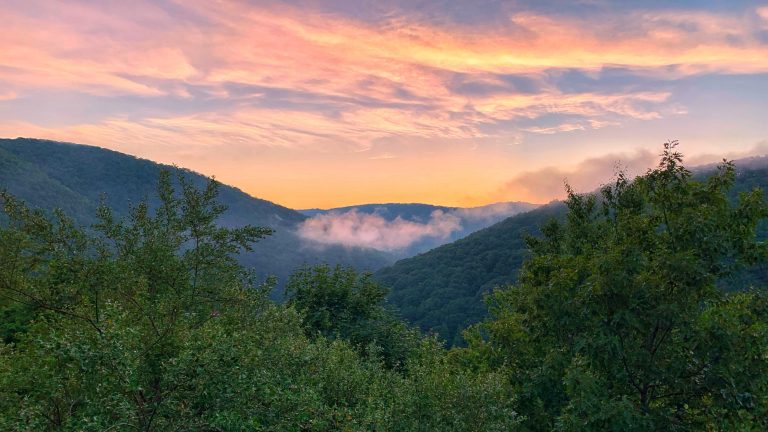
Just 10 miles from downtown Nashville, Percy Priest Lake feels like a world away from Broadway’s neon lights and honky-tonk noise.
Spread across more than 14,000 acres with 213 miles of winding shoreline, 38 scattered islands, and a string of sandy beaches backed by cedar forest, this reservoir is one of the most accessible and versatile lake destinations in the South.
Whether you’re planning a long weekend of fishing, a family camping trip, or a quick summer afternoon at the beach, knowing when to go makes the difference between a good trip and a great one.
The good news: Percy Priest Lake has something worth coming for in every season. Here’s how each one stacks up.
When Is the Best Time to Visit Percy Priest Lake?
October is the standout month. Daytime highs settle in the comfortable low-to-mid 60s°F, the fall foliage around the cedar bluffs and coves turns amber and gold, crowds thin out significantly after Labor Day, and Nashville’s city-wide events calendar is at its most active. It’s the rare window when you get ideal outdoor conditions, beautiful scenery, and a quieter lake all at once.
That said, your ideal timing really depends on what you’re coming for. Here’s a season-by-season breakdown to help you plan.
Percy Priest Lake by Season
Spring (March to May): The Fisherman’s Window
Spring is when Percy Priest Lake quietly comes alive. Temperatures climb from the mid-50s in early March to the comfortable 70s°F by May, rain showers keep the landscape lush and green, and the lake’s largemouth and smallmouth bass move into shallow water to spawn, making spring the most productive season on the water for anglers.
American Bass Anglers runs a competitive tournament series on Percy Priest throughout the year, with multiple stops at Fate Sanders Marina in Smyrna drawing serious competitors from across central Tennessee. If you’re a recreational angler, the weeks around the bass spawn (typically late March through April) are when you’ll find the most activity in the shallows near coves and points.
Beyond fishing, spring is a lovely time to hike the trails at Long Hunter State Park before summer heat arrives. The park’s more than 30 miles of hiking trails offer a range of terrain, including the 5.5-mile Volunteer Trail that follows the lakeshore. The trees are leafing out, migratory birds are moving through, and you’ll often have the trails almost entirely to yourself on weekday mornings.
Best for: Fishing, hiking, birdwatching, first-of-season kayaking
Watch out for: Spring rain can make unpaved access roads muddy; afternoon showers are common in April
Summer (June to August): Peak Season on the Water
Summer is peak Percy Priest. The beaches at Anderson Road Recreation Area and Cook Recreation Area open up, the boat ramps at Hamilton Creek and Fate Sanders Marina are busy from early morning, and the lake takes on the comfortable, buzzing energy of a well-loved summer destination close to a major city.
Water temperatures reach their warmest levels in July and August, making swimming ideal. The designated swimming areas at Percy Priest are off Anderson Road and Cook Recreation Area, with an entry fee of $5 per vehicle. Both beaches have sandy shores and roped-off zones that work well for families with younger children.
Percy Priest Marina offers boat rentals ranging from jet skis to pontoon boats, and the lake sees heavy watercraft traffic on summer weekends. If you want calmer conditions for swimming or paddling, early weekday mornings are significantly quieter than Saturday afternoons in July.
Summer is also when Nashville’s biggest events draw visitors to the area. The CMA Music Festival, a four-day event held in June, draws thousands of fans to the city, with daytime events on a riverfront stage and evening concerts at larger venues. Pairing a lake stay at Percy Priest with a night or two of Nashville entertainment is one of the best ways to structure a summer trip.
The honest trade-off: summer heat is real. Daytime highs regularly reach the upper 80s to low 90s°F with high humidity, and afternoon thunderstorms are a near-daily feature from June through August. Plan your on-water activities for morning hours and use the afternoons for shade, a cooler, and a slower pace.
Best for: Swimming, boating, jet skiing, beach days, families
Watch out for: Weekend crowds, afternoon thunderstorms, high heat and humidity in July and August
Fall (September to November): The Sweet Spot
If you can only visit Percy Priest once, fall is the season to choose. September brings a welcome drop in both temperature and crowd levels. By October, highs settle into the 60s°F, the hardwoods around the coves begin turning, and the lake’s surface is often glassy and still in the morning hours.
Nashville’s Oktoberfest is held every October as a one-day event, offering traditional German food and drink, polka dancing, and arts and crafts. It’s a short drive from the lake and a fun reason to extend your trip into the city for a day.
The Percy Priest Yacht Club’s weekly Wednesday evening sailing races run from April through September, so if you catch early September you can still watch or participate in the tail end of the racing season from the shore at Hamilton Creek Marina.
Fishing picks up again in the fall as water temperatures cool and bass feed actively before winter. Crappie fishing in particular is strong from October through November, with fish moving toward structure in 10 to 20 feet of water.
Best for: All-around visiting, fall foliage, fishing, hiking, photography
Watch out for: Some rental and marina services begin scaling back hours after Labor Day; call ahead to confirm availability
Winter (December to February): Quiet and Uncrowded
Winter at Percy Priest is genuinely peaceful. The campgrounds are largely empty, the beaches are closed, and the lake belongs almost entirely to the handful of anglers working the deeper structure for sauger and crappie. Daytime highs range from the low 40s to mid-50s°F, and while water-based recreation is limited, the lake has a quiet beauty in the off-season that’s genuinely worth experiencing if you’re in the Nashville area.
Birdwatching is a real draw in winter. Long Hunter State Park and the wildlife management areas surrounding the lake see migratory waterfowl throughout the season, and the stripped-back winter shoreline makes spotting easier than during the leafy summer months.
If you’re visiting Nashville in winter for a city trip, an afternoon drive out to Percy Priest for a lakeside walk or picnic is a low-effort, high-reward addition to your itinerary. The park roads and trailheads remain open year-round.
Best for: Crappie fishing, birdwatching, peaceful nature walks, budget visits
Watch out for: Most rental operators and marina services are closed or on reduced hours; water sports are not practical
Percy Priest Lake Events and Festivals
Percy Priest benefits from being minutes from a major city with one of the country’s most active live music and events scenes. Here are the highlights to plan around.
- CMA Music Festival (June): A four-day festival celebrating country music, with daytime performances on the riverfront and major evening concerts. Book accommodations at Percy Priest well in advance if you’re planning to attend.
- Tennessee Craft Fair (May): Held over a three-day weekend in Centennial Park, featuring around 180 of the state’s finest craftspeople and artisans. A great add-on to a spring lake trip.
- Fourth of July: Nashville’s Independence Day celebration includes waterfront festivals, food, live music, and an elaborate fireworks display. The lake itself sees heavy boat traffic on July 4th; arrive early to secure a good spot on the water or at the beach.
- PPYC Sailing Regattas (spring through fall): Percy Priest Yacht Club hosts a full calendar of sailing events, including the Spring Fling Regatta, the Exodus Regatta, and the Galen Freeman One Design Regatta, all held on the lake at Hamilton Creek Sailboat Marina. Even non-sailors can watch from the shore.
- Nashville Oktoberfest (October): The city’s beloved fall festival is a natural pairing with a fall foliage weekend at the lake.
- Bass Fishing Tournaments (year-round): The American Bass Anglers series runs multiple tournament stops at Percy Priest annually, primarily launching from Fate Sanders Marina. Dates vary each year; check the ABA website for the current season schedule.
Practical Tips for Planning Your Visit
Weekdays beat weekends. On summer weekends, the Anderson Road beach and popular boat ramps can reach capacity by mid-morning. A Tuesday or Wednesday visit in July gives you the same warm water and sunshine with dramatically fewer people.
Book Nashville-area lodging early for June. CMA Fest week drives accommodation prices up across the entire metro area. If your lake trip overlaps with late June, book at least two to three months ahead.
Check the lake level before you go. Percy Priest is managed by the Army Corps of Engineers, and water levels can fluctuate between seasons and after heavy rainfall. The Corps maintains current lake level data on their website, which is useful if you’re bringing a boat or kayak.
Pack for afternoon weather changes. From May through September, afternoon thunderstorms can develop quickly. Keep an eye on the sky after noon, have a plan to get off the water if you hear thunder, and bring rain gear if you’re camping.
Bring your own shade. The Anderson Road and Cook Recreation Area beaches have limited natural shade. A beach umbrella or pop-up tent makes a full day at the beach significantly more comfortable, especially for families with young children in July and August.
Ready to Plan Your Trip to Percy Priest Lake?
Whether you come for a weekend fishing trip in spring, a full week of boating and beach days in summer, or a peaceful fall weekend with Nashville day trips built in, Percy Priest Lake rewards every kind of visitor.
Find your perfect base camp just minutes from one of the country’s great music cities.