
Information not accurate?
Help us improve by making a suggestion.
San Diego Bay’s biggest July Fourth show spans four barges
Watch California’s largest bayfront July 4 fireworks show as Big Bay Boom lights San Diego Bay from four barges across iconic waterfront viewpoints.
Event details
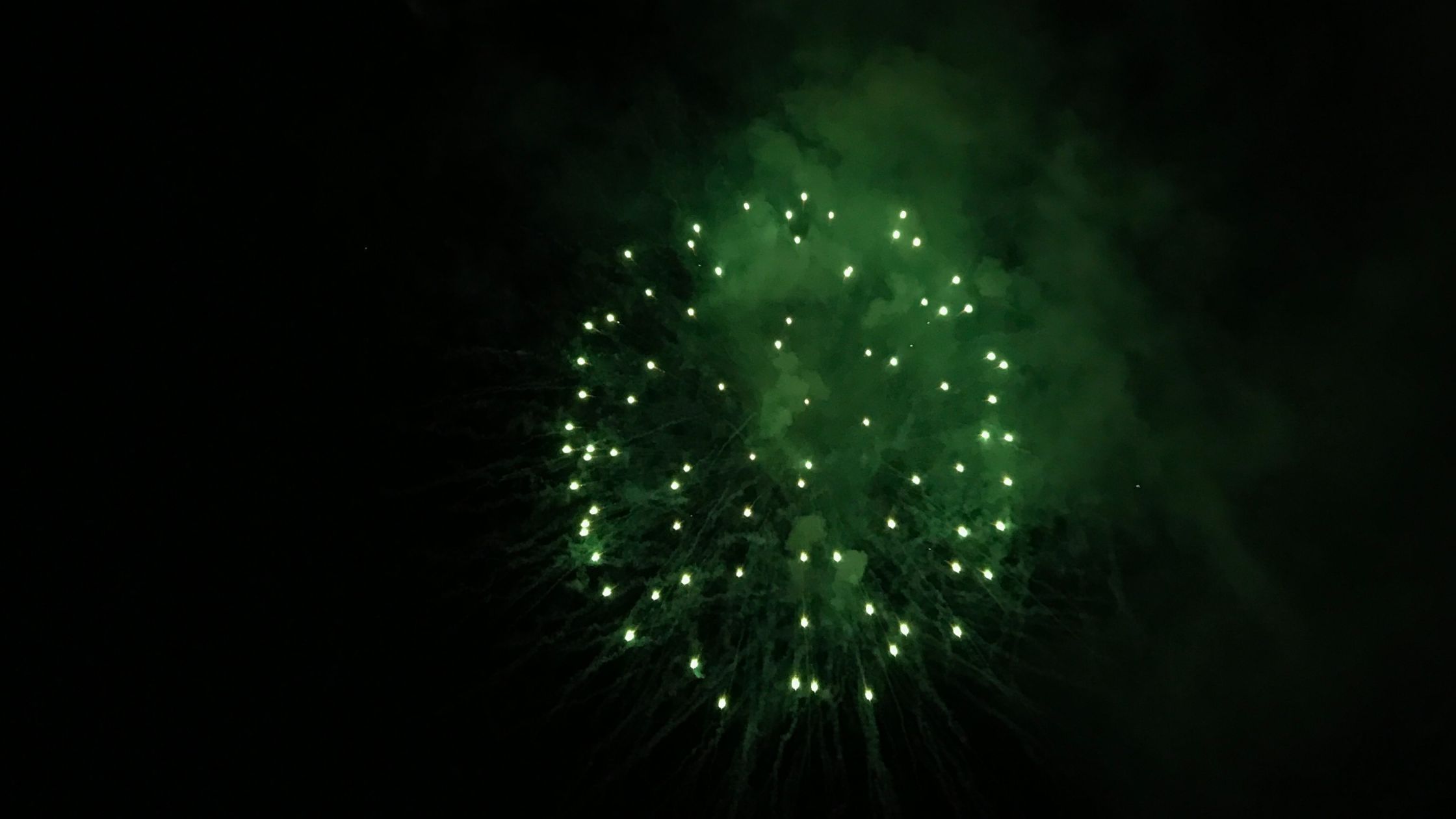
The Port of San Diego’s Big Bay Boom is California’s most logistically ambitious Fourth of July fireworks production, and after more than two decades on San Diego Bay it has earned its reputation as the West Coast’s signature waterfront holiday spectacle. Four barges positioned simultaneously off Shelter Island, Harbor Island, Embarcadero North, and the Coronado Ferry Landing fire in choreographed sync at 9:15 p.m. on July 4th, producing an 18-minute show visible from most points along the northern and central bay. The musical score simulcasts live on 91X FM, and the full event airs on Fox 5 San Diego, KTLA 5 Los Angeles, and Fox 40 Sacramento from 8:00 to 9:30 p.m. for those watching from the water or from elevated positions around the city. Attendance routinely reaches 500,000 people, generating an economic impact the Port estimates at $100 million from non-local visitors. Admission is free.
Where to Watch and How to Position
The most popular ground-level viewing positions are Shelter Island and Shoreline Park, Harbor Island Park and Spanish Landing Park just across the water from it, the Embarcadero Marina Parks North and South near the USS Midway Museum, Seaport Village, and Coronado Ferry Landing on the island side of the bay. Each of these areas faces at least one of the four barges directly, which means almost any position along the central bay gives you a strong vantage. For a quieter alternative with good sightlines and less post-show traffic, Liberty Station at the former Naval Training Center in Point Loma is a consistently recommended local option. Boaters are welcome on the water throughout the show but must maintain a 1,000-foot safety zone around all four barges, clearly marked by volunteer patrol vessels with flashing amber lights. Children under 13 are required by California law to wear a lifejacket on any vessel.
Getting There and Managing the Crowds
Parking along the bay fills several hours before the show, and Harbor Drive construction may cause additional delays in 2026. The San Diego Metropolitan Transit System runs expanded trolley and bus service throughout the day, with free parking at park-and-ride lots across the network. On the holiday, one fare-paying passenger may bring a companion who rides free on all MTS routes. Arriving by 6:00 p.m. and committing to transit or rideshare gives you the most predictable evening. The bay area waterfront restaurants and hotels are at peak capacity on July 4th, so dinner reservations should be made weeks in advance.
Dining on the Waterfront
The Embarcadero and Seaport Village corridors offer a concentrated stretch of waterfront dining within the prime viewing zone. Sally’s Fish House and Bar at the Manchester Grand Hyatt has held a strong reputation for fresh local seafood and bay views for over two decades. Coasterra on Harbor Island, serving contemporary Mexican cuisine with a full waterfront terrace overlooking the bay, is one of the most scenic dinner options on the water and worth reserving well ahead of the holiday. For a more casual pre-show meal, the Fish Market on Harbor Island Drive has been a San Diego seafood institution since 1977.
Where to Stay
San Diego Bay is the defining water feature of the celebration, and properties along the bay corridor on Shelter Island, Harbor Island, and the Embarcadero put you within walking distance of the best viewing positions and the most reliable post-show transit access. Book your stay near San Diego Bay on Lake.com and plan to be on the waterfront well before the barges light up the sky.
Information not accurate?
Help us improve by making a suggestion.