
Information not accurate?
Help us improve by making a suggestion.
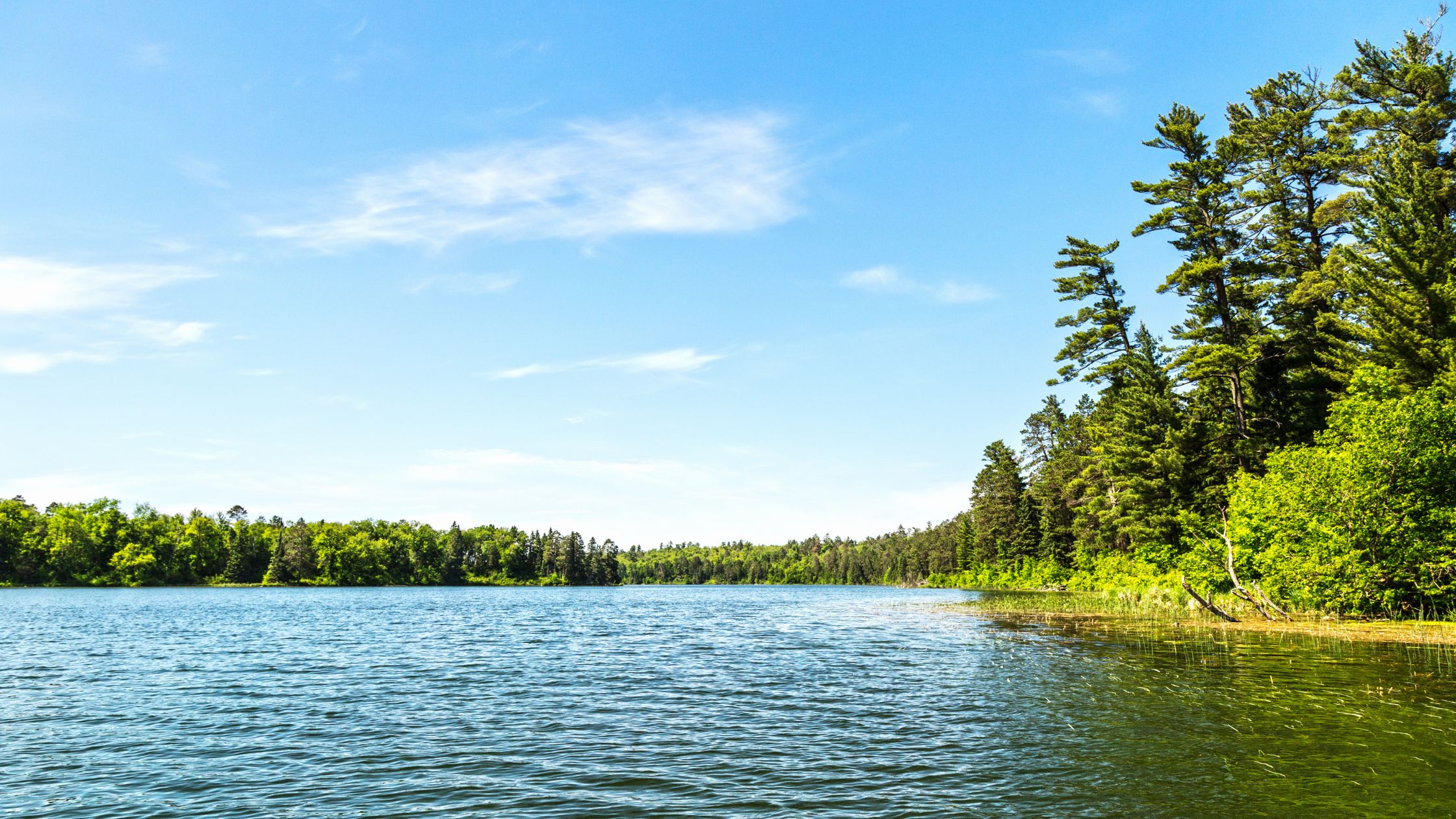
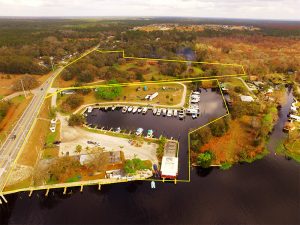
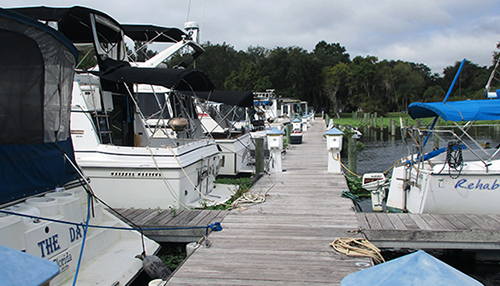
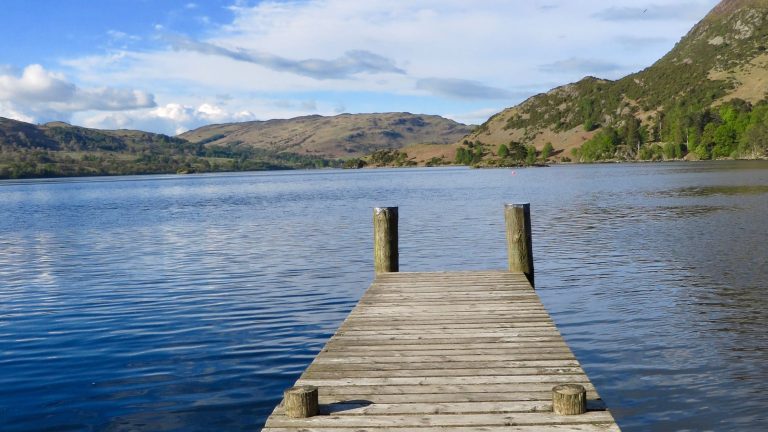
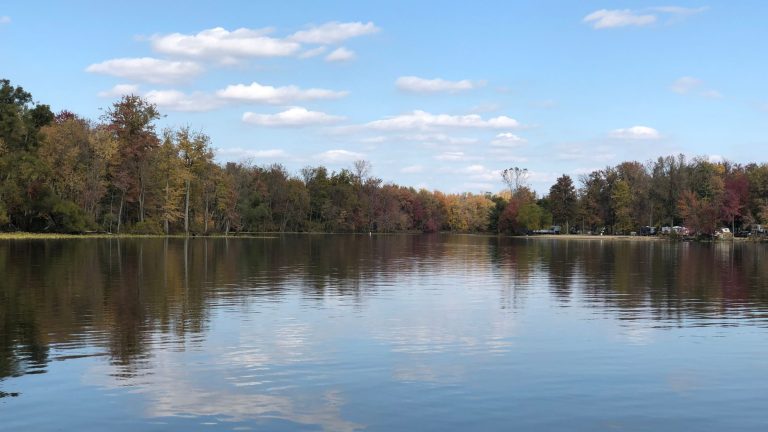
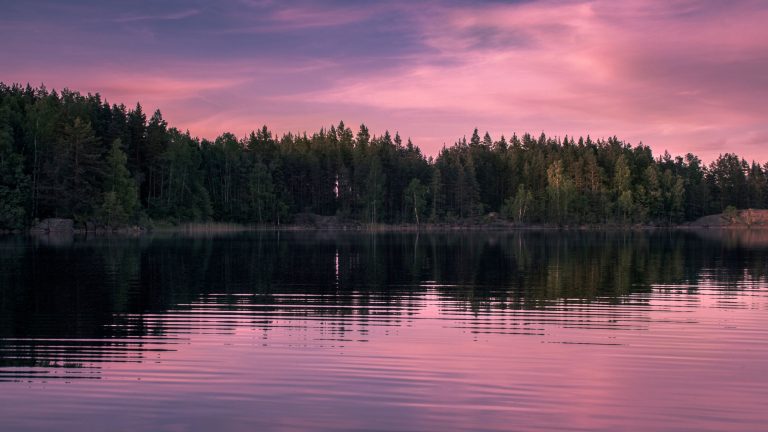
The second-largest lake in Florida, Lake George spans over 46,000 acres along the St. Johns River and lies between Palatka and DeLand. Known for its brackish water, it supports both freshwater and salt-tolerant species like striped bass, catfish, blue crabs, and even stingrays. The lake is surrounded by national forest, military land, and conservation areas, giving it a wild, expansive feel. The Lake George Conservation Area offers boat ramps and wilderness trails, while locals enjoy shrimping and scenic river cruises along the cypress-lined shoreline. It’s one of the few Florida lakes where manatees, eagles, and navy training aircraft all share space.
- Surface area (mi)
- 73.63
- Max depth (ft)
- 14.76
- Shoreline length (mi)
- 67.54
Ideal for
- Family friendly:
- Pet friendly:
- Romantic getaways:
Popular activities
- Boating
- Kayaking
- Canoeing
- Fishing
Information not accurate?
Help us improve by making a suggestion.
Where to stay

Frequently Asked Questions
Ready to dive into what Lake George in Florida has to offer? Let’s tackle some of the burning questions you might have as you plan your visit!
-
No, it is not safe to swim in Lake George in Florida right now. The Florida Department of Health in Volusia County has issued a health caution due to the presence of blue-green algae, which can produce toxins. People are advised to avoid contact with the water until further testing is completed.
Always check with the local health authority before going to the beach or visiting a lake.
Visit Volusia County’s website and also download an app to track your favorite beaches and whether or not the water is safe enough to swim in.
Check out their Beach Navigator app here:
https://www.volusia.org/services/public-protection/beach-safety/
-
Lake George in Florida is a popular destination because it offers many recreational activities. It is surrounded by conservation lands, including the Lake George Conservation Area and Ocala National Forest, which are open for fishing, hunting, horseback riding, hiking, and camping. The lake is also part of the St. Johns River, providing extensive shoreline for boating and other water activities.
-
The best locations for catching largemouth bass in Lake George, Florida, are around deeper structures like jetties, old pilings, and docks. Bass also hold near submerged objects and the remnants of the old bombing range. Areas with eelgrass, such as Nine-mile Point, and spots like Willow Cove and the mouth of Silver Glen Springs Run are also effective.
-
There is no traditional public beach directly on Lake George’s shoreline. That said, there are public access points with boat launches.
For beach-style swimming, most visitors go to Silver Glen Springs or Salt Springs, which are connected to Lake George and managed by the U.S. Forest Service.
-
Towns near Lake George in Florida include Astor, Pierson, and Seville. These towns are located in the vicinity of the lake, which is the second largest in Florida and part of the St. Johns River system. They are situated in Volusia and Putnam counties.