Alaska's Most Famous Wilderness in the Shadow of Dick Proenneke's Shore
Why Rent On West Twin Lake
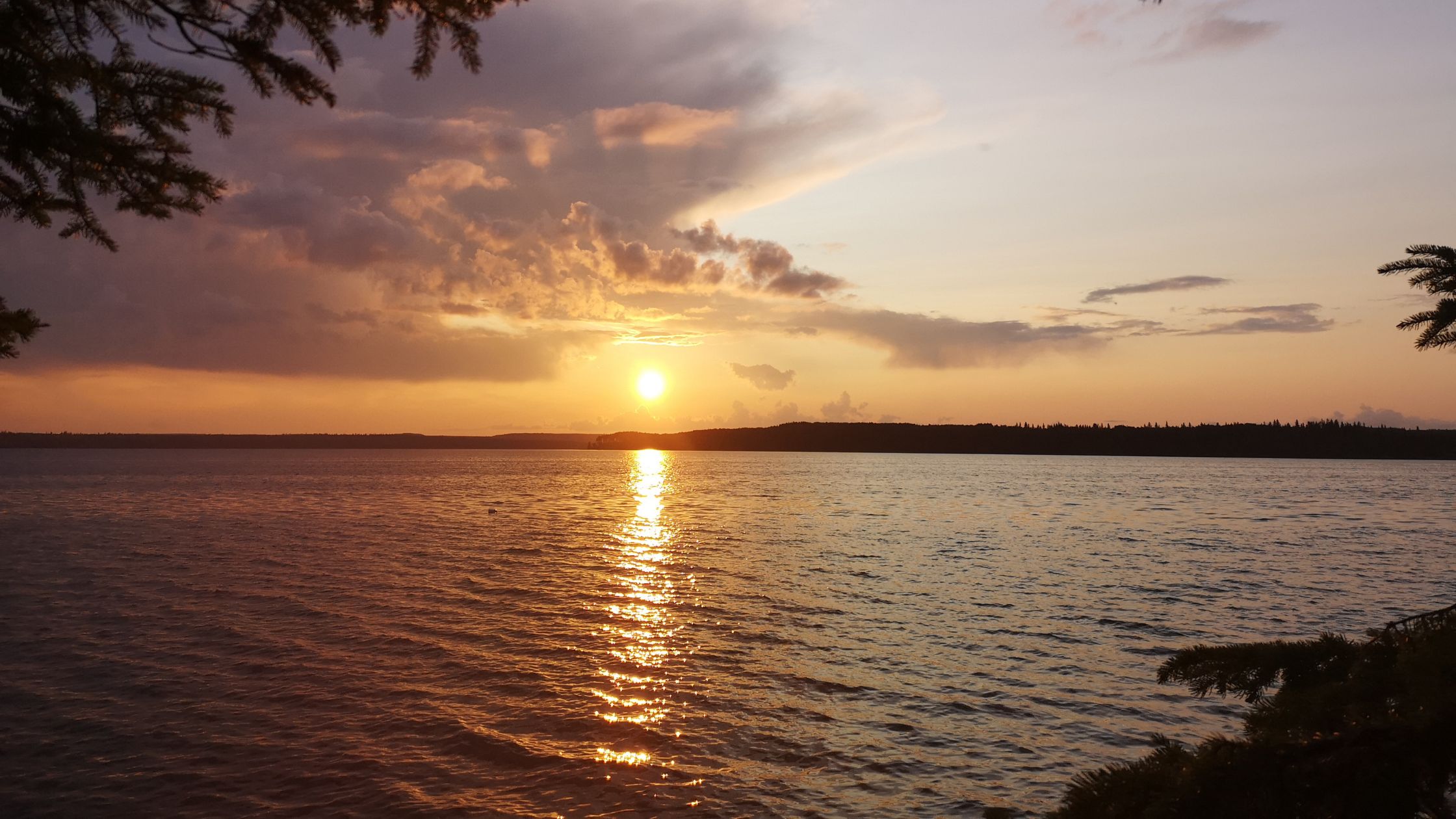
West Twin Lake lies within Lake Clark National Park on the Alaska Peninsula, accessible only by floatplane from Anchorage or the surrounding bush airstrips. Surrounded by pristine wilderness of a kind that most of the world can only read about, the lake sits in a landscape of glacial valleys, volcanic peaks, and spruce forest that has changed very little since Richard Proenneke built his hand-hewn cabin on nearby Upper Twin Lake in the late 1960s and documented his solitary life in terms that became one of the great records of American wilderness living.
A Wilderness Cabin Stay Unlike Any Other in the United States
Staying in a wilderness cabin near West Twin Lake is categorically different from any other vacation rental experience. There are no roads, no convenience stores, and no hotel alternatives. What there is: floatplane access, the kind of silence that takes a day to adjust to, hunting and fishing in some of the most productive wilderness habitat in North America, and the particular freedom that comes from knowing that the nearest grocery store is a flight away. Cabins and remote lodges in the Lake Clark area provide the essential comforts within that extraordinary context.
Hunting, Kayaking, and the Proenneke Legacy
West Twin Lake draws hunters, kayakers, and serious wilderness travelers who come specifically for the combination of solitude and wildness that the lake and its surroundings provide. The Proenneke cabin on nearby Upper Twin Lake is maintained by the National Park Service and is accessible for visitors, giving a trip to the Twin Lakes area both a wilderness adventure and a connection to one of the most compelling stories of human self-reliance in modern American history. Solo Into the Wild, paddling across the glass-calm lake in early morning, is an experience that stays in the mind for years.
Lake Clark National Park: One of Alaska’s Least Visited Wonders
Lake Clark National Park sees fewer visitors annually than almost any other national park in the United States, which means its lakes, trails, and wildlife are experienced in conditions of exceptional quietness. Brown bears, moose, wolves, and bald eagles share the park’s landscape with the handful of visitors who make it this far, and the fishing for sockeye salmon and rainbow trout in the park’s rivers is world-class by any standard. Families with older children and a genuine taste for remote outdoor experience will find Lake Clark among the most formative destinations in the country.
Getting There Is Part of the Story
Flying into the Lake Clark area on a small floatplane, watching the mountains and lakes arrange themselves below the wings, is an arrival experience that most lake destinations cannot offer. Anchorage is the departure point for most visitors, and the floatplane services operating from Merrill Field and Lake Hood provide the connection to the wilderness that no road can replicate. For families willing to trade convenience for something genuinely extraordinary, West Twin Lake and its surrounding park country represent Alaska at its most honest.
- Max depth (ft)
- 174.02
- Elevation (ft)
- 748.03
- Shoreline length (mi)
- 6.62
Popular activities
- Kayaking
- Canoeing
- Fishing
- Boating

Planning a trip?
Tell us about your upcoming trip and how we can help!
Frequently Asked Questions
Ready to dive into what West Twin Lake has to offer? Let’s tackle some of the burning questions you might have as you plan your visit!
-
Yes, it is safe to swim in West Twin Lake. The water quality of West Twin Lake is better than expected and meets applicable standards, with total phosphorus concentrations and other water quality metrics below predicted background levels and in compliance with regulatory standards.
-
West Twin Lake is a popular destination in Alaska because it is part of the Twin Lakes area within Lake Clark National Park. This area is known for its remote wilderness and the historic Richard Proenneke Cabin, attracting backpackers and campers. The lake also offers opportunities for fishing, with stocked lake trout.
-
The daily catch limits for fishing in West Twin Lake, Alaska, are specified by the Alaska Department of Fish and Game. For example, in Southcentral Alaska, the daily limit for many species is 10 fish per day, with 10 in possession, though specific limits can vary by species and location. Always check the latest regulations for the specific lake and species you are targeting.
-
There are no beaches on West Twin Lake with camping options. The shorelines fronting the campground on West Twin Lake are marshy, and while some campsites are close to the water, they do not have direct lake access. The campground has boat landings for those staying there.
-
There are no towns directly near West Twin Lake, Alaska. West Twin Lake is located in remote areas, either near Nenana or Utqiagvik, but it is not close to any populated towns. The lake is accessible only by air taxi via a float or wheel plane due to its remote location.