
Discover breathtaking landscapes and endless adventures in New York's majestic wilderness.



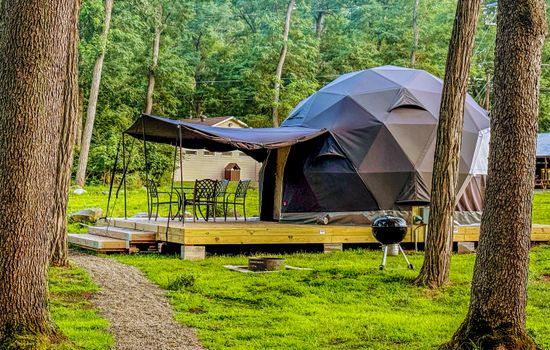
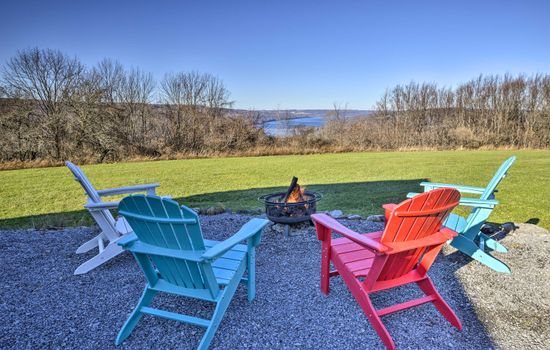


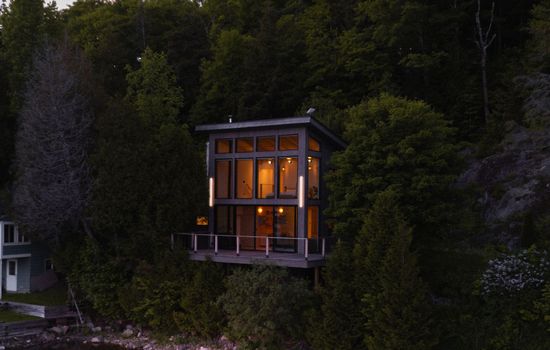
Discover breathtaking landscapes and endless adventures in New York's majestic wilderness.
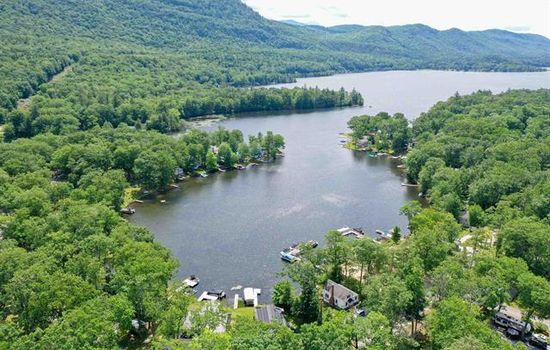
Adirondack Park in New York stands as a testament to nature’s grandeur, inviting discerning travelers to experience its breathtaking landscapes. Spanning over six million acres, this vast expanse boasts towering peaks, crystal-clear lakes, and dense forests that captivate the senses. The park’s diverse ecosystems provide a rich backdrop for outdoor enthusiasts, whether they seek the thrill of hiking rugged trails or the serenity of canoeing on tranquil waters.
Visitors can immerse themselves in the park’s vibrant culture, where charming towns like Lake Placid and Saranac Lake offer a blend of rustic charm and modern luxury. Fine dining establishments serve exquisite farm-to-table cuisine, while local artisans showcase their craft in quaint galleries. Seasonal festivals celebrate the region’s heritage, creating a tapestry of experiences that resonate with every traveler.
As the sun sets behind the majestic mountains, Adirondack Park transforms into a haven of tranquility. Stargazers revel in the unspoiled night sky, while cozy lodges invite guests to unwind by crackling fires. Here, every moment becomes a cherished memory, making Adirondack Park an essential destination for those seeking the ultimate escape.
Seasons
Top 3 Facts about Adirondack Park
One fascinating aspect of this region is the annual migration of the elusive American woodcock, known for its aerial display during courtship, alongside rare sightings of the endangered Eastern massasauga rattlesnake, which thrives in the park’s unique wetland ecosystems, highlighting the area’s rich biodiversity.
In this region, a unique phenomenon occurs where microclimates can create drastic temperature variations within just a few hundred feet, resulting in diverse ecosystems; for instance, temperatures can drop significantly in shaded valleys while nearby peaks bask in sunlight, showcasing the area’s remarkable climatic diversity.
Travel Tips
Plan Ahead
When venturing into this stunning wilderness, meticulous planning is key. Research trails, weather conditions, and available accommodations in advance to maximize your experience. Consider visiting during the shoulder seasons for fewer crowds and breathtaking foliage. Always pack essential gear, including maps and a first aid kit, to ensure a safe and enjoyable adventure amid the breathtaking landscapes.
Pack Appropriately
When packing for your trip, include a lightweight, waterproof jacket and sturdy hiking boots to navigate the diverse terrain. The weather can shift rapidly in the mountains, so layering is essential; consider moisture-wicking fabrics to stay comfortable during hikes. Don’t forget a reusable water bottle to stay hydrated while exploring the stunning lakes and trails.
Respect Wildlife
When exploring the stunning landscapes, prioritize wildlife respect by maintaining a safe distance from animals and refraining from feeding them. Use binoculars for a closer view and stick to marked trails to minimize your impact on their habitats. Remember, observing animals in their natural environment is a privilege that requires responsibility and care.
Stay Informed
Accessibility & permits
Emergency

Planning a trip?
Tell us about your upcoming trip and how we can help!


Frequently Asked Questions
Ready to dive into what Adirondack Park has to offer? Let’s tackle some of the burning questions you might have as you plan your visit!
-
The best hiking trails in Adirondack Park include the High Peaks region, featuring trails like Cascade Mountain and Mount Marcy, which offer stunning views and varying difficulty levels. The John Muir Trail is also popular for its scenic beauty and diverse ecosystems. For a family-friendly option, try the Lake Agnes Trail, which is relatively easy and leads to a beautiful lake.
-
To obtain a camping permit in Adirondack Park, visit the New York State Department of Environmental Conservation (DEC) website. Permits are required for backcountry camping and can be obtained online or at local DEC offices. Make sure to check for any specific rules or regulations for the area where you plan to camp.
-
The Leave No Trace principles for Adirondack Park include planning ahead and preparing, traveling and camping on durable surfaces, disposing of waste properly, leaving what you find, minimizing campfire impact, respecting wildlife, and being considerate of other visitors. Following these principles helps preserve the park’s natural beauty.