


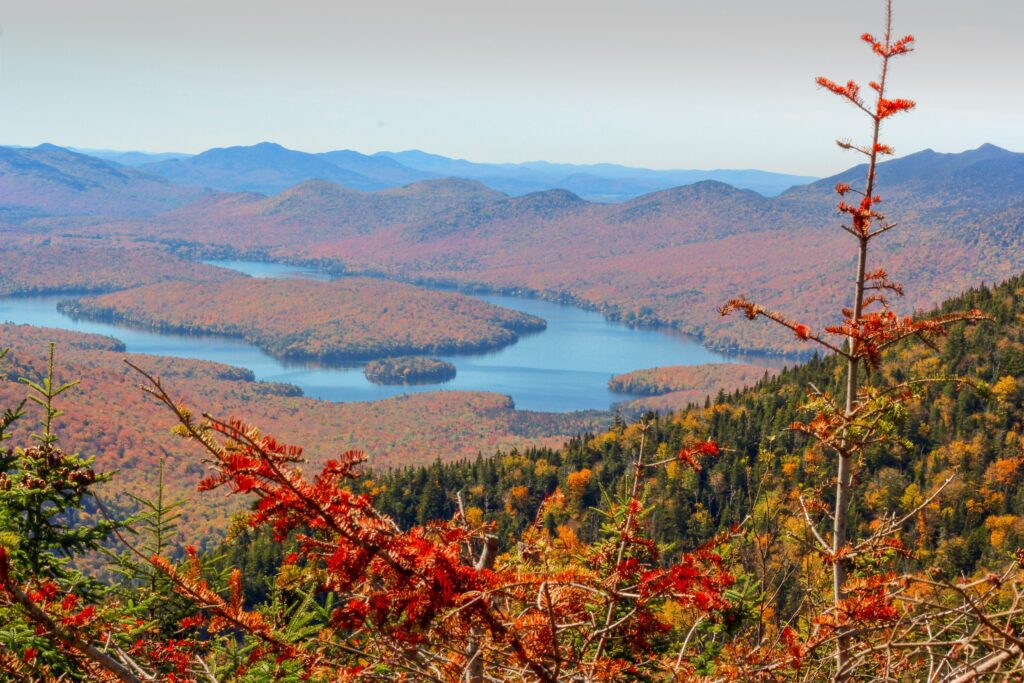


Six Million Acres, Three Thousand Lakes, and the Adirondack High Peaks
Six Million Acres, Three Thousand Lakes, and the Adirondack High Peaks
Roughly the size of Vermont and larger than Yellowstone, Everglades, Glacier, and Grand Canyon combined, Adirondack State Park in northeastern New York is the largest publicly protected area in the contiguous United States. Established in 1892 and protected since 1894 under the “Forever Wild” clause of the New York State Constitution, it is one of a very small number of landscapes on Earth constitutionally protected by a state government. The park’s 6.1 million acres contain more than 3,000 lakes and ponds, 30,000 miles of rivers and streams, and 105 towns and villages whose roughly 130,000 permanent residents live and work within the protected boundary. It never closes, there is no gate, and there is no entrance fee.
The Adirondacks offer an almost inexhaustible range of outdoor experiences across a park so large that a lifetime of visits will not exhaust its possibilities. The 46 High Peaks, a collection of summits at or above 4,000 feet anchored by 5,344-foot Mount Marcy, draw hikers from across the country on a celebrated peakbagging challenge that takes most enthusiasts years to complete. Lake Placid, the two-time Winter Olympic host city at the park’s northern edge, provides a rare combination of championship athletics facilities, exceptional alpine and nordic skiing, boutique shopping, and some of the most beautiful lakeshore anywhere in the Northeast. The Saint Regis Canoe Area, the only designated canoe area in the park, offers a multi-day paddling circuit through a chain of 58 lakes and ponds with no motorized boats permitted, an experience of genuine wilderness within a few hours of New York City, Boston, and Montreal. Lake George at the southern gateway is a summer resort destination in its own right, with boat tours, beaches, and a lakefront lined with restaurants and shops.
The sheer scale of the Adirondacks makes it ideal for every Lake.com traveler type. Families with children find a full summer season of beach swimming, boat rentals, kayaking and paddleboarding, and kid-friendly hiking in communities like Saranac Lake, Old Forge, and Bolton Landing. Multi-generational groups often rent large vacation homes on one of the park’s thousands of lakes, using a well-appointed waterfront property as the base for days of activity in every direction. Pet-first travelers will find the Adirondacks among the most dog-welcoming landscapes in the East, with most trails, many beaches, and countless paddling routes open to leashed pets; always check specific area regulations at dec.ny.gov before visiting.
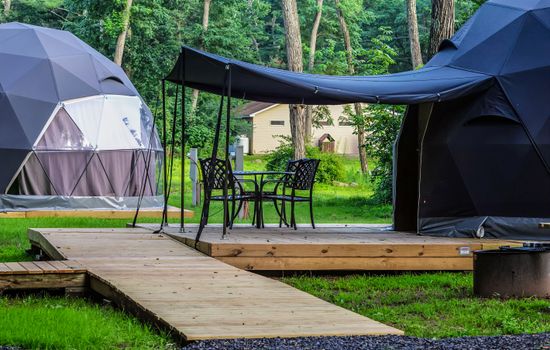
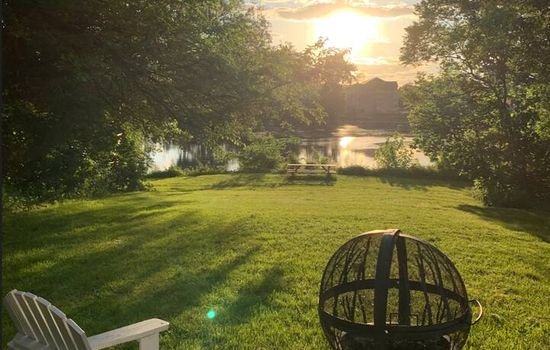
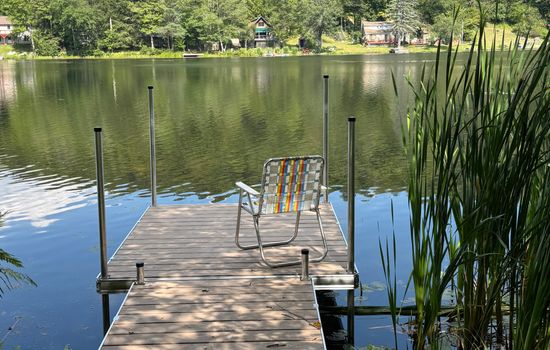
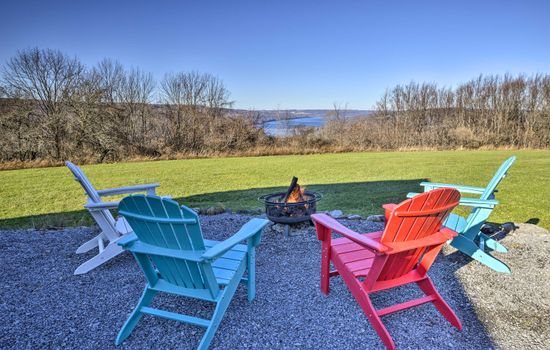
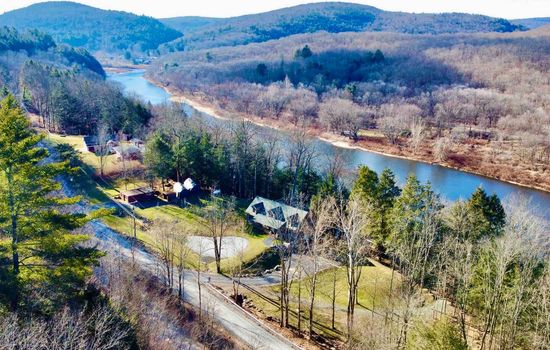
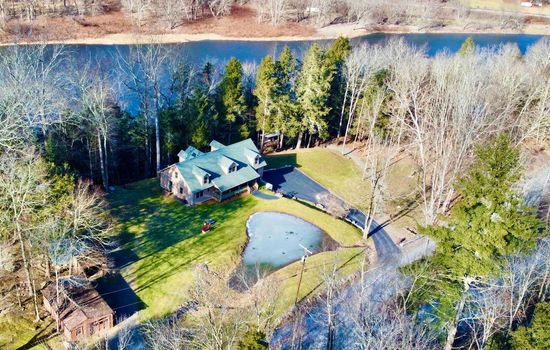
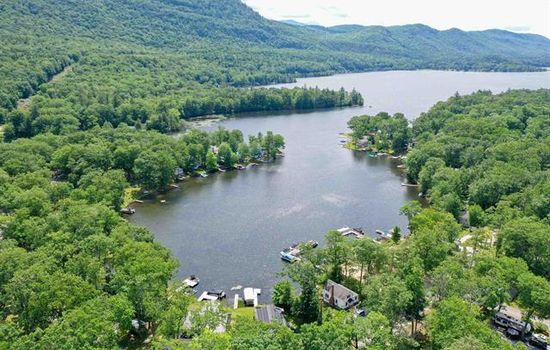
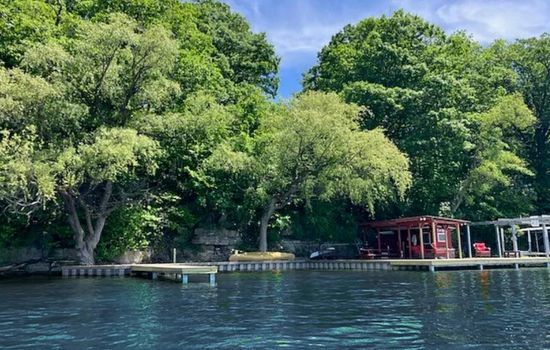
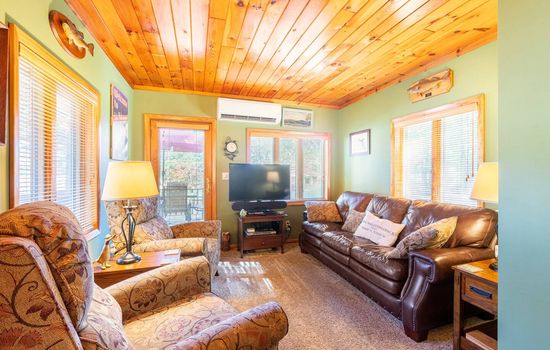
The vacation rental landscape within and surrounding the Adirondack Park is among the richest in the northeastern United States. Lakefront vacation homes and lakehouses on waters like Lake George, Lake Champlain, Schroon Lake, and Seventh Lake range from cozy two-bedroom cottages to luxury properties that sleep 20 guests comfortably, with docks, kayaks and paddleboards, fire pits, and BBQ grills. Some of the most sought-after properties offer waterfront access with dock or boat slip amenities and views over mountains reflected in still water. Hot tubs are a common feature of the larger mountain-adjacent properties. Book your accommodations near Adirondack State Park through Lake.com.
Seasons
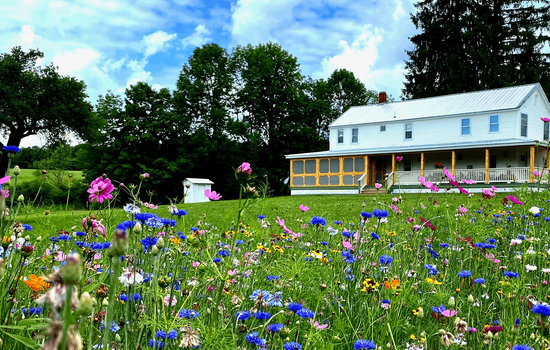
Spring brings blooming forests and wildlife. Trails can be muddy, but the tranquility and emerging greenery make it worth it.
Lakes thaw and forests bloom; temps 50°F–80°F. Prime time for hiking, paddling, and fishing. Book early—summer is popular!
September–October: Cool temps and vibrant foliage make for top-tier hiking and fewer crowds. Ideal for photography.
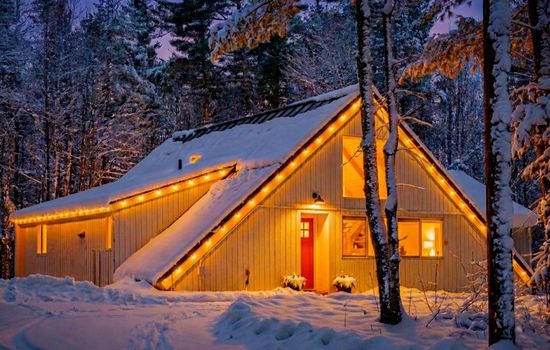
Snow blankets the region. Winter sports abound—skiing, snowmobiling, bobsledding. Temps range 0°F–30°F.
Top 3 Facts about Adirondack State Park
Adirondack State Park covers 6.1 million acres of northeastern New York, making it the largest publicly protected area in the contiguous United States, larger than Yellowstone, Everglades, Glacier, and Grand Canyon national parks combined. Established in 1892 and constitutionally protected under New York State’s Forever Wild clause since 1894, the park contains approximately 3,000 lakes and ponds, 30,000 miles of rivers and streams, 2,000 miles of hiking trails, and 105 towns and villages within its boundary.
The Adirondacks contain the 46 High Peaks, a set of summits historically mapped at or above 4,000 feet that includes Mount Marcy, the highest point in New York State at 5,344 feet. The park hosted the Winter Olympic Games twice at Lake Placid, in 1932 and 1980, and Lake Placid’s Olympic venues continue to serve as training and competition facilities. The Saint Regis Canoe Area, the only designated canoe area in the park, provides a 58-lake paddling circuit without motorized boats, entirely within hours of the northeastern megalopolis.
Unlike most national or state parks, Adirondack State Park encompasses a mix of publicly owned state land protected as Forever Wild and approximately 3.4 million acres of privately owned land including farms, timber holdings, and over 130,000 permanent residents. The park never closes, has no entrance gates, and charges no admission fee. Between 7 and 12 million visitors travel to the Adirondacks each year, with peak visitation during summer and fall foliage season. The park’s diverse vacation rental inventory is among the largest in the northeastern United States.
Travel Tips
Plan Ahead
The Adirondacks have no central entry fee or reservation system; access to most public lands is free and open year-round. However, specific trailheads require parking permits during peak periods, and High Peaks Interior campsites require advance reservations through reserve.recreation.gov. Check trailhead-specific requirements on the DEC website at dec.ny.gov before setting out. Lake George and other popular lake communities book out many months in advance for July and August; reserve accommodations as early as possible for summer. Some sensitive areas require registration at trail registers; follow posted requirements.
Pack Appropriately
Layer for highly variable Adirondack weather; mountain conditions can shift from warm to cold and rainy within hours at any season. Bring insect repellent for blackflies from mid-May through June and mosquitoes through midsummer near water. Waterproof hiking boots are essential on most trail surfaces. Carry a map and compass or downloaded offline navigation for the High Peaks and backcountry areas where cell service is absent. Bear canisters are required for overnight camping in the High Peaks Wilderness. In winter, carry traction devices and snowshoes for any mountain terrain.
Respect Wildlife
The Adirondacks are home to black bears, moose, white-tailed deer, coyotes, and numerous species of fish and birds. Never feed or approach any wildlife. Black bears are active throughout the park; use bear-resistant canisters or hang food properly at all backcountry campsites. Moose are present particularly in wetland areas; give them wide space as they are large, unpredictable, and dangerous when approached. In spring, observe loons from a distance and do not kayak near nesting sites, as they are highly sensitive to human disturbance during nesting. Keep leashed dogs under control at all times.
Stay Informed
Check dec.ny.gov for current trail conditions, camping permit requirements, and seasonal closures before visiting backcountry areas. The DEC posts trail condition updates for the High Peaks throughout the year. Some trails are closed in spring to prevent erosion during mud season, typically April through the first two weeks of May. For park emergencies, call 9-1-1. For non-emergency trail or camping information, contact the DEC regional office or visit adirondacksusa.com for regional visitor resources.
- Area (mi²)
- 9375
- Annual visitors
- 12 400 000
- Established year
- 1892
Accessibility & permits
Emergency

Planning a trip?
Tell us about your upcoming trip and how we can help!
Frequently Asked Questions
Ready to dive into what Adirondack State Park has to offer? Let’s tackle some of the burning questions you might have as you plan your visit!
-
The closest city to Adirondack Park is Glens Falls, New York, which is about 30 miles away. Other nearby cities include Saratoga Springs, New York, and Burlington, Vermont, but Glens Falls is the nearest major city.
-
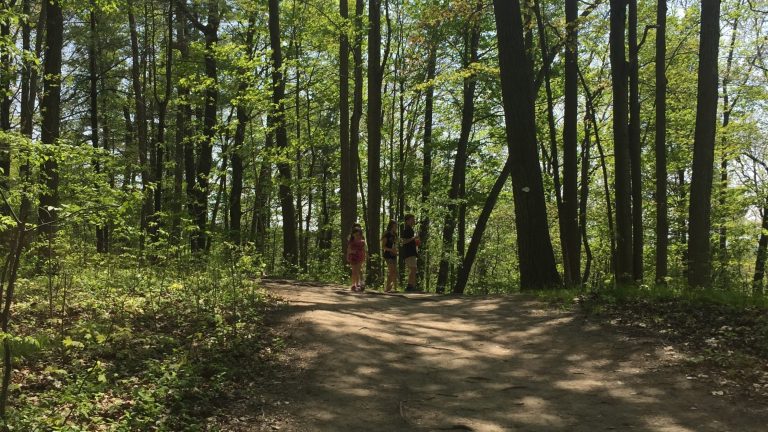
Bald (Rondaxe) Mountain in Old Forge, NY, is a highly family-friendly hike with a 2.6-mile round trip that is manageable for all generations and offers wonderful views. The trail, established by the DEC, is easy to follow with blue markers, making it fun for kids to help lead the way.
-
Dogs must be on a leash in the Eastern High Peaks Wilderness and above 4000 feet in the rest of the High Peaks. Leashes are required to protect wildlife, other hikers, and the dogs themselves. Violations can result in tickets from DEC forest rangers.
-
Parking is available but requires a free reservation in advance, especially for popular trailheads. Reservations are necessary for all users, including those walking or biking. The parking lots have specific hours and can accommodate vehicles, but there is no mention of specific sizes for RVs, campers, or motorhomes.
-
To make the most of your 24 hours, consider visiting Point Au Roche State Park for its 12 miles of scenic hiking paths, open meadows with wildlife, and paved bike paths. You can also bring your boat and enjoy the lake. For a more challenging hike, head to Lyon Mountain, one of the highest peaks in New York State. Alternatively, take a scenic drive up Whiteface Veteran’s Memorial Highway for panoramic views, or enjoy a leisurely hike at High Falls Gorge to see stunning waterfalls and unique suspension bridges.