

300 Glaciers, Turquoise Lakes, and Washington's Wildest Peaks



















300 Glaciers, Turquoise Lakes, and Washington's Wildest Peaks
The North Cascades are frequently called the American Alps, and the comparison earns its weight. These mountains in northwestern Washington are among the most rugged and heavily glaciated in the contiguous United States, and the national park protecting their core is among the least visited of any in the country. Established in 1968 by President Lyndon B. Johnson, North Cascades National Park and the adjacent Ross Lake and Lake Chelan National Recreation Areas form a 684,000-acre complex of wilderness that sits two hours from Seattle yet feels genuinely remote.
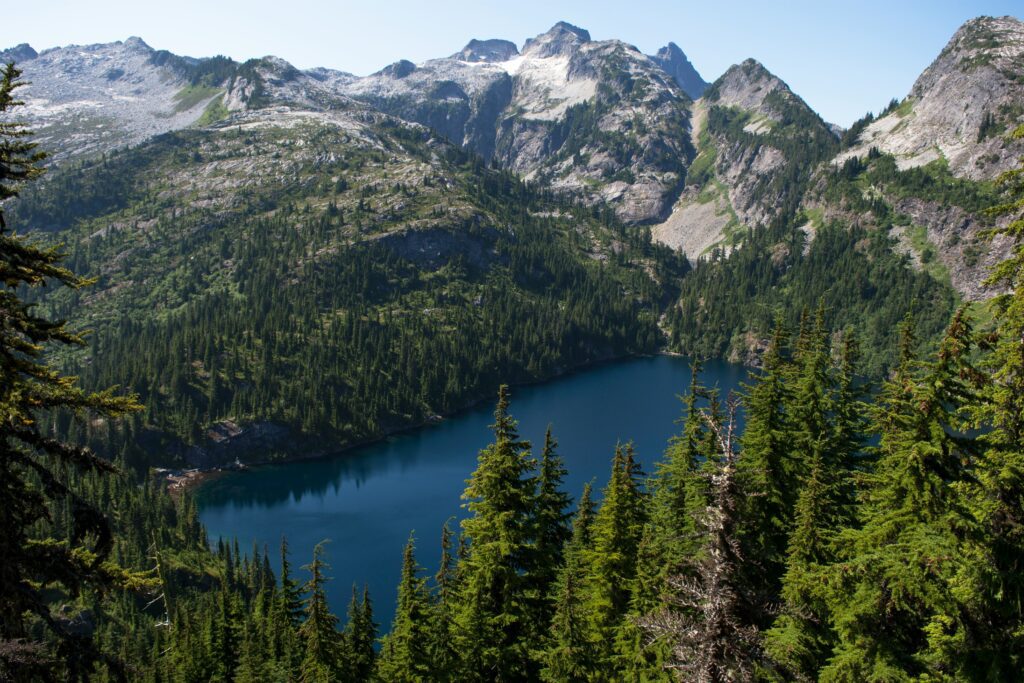
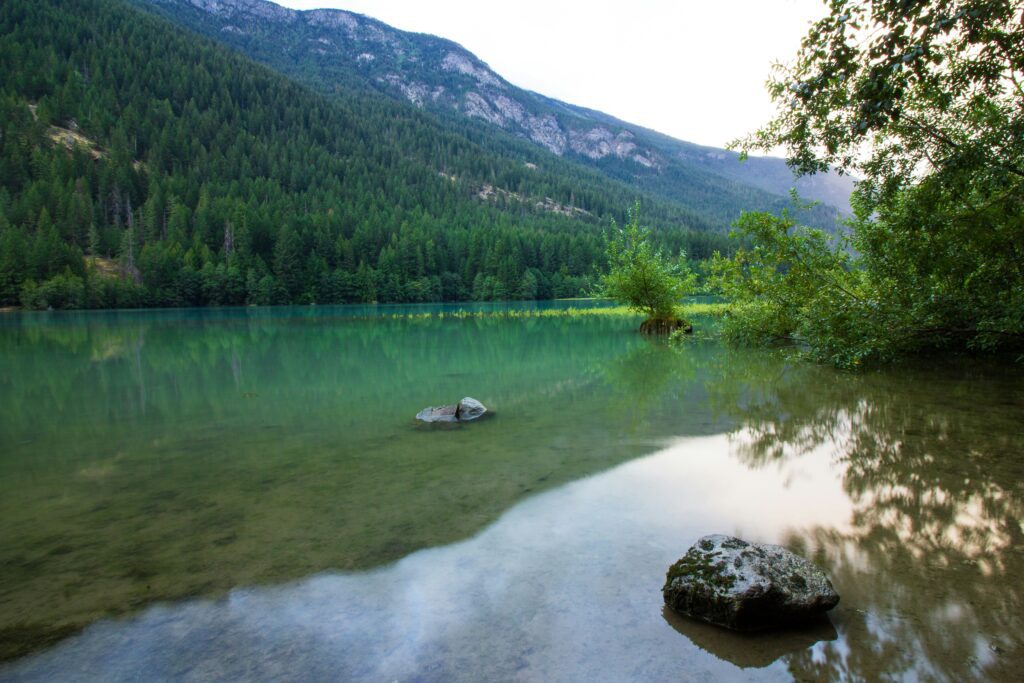
The park contains more than 300 glaciers, more than any national park in the lower 48 states. They feed the brilliant glacial lakes that define the visual character of the region. Diablo Lake, accessible from State Route 20 within the Ross Lake National Recreation Area, is one of the most photographed and immediately rewarding roadside stops in the Pacific Northwest: a reservoir of impossibly saturated turquoise created by glacial rock flour suspended in the water. The Thunder Knob trail, a 3.1-mile round trip from the Colonial Creek Campground, climbs to views of Diablo Lake from above and suits families with older children.
State Route 20, the North Cascades Highway, is the only paved road through the complex and the primary access point for most visitors. It crosses two mountain passes and runs through the corridor between the two units of the national park, making the 140-mile drive from the Puget Sound foothills to the Methow Valley one of the most scenic highway routes in the Northwest. The highway is typically closed between Ross Dam Trailhead and Lone Fir Campground from November through April due to avalanche and snow conditions.
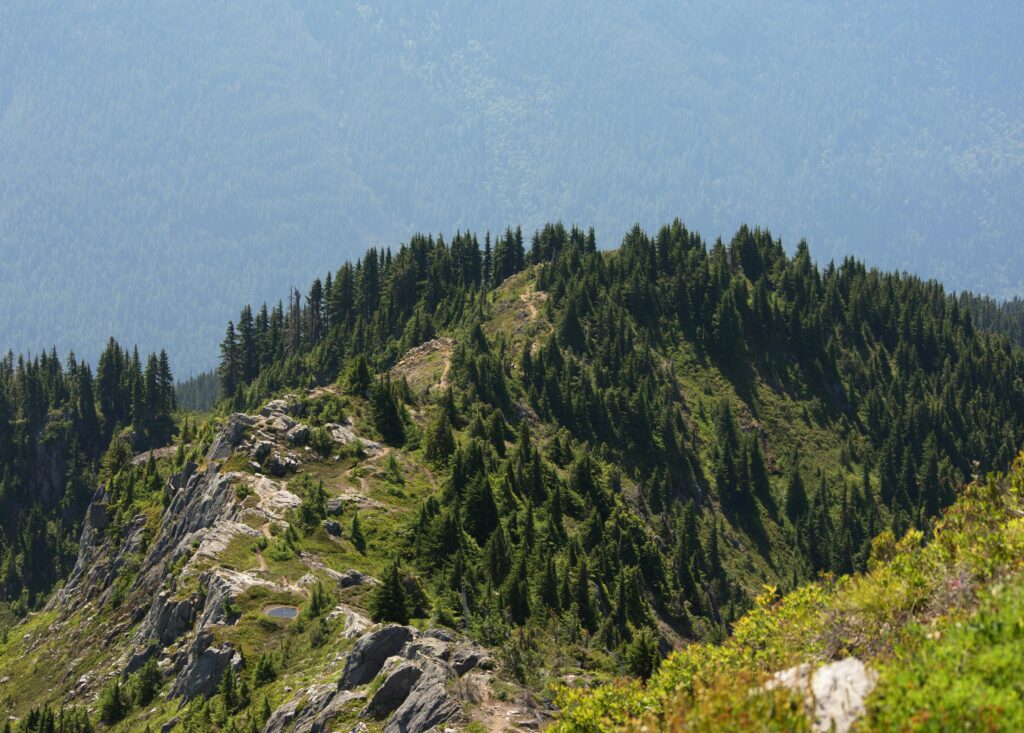
The park’s backcountry is accessible by 200 miles of trail, all requiring a free wilderness permit available at the Wilderness Information Center near Marblemount. Cascade Pass, reached by a 7.4-mile round-trip hike from the end of the Cascade River Road, delivers one of the park’s most celebrated viewpoints and has been a travel route through the mountains since long before the park existed.
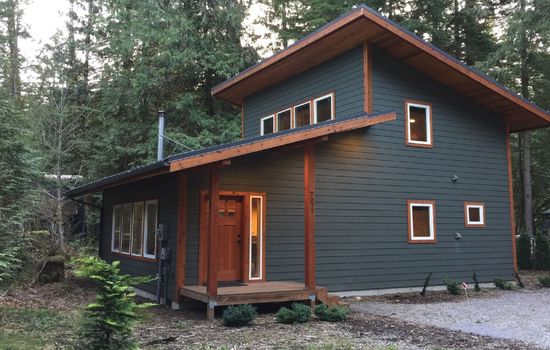
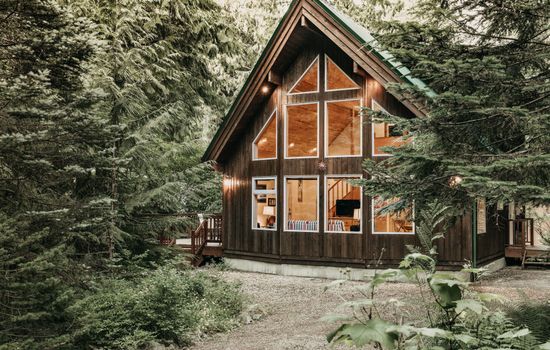
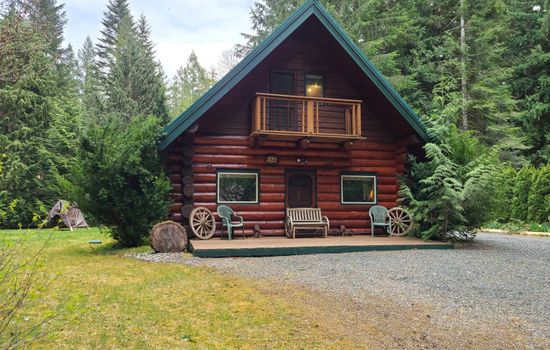
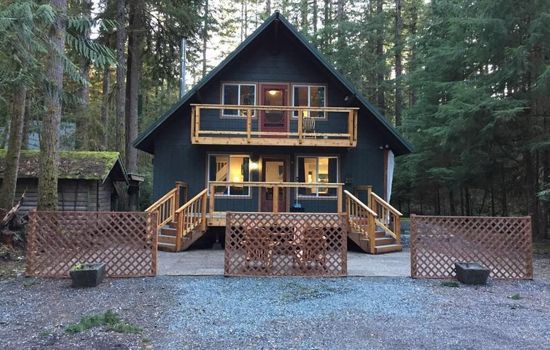
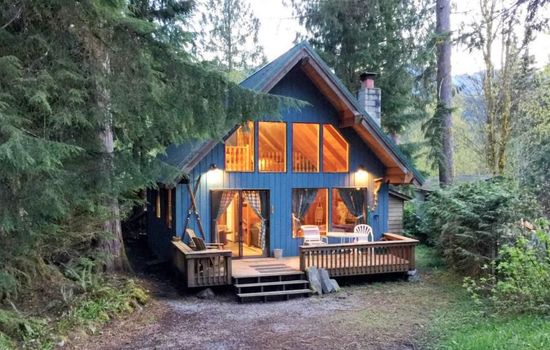
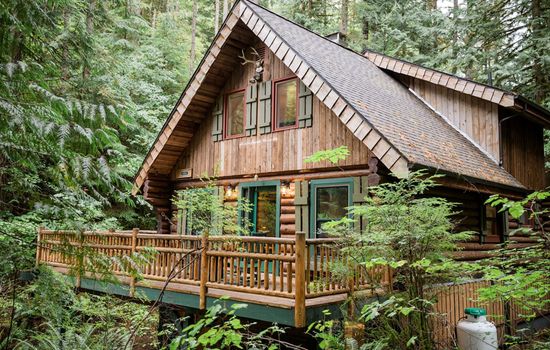
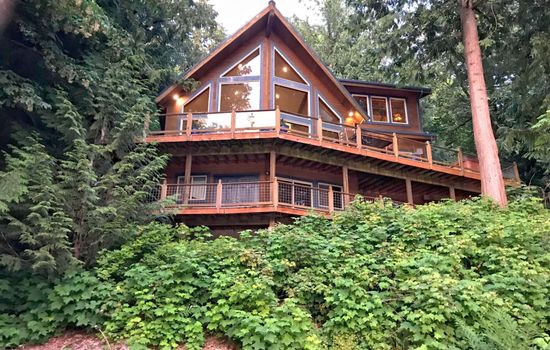
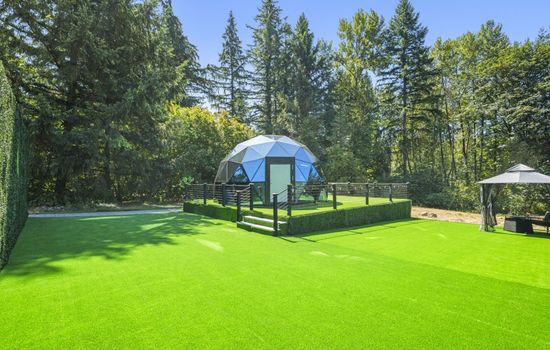
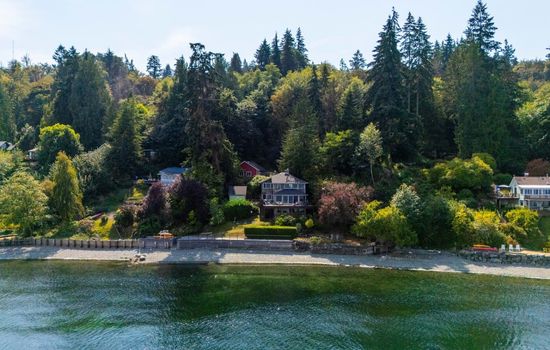
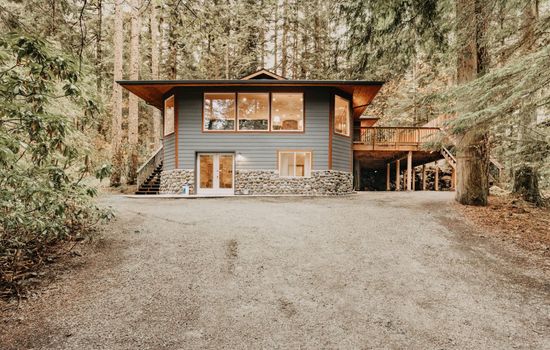
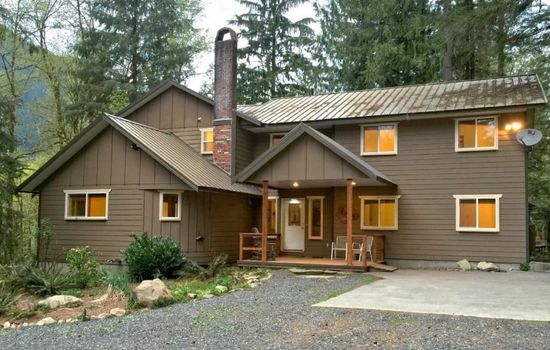
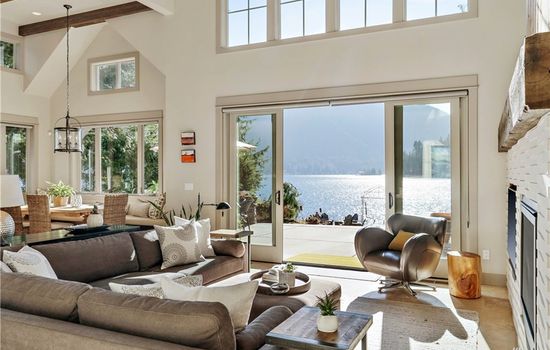
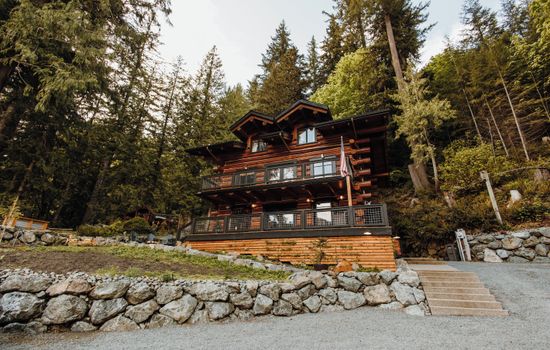
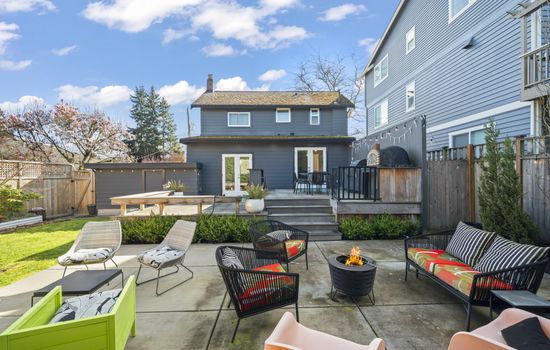
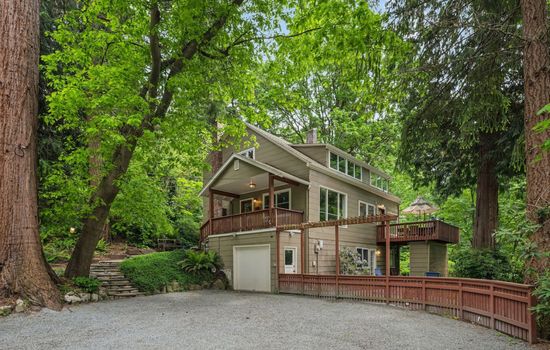
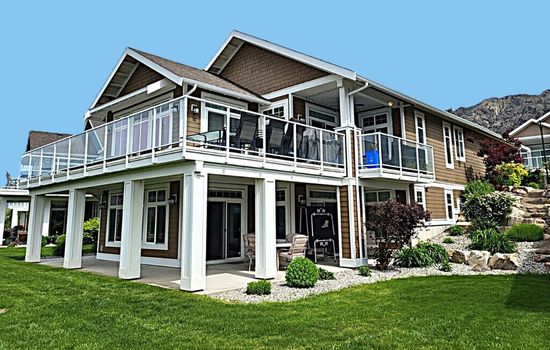
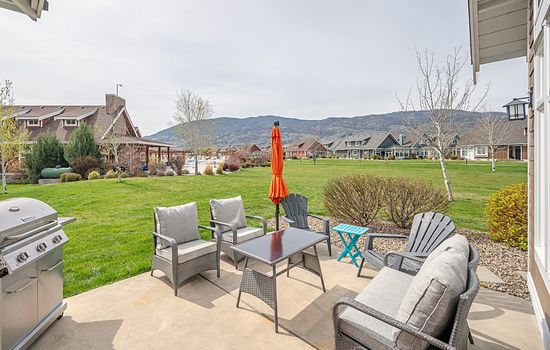
Marblemount, Concrete, and Sedro-Woolley on the west side, and Winthrop and Twisp in the Methow Valley on the east, are the primary gateway communities. Winthrop, in particular, has evolved into a complete small resort town with cozy cabins, luxury vacation homes, hot tubs, beautiful river and mountain views, and relaxing amenities well suited for multi-day Rocky Mountain-style visits. Pet-friendly vacation rentals are widely available throughout the Methow Valley.
No entrance fee is required for North Cascades National Park. Check nps.gov/noca for current trail conditions, highway status, and wilderness permit procedures. Book your accommodations for North Cascades National Park.
Seasons
Vibrant blooming wildflowers, trails become accessible as snow melts; ideal for hiking (Cascade Pass), wildlife viewing as animals emerge from hibernation.
Peak visitation, warm weather, extensive daylight; optimal for hiking, backpacking, boating, fishing, kayaking. North Cascades Highway fully open, allowing scenic drives and high-elevation views.
Spectacular autumn foliage colors, quieter trails, ideal for hiking and photography; cooler temperatures, scenic beauty enhanced by dramatic fall landscapes.
Serene winter landscapes, snowshoeing and cross-country skiing opportunities in Methow Valley and North Cascades Highway corridor; wildlife viewing, outstanding winter photography opportunities. Many roads and facilities closed, requiring careful planning.
Top 3 Facts about North Cascades National Park
North Cascades National Park contains more than 300 glaciers, representing the greatest concentration of glaciers in any national park in the contiguous United States. These glaciers feed the park’s rivers and lakes with rock flour that gives Diablo and Ross Lakes their characteristic turquoise color. The park covers 504,781 acres as part of a larger 684,000-acre North Cascades National Park Service Complex.
Diablo Lake, within the Ross Lake National Recreation Area adjacent to the national park, gets its remarkable turquoise color from glacial rock flour, fine particles of ground mineral suspended in the water that scatter light differently from ordinary lake water. The Thunder Knob trail at Colonial Creek Campground provides the most accessible elevated views of the lake from the surrounding ridgeline.
North Cascades National Park is one of the least visited national parks in the United States, recording approximately 16,485 visitors in 2024 to the national park units, while the adjacent Ross Lake National Recreation Area, which includes the primary highway corridor and most developed facilities, recorded nearly a million. The combination of limited road access and terrain requirements keeps the national park’s backcountry genuinely uncrowded.
Family programs
- Junior Ranger
- Workshops & Hands-on Activities
- Scavenger Hunts
- Night Sky & Astronomy
- Family Camping & Overnight
- Arts & Crafts
- Water-based Adventures
Travel Tips
Plan Ahead
No entrance fee is required for North Cascades National Park. Wilderness permits are required for all backcountry camping and are available at the Wilderness Information Center near Marblemount. State Route 20 closes seasonally between approximately November and April; check the Washington State DOT before any late-fall or early-spring visit. Campground reservations are available at recreation.gov. Check nps.gov/noca for current highway and trail conditions.
Pack Appropriately
Pack waterproof layers and full rain gear; the western Cascades receive abundant precipitation. Sturdy waterproof hiking boots are essential for any trail beyond the highway corridor. Carry bear spray in the backcountry and store food in bear-resistant canisters. Bring navigation tools for backcountry routes, as GPS signal can be limited in steep valleys. The Rainy Lake Trail near Washington Pass is paved and accessible in street shoes.
Respect Wildlife
Black bears, mountain lions, gray wolves, lynx, and mountain goats all inhabit the North Cascades ecosystem. Carry bear spray on all backcountry trails. Maintain minimum distances from all wildlife. The NPS and U.S. Fish and Wildlife Service have announced a decision to restore grizzly bears to the North Cascades; follow park guidance for bear safety protocols as restoration proceeds. Keep dogs on leash at all times in the complex.
Stay Informed
Check ahead for current highway conditions, trail status, wilderness permit availability, and backcountry alerts. State Route 20 is subject to emergency closures from avalanche, rockfall, and extreme weather; always confirm road status before driving the North Cascades Highway. Contact the North Cascades Visitor Center in Newhalem for current conditions during the summer season.
- Area (mi²)
- 789
- Annual visitors
- 16 485
- Established year
- 1968
Accessibility & permits
Emergency

Planning a trip?
Tell us about your upcoming trip and how we can help!
Frequently Asked Questions
Ready to dive into what North Cascades National Park has to offer? Let’s tackle some of the burning questions you might have as you plan your visit!
-
To visit the area, you can stay in nearby towns such as Sedro-Woolley, Marblemount, or Rockport, which offer various lodging options close to the park. These towns provide easy access to the park’s entrances and attractions.
-
The Rainy Lake Trail is a great option for kids, as it is a short, 2-mile roundtrip hike with only 70 feet of elevation gain and is wheelchair and stroller accessible. The trail is paved and features small streams and waterfalls, leading to a beautiful lake at the end. This hike is easy and peaceful, making it ideal for families.
-
Dogs are only allowed on the Pacific Crest Trail, paved areas, and within 50 feet of roads. However, they are permitted on leashes in the surrounding Ross Lake and Lake Chelan National Recreation Areas and national forest lands. Service animals are also allowed.
-
Parking is free for trails and areas within the national park, but a Northwest Forest Pass or Recreation Day Pass may be required for trailheads on adjacent U.S. Forest Service land. There are no fees for parking at overlooks or scenic drives.
-
To make the most of 24 hours, hike the Cascade Pass trail, a 7-mile moderate hike with stunning views. Visit the Washington Pass Overlook for a quick and easy 0.25-mile round-trip to see breathtaking vistas. Also, consider the short hikes to Gorge Creek Falls and Ladder Creek Falls for additional scenic stops.