
Discover breathtaking landscapes and diverse wildlife in this hidden natural gem.

























Discover breathtaking landscapes and diverse wildlife in this hidden natural gem.
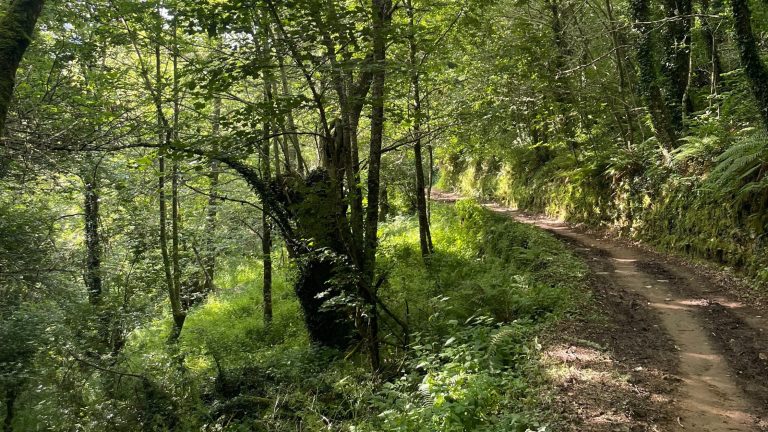
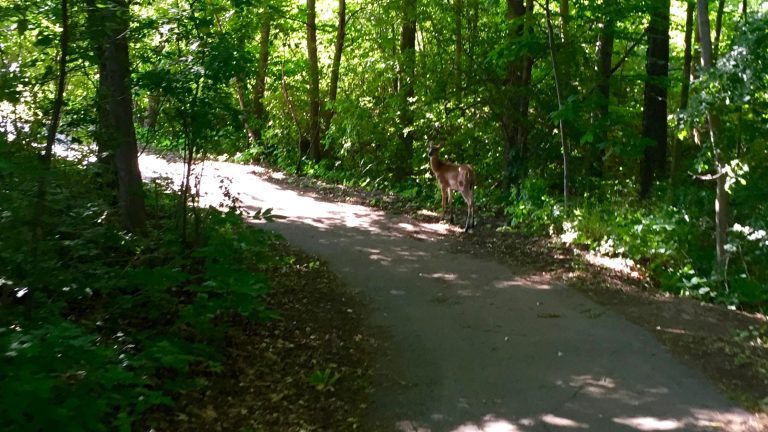
Ashland Wildlife Management Area in West Virginia offers an unparalleled escape into nature, inviting visitors to immerse themselves in its rich biodiversity. Spanning over 4,000 acres, this pristine sanctuary is a haven for outdoor enthusiasts, boasting a variety of habitats from lush forests to vibrant wetlands. The area is home to an array of wildlife, including deer, wild turkey, and a plethora of bird species, making it a photographer’s dream and a nature lover’s paradise.
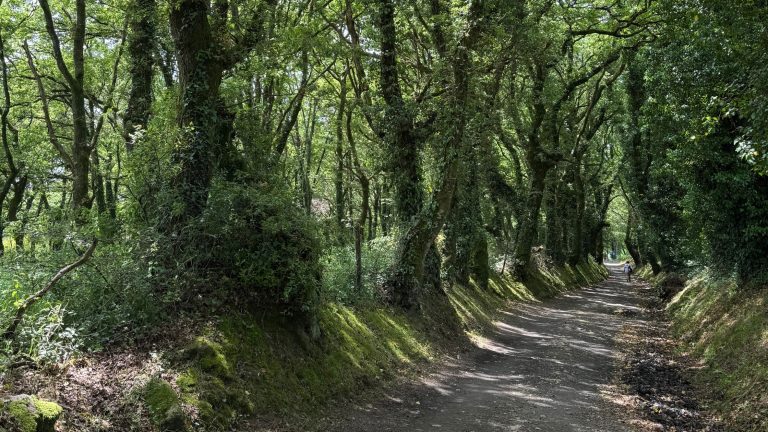
Adventure awaits at every turn, as the management area features numerous trails perfect for hiking, biking, and horseback riding. The well-maintained paths lead explorers through breathtaking landscapes, providing stunning vistas that showcase the region’s natural beauty. Anglers can delight in the tranquil waters of the streams and ponds, where fishing opportunities abound.
For those seeking solitude or a chance to connect with family and friends, Ashland Wildlife Management Area serves as an idyllic backdrop. As the sun sets over the horizon, the area transforms into a serene retreat, offering a perfect end to a day spent in the embrace of nature.
Seasons
In spring, the area transforms into a vibrant tapestry of blooming wildflowers and active wildlife, offering unparalleled opportunities for bird watching, hiking, and photography.
Summer’s warm embrace transforms the area into a haven for outdoor enthusiasts, offering ideal conditions for hiking, fishing, and bird watching amidst lush landscapes.
In fall, the crisp air and vibrant foliage of West Virginia’s forests create a picturesque backdrop for hiking, wildlife viewing, and scenic drives, making September through November ideal for outdoor enthusiasts.
Winter’s embrace transforms the landscape into a serene haven, offering solitude and a chance to witness the resilience of wildlife amidst the season’s quiet beauty.
Top 3 Facts about Ashland Wildlife Management Area
One fascinating aspect of wildlife is the migration of rare species, such as the endangered black-crowned night heron, which can be spotted during specific seasons, showcasing the area’s rich biodiversity and providing unique opportunities for birdwatchers to witness these unusual and elusive creatures in their natural habitat.
In this region, unique microclimates create diverse ecosystems, where just a few miles can dramatically alter temperature and humidity, leading to unusual weather phenomena like sudden snowstorms in summer or localized heavy rainfall, showcasing the intricate interplay between geography and climate.
Known for its unique “Screaming Eagle Trail,” this area has hosted record-setting birdwatching events and prohibits activities like metal detecting and drone flying, ensuring a serene environment for wildlife enthusiasts and outdoor adventurers alike.
Travel Tips
Plan Ahead
When exploring this stunning wildlife haven, planning ahead is essential for a rewarding experience. Research seasonal wildlife patterns, pack appropriate gear for varying weather conditions, and ensure you have maps or GPS devices handy. Arrive early to secure prime spots for birdwatching or photography, and consider bringing a picnic to fully enjoy the serene surroundings.
Pack Appropriately
When packing for your trip, include a good pair of waterproof boots, as the area features varied terrain with potential mud and streams. Don’t forget to bring a lightweight daypack to carry essentials, and consider a portable water filter to stay hydrated while exploring the diverse ecosystems without the bulk of bottled water.
Respect Wildlife
Respect the diverse wildlife by keeping a safe distance from animals and avoiding feeding them. Stick to marked trails to minimize habitat disruption and observe creatures in their natural environment. Carry binoculars for a closer look without intruding, and remember to leave no trace to preserve the beauty and integrity of this pristine ecosystem.
Stay Informed
Before your visit, stay informed by checking weather conditions, temperatures, and any fire bans or notices. Familiarize yourself with emergency contact information, and always tell someone your destination and expected return time to ensure safety during your outdoor adventure.
Accessibility & permits
Emergency

Planning a trip?
Tell us about your upcoming trip and how we can help!



Frequently Asked Questions
Ready to dive into what Ashland Wildlife Management Area has to offer? Let’s tackle some of the burning questions you might have as you plan your visit!
-
Ashland Wildlife Management Area offers a variety of activities including wildlife observation, birdwatching, hunting, and hiking, making it an ideal destination for nature enthusiasts and outdoor adventurers.
-
Yes, Ashland WMA has designated camping facilities available for visitors, providing a rustic experience amidst nature with access to essential amenities.
-
Fishing is permitted in Ashland Wildlife Management Area, allowing anglers to enjoy the serene waters while targeting species like bass and trout.
-
The area is home to diverse wildlife species, including white-tailed deer, wild turkey, and various bird species, providing excellent opportunities for wildlife viewing and photography.
-
Ashland Wildlife Management Area features several hiking trails, ranging from easy to moderate difficulty, offering scenic views and a chance to explore the natural beauty of West Virginia.