Wild Horses, Atlantic Beaches, and Barrier Island Wildlife in Maryland and Virginia






Wild Horses, Atlantic Beaches, and Barrier Island Wildlife in Maryland and Virginia
A barrier island stretching 37 miles along the Atlantic coast of Maryland and Virginia holds one of the most distinctive wildlife scenes in the eastern United States. Wild horses roam freely across the beach and salt marsh, stepping through shallow tide pools and grazing among the sea oats as if the families watching from a respectful distance were the visitors, not the other way around. In March 2026, the National Park Service’s Maryland herd census counted 83 horses, up from 73 in 2024, managed toward a goal range of 80 to 100 individuals to maintain genetic viability while protecting the fragile barrier island ecosystem. These are not domesticated animals; they are classified as wildlife and must always be observed from at least 40 feet away.
Assateague Island National Seashore, established in 1965, spans two states and three managing entities: the NPS administers the Maryland portion and shares management of a Virginia section, while the Chincoteague National Wildlife Refuge covers the island’s southern reach in Virginia. The famous annual Pony Swim in late July carries the Virginia herd across the channel from Assateague to Chincoteague Island, where foals are auctioned to sustain the wild population. Both the Maryland and Virginia sections offer their own access points, campgrounds, and character, with the Maryland side reached via a bridge from near Ocean City and the Virginia side entered through Chincoteague.
The seashore’s 37 miles of undeveloped Atlantic beach provide the primary recreational setting for the park’s 2.6 million annual visitors, who come for swimming, surfing, fishing, birdwatching, kayaking in the back bays, and clamming. The bird life along this section of the Atlantic Flyway is exceptional: over 300 species have been recorded, including snow geese, great blue herons, egrets, osprey, and nesting piping plovers whose seasonal presence triggers protective beach closures. The back-bay waters of Sinepuxent and Chincoteague bays provide calm kayak and canoe routes through tidal marsh habitats distinctly different from the open-ocean beach experience.
The park is an outstanding choice for families. Children encounter wild horses at unpredictable moments on beach walks; the possibility of a horse appearing around a dune corner provides genuine excitement. Campgrounds in both the Maryland and Virginia sections place tents steps from the ocean, and the park’s ranger programs engage children directly. Pet-first travelers will find Assateague pet-friendly in specific areas: leashed pets are permitted on the beach in the Maryland section, in campgrounds, and on the Pony Trail, but are not permitted in the Virginia section or in the water. Always check current pet rules at nps.gov/asis before visiting.
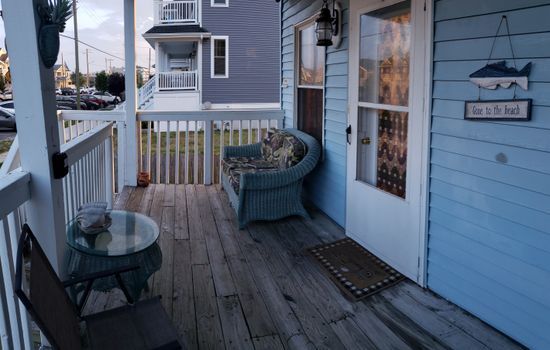
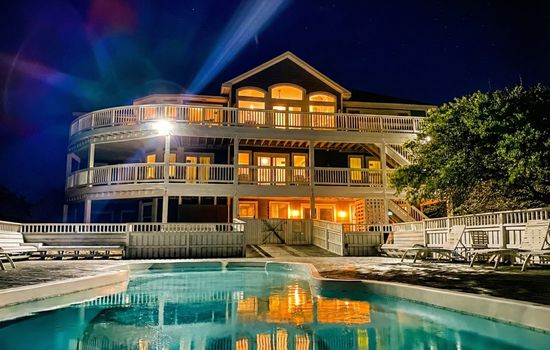
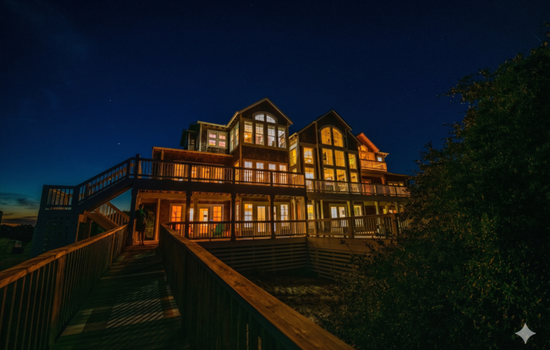
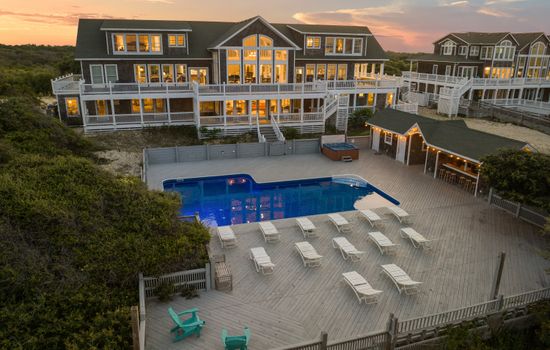
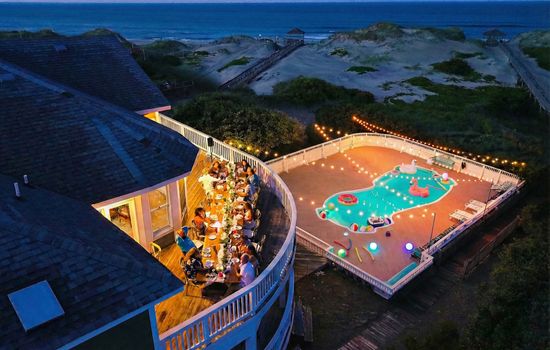
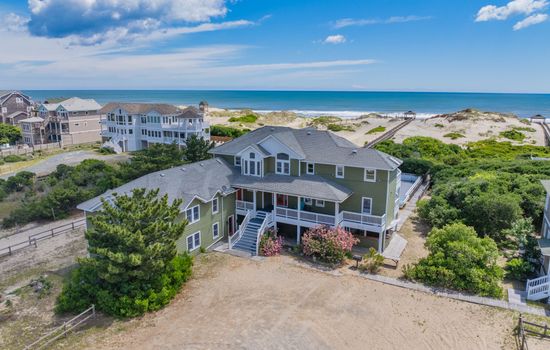
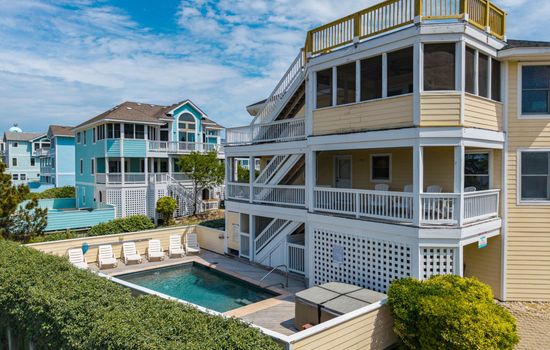
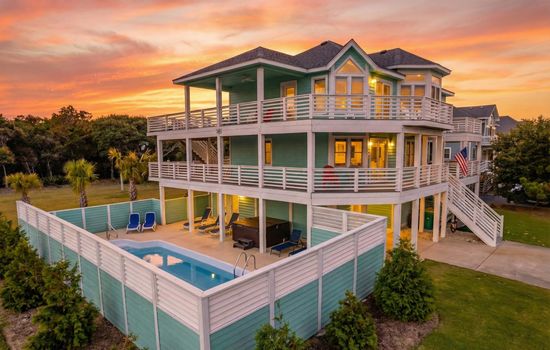
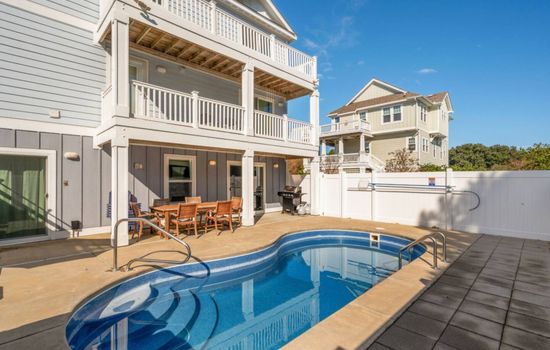
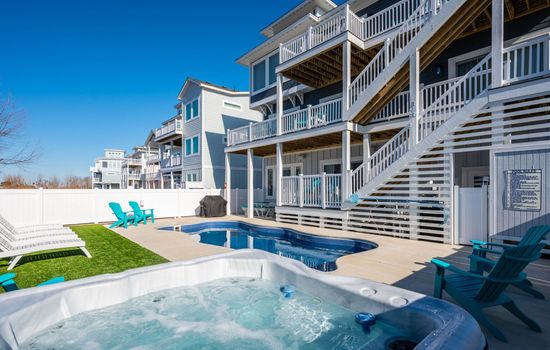
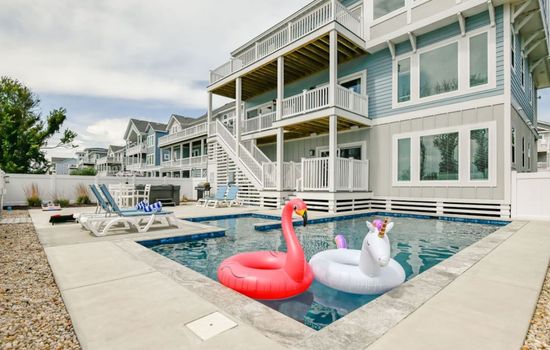
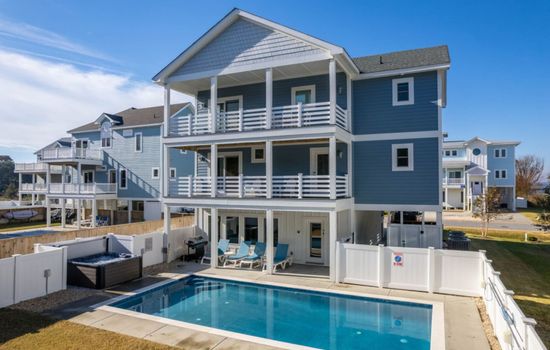
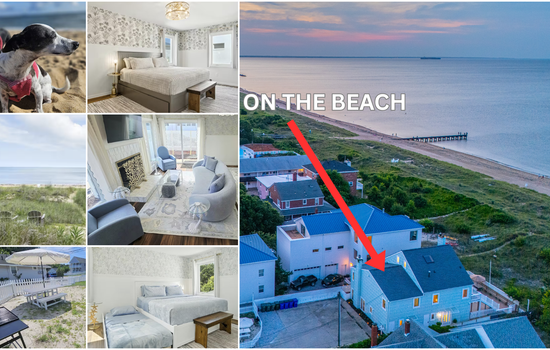
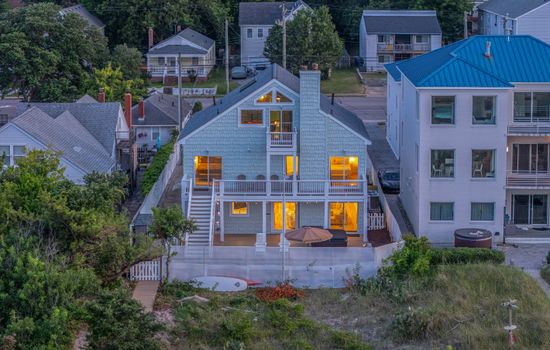
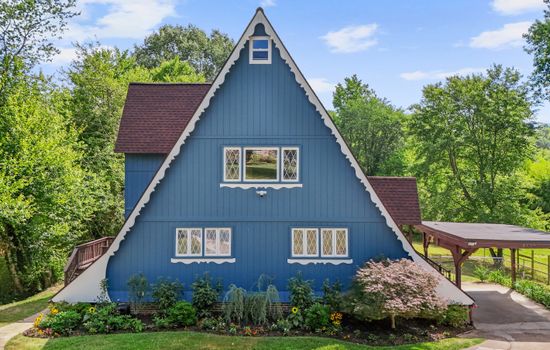
The communities of Ocean City, Maryland, and the Chincoteague Island, Virginia, area offer vacation rentals to serve every group size and style. Waterfront condos and vacation homes with multiple bedrooms and full kitchens on the Maryland side, and cozy beachside properties in Chincoteague, give families and groups a comfortable base within minutes of the park’s entrances. Properties with hot tubs and beautiful ocean views are available in both gateway communities. Book your accommodations near Assateague Island National Seashore through Lake.com.
Seasons
Spring brings mild temperatures (40s-60s°F) and lighter crowds. Enjoy sunny days in April and blooming flowers in May. Memorial Day weekend kicks off the high season, but expect some wind and chilly ocean temperatures. Ideal for outdoor enthusiasts seeking a serene pre-summer experience.
Summer brings warm temperatures (70s-90s°F) and humid weather, ideal for beach activities and outdoor adventures. Witness the annual Chincoteague Wild Pony Swim in July, a unique spectacle of wild ponies crossing the channel. Perfect for nature lovers and families.
Autumn brings mild temperatures, 50s-70s Fahrenheit, and vibrant fall colors. Enjoy mostly sunny skies and fewer crowds. The Assateague Island Pony Penning Fund Benefit Trail Ride usually occurs in October, making it a unique time to visit, though water temperatures are too chilly for prolonged swimming without a wetsuit.
Winter’s chill, January and February, brings temperatures of 28-49°F, occasional snow, and powerful Nor’Easters. Yet, after storms, sunshine and west winds create a serene backdrop for witnessing wild horses in their thick winter coats. A time for solitude and natural beauty.
Top 3 Facts about Assateague Island National Seashore
Assateague Island National Seashore encompasses approximately 75 square miles of barrier island on the Atlantic coasts of Maryland and Virginia. Established in 1965, it is managed jointly with the Chincoteague National Wildlife Refuge on the Virginia end. The park’s wild horses are managed by the NPS as a wildlife population on the Maryland portion; in March 2026, the Maryland herd stood at 83 horses managed toward a goal of 80 to 100 individuals. Visitors must always remain at least 40 feet from horses and must never feed them.
The seashore lies on the Atlantic Flyway and has recorded over 300 species of birds, including nesting piping plovers and Atlantic brant, as well as migrating snow geese, shorebirds, warblers, and raptors. The Chincoteague National Wildlife Refuge on the Virginia end of the island hosts the annual Pony Penning and Swim in late July, when the Virginia herd swims across a narrow channel to Chincoteague Island for a foal auction that dates to 1925 and is organized by the Chincoteague Volunteer Fire Company to sustain the wild population size.
Assateague Island received a record 2,662,716 visitors in 2021, ranking it 33rd among all National Park Service units. The park’s primary activities include ocean swimming, surf fishing, clamming, kayaking in Sinepuxent and Chincoteague bays, and Off-Road Vehicle driving in designated OSV zones with a required permit. Leashed pets are permitted on the beach, Pony Trail, and in campgrounds on the Maryland side but are not allowed in the Virginia section of the seashore.
Travel Tips
Plan Ahead
The entrance fee is $25 per vehicle for a 7-day pass. Campsite reservations for the Maryland and Virginia sections are made through recreation.gov and fill quickly for summer weekends. An Over-Sand Vehicle (OSV) permit is required for beach driving in the Maryland OSV zone and is only purchased at the Ranger Station inside the park entrance; lines can be 3 to 4 hours long by early morning on popular weekends. Consider visiting on weekdays or arriving before 8 am on summer weekends. Piping plover nesting closures apply to portions of the beach from April through August; heed all posted signs. Check nps.gov/asis for current conditions.
Pack Appropriately
Bring a long-sleeved shirt, hat, and high-SPF sunscreen; the open barrier island environment offers no shade. Insect repellent is essential, particularly for marsh and back-bay areas where biting flies and mosquitoes are intense from May through September. Bring water shoes for the back-bay and marsh-edge areas. If beach driving, carry a tire gauge and know how to reduce tire pressure appropriately before entering the OSV zone. Never leave food or coolers accessible in open vehicles or on the beach, as horses will approach and help themselves.
Respect Wildlife
Never feed, touch, or approach wild horses closer than 40 feet; horses will kick and bite, and substantial fines apply. Improperly stored food may be confiscated. All wildlife on Assateague is protected; do not disturb nesting shorebirds, approach seals, or collect live shells. Keep leashed pets under control in permitted areas and away from horses, nesting birds, and other wildlife at all times. Follow all piping plover nesting closure signs, which are posted annually during breeding season from April through August.
Stay Informed
Check nps.gov/asis for current horse locations, piping plover closures, beach conditions, OSV zone openings, and any park alerts before your visit. Summer weekends can involve waits of up to four hours to enter the Maryland OSV zone; the NPS website and social media provide real-time updates. Hurricane season runs June through November and can affect beach access and campground availability; monitor NWS forecasts during this period. For park emergencies, call 9-1-1. For non-emergency park information, contact the park at (410) 629-6080.
- Area (mi²)
- 75
- Annual visitors
- 2 662 716
- Established year
- 1965
Accessibility & permits
Emergency

Planning a trip?
Tell us about your upcoming trip and how we can help!
Frequently Asked Questions
Ready to dive into what Assateague Island National Seashore has to offer? Let’s tackle some of the burning questions you might have as you plan your visit!
-
Wild horses roam freely throughout Assateague, frequently seen along beaches and marshes, particularly around Bayside Nature Trail and Chincoteague Bay.
-
Pets are permitted in certain areas, including specific beaches and campsites, but must be leashed at all times.
-
Oceanside Campground is popular for direct beach access, beautiful sunrises, and proximity to wild horse sightings.
-
Yes, surf fishing for striped bass, flounder, and bluefish is popular; Maryland or Virginia fishing licenses apply depending on location.
-
Chincoteague (Virginia) and Ocean City (Maryland) offer accommodations, dining, grocery stores, and recreation equipment rentals.