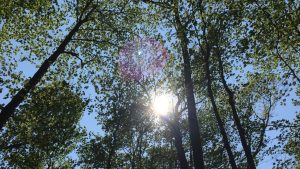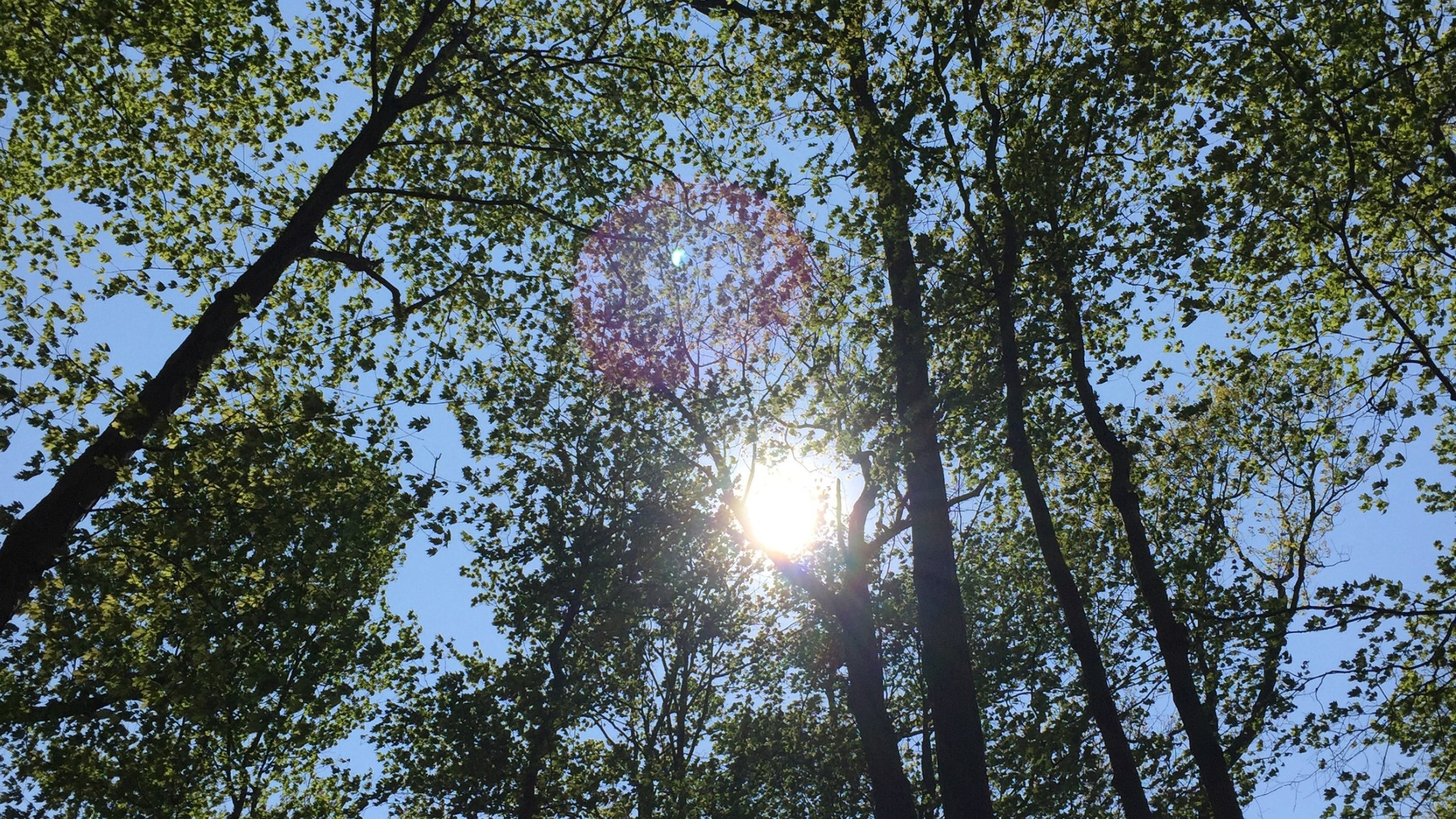
Discover the breathtaking beauty and diverse wildlife of Louisiana's hidden natural gem.



Discover the breathtaking beauty and diverse wildlife of Louisiana's hidden natural gem.
Atchafalaya National Wildlife Refuge, a hidden gem in Louisiana, invites travelers to immerse themselves in its lush, vibrant ecosystems. Stretching over 15,000 acres, this refuge is a sanctuary for diverse wildlife, including alligators, herons, and the rare Louisiana black bear. The refuge’s intricate waterways and sprawling wetlands create an enchanting backdrop for nature enthusiasts and photographers alike.
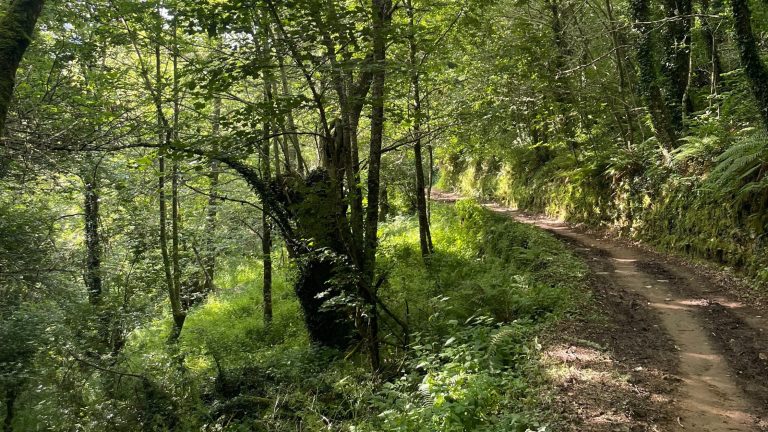
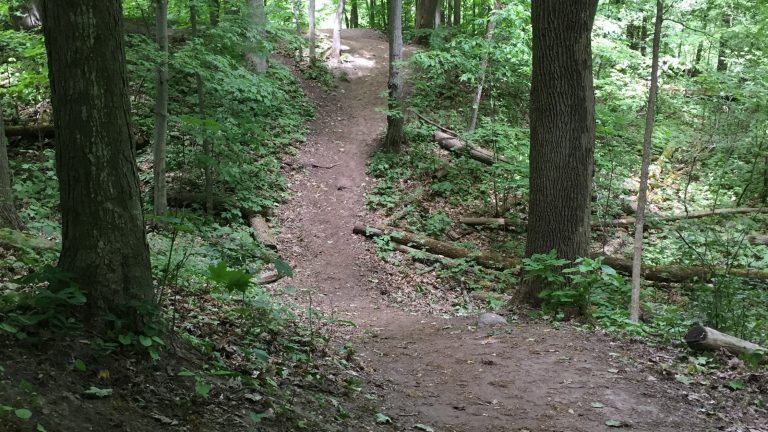
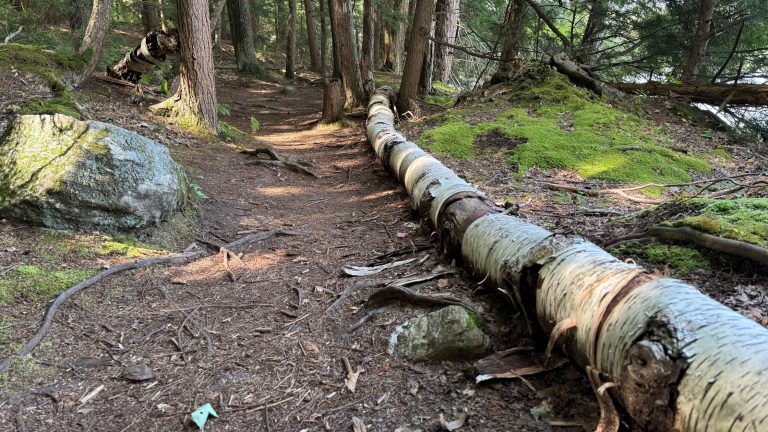
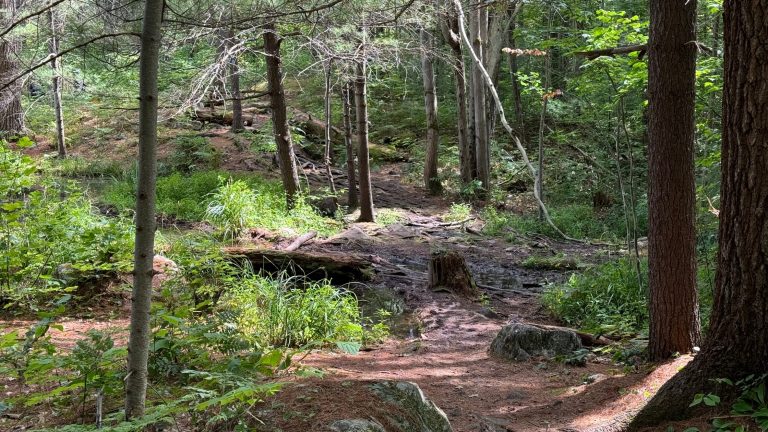
Visitors can explore the refuge through a network of trails, offering opportunities for hiking, birdwatching, and kayaking. The serene beauty of the landscape captivates the senses, with cypress trees draped in Spanish moss creating an ethereal atmosphere. Each season brings a new palette of colors, making every visit unique and memorable.
As you navigate the winding paths, the sounds of nature envelop you, providing a soothing escape from the hustle and bustle of everyday life. Atchafalaya National Wildlife Refuge stands as a testament to Louisiana’s natural beauty, offering a tranquil retreat that rejuvenates the spirit and ignites a passion for the great outdoors.
Seasons
In spring, the refuge’s vibrant wetlands and forests come alive with migratory birds, offering unparalleled birdwatching opportunities amidst the lush landscapes of Louisiana’s “Cajun Country.”
Summer’s sultry embrace transforms the bayous into a haven for birdwatchers, as nesting species like swallow-tailed kites and prothonotary warblers grace the lush landscapes.
In fall, cooler temperatures and reduced humidity enhance wildlife viewing, making September through November ideal for observing migratory birds and experiencing the refuge’s serene beauty.
In winter, the refuge’s serene bayous and cypress-tupelo swamps offer unparalleled birdwatching, fishing, and hiking opportunities, with cooler temperatures and reduced vegetation enhancing accessibility.
Top 3 Facts about Atchafalaya National Wildlife Refuge
This refuge is home to the rare Louisiana black bear, an endemic species, and hosts remarkable animal migration events, where thousands of birds, including the endangered whooping crane, pass through during seasonal changes, showcasing the area’s vital role in preserving biodiversity and supporting unique wildlife.
This region experiences unique microclimates due to its diverse wetland ecosystems, where temperature variations can be extreme, leading to unusual weather phenomena like sudden fog and localized storms, which significantly influence the habitat and behaviors of local wildlife.
Visitors can explore unique trails like the “Cypress Swamp Loop” while engaging in birdwatching, fishing, and kayaking, but must adhere to unusual rules such as no motorized vehicles or fires, ensuring a serene experience in this diverse ecosystem, perfect for outdoor enthusiasts seeking adventure.
Travel Tips
Plan Ahead
To fully embrace the beauty of Louisiana’s wetlands, plan your visit around the seasons and weather. Early mornings or late afternoons offer the best wildlife viewing opportunities, while spring and fall provide mild temperatures. Don’t forget to pack essentials like insect repellent, water, and a camera to capture the stunning landscapes and diverse wildlife that thrive in this unique ecosystem.
Pack Appropriately
When packing for your trip to Louisiana’s wetlands, include waterproof gear and insect repellent to combat the humidity and pesky mosquitoes. Consider bringing a lightweight, breathable long-sleeve shirt to protect against sun exposure while allowing for ventilation, ensuring you stay comfortable as you explore the lush landscapes and diverse wildlife.
Respect Wildlife
When exploring this stunning refuge, always observe wildlife from a distance to minimize stress on animals and their habitats. Stay on marked trails, avoid feeding animals, and respect nesting areas to ensure a harmonious experience with nature. Carry binoculars for a closer look at the diverse species while preserving their natural behaviors and surroundings.
Stay Informed
Before your visit, check the weather forecast, temperatures, and any fire bans or notices to ensure a safe experience. Inform someone of your plans, including your destination and expected return time, and keep emergency contact information handy. Staying informed helps you enjoy your trip while prioritizing safety.
Accessibility & permits
Emergency

Planning a trip?
Tell us about your upcoming trip and how we can help!
Frequently Asked Questions
Ready to dive into what Atchafalaya National Wildlife Refuge has to offer? Let’s tackle some of the burning questions you might have as you plan your visit!
-
Atchafalaya National Wildlife Refuge offers a variety of activities including birdwatching, hiking, fishing, and wildlife observation. Visitors can explore numerous trails and scenic overlooks to experience the rich biodiversity of the area. Additionally, canoeing and kayaking are popular on the waterways within the refuge, providing a unique perspective of the landscape and its inhabitants.
-
To get to Atchafalaya National Wildlife Refuge, take Interstate 10 to exit 139 for LA-3177. Follow LA-3177 south until you reach the refuge entrance. The refuge is located approximately 30 miles west of Baton Rouge, making it easily accessible for day trips.
-
The best time to visit Atchafalaya National Wildlife Refuge is during the spring and fall months when temperatures are mild and wildlife activity is high. Spring offers opportunities to see migratory birds, while fall showcases beautiful foliage and active wildlife preparation for winter.
-
Yes, Atchafalaya National Wildlife Refuge has camping facilities available for visitors. There are designated camping areas equipped with basic amenities. Reservations may be required, especially during peak seasons, so check ahead for availability.
-
Atchafalaya National Wildlife Refuge is home to a diverse range of wildlife, including alligators, white-tailed deer, various bird species such as herons and egrets, and numerous fish species in its waterways. This rich ecosystem makes it a prime location for wildlife enthusiasts and photographers.