Discover a hidden gem of natural beauty and diverse wildlife in this serene outdoor paradise.



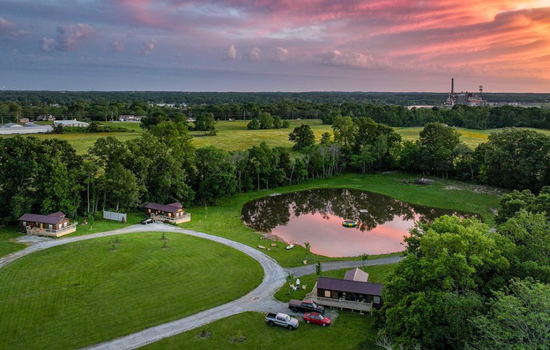
Discover a hidden gem of natural beauty and diverse wildlife in this serene outdoor paradise.
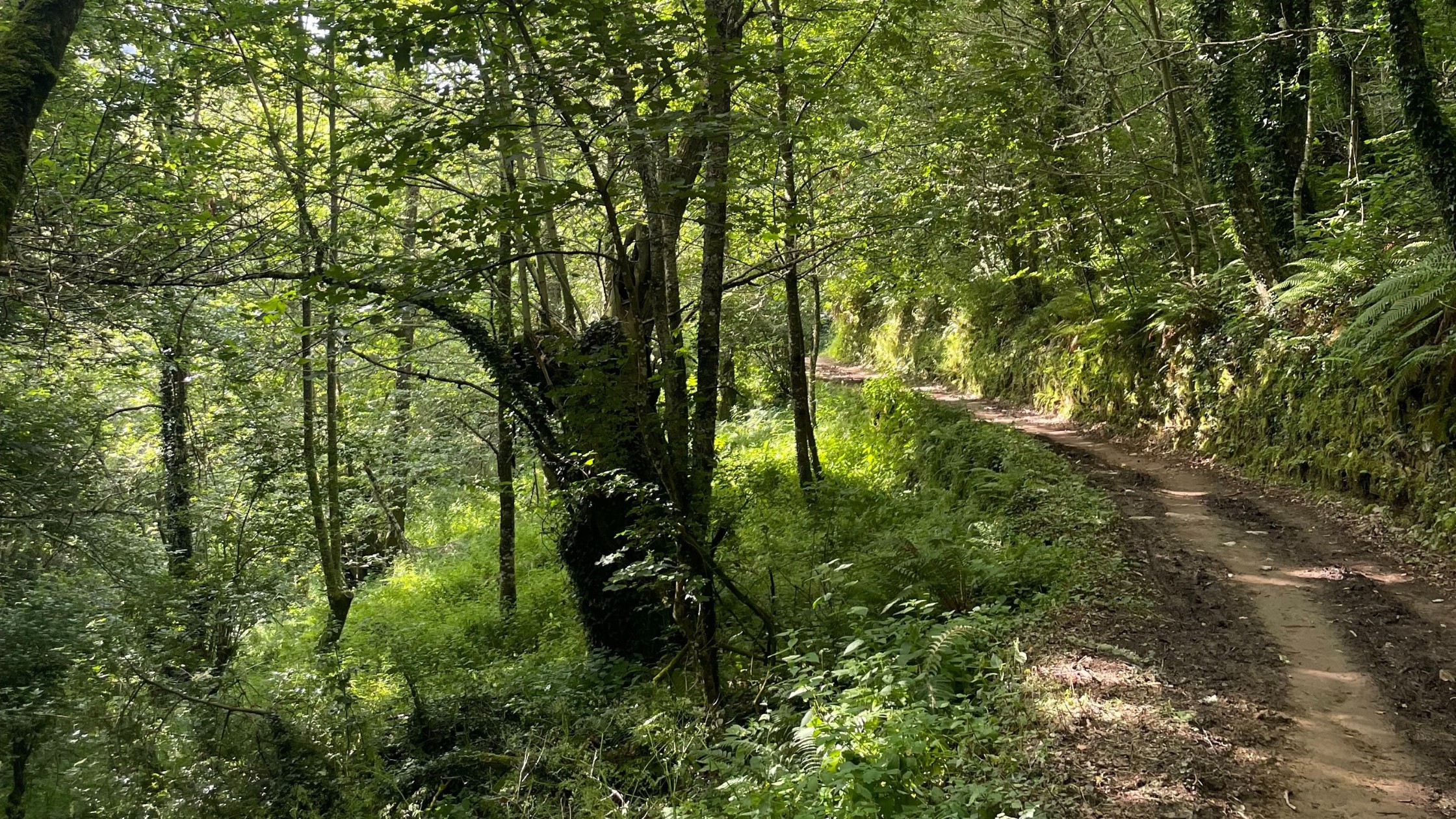
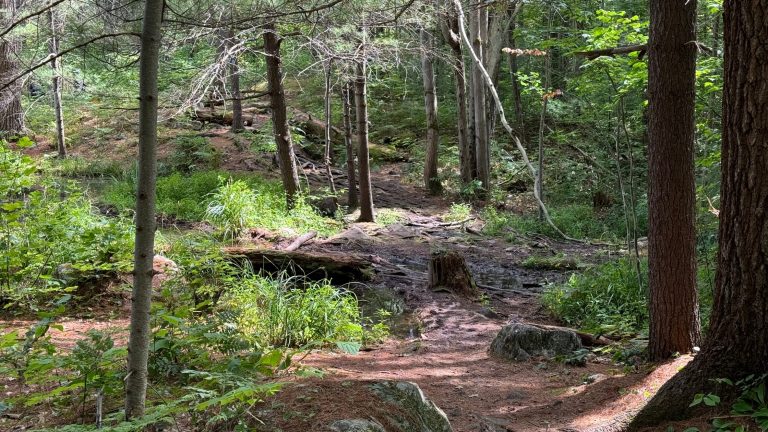
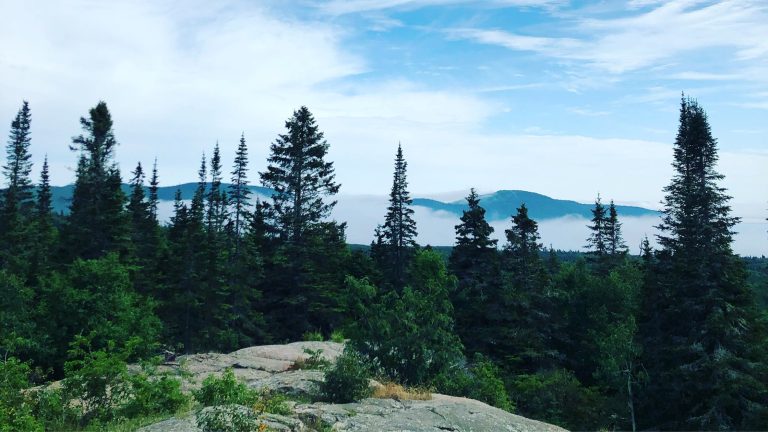
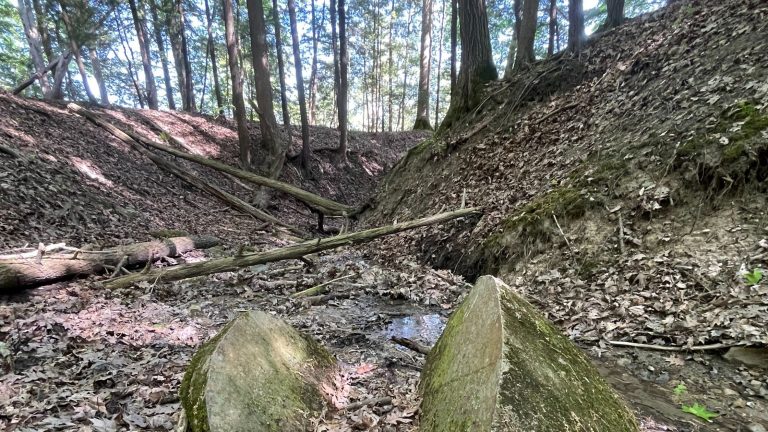
Ballard Wildlife Management Area in West Virginia offers an unparalleled escape into nature’s untouched beauty. Spanning over 3,000 acres, this sanctuary is a haven for outdoor enthusiasts and wildlife lovers alike. Visitors can explore a diverse landscape of rolling hills, lush forests, and serene wetlands, making it an ideal location for hiking, birdwatching, and photography.
The area is home to an impressive array of wildlife, including deer, wild turkeys, and various bird species. Nature trails wind through vibrant ecosystems, providing opportunities to observe these creatures in their natural habitat. Each season paints the landscape in stunning colors, from the vibrant greens of summer to the golden hues of autumn, inviting guests to return year-round.
For those seeking tranquility, Ballard Wildlife Management Area offers ample space for reflection and relaxation. Whether you are casting a line in one of the pristine ponds or simply soaking in the peaceful surroundings, this destination promises a rejuvenating experience. Discover the allure of West Virginia’s wilderness and make memories that linger long after your visit.
Seasons
In spring, the area bursts into life with vibrant wildflowers and migratory birds, offering nature enthusiasts a serene retreat to witness the season’s full splendor.
Summer in West Virginia’s wildlife management areas offers warm temperatures and abundant sunshine, making June, July, and August ideal for fishing, hiking, and wildlife viewing.
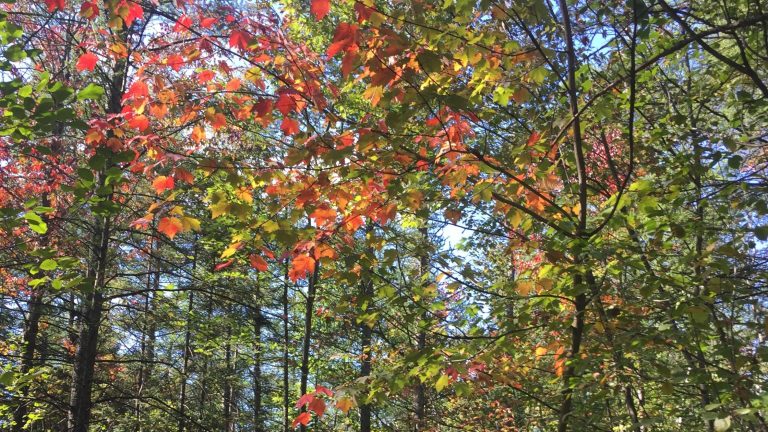
In fall, the crisp air and vibrant foliage of West Virginia’s mountains create a picturesque backdrop for outdoor adventures, with September, October, and November offering ideal conditions for hiking, fishing, and wildlife viewing.
Winter’s crisp air and serene landscapes offer unparalleled opportunities for wildlife enthusiasts to observe diverse species in their natural habitats, making December through February ideal for such adventures.
Top 3 Facts about Ballard Wildlife Management Area
During migration seasons, rare sightings of the endangered black-crowned night heron occur, showcasing unique behaviors such as nocturnal hunting, while the area is also home to endemic species like the elusive eastern box turtle, highlighting the region’s rich biodiversity and ecological significance.
In a unique phenomenon, some areas in the southeastern United States experience temperature inversions that can lead to localized frost pockets, where temperatures can drop significantly lower than surrounding regions, creating a microclimate that supports unusual plant species and affects local wildlife behavior.
Known for its unique trail names like “Hogback Hill” and “Coyote Crossing,” this area also has unusual rules banning motorized vehicles and alcohol, promoting a serene environment for wildlife observation and outdoor sports, including record-breaking birdwatching events that attract enthusiasts from afar.
Travel Tips
Plan Ahead
Planning ahead is essential for an enjoyable visit to this pristine nature haven. Check the weather forecast, prepare for varying trail conditions, and pack essentials like water, snacks, and a first-aid kit. Arriving early not only allows you to secure a good parking spot but also offers the chance to witness the area’s vibrant wildlife during their most active hours.
Pack Appropriately
When packing for your visit, include a sturdy pair of waterproof boots to navigate the diverse terrain, from marshy wetlands to rocky trails. Don’t forget a lightweight rain jacket; sudden showers can sweep through the region, transforming the landscape and wildlife activity, making the experience all the more vibrant and rewarding.
Respect Wildlife
When exploring this stunning wildlife haven, always observe animals from a distance to minimize stress on their natural behaviors. Keep noise to a minimum and avoid feeding wildlife, as human food can harm them. Remember to stay on marked trails to protect fragile habitats and ensure a safe experience for both you and the diverse species that call this area home.
Stay Informed
Before your visit, stay informed by checking local weather forecasts, current temperatures, and any fire bans or alerts. Know emergency contact information and ensure someone is aware of your destination and expected return time to enhance your safety and enjoyment during your outdoor adventure.
Accessibility & permits
Emergency

Planning a trip?
Tell us about your upcoming trip and how we can help!
Frequently Asked Questions
Ready to dive into what Ballard Wildlife Management Area has to offer? Let’s tackle some of the burning questions you might have as you plan your visit!
-
Ballard Wildlife Management Area (WMA) offers a variety of outdoor activities including birdwatching, wildlife observation, and photography, making it a great destination for nature enthusiasts. Visitors can explore the diverse habitats that support a wide range of wildlife species.
-
Camping is permitted in designated areas of Ballard WMA, providing a chance for visitors to immerse themselves in the natural surroundings. Ensure to check the specific regulations and guidelines for camping to ensure a safe and enjoyable experience.
-
Fishing opportunities at Ballard WMA are abundant, with access to several ponds and streams. Anglers can expect to catch species such as bass, catfish, and trout, making it a popular spot for both novice and experienced fishermen.
-
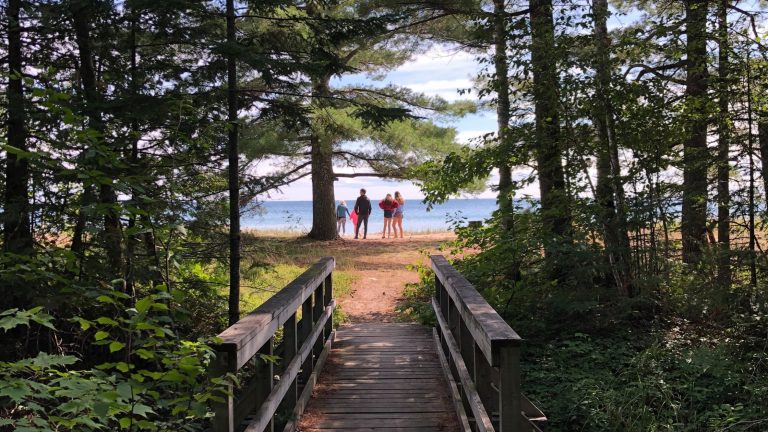
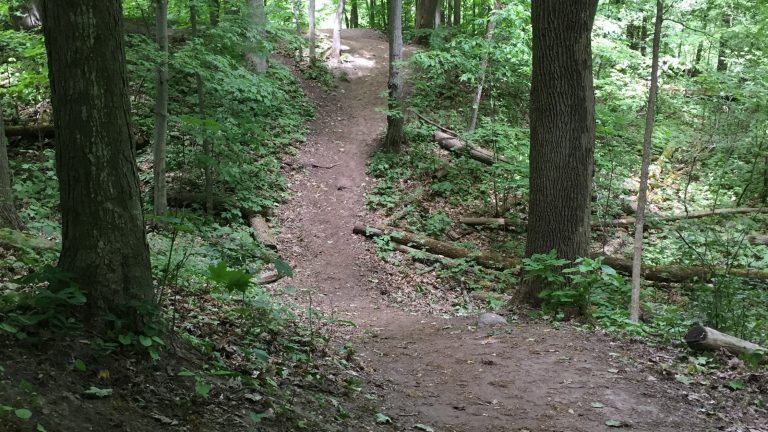
Yes, Ballard WMA features several hiking trails that wind through its scenic landscapes. These trails vary in difficulty, offering options for casual walkers and more experienced hikers alike, allowing for exploration of the area’s natural beauty.
-
Ballard WMA is home to a rich diversity of wildlife, including deer, wild turkeys, and various bird species. Visitors can enjoy observing these animals in their natural habitat, especially during dawn and dusk when they are most active.