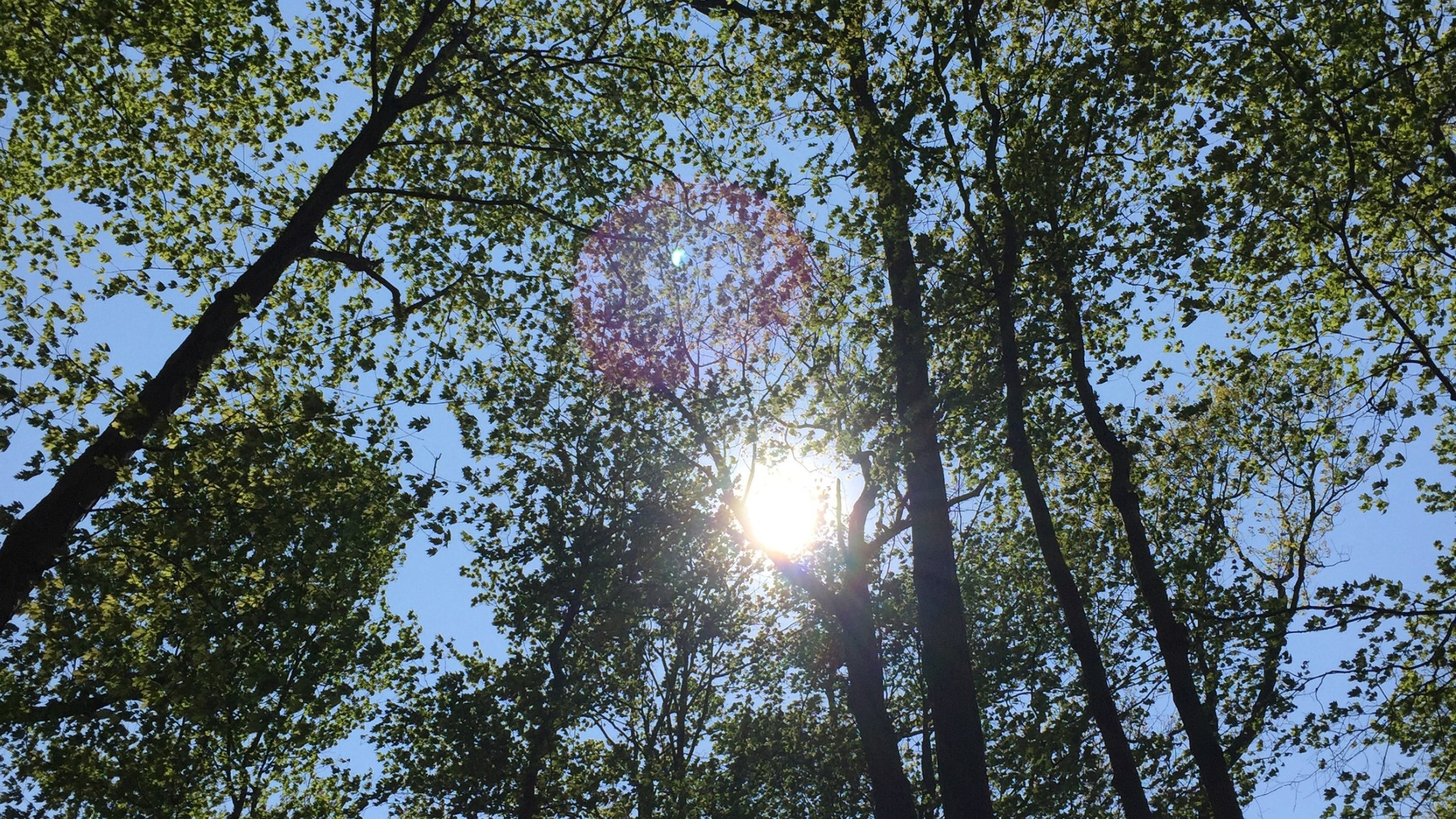
Discover the untamed beauty and diverse wildlife of Florida's hidden natural gem.























Discover the untamed beauty and diverse wildlife of Florida's hidden natural gem.
Big Cypress Wildlife Management Area in Florida offers an unparalleled escape into the heart of the Everglades. This vast expanse of subtropical wilderness invites adventurers to explore its diverse ecosystems, ranging from lush wetlands to towering cypress swamps. Each step into this vibrant landscape reveals a tapestry of life, where alligators glide through tranquil waters and herons stand sentinel in the shallows.
Visitors can embark on guided airboat tours, providing a thrilling way to traverse the expansive waterways while learning about the delicate balance of this unique habitat. For those seeking a more intimate experience, hiking trails wind through the park, leading to breathtaking vistas and opportunities for birdwatching. The area is a sanctuary for over 100 species of birds, making it a paradise for ornithologists and casual observers alike.
As the sun sets, the park transforms into a serene haven, with the sounds of nature creating a symphony of tranquility. Big Cypress Wildlife Management Area is not just a destination; it’s an invitation to connect with Florida’s wild heart.
Seasons
Spring’s mild temperatures and abundant wildlife make it an ideal season to explore the diverse ecosystems and scenic beauty of this expansive preserve.
Summer’s sultry embrace transforms the landscape into a lush haven, inviting adventurers to traverse its winding trails, paddle serene waterways, and witness the vibrant tapestry of wildlife in its natural splendor.
As autumn paints the landscape, cooler temperatures and reduced rainfall transform the area into a haven for wildlife enthusiasts, offering unparalleled opportunities for bird watching and alligator sightings.
Experience the allure of Florida’s wild side during the dry season when cooler temperatures and reduced rainfall create ideal conditions for hiking, wildlife viewing, and canoeing adventures.
Top 3 Facts about Big Cypress Wildlife Management Area
The area is home to the elusive Florida panther, a critically endangered species, and hosts remarkable migration events where hundreds of bird species, including the rare snail kite, flock to the wetlands, showcasing the region’s unique biodiversity and the intricate relationships within its ecosystems.
In this unique ecosystem, extreme temperature variations can occur, with recorded lows dipping below freezing in winter while summer highs soar above 95°F, creating diverse microclimates that support a rich array of wildlife and unusual storm-related phenomena such as sudden flooding and lightning strikes.
Known for its unique trails like “Hog Hammock” and unusual regulations banning certain motorized vehicles, this area also boasts records in wildlife observation, including the first documented sighting of rare species, making it a fascinating destination for outdoor enthusiasts seeking adventure and novelty.
Travel Tips
Plan Ahead
For an unforgettable adventure in Florida’s vast wetlands, plan ahead. Research seasonal wildlife migrations and weather patterns to maximize your experience. Arrive early to secure prime viewing spots, and pack essentials like water, sunscreen, and insect repellent. Consider guided tours for expert insights and to navigate the diverse ecosystems effectively, ensuring you make the most of your time in this natural paradise.
Pack Appropriately
When packing for your adventure in this unique Florida ecosystem, prioritize lightweight, moisture-wicking clothing to combat the heat and humidity. Don’t forget waterproof bags for your electronics and snacks, as sudden rain showers can occur. A good pair of waterproof boots will keep you comfortable while navigating the wet, marshy terrain, ensuring you can fully explore the diverse wildlife and stunning landscapes.
Respect Wildlife
When exploring this unique ecosystem, keep a respectful distance from all wildlife to ensure their safety and yours. Avoid feeding animals, as this disrupts their natural behaviors and diets. Stay on designated trails to protect delicate habitats, and remember to observe quietly; your patience may reward you with unforgettable wildlife encounters.
Stay Informed
Stay informed before your visit by checking the weather forecast, current temperatures, and any fire bans or notices. Know the emergency contact information and always tell someone your destination and expected return time to ensure a safe and enjoyable experience.
Accessibility & permits
Emergency

Planning a trip?
Tell us about your upcoming trip and how we can help!

Frequently Asked Questions
Ready to dive into what Big Cypress Wildlife Management Area has to offer? Let’s tackle some of the burning questions you might have as you plan your visit!
-
Big Cypress WMA operates from sunrise to sunset daily, providing ample time for visitors to explore the area.
-
Yes, camping is permitted in designated areas of Big Cypress WMA. Visitors can enjoy primitive camping, but reservations may be required for certain sites.
-
Big Cypress WMA is home to a diverse range of wildlife, including the endangered Florida panther, American alligators, various bird species, and unique reptiles. Visitors can also spot deer and numerous aquatic species.
-
Off-road vehicles are allowed in designated areas of Big Cypress WMA, but they must adhere to specific regulations to protect the environment. It’s essential to check local guidelines before venturing off-road.
-
To obtain permits for activities in Big Cypress WMA, visitors can apply online through the Florida Fish and Wildlife Conservation Commission’s website or visit the local office for assistance.