Discover breathtaking landscapes and diverse wildlife in this hidden natural gem.
Newest


Family-friendly
Pet-friendly
Discover breathtaking landscapes and diverse wildlife in this hidden natural gem.
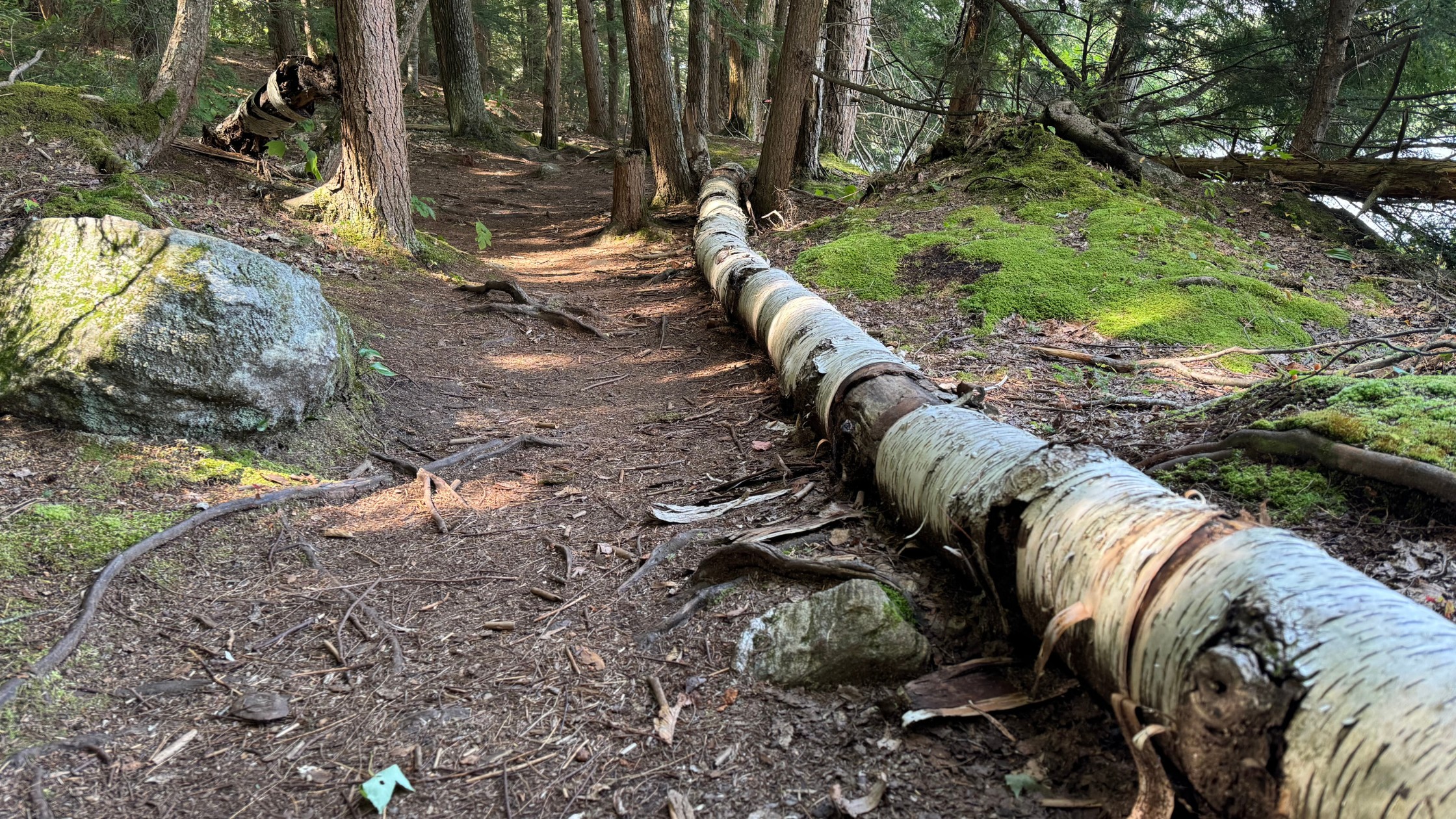
Cherokee Prairie Natural Area Wildlife Management Area in Arkansas offers an exquisite escape into nature’s untouched beauty. Spanning over 1,000 acres, this hidden gem showcases the rich biodiversity of the region. Visitors are greeted by expansive prairies, vibrant wildflowers, and a symphony of bird calls, making it a paradise for wildlife enthusiasts and photographers alike.
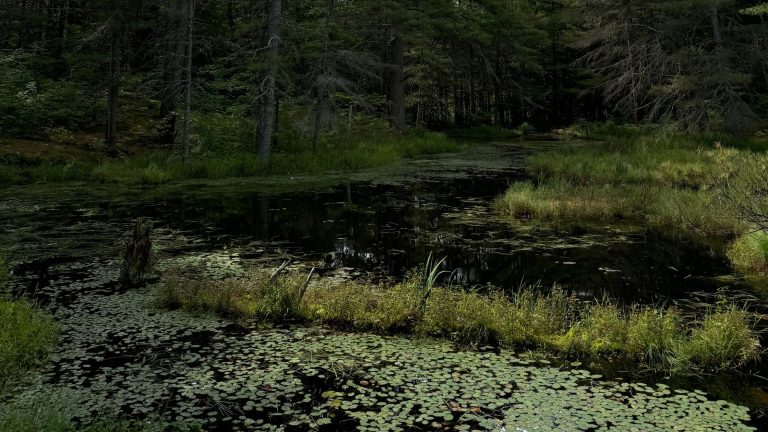
As you traverse the well-maintained trails, the landscape unfolds with stunning views of rolling hills and shimmering ponds. The area is home to a variety of species, including the elusive bobwhite quail and colorful songbirds, providing ample opportunities for birdwatching. Each season brings a new palette of colors, inviting guests to return and experience the ever-changing scenery.
Cherokee Prairie serves as a reminder of the importance of conservation, offering educational programs that highlight the delicate balance of ecosystems. Whether you seek solitude or adventure, this wildlife management area promises an enriching experience, drawing you into the heart of Arkansas’s natural wonders.
Seasons
In spring, the expansive tallgrass prairie bursts into a vibrant tapestry of wildflowers, offering a serene escape for nature enthusiasts seeking solitude and diverse birdwatching opportunities.
In the summer months, the 584-acre prairie bursts into a vibrant tapestry of wildflowers, offering unparalleled opportunities for nature enthusiasts to immerse themselves in its rich biodiversity.
In fall, the Arkansas Valley’s tallgrass prairies offer vibrant wildflower displays, abundant birdwatching opportunities, and a tranquil escape into nature’s seasonal transformation.
In winter, the area offers solitude and unique birdwatching opportunities, including sightings of short-eared owls and wintering Le Conte’s sparrows.
Top 3 Facts about Cherokee Prairie Natural Area Wildlife Management Area
During seasonal migrations, rare sightings of the endangered whooping crane can occur alongside the vibrant displays of native wildflowers, showcasing the unique interplay between flora and fauna, while endemic species like the ornate box turtle thrive in the diverse habitats of this ecological hotspot.
In this unique wildlife management area, the presence of diverse topography creates microclimates that can lead to sudden temperature shifts, where localized weather patterns may produce unexpected frost in summer, showcasing the intriguing interplay between geography and climate in shaping local ecosystems.
Known for its unique trail names like “The Crooked Path,” the area also prohibits loud music and motorized vehicles to maintain tranquility, while hosting record-breaking birdwatching events that attract enthusiasts eager to spot rare species in their natural habitat.
Travel Tips
Plan Ahead
When visiting this stunning wildlife management area, planning ahead is essential for a seamless experience. Check trail conditions and weather forecasts, pack plenty of water and snacks, and consider bringing binoculars for birdwatching. Arriving early not only helps you avoid crowds but also allows you to fully immerse yourself in the serene beauty of the landscape and its diverse wildlife.
Pack Appropriately
When packing for your visit, include lightweight, breathable clothing to adapt to the area’s humid subtropical climate, especially in summer. Don’t forget a sturdy pair of waterproof boots; the trails can become muddy after rain, and exploring the diverse ecosystems is best done with comfortable footwear that can handle wet conditions.
Respect Wildlife
When exploring this stunning wildlife management area, prioritize respecting the natural habitat and its inhabitants. Keep a safe distance from animals, refrain from feeding them, and stick to marked trails to minimize your impact. Observing wildlife in their natural setting enhances your experience while ensuring their safety and well-being.
Stay Informed
Before your visit, stay informed by checking the weather, temperatures, and any fire bans or notices. Make sure to know emergency contact information and tell someone your plans, including where you’re going and when you expect to return, to ensure a safe and enjoyable experience.
Accessibility & permits
Emergency

Planning a trip?
Tell us about your upcoming trip and how we can help!
Frequently Asked Questions
Ready to dive into what Cherokee Prairie Natural Area Wildlife Management Area has to offer? Let’s tackle some of the burning questions you might have as you plan your visit!
-
You can see a variety of wildlife at Cherokee Prairie Natural Area, including deer, wild turkeys, various songbirds, and numerous species of butterflies. The area is also home to unique flora, making it a great spot for birdwatching and nature photography.
-
Yes, Cherokee Prairie Natural Area features several hiking trails that wind through diverse habitats, allowing visitors to explore the scenic landscapes and observe wildlife. The trails vary in difficulty, catering to both casual walkers and more experienced hikers.
-
The best time to visit Cherokee Prairie Natural Area is during the spring and fall months when temperatures are mild, and wildlife activity is high. Spring offers blooming wildflowers, while fall showcases vibrant foliage and migratory birds.
-
Camping is not allowed at Cherokee Prairie Natural Area, as it is primarily a day-use area focused on wildlife observation and hiking. Visitors should plan to explore the area during daylight hours.
-
There are no fees to enter Cherokee Prairie Natural Area, making it an accessible destination for everyone looking to enjoy nature and outdoor activities.