Alaska's Backyard Wilderness at the Edge of Anchorage
Newest
Alaska's Backyard Wilderness at the Edge of Anchorage
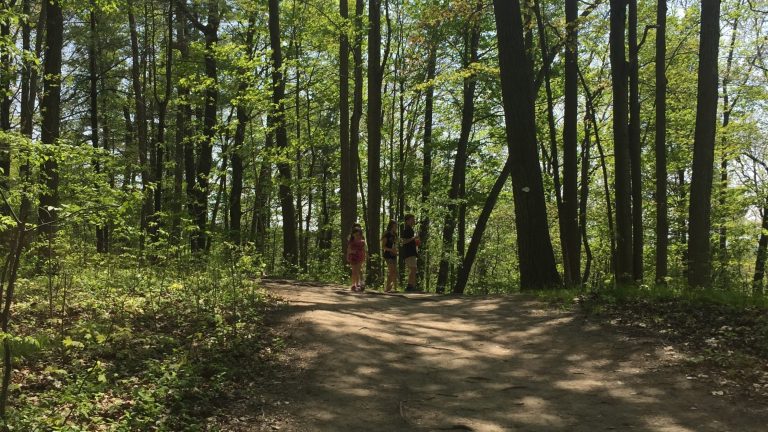
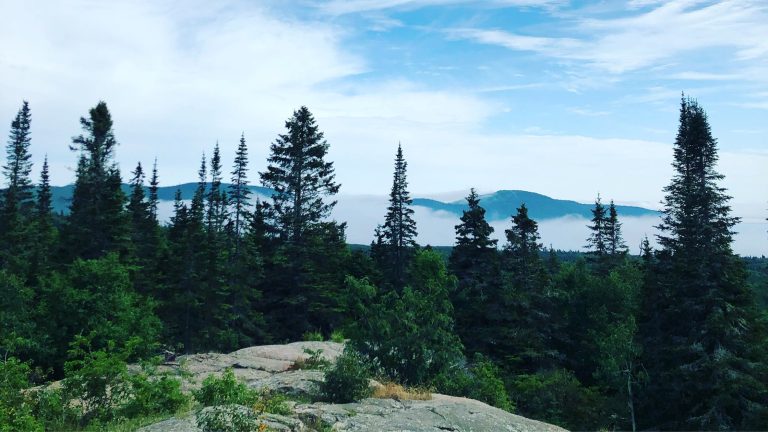
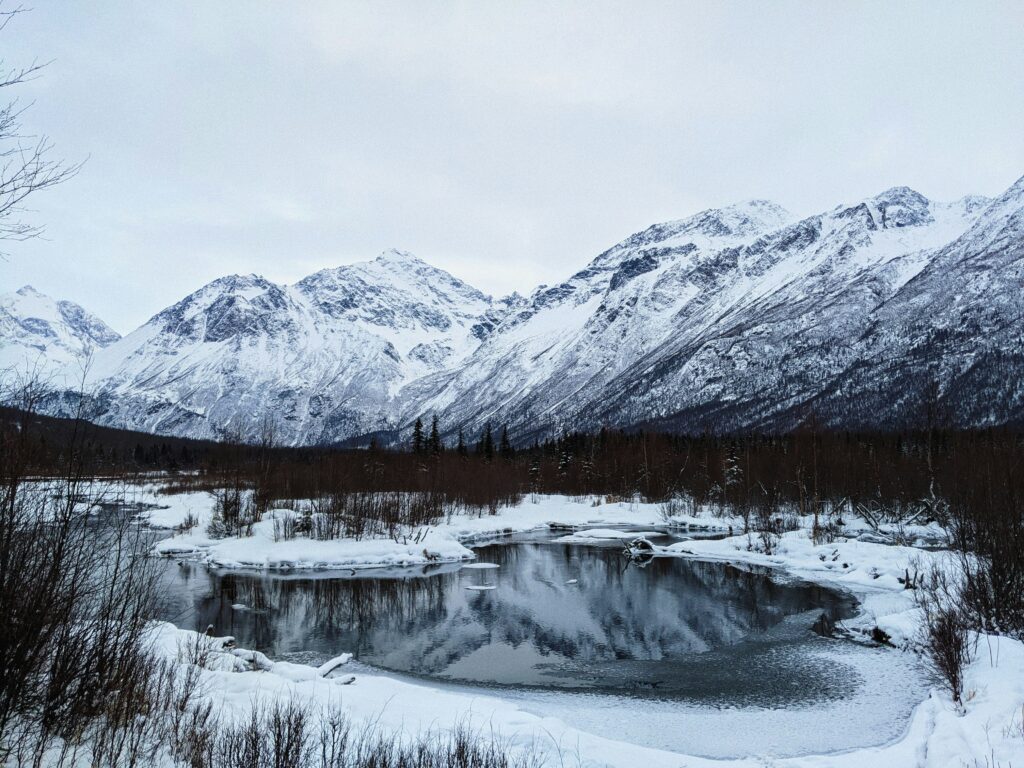
Anchorage earns its reputation as one of the most outdoors-friendly cities in North America partly because nearly 500,000 acres of genuine Alaskan wilderness begin where the suburbs end. Chugach State Park, the third-largest state park in the United States, rises from the foothills just seven miles east of downtown Anchorage, offering residents and visitors a seamless transition from city life to boreal forest, alpine tundra, and glacier-carved mountain valleys. Nothing else quite like it exists anywhere near a major city.
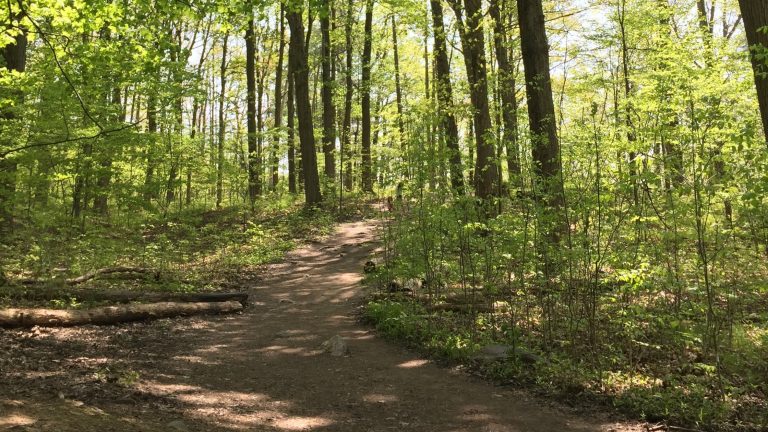
The park’s 280 miles of maintained trails spread across 16 trailheads covering terrain from a flat lakeside path at Eklutna Lake to demanding multi-day traverses across glaciated passes. Flattop Mountain, accessible from the Glen Alps Trailhead about 20 minutes from downtown, is considered the most frequently climbed peak in the entire state. The ascent takes a few hours and rewards hikers with sweeping views of Cook Inlet and the distant Alaska Range. At the other end of the scale, the Crow Pass Trail, a 28-mile route along a segment of the Historic Iditarod Trail, connects Eagle River to Girdwood through a mountain corridor used by people for thousands of years before it became a hiking route.
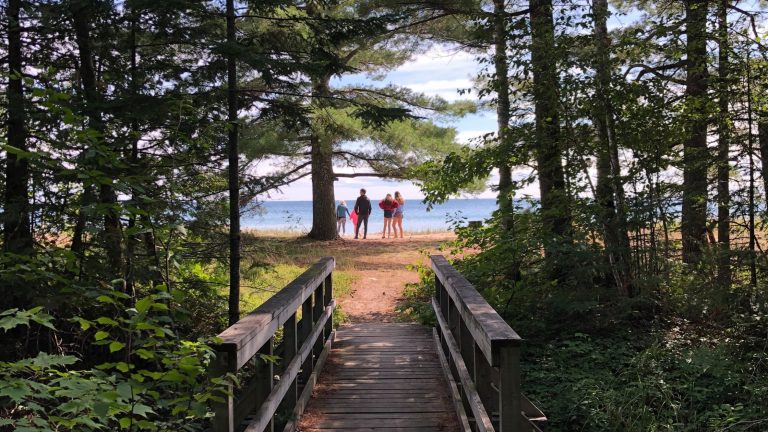
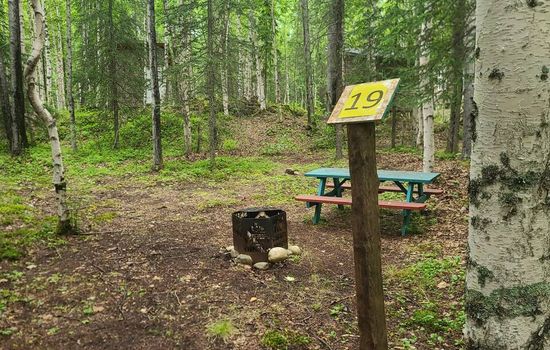
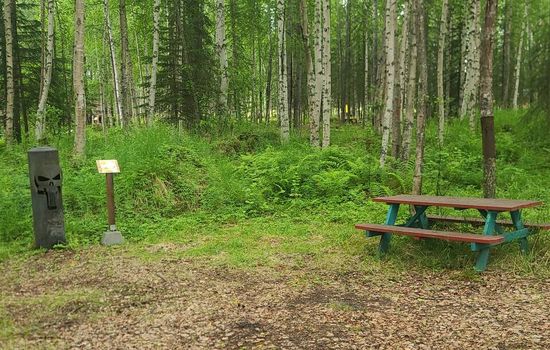
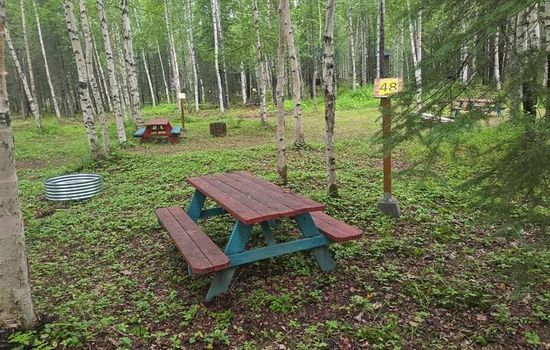
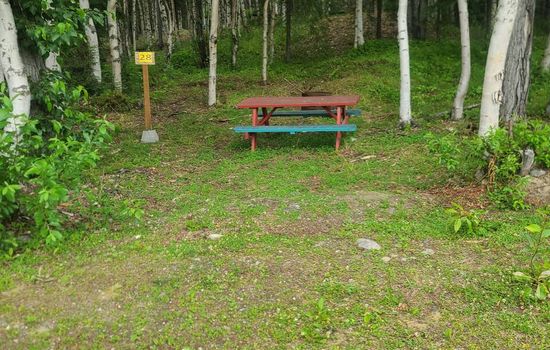
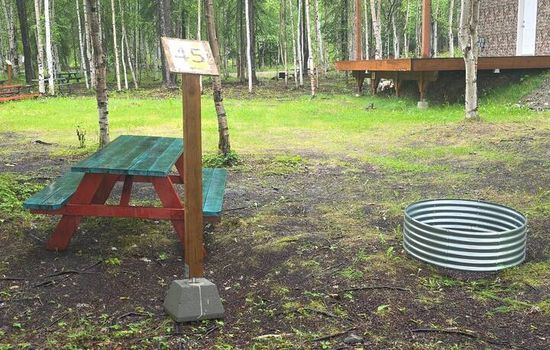
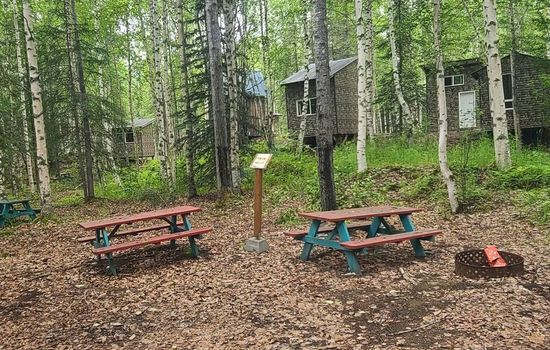
Eklutna Lake, a 7-mile-long glacial lake about 45 minutes from Anchorage, anchors the park’s northeast section with camping, mountain biking, kayaking, and four public-use cabins to reserve. Bike and kayak rentals are available at the lake in summer, making it one of the most complete family day-trip or overnight destinations in the region. The Eagle River Nature Center, in the park’s north section, offers interpretive programs, guided walks, yurts, and cabin rentals that put guests in immediate contact with a glacial river valley flanked by 3,000-foot cliffs.
Wildlife in Chugach is exceptional in variety and accessibility. Biologists estimate the park supports more than 1,000 moose, 40 brown bears, 80 black bears, and approximately 2,000 Dall sheep, with mountain goats, wolves, wolverines, and lynx also present. The Seward Highway south of Anchorage borders the park’s Turnagain Arm, where beluga whales appear seasonally and bore tides rank among the highest in North America.
Dogs are welcome on a leash throughout the park. For accommodations, Anchorage provides a full range from vacation rentals with mountain views to cozy cabins close to major trailheads. Girdwood, the ski village at the park’s southern edge, offers cabin-style rentals and luxury lodges with views of the surrounding peaks. Larger vacation homes in the greater Anchorage area comfortably sleep multi-generational groups, many with full kitchens, fire pits, and easy access to trailhead parking.
Check Alaska State Parks at dnr.alaska.gov/parks for trail conditions, campground availability, and cabin reservations. Book your accommodations for Chugach State Park.
Seasons
Trails begin to thaw, wildflowers bloom, and wildlife returns. Good for birding, hiking, and waterfall viewing. Conditions may be muddy at higher elevations.
Peak season with long daylight hours, lush landscapes, and endless hiking and biking. Lakes and trails are accessible; best time for general recreation.
Crisp air and colorful foliage. Wildlife sightings increase, and trails are quieter. A great time for photos and solitude.
Snow blankets the terrain—ideal for cross-country skiing, snowshoeing, and quiet winter hikes. Be avalanche-aware and prepared.
Top 3 Facts about Chugach State Park
Chugach State Park covers 495,204 acres, making it the third-largest state park in the United States. It forms the western end of the Chugach Mountain Range and begins just seven miles east of downtown Anchorage, giving nearly half of Alaska’s entire population direct access to some of the state’s most spectacular wilderness terrain.
Flattop Mountain, reached from the Glen Alps Trailhead in about 20 minutes from downtown Anchorage, is considered the most frequently climbed peak in Alaska. At 3,510 feet, it offers panoramic views of Cook Inlet, the Kenai Peninsula, and the Alaska Range on clear days, and the trail is manageable for most hikers with moderate fitness.
Turnagain Arm, the coastal waterway forming the southern boundary of Chugach State Park, has the second highest tidal range in North America after the Bay of Fundy. Bore tides, visible from several pullouts along the Seward Highway, can rise 40 feet and occasionally produce surfable waves ridden by kayakers and surfers.
Travel Tips
Plan Ahead
Chugach has no single entrance; access points span from Anchorage to Girdwood. Reserve cabins and yurts at Eagle River Nature Center at eagleriver.org and campgrounds at Eklutna Lake, Eagle River, and Bird Creek through reserveamerica.com well in advance for summer weekends. Check Alaska State Parks at dnr.alaska.gov/parks for trail conditions and current bear advisories before heading out.
Pack Appropriately
Pack layers for variable mountain weather that changes quickly even in midsummer. A waterproof jacket, sturdy waterproof hiking boots, insect repellent, and sun protection are essentials. Carry bear spray on all backcountry trails, particularly near salmon streams in late summer and fall. Binoculars are strongly recommended for Dall sheep and mountain goat viewing on high ridgelines.
Respect Wildlife
Brown bears and moose are common near trailheads and salmon streams. Maintain a minimum of 100 yards from bears. Carry and know how to use bear spray. Never approach moose, especially cows with calves in late spring and early summer. Keep dogs on a leash at all times. Salmon streams draw heavy bear activity in August and September; approach those areas with extra noise and caution.
Stay Informed
Check Alaska State Parks at dnr.alaska.gov/parks for trail closures, bear activity reports, and campground conditions before visiting. Monitor avalanche conditions through the Alaska Avalanche Center during winter and early spring. Turnagain Arm mudflats along the shoreline are dangerously sticky and can trap visitors during tidal floods; never walk on them and stay on designated viewing areas.
- Area (mi²)
- 774
- Annual visitors
- 1 500 000
- Established year
- 1970
Accessibility & permits
Emergency

Planning a trip?
Tell us about your upcoming trip and how we can help!