


Ohio's National Park: Waterfalls, Trails, and Canal History






Ohio's National Park: Waterfalls, Trails, and Canal History
Cuyahoga Valley National Park is proof that a national park does not need to be remote to be genuinely worth visiting. Tucked between Cleveland and Akron along the winding Cuyahoga River in northeastern Ohio, this 33,000-acre park attracted nearly 2.9 million visitors in 2023, making it one of the most-visited national parks in the country. That statistic reflects something important: people keep coming back, often from their own neighborhoods, because the park offers something different every season.
The Ohio and Erie Canal Towpath Trail is the park’s spine, a nearly flat, 21-mile multi-use path following the historic route of the canal built between 1825 and 1832 to connect Lake Erie to the Ohio River. Hikers, cyclists, and birders share the trail year-round. The Cuyahoga Valley Scenic Railroad, independently operated along the same corridor, allows visitors to board with bicycles and disembark at different stops, then ride back, making it a natural way to cover more of the park without shuttling cars.
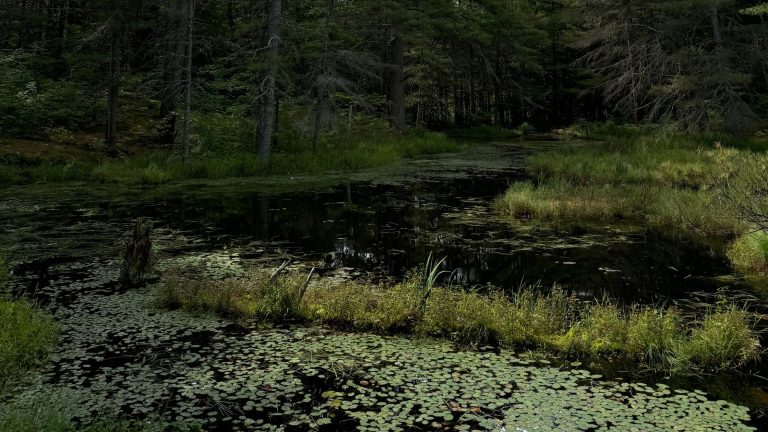
Brandywine Falls, at 65 feet the tallest waterfall in the park and the fourth-tallest in Ohio, draws consistent crowds throughout the year. The boardwalk trail reaches the falls in under a mile and provides close, accessible views of the cascade from multiple angles. For those willing to go farther, more than 125 miles of hiking trails wind through woodland, wetland, ravine, and meadow ecosystems. The Ledges Trail loops through striking rock outcrops and plateau views. Beaver Marsh, accessible from the Towpath, delivers reliable wildlife sightings including herons, beavers, turtles, and occasionally bald eagles nesting in the valley.
The park is unusually welcoming for families with varying needs. The Towpath and accessible trails suit strollers, wheelchairs, and visitors with mobility considerations. Three visitor centers, multiple ranger programs, and junior ranger activities keep younger visitors engaged. Dogs are permitted on leash on most trails except Ledges and a few others; confirm current rules at nps.gov/cuva before visiting with pets.
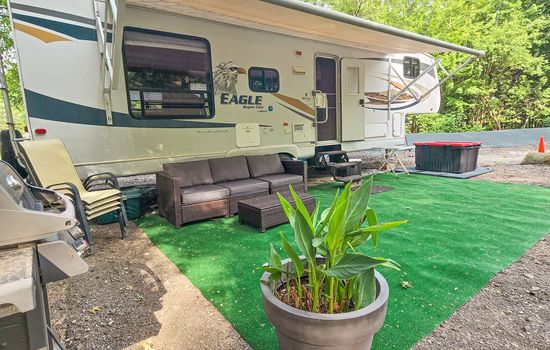
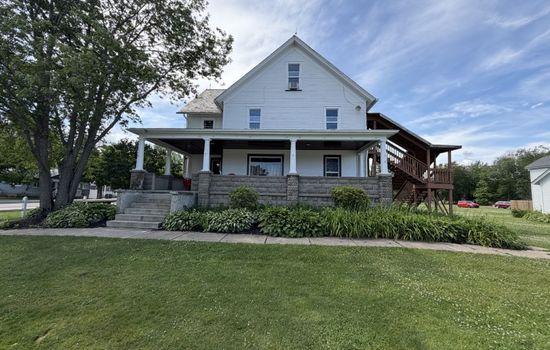
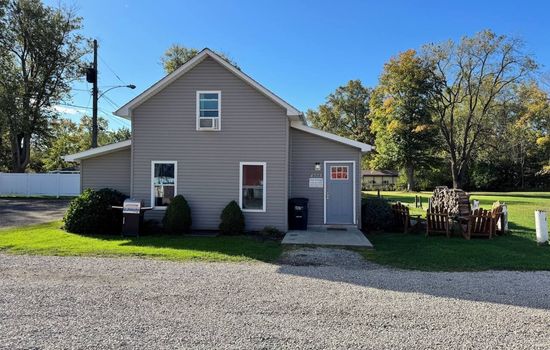
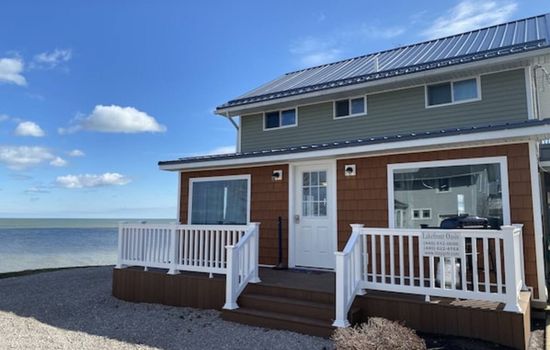
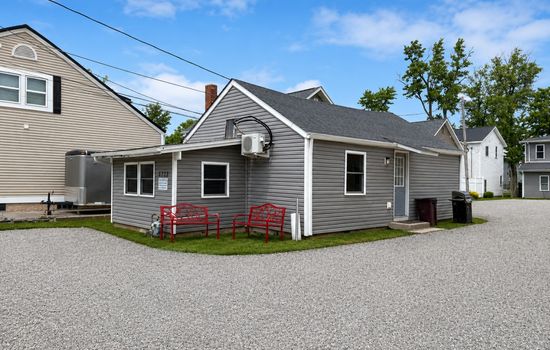
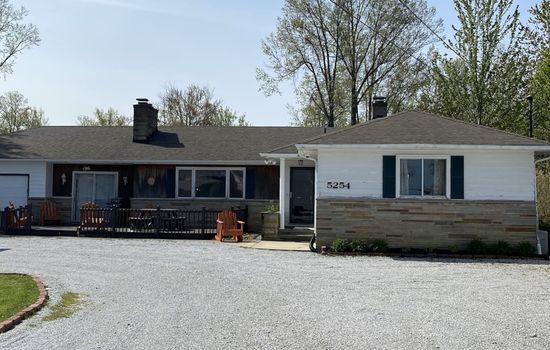
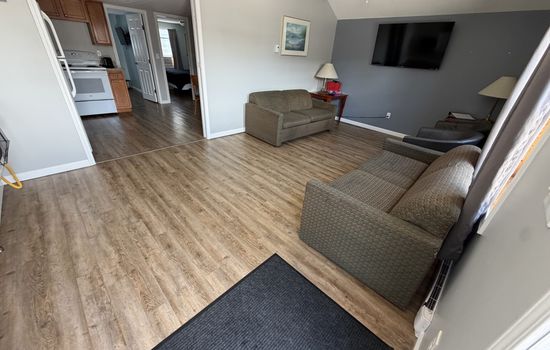
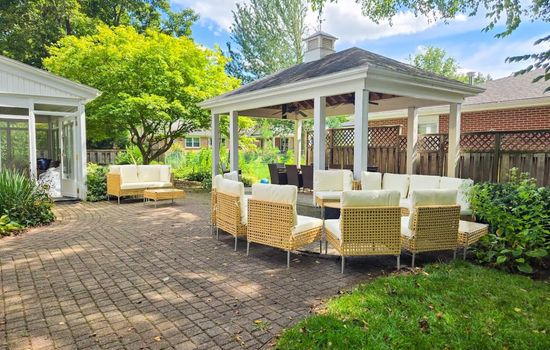
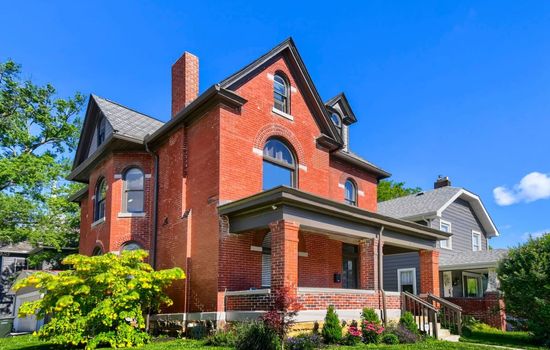
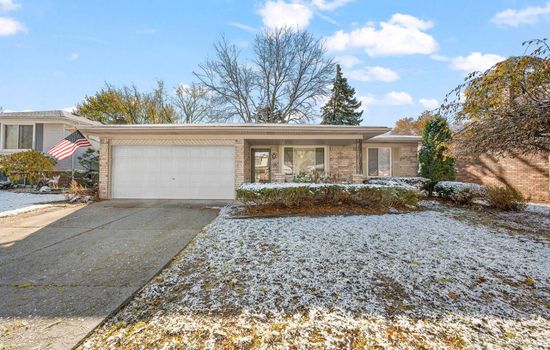
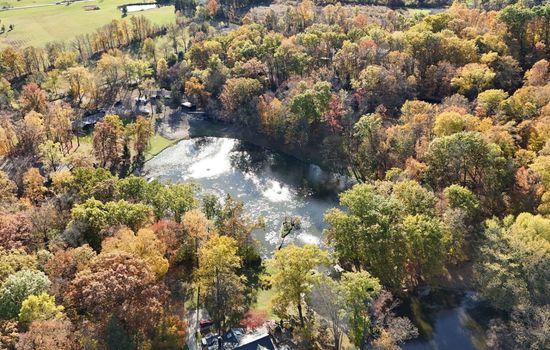
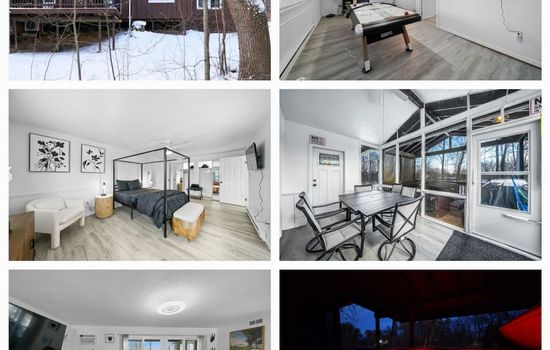
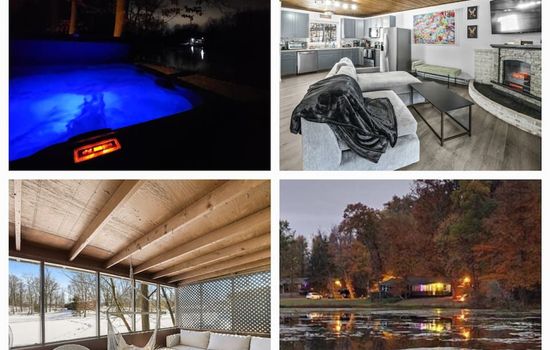
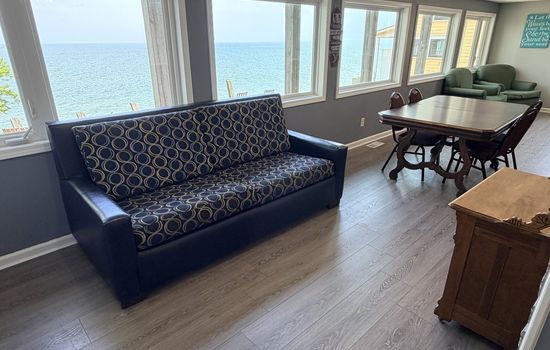
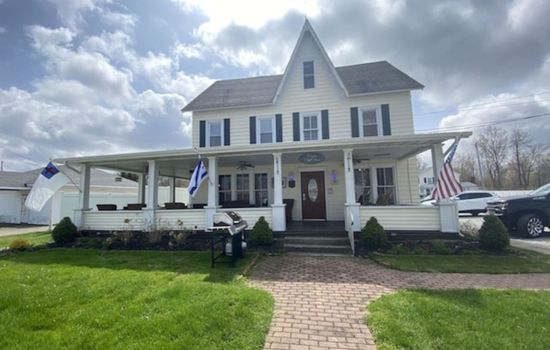
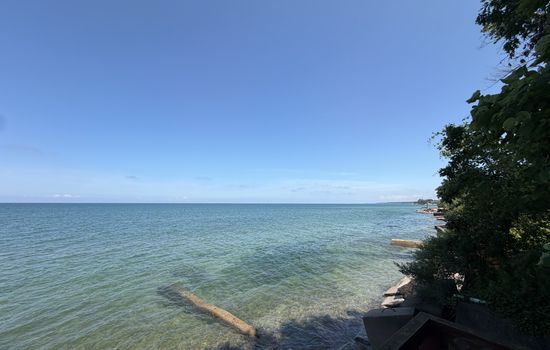
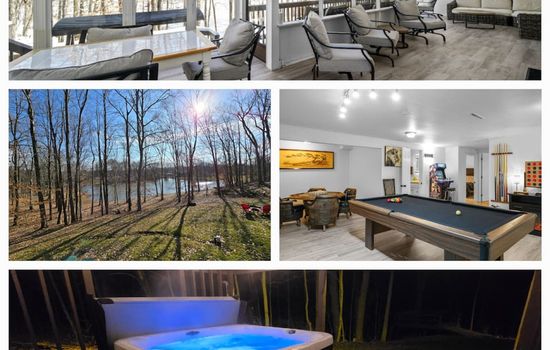
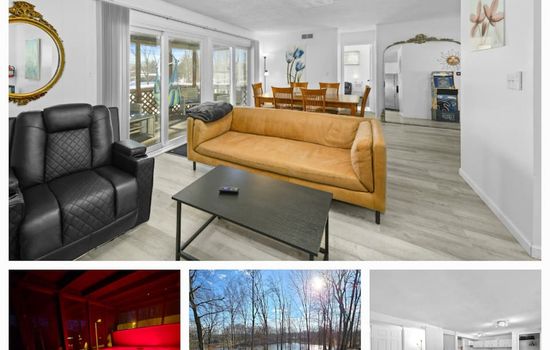
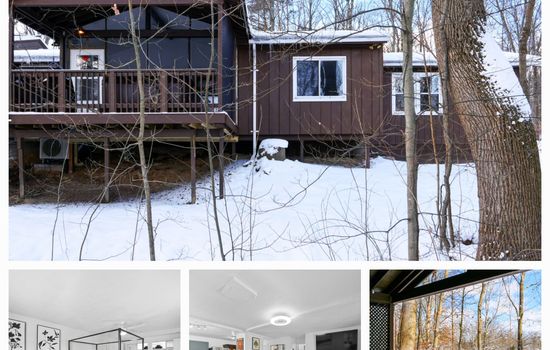
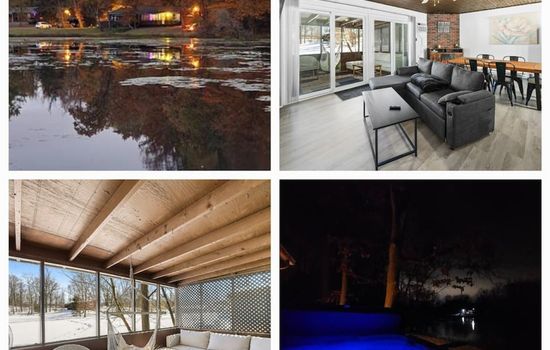
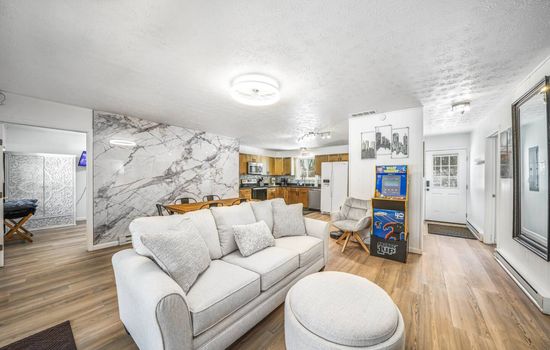
Because the park sits between two major metro areas, its surrounding communities offer a wide range of accommodation options. Peninsula, a charming small town inside the park boundary, offers inn-style lodging, dining, and outfitter access. Hudson, Bath, and Brecksville provide cozy vacation rentals and homes that sleep groups comfortably, with multiple bedrooms, full kitchens, fire pits, and easy access to trailheads. Several lakeside and waterfront properties near Cleveland’s south suburbs and the Cuyahoga River valley make excellent bases for multi-day visits.
Check nps.gov/cuva for current trail conditions, Scenic Railroad schedules, and ranger program listings. Book your accommodations for Cuyahoga Valley National Park.
Seasons
Mild temperatures and wildflowers; ideal for hiking, birding, and scenic walks.
Warm weather and long days perfect for hiking, kayaking, biking, and ranger-led programs.
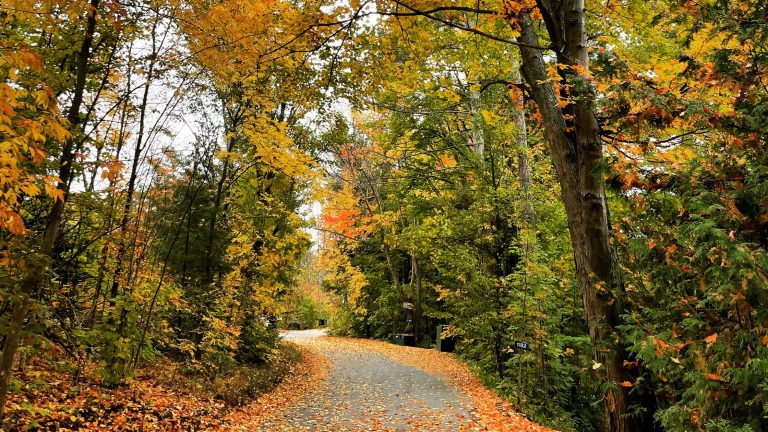
Stunning autumn foliage from late Sept to early Nov, ideal for hiking, photography, and harvest festivals.
Quiet snowy landscapes for cross-country skiing, snowshoeing, and frozen waterfall viewing.
Top 3 Facts about Cuyahoga Valley National Park
Cuyahoga Valley National Park was first designated as a national recreation area in 1974 and redesignated as Ohio’s only national park on October 11, 2000. It is one of the few national parks located entirely within a major metropolitan corridor, bordered by the suburban communities of greater Cleveland to the north and greater Akron to the south.
The Ohio and Erie Canal Towpath Trail follows the historic route of a canal built between 1825 and 1832 to connect the Ohio River at Portsmouth with Lake Erie at Cleveland, opening Ohio to the national economy. The towpath in the park spans nearly 21 miles, and continues as part of a regional trail network stretching nearly 70 miles continuously into Akron and beyond.
Brandywine Falls, the park’s most visited natural feature, drops 65 feet in a single cascade along Brandywine Creek near the village of Sagamore Hills. It is the tallest waterfall in the park and the fourth-tallest in Ohio. The accessible boardwalk trail to the falls is under one mile and suitable for most visitors, reaching multiple viewing angles above and below the falls.
Family programs
- Junior Ranger
- Ranger-led Tours
- Workshops & Hands-on Activities
- Living History & Cultural Demos
- Scavenger Hunts
- Family Camping & Overnight
- Arts & Crafts
- Water-based Adventures
Travel Tips
Plan Ahead
No entrance fee is required for Cuyahoga Valley National Park. Parking lots at popular trailheads including Brandywine Falls fill quickly on weekends and holidays, especially in fall foliage season; arrive by 9 a.m. to secure a spot. Cuyahoga Valley Scenic Railroad schedules and fares vary by season; check cvsr.com for current timetables. Confirm dog-friendly trail rules at nps.gov/cuva before visiting with pets.
Pack Appropriately
Ohio weather changes quickly; pack layers and a rain jacket for all seasons. Waterproof boots are useful in wet conditions on the Towpath Trail, which can flood after heavy rain. Bring a bike lock if cycling the Towpath to board the scenic railroad. Bug repellent is essential near Beaver Marsh and wetland areas in summer and early fall. Carry water, especially on longer inland trail loops where fountains may be seasonal.
Respect Wildlife
Bald eagles, great blue herons, beaver, white-tailed deer, foxes, and wild turkeys all inhabit the park. Maintain a respectful distance from all wildlife and never feed any animals. Keep dogs leashed at all times and away from wetland and meadow areas where ground-nesting birds may be present. The Cuyahoga River is recovering from decades of pollution; help protect it by disposing of all trash properly.
Stay Informed
Check nps.gov/cuva for current trail conditions, flooding alerts, and ranger program schedules. The Cuyahoga River can flood quickly after significant rainfall, closing sections of the Towpath. Construction, seasonal closures, and temporary trail restrictions are posted on the NPS website. Contact the Canal Exploration Center at 330-657-2752 for current visitor information.
- Area (mi²)
- 51
- Annual visitors
- 2 900 000
- Established year
- 2000
Accessibility & permits
Emergency

Planning a trip?
Tell us about your upcoming trip and how we can help!
Frequently Asked Questions
Ready to dive into what Cuyahoga Valley National Park has to offer? Let’s tackle some of the burning questions you might have as you plan your visit!
-
The closest major cities are Akron, Ohio, and Cleveland, Ohio, with Akron being about 14 miles away and Cleveland about 16 miles away.
-
The Ledges Trail is a highly recommended family-friendly hike, being a 2.2-mile moderate loop that passes through impressive rock formations, though toddlers and young children should be closely monitored due to big drops. It has a decently-sized parking lot and a reservable shelter, and the trail is connected to a larger network of trails if you want to extend your hike.
-
There is no specific information available indicating that dogs are allowed at the site. It is best to check with the National Park Service or the site’s visitor services for the most current rules and regulations. Generally, national historic sites have strict rules to protect the historical integrity of the area.
-
Parking is free at the park, but there are no designated spaces for RVs or trailers, and overnight parking is not allowed. Larger vehicles can use oversized vehicle spaces or large parking lots when available.
-
You can hike the Ledges Trail, visit Brandywine Falls and the Everett Covered Bridge, and see Blue Hen Falls. Stop by Beaver Marsh to spot wildlife and consider a ride on the Cuyahoga Valley Scenic Railroad. You can also explore the park’s Visitor Center and enjoy the scenic views around Kendall Lake.