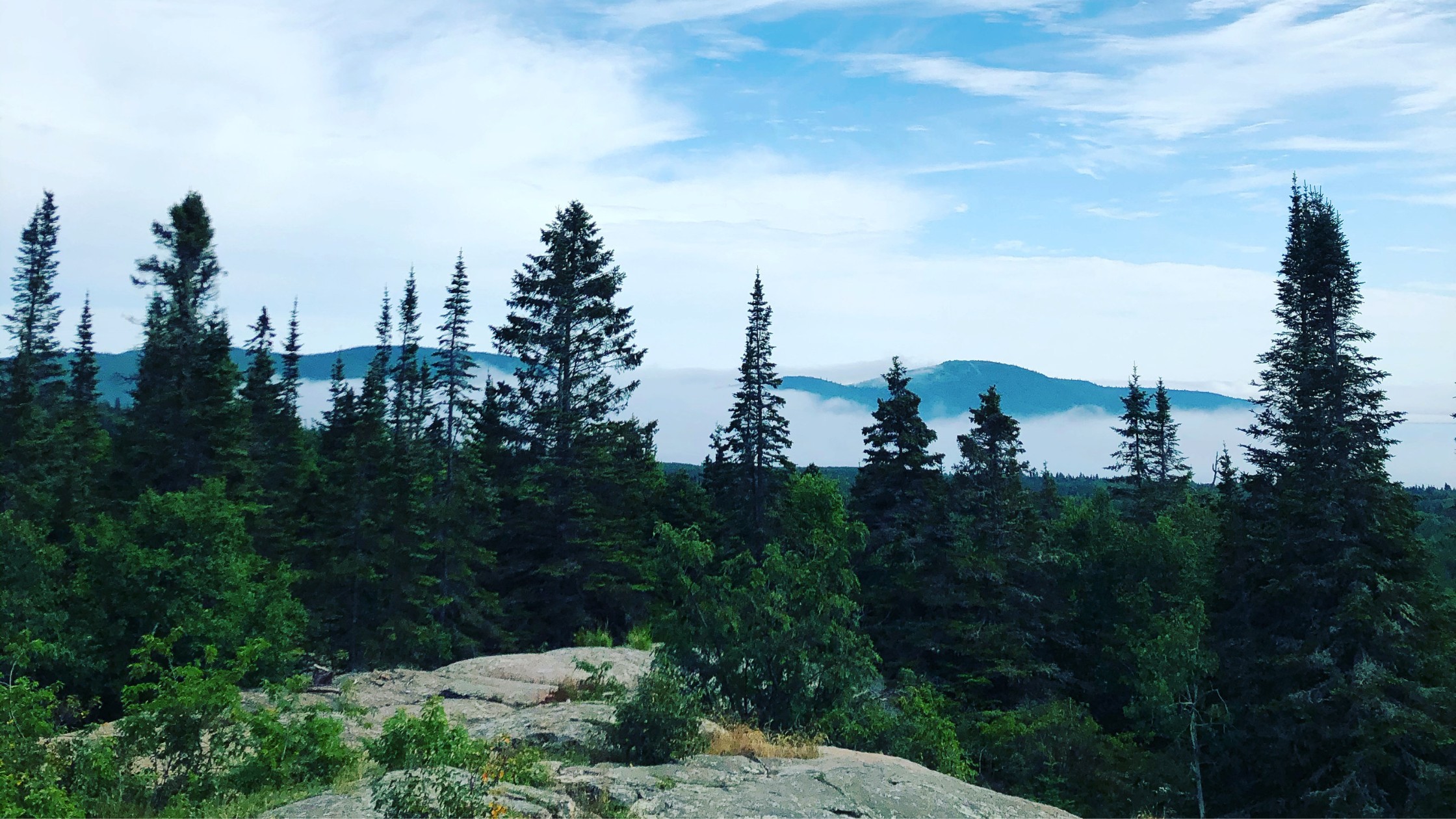
Discover the rich history and breathtaking landscapes of Nebraska's hidden gem.
Discover the rich history and breathtaking landscapes of Nebraska's hidden gem.
Fort Kearney State Historical Park stands as a testament to Nebraska’s rich frontier history, inviting travelers to step back in time. This meticulously preserved site, once a vital outpost on the Oregon and California Trails, offers an immersive experience that captivates history enthusiasts and casual visitors alike. As you stroll through the park, the echoes of the 19th-century pioneers resonate, making each step a journey through America’s past.
Visitors can explore the reconstructed fort, which showcases original buildings and artifacts that bring the stories of early settlers to life. Guided tours provide insight into the daily operations of the fort and its strategic importance during the westward expansion. The park’s expansive grounds offer picturesque views of the surrounding landscapes, perfect for leisurely walks or picnics under the Nebraska sky.
Fort Kearney State Historical Park not only serves as a gateway to the past but also as a serene escape from the modern world. Its blend of history and natural beauty creates an enriching experience, making it a must-visit destination for those seeking a unique slice of Americana.
Seasons
In spring, the park’s reconstructed buildings and scenic trails offer a captivating glimpse into Nebraska’s rich history, making it an ideal destination for history enthusiasts and nature lovers alike.
Experience the rich history of this 1848 fort through living history demonstrations and explore reconstructed buildings during the summer months when the park hosts special events and activities.
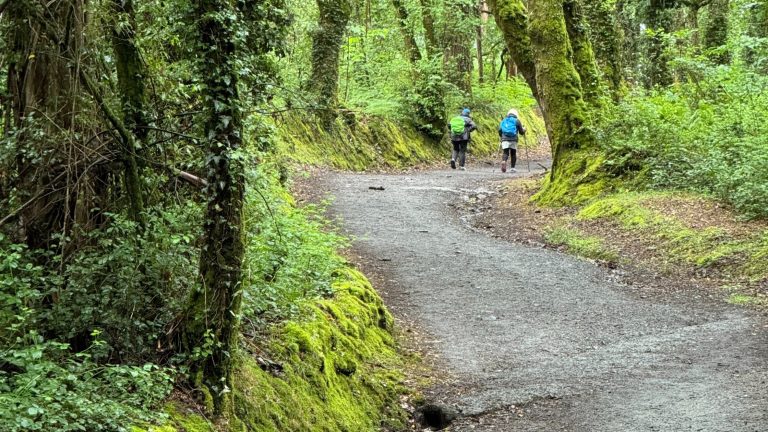
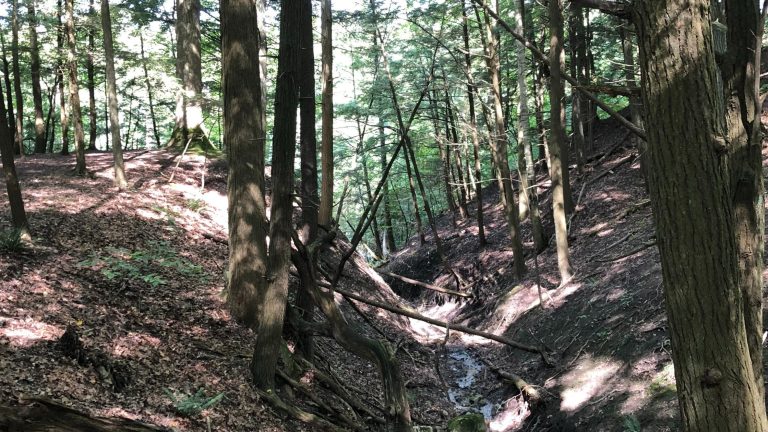
In autumn, the park’s vibrant foliage and crisp air invite exploration of its historic grounds, offering a serene backdrop for hiking, biking, and engaging in living history events.
Experience the serene beauty of Nebraska’s winter landscape with snow-dusted trails and historic reenactments, offering a peaceful retreat from the bustling holiday season.
Top 3 Facts about Fort Kearney State Historical Park
During peak migration seasons, unique bird species, such as the endangered whooping crane, can be spotted gathering in remarkable numbers, showcasing the area’s critical role as a habitat for migratory wildlife and highlighting the importance of conservation efforts for these rare and fascinating creatures.
In Nebraska, a unique phenomenon occurs where the convergence of warm and cold air masses can create sudden temperature drops of over 30 degrees Fahrenheit within minutes, leading to unpredictable weather patterns that can transform sunny days into severe storms almost instantaneously.
Known for its rich history, the park features the bizarrely named “Dead Man’s Run” trail, while its unusual rules prohibit metal detecting and drone flying, ensuring the preservation of historical artifacts and the natural landscape, making it a unique destination for outdoor enthusiasts.
Travel Tips
Plan Ahead
To make the most of your visit, plan ahead by checking the weather and park hours, as conditions can change rapidly. Consider packing a picnic to enjoy at one of the scenic spots, and don’t forget your camera to capture the stunning landscapes and historical markers that tell the story of this iconic location.
Pack Appropriately
When packing for your visit, consider including a pair of binoculars; the park’s expansive plains offer excellent opportunities for birdwatching, especially during migration seasons. Additionally, lightweight layers are essential, as temperatures can fluctuate dramatically throughout the day, ensuring you stay comfortable while exploring the rich history and stunning landscapes of Nebraska.
Respect Wildlife
When exploring this historic site, prioritize wildlife respect by keeping a safe distance from animals and refraining from feeding them. Observe their natural behaviors quietly and avoid loud noises that could disturb their habitat. Carry binoculars for a closer look while ensuring you leave no trace behind, allowing future visitors to enjoy the same breathtaking encounters.
Stay Informed
Stay informed before your visit by checking the weather forecast, current temperatures, and any fire bans or notices. Always share your plans with someone, including your destination and expected return time, and keep emergency contact information handy. Being prepared ensures a safe and enjoyable experience.
Accessibility & permits
Emergency

Planning a trip?
Tell us about your upcoming trip and how we can help!
Frequently Asked Questions
Ready to dive into what Fort Kearney State Historical Park has to offer? Let’s tackle some of the burning questions you might have as you plan your visit!
-
Fort Kearny’s operating hours are from 8:00 AM to 5:00 PM daily, with extended hours during the summer months.
-
Camping is available at Fort Kearny, offering both tent and RV sites with basic amenities such as restrooms and picnic areas.
-
The best time to visit Fort Kearny is during the spring and fall when the weather is mild, and the natural scenery is at its most vibrant.
-
Pets are allowed in the park but must be kept on a leash and cleaned up after.
-
Activities offered at Fort Kearny include hiking, historical tours, interpretive programs, and fishing in nearby waters.