Discover breathtaking landscapes and rich history nestled in Minnesota's stunning natural oasis.







Discover breathtaking landscapes and rich history nestled in Minnesota's stunning natural oasis.
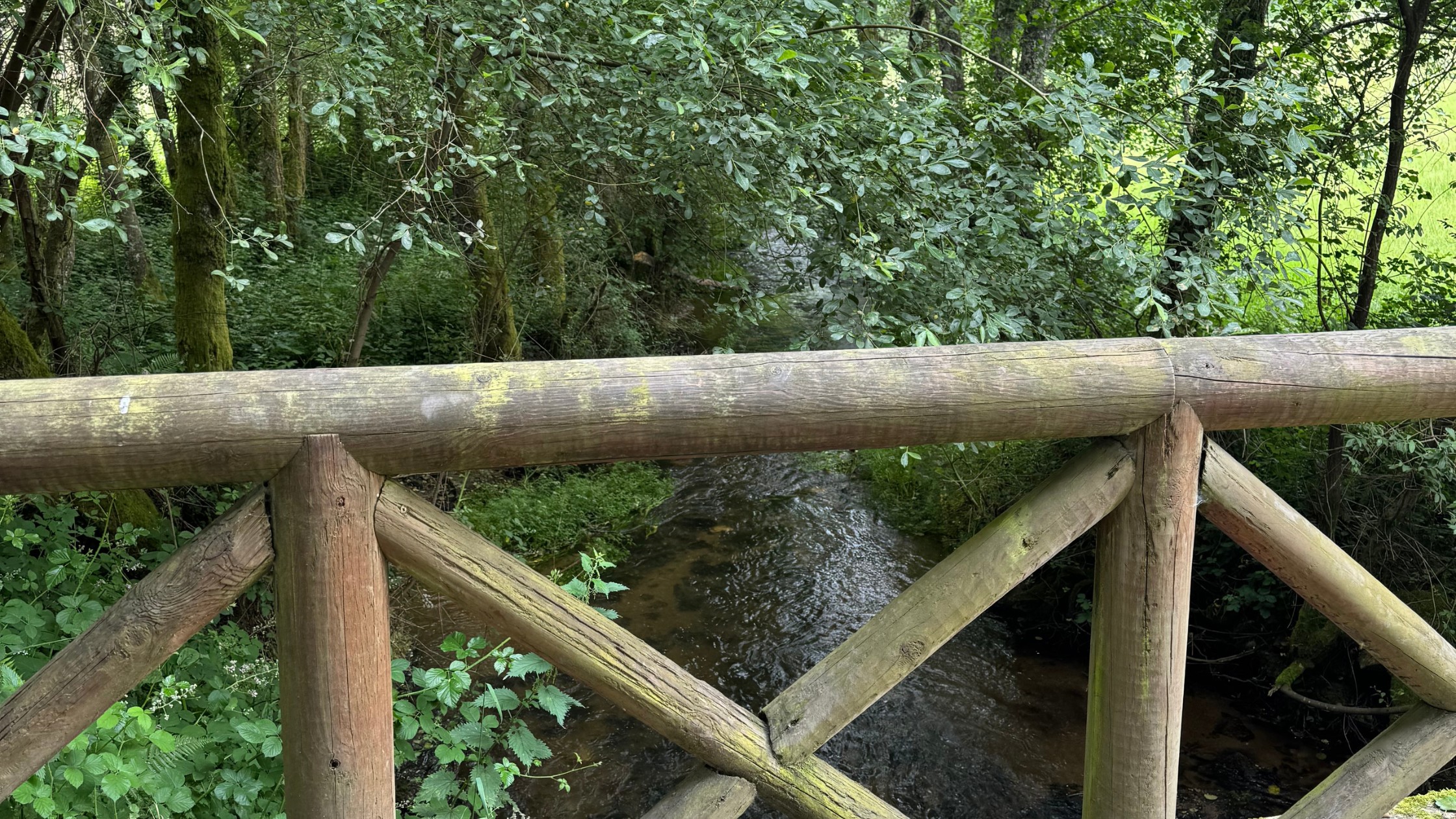
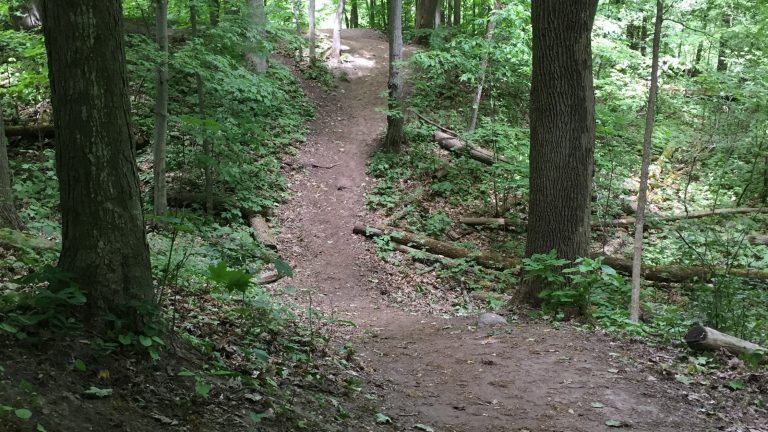
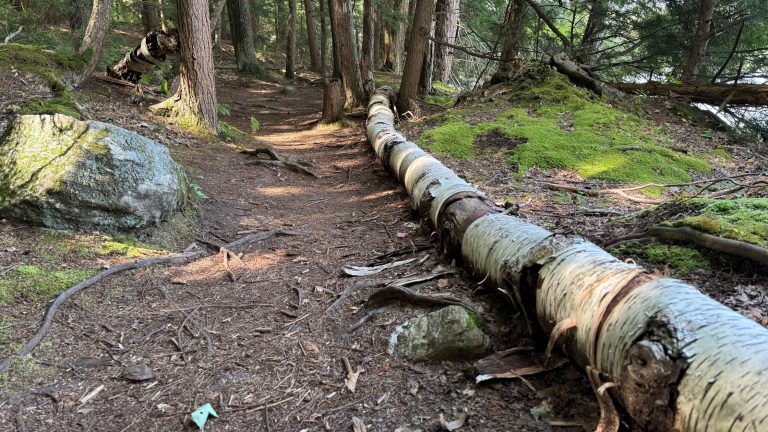
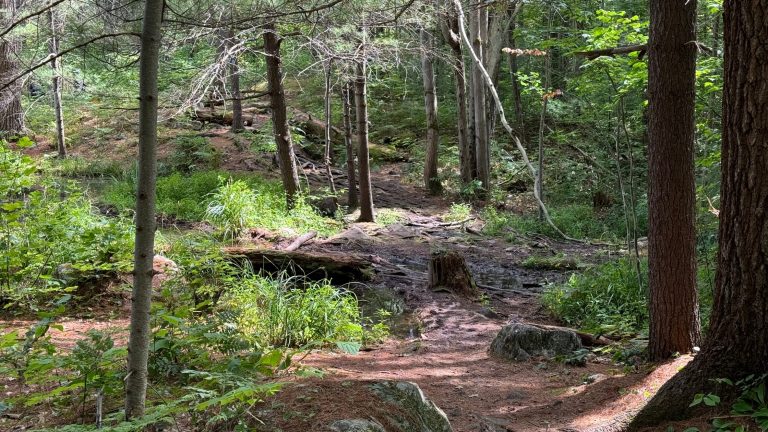
Fort Snelling State Park, a gem in Minnesota, invites travelers to immerse themselves in the rich tapestry of history and nature. This stunning park, located at the confluence of the Minnesota and Mississippi Rivers, boasts scenic vistas and a wealth of outdoor activities. Visitors can explore the expansive trails that wind through lush forests, offering a perfect backdrop for hiking, biking, and birdwatching.
The park’s historical significance is palpable, with the iconic Fort Snelling standing as a testament to the region’s storied past. Guests can engage in guided tours that illuminate the fort’s role in American history, enhancing their appreciation for the landscape that surrounds them. The park also features picnic areas, ideal for savoring a gourmet lunch amidst nature’s beauty.
As the seasons change, Fort Snelling State Park transforms, showcasing vibrant fall foliage and winter’s serene snow blanket. Each visit promises a unique experience, making it a must-see destination for discerning travelers seeking both adventure and tranquility.
Seasons
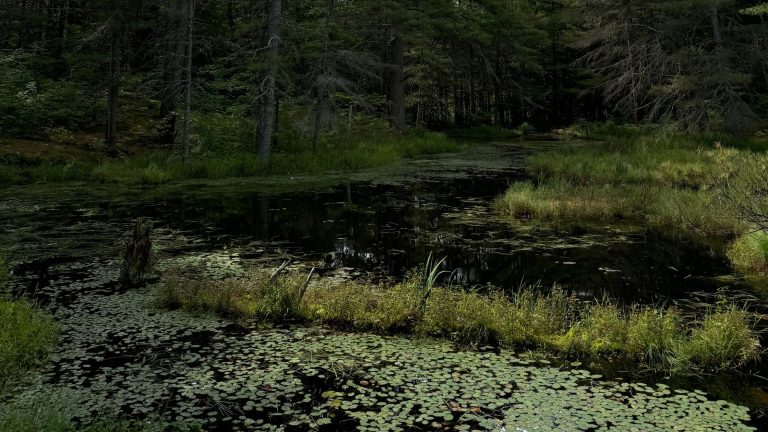
Spring’s arrival transforms the park into a vibrant tapestry of blooming flora and active wildlife, offering an idyllic setting for outdoor enthusiasts to explore its diverse trails and waterways.
In summer, the park’s 18 miles of hiking trails, 5 miles of paved bike paths, and Snelling Lake’s swimming beach offer a refreshing escape from city life.
In September, October, and November, the park’s 18 miles of hiking trails offer serene walks through vibrant forests, providing a peaceful escape from urban life.
Embrace the serene beauty of winter’s embrace as you traverse 12 miles of groomed cross-country ski trails and 6 miles of multi-use paths, all set against the tranquil backdrop of snow-covered landscapes.
Top 3 Facts about Fort Snelling State Park
During seasonal migrations, rare species like the endangered piping plover can be spotted, while unusual sightings of the elusive river otter and the vibrant painted turtle add to the park’s biodiversity, showcasing the unique interplay of flora and fauna in this remarkable ecosystem.
An intriguing phenomenon occurs when warm, moist air from the Mississippi River meets cold air from surrounding bluffs, creating unique microclimates that can lead to sudden temperature changes and localized weather events, making the area a fascinating study for meteorologists and nature enthusiasts alike.
Known for its unique trails like the “Muddy Waters” route, this location has hosted several firsts in outdoor sports, including Minnesota’s inaugural canoe races, while unusual rules prohibit certain activities like camping and open fires, ensuring a safe and enjoyable experience for all visitors.
Travel Tips
Plan Ahead
To fully enjoy your visit, plan ahead by checking the weather and trail conditions, as they can vary significantly. Arrive early to secure parking and consider packing a picnic to savor amidst the stunning natural scenery. Don’t forget to bring a map, as the expansive trails offer many hidden gems waiting to be discovered.
Pack Appropriately
When preparing for your visit, pack a lightweight, waterproof jacket, as Minnesota’s weather can shift unexpectedly, especially near the confluence of the rivers. Consider bringing a pair of binoculars for birdwatching; the park is a haven for migratory species, and spotting them adds a delightful layer to your outdoor adventure.
Respect Wildlife
When exploring this beautiful natural area, always respect the local wildlife by observing from a distance and never feeding the animals. Keep your dog leashed to protect both pets and native species, and stick to marked trails to minimize your impact on their habitats. This ensures a safe and enjoyable experience for both visitors and the diverse wildlife that calls this region home.
Stay Informed
Before your visit, check the weather forecast, including temperatures and any fire bans or notices. Ensure you know emergency contact information and inform someone of your destination and expected return time to stay safe and prepared.
Accessibility & permits
Emergency

Planning a trip?
Tell us about your upcoming trip and how we can help!
Frequently Asked Questions
Ready to dive into what Fort Snelling State Park has to offer? Let’s tackle some of the burning questions you might have as you plan your visit!
-
The park’s operating hours are typically from 8:00 AM to 10:00 PM daily, but it’s recommended to check the official website for seasonal variations and updates.
-
Yes, camping is available at Fort Snelling State Park, offering tent and RV sites with modern amenities. Reservations are recommended, especially during peak seasons.
-
Pets are allowed in the park but must be kept on a leash and cleaned up after. Certain areas may have restrictions, so it’s best to check signage.
-
Activities available at the park include hiking, biking, fishing, and birdwatching, as well as historical tours and interpretive programs throughout the year.
-
Yes, there is a visitor center at the park, which provides information on park activities, maps, and exhibits about the area’s history and ecology.