


Calving Glaciers, Humpback Whales, and Wild Alaska Coastline by Boat
Calving Glaciers, Humpback Whales, and Wild Alaska Coastline by Boat
In the southeast corner of Alaska, where the Gulf of Alaska meets the Inside Passage, a bay that was almost entirely encased in a single massive glacier as recently as 250 years ago has opened into one of the most dynamic tidewater glacier landscapes on Earth. Glacier Bay National Park and Preserve encompasses 3.3 million acres of rugged mountains, receding glaciers, temperate rainforest, wild coastline, and sheltered fjords, all of which form Homeland for the Huna and Yakutat Tlingit peoples. The park was originally proclaimed a national monument in 1925 and redesignated as a national park and preserve in 1980. It is a UNESCO World Heritage Site and part of a 25-million-acre transboundary protected area that also includes Wrangell-St. Elias, Kluane, and Tatshenshini-Alsek parks. In 2023, the park set a new visitation record, welcoming 703,659 visitors, the overwhelming majority arriving by cruise ship.
The park has no entrance fee and no roads leading to it. Access is exclusively by air or sea. Small planes fly daily from Juneau to the village of Gustavus, a 30-minute flight, and a twice-weekly Alaska Marine Highway ferry connects Juneau to Gustavus via Hoonah. From Gustavus, the park’s Bartlett Cove headquarters is 10 miles by road. This access structure means the experience is defined by water. Cruise ships, tour boats, charter vessels, and sea kayaks are the way the park is actually experienced, traveling 65 miles up the bay’s branching arms past tidewater glaciers, iceberg fields, and shoreline habitats rich with wildlife. Day tour boats from Bartlett Cove run daily in summer, carrying visitors up to Margerie Glacier and other active calving faces. Sea kayaking, guided by licensed outfitters or independently from the Visitor Information Station at Bartlett Cove, is the most intimate way to explore the bay’s coves and inlets.
Wildlife in and around the bay is extraordinary. Humpback whales feed in the nutrient-rich waters and are frequently seen breaching and lunge-feeding from tour boats. Orcas, porpoises, harbor seals, Steller sea lions, and sea otters inhabit the bay. Brown and black bears forage along the shoreline; mountain goats cling to cliff faces; wolves, moose, and bald eagles are regularly observed. Puffins and a range of seabirds nest in the coastal zone.
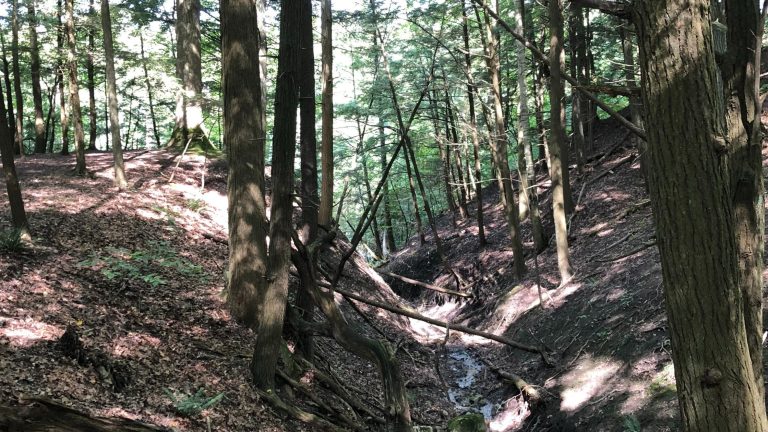
The most accessible land-based experience is at Bartlett Cove, where a 1.3-kilometre trail through old-growth temperate rainforest leads to the beach, and ranger programs run daily in summer. The Glacier Bay Lodge, a 48-room inn inside the park at Bartlett Cove, is the only lodging within the park boundaries and is open from late May through Labor Day. Gustavus, 10 miles away, offers a small collection of inns, guesthouses, and cozy vacation rental properties, some with beautiful views toward the mountains. For families or groups who want a full kitchen and more space, properties in Gustavus give guests a comfortable and relaxing base for daily boat tours and kayaking. Book your accommodations near Glacier Bay National Park and Preserve through Lake.com.
Seasons
In spring, witness bears emerging from dens and mountain goats descending to lower elevations. March brings Steller sea lions feasting on herring and killer whales in shallow waters. Mild temperatures (40s-50s°F) and cool, moist air make for ideal wildlife viewing amidst blooming greenery.
Summer brings mild temperatures (40s-60s°F) and long days to this Alaskan paradise. Join evening Ranger Programs, such as the orca and glacier talks, and embark on kayaking, hiking, or the 8-hour Day Tour to witness majestic tidewater glaciers and abundant wildlife. Ideal for outdoor enthusiasts.
Experience autumn’s serene beauty from September to December, with temperatures ranging from 36°F to 50°F. Witness black and brown bears foraging before hibernation and vibrant fall foliage giving way to winter’s snow. Ideal for quiet solitude and nature’s transitions.[@3][@4]
Witness winter’s serene beauty from December to February, with temperatures ranging from 25 to 40°F. Mild winters and moist air create a unique landscape, but be prepared for rain and potential hypothermia. A true adventure for the intrepid traveler.
Top 3 Facts about Glacier Bay National Park and Preserve
Glacier Bay National Park and Preserve covers 3.3 million acres of southeast Alaska and was originally proclaimed a national monument in 1925 before being redesignated as a national park and preserve in 1980. As recently as 250 years ago, the entire bay was covered by a single massive glacier more than 4,000 feet thick and 20 miles wide. Since then the glacier has retreated approximately 65 miles, leaving behind a 65-mile-long fjord system with 20 separate glaciers, including tidewater glaciers that actively calve icebergs into the bay. The park is part of a 25-million-acre UNESCO World Heritage Site.
There are no roads to Glacier Bay National Park and Preserve; access is exclusively by air or sea. Small planes fly daily between Juneau and Gustavus (30 minutes) in summer, and the Alaska Marine Highway ferry makes twice-weekly runs. About 80 percent of the park’s 703,659 annual visitors arrive by cruise ship. Day tour boats from Bartlett Cove carry visitors up to Margerie Glacier and other active tidewater faces, while sea kayaking from Bartlett Cove provides the most intimate park experience. No entrance fee is charged.
Glacier Bay National Park and Preserve encompasses Homeland for the Huna and Yakutat Tlingit peoples, and the park cooperatively manages cultural resources and heritage programs with the Hoonah Indian Association. The park’s wildlife includes humpback whales, orcas, harbor seals, Steller sea lions, sea otters, brown and black bears, mountain goats, wolves, moose, and numerous seabirds. The temperate rainforest at Bartlett Cove is the result of approximately 200 years of ecological succession since glacial retreat, providing a visible record of how ecosystems rebuild after ice.
Travel Tips
Plan Ahead
There is no entrance fee to Glacier Bay. Book flights from Juneau to Gustavus in advance, especially for summer travel when seats fill quickly; multiple air charter and scheduled operators serve the route. Reserve day tour boat tickets through the Glacier Bay Lodge concession well in advance for July and August. Sea kayakers should register at the Visitor Information Station at Bartlett Cove before launching and carry current tide tables and weather information. The Glacier Bay Lodge at Bartlett Cove requires advance reservations and opens late May through Labor Day. Gustavus accommodations are limited; book early.
Pack Appropriately
Southeast Alaska receives 60 to 80 inches of precipitation annually at Bartlett Cove; waterproof outerwear and rain pants are essential for any day outdoors. Dress in warm layers even in July, as air temperatures on the water are consistently cool and wind accelerates chill. Rubber boots are strongly recommended on any beach or intertidal walk. Kayakers should wear or carry a wetsuit or drysuit; water temperatures in the bay are near freezing year-round. Bring binoculars for wildlife and glacier viewing from tour boats. Insect repellent is useful at Bartlett Cove in summer.
Respect Wildlife
Humpback whales and other marine mammals are protected under federal law; watercraft must stay 100 yards from whales and 50 yards from other marine mammals. Follow current NPS guidelines for wildlife distances at all times. Brown bears inhabit Bartlett Cove and the mainland shorelines; store all food properly and follow bear safety protocols. Do not approach or disturb any wildlife from a kayak or on shore. Avoid paddling close to calving glacier faces, as calving events can generate sudden waves powerful enough to capsize kayaks without warning.
Stay Informed
Check nps.gov/glba for current conditions, boat tour schedules, bear activity advisories, and any seasonal closures before visiting. The park operates a Visitor Information Station at Bartlett Cove that provides orientation for campers and boaters; register there before any multi-day trip into the park. Weather in southeast Alaska is highly variable; monitor National Weather Service marine forecasts before any boating or kayaking day. For park emergencies, call 9-1-1 or contact park dispatch. For non-emergency information, contact Glacier Bay at (907) 697-2230.
- Area (mi²)
- 5037
- Annual visitors
- 703 659
- Established year
- 1980
Accessibility & permits
Emergency

Planning a trip?
Tell us about your upcoming trip and how we can help!
Frequently Asked Questions
Ready to dive into what Glacier Bay National Park and Preserve has to offer? Let’s tackle some of the burning questions you might have as you plan your visit!
-
To visit Glacier Bay National Park and Preserve, you should stay in Gustavus, Alaska, as it is the closest town with various lodging options, including Glacier Bay Lodge, which is located within the park at Bartlett Cove. Gustavus offers easy access to the park and its facilities.
-
The best hiking trail for kids is likely one of the short and easy trails in Bartlett Cove, such as the Forest Trail, Tlingit Trail, or Shoreline Trail, which are designed to be simple to follow and offer a gentle hiking experience through forests and shorelines.
-
You can bring your dog, but it is only allowed in a few areas, such as the roads in the Bartlett Cove developed area and a small section of the beach between the two docks. Dogs must be leashed or physically restrained at all times and are not permitted on trails, in the campground, or in the backcountry. They are also allowed on private vessels on the water.
-
There are no services or parking for campers, motorhomes, or trailers. The only road in the park is 10 miles between Bartlett Cove and Gustavus, and it does not provide parking for these vehicles. Parking is not available for RVs or campervans.
-
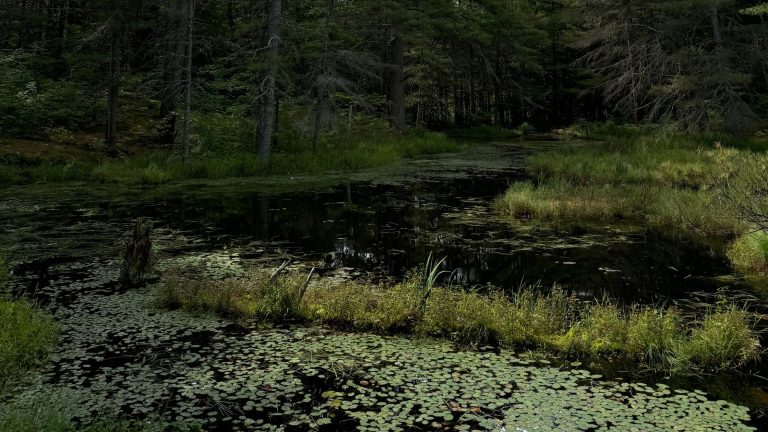
Take a boat tour to explore the glaciers and wildlife, including otters, bears, whales, sea lions, and puffins. Hike one of the trails in the Bartlett Cove area, such as the Forest Trail or Tlingit Trail, to see lush forests, a pond, and cultural landmarks. Enjoy the scenic views and possibly spot whales and seabirds along the shore.