


Tallest Dunes in North America Under Dark Colorado Skies

Tallest Dunes in North America Under Dark Colorado Skies
Something unexpected happens when travelers first see Great Sand Dunes National Park and Preserve. The tallest dunes in North America rise from the flat floor of Colorado’s San Luis Valley, their ridgelines sculpted by centuries of wind and sand, all set against the dramatic backdrop of the snow-capped Sangre de Cristo Mountains. The effect is simultaneously surreal and playful, and the park invites visitors of every age to simply wade in and explore.
The dune field covers roughly 30 square miles, with the tallest peak, Star Dune, climbing to approximately 775 feet above the valley floor. Getting there requires crossing Medano Creek, a shallow seasonal stream that flows in front of the dunes each spring and early summer, typically from late April through June. The creek produces a wave-like surge flow on warm spring days, and families wade, splash, and float through it on the way to the dunes. Sandboards and sand sleds can be rented just outside the park entrance and in Alamosa, the gateway city about 35 miles west.
Beyond the dunes, the park extends into the forested foothills and high peaks of the Sangre de Cristo range, with trails ranging from the Mosca Pass Trail, a 7-mile round trip through aspen and evergreen forest, to challenging routes for experienced mountaineers on the 13,000- and 14,000-foot peaks. The park’s elevation, roughly 8,200 feet at the visitor center, and its remote San Luis Valley location make it one of the premier stargazing destinations in Colorado. Great Sand Dunes is a certified International Dark Sky Park, with ranger-led astronomy programs available on clear evenings from May through September.
Families with kids find the dune field endlessly absorbing. There are no defined paths, which means every visit unfolds differently. Younger children love the creek and the lower dune slopes, while older visitors typically aim for the High Dune or Star Dune summits. Sand wheelchairs are available free of charge at the visitor center. A note for summer visits: sand surface temperatures can climb well above 140 degrees Fahrenheit by midday, so plan dune hikes for early morning or late afternoon and bring plenty of water.
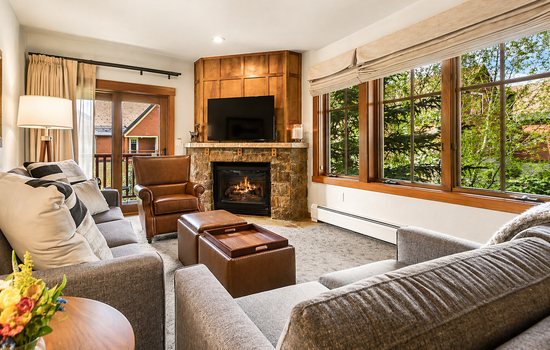
Alamosa serves as the primary gateway, with vacation homes, cabins, and other rentals scattered through the San Luis Valley. Nearby communities including Crestone and Monte Vista offer cozy rental options for those who want to linger, with homes that comfortably sleep larger groups, a full kitchen for evening meals, and wide outdoor views. A multi-day stay is the best way to experience both the dunes and the surrounding mountain and valley landscape.
Reserve campsites at Pinyon Flats Campground early, as spring and summer weekends fill quickly. Backcountry camping in the dune field requires a free permit available at the visitor center. Check nps.gov/grsa for current conditions, permit requirements, and seasonal road information. Book your accommodations for Great Sand Dunes National Park and Preserve.
Seasons
In spring, warmer weather and high winds greet visitors, with April temperatures ranging from 20s to mid-50s and May highs in the 60s to 70s. Medano Creek’s peak flow in May is perfect for tubing. Early mornings are best to explore the dunes before the heat sets in.
Summer brings warmth to these towering dunes, with temperatures often in the 80s and 90s. Cross the dry Medano Creek and hike to Star Dune or enjoy sand sledding. Witness the Milky Way in crystal-clear nights. Attend the Junior Ranger Day in summer for an immersive experience.
Experience autumn’s golden glow from September to October, with daytime highs in the 60s-70s and crisp nights. Enjoy leaf peeping, hike to High Dune, and witness aspen groves at peak color. Fewer crowds and sunny skies make it an ideal time to visit.
Winter brings a serene landscape, with January temperatures in the teens to low 30s and occasional blizzards. Snow-covered dunes invite sledding, while mountain trails are inaccessible. A unique, icy beauty for the adventurous. December to February. Bundle up.
Top 3 Facts about Great Sand Dunes National Park and Preserve
The dune field at Great Sand Dunes covers roughly 30 square miles, with Star Dune reaching approximately 775 feet above the valley floor, making it the tallest sand dune in North America. The dunes formed over thousands of years through wind patterns unique to the San Luis Valley topography.
Great Sand Dunes is a certified International Dark Sky Park. The park’s remote location and high elevation, approximately 8,200 feet at the visitor center, provide minimal light pollution and exceptional stargazing conditions. Ranger-led astronomy programs run on clear evenings from May through September.
Medano Creek flows seasonally along the base of the dunes from late April through early June, creating a temporary sandy beach where families wade and play. The creek produces a rare surge flow phenomenon in spring, when waves pulse downstream in regular intervals due to the porous sand beneath.
Travel Tips
Plan Ahead
Reserve campsites at Pinyon Flats Campground early at recreation.gov, as spring and summer weekends fill quickly. Check road conditions and seasonal closures at nps.gov/grsa before visiting. Arrive at the dunes before 10 a.m. in summer to beat midday heat. Medano Pass Primitive Road is unpaved and requires four-wheel drive; confirm current conditions before attempting it.
Pack Appropriately
Bring plenty of water, as the dunes can reach extreme temperatures by midday in summer. Wear closed-toe shoes to protect feet from hot sand, along with sunscreen and a hat. Pack layers for cooler morning and evening temperatures in spring and fall. Renting a sandboard or sled just outside the park adds a memorable experience for families and groups of all ages.
Respect Wildlife
Keep a safe distance from elk, pronghorn, mule deer, and other wildlife that graze the grasslands around the base of the dunes. Never feed wildlife. Stay on designated trails when hiking in the Sangre de Cristo foothills and preserve. Mountain lions and black bears inhabit the area; travel in groups and carry bear spray on backcountry hikes.
Stay Informed
Monitor nps.gov/grsa for weather alerts, road closures, and fire restrictions before visiting. Sand surface temperatures and afternoon thunderstorm activity are serious summer hazards. Check air quality forecasts and current dune conditions. Medano Pass Road may close in late fall or winter; verify status before driving. Entrance fees and passes are required.
- Area (mi²)
- 299
- Annual visitors
- 602 613
- Established year
- 2004
Accessibility & permits
Emergency

Planning a trip?
Tell us about your upcoming trip and how we can help!
Frequently Asked Questions
Ready to dive into what Great Sand Dunes National Park and Preserve has to offer? Let’s tackle some of the burning questions you might have as you plan your visit!
-
The closest town is Mosca, Colorado, while the nearest city is Alamosa, Colorado, which is about 34 miles away. Alamosa offers commercial air service and various amenities for visitors.
-
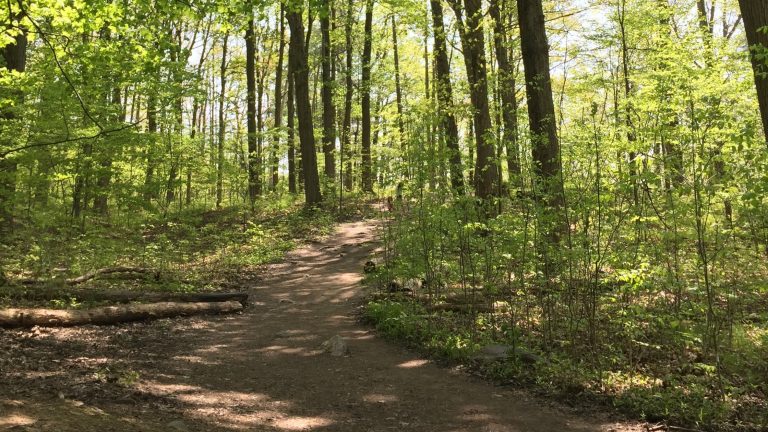
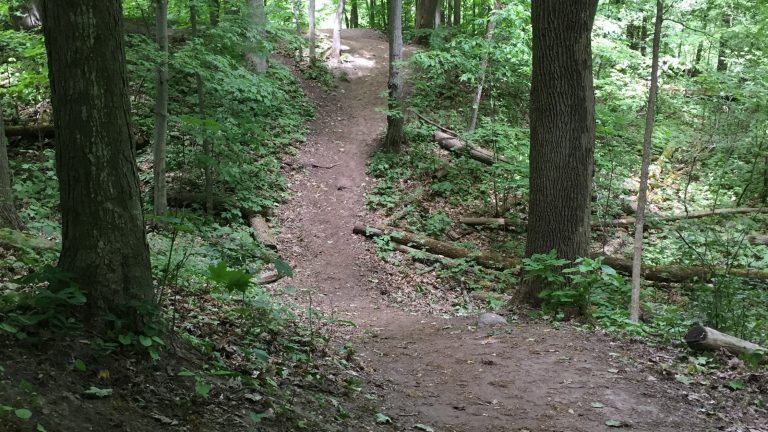
The Dunes Trail Overlook is a great hike for kids, as it is a moderate 2.7-mile roundtrip trail with a gentle climb to a ridge offering a sunset view. The Montville Nature Trail is another option, a short 0.5-mile loop through a forested area with easy walking and good chances to see wildlife. The Sand Sheet Interpretive Trail, a short and easy less-than-half-mile walk behind the Visitor Center, is also suitable for families.
-
Dogs are not allowed in the backcountry areas. They are only permitted in main use areas such as Piñon Flats Campground, Dunes Overlook Trail, and along the Medano Pass Primitive Road, and they must be leashed at all times.
-
Parking is included with admission for vehicles, including cars, motorcycles, camper vans, and motorhomes, as long as the entrance pass is valid. There are no additional parking fees for visitors with a valid entrance pass.
-
The main must-see spot is the Square Tower site, located near the visitor center, which features impressive stone structures built by the Ancestral Puebloan people between AD 1200 and 1300. This site includes a variety of unique towers and dwellings that are significant to the area’s prehistoric history.